Kyoto in one day can feel like a race.
This private tour turns it into a plan you can actually follow, with an English-speaking guide handling route and timing so you spend less time figuring out transit. You get built-in stops at top photography targets like Fushimi Inari-taisha and Kinkaku-ji, plus stories that make the places easier to remember.
What I like most is the stress management. Instead of hopping between stations on your own, you move with guidance between major sites and calmer side streets, with time to look around instead of just standing in crowds. Another big win is guide talent: people praised guides by name, including Tammy, Akemi, Kumi, Hiro, Yoshi, Chihiro, and Hiromi, for being friendly and efficient with photos and pacing.
The main consideration is intensity and extra costs. You still pay for temple and shrine entry and local transport, and this day is packed enough that comfy shoes matter more than ever.
In This Review
- Key things to know before you go
- A one-day Kyoto plan that actually saves your energy
- The morning start at Kitaoji Station and how the day flows
- Kinkaku-ji (Golden Pavilion): the signature start
- Arashiyama Bamboo Grove and the Tenryu-ji garden contrast
- Togetsu-kyo Bridge: a quick viewpoint that photographs well
- Arashiyama Kimono Forest: an easy, Instagram-level photo break
- Fushimi Inari-taisha: torii gates, route control, and why it’s worth it
- Kiyomizu-dera and the balcony views that make Kyoto feel real
- Sannenzaka and Ninenzaka: souvenir streets with real character
- Yasaka Pagoda and the Gion finish: classic Kyoto energy
- Price and logistics: what you’re really paying for
- Transportation during the day: walking vs taxis
- Guide quality is the real differentiator
- The heat plan: how Kyoto stays doable in summer
- What to wear and bring for a smooth 8-hour day
- Should you book this 10 Must-see Spots in Kyoto private tour?
- FAQ
- What time does the tour start?
- How long is the private tour?
- How many people can join this private tour?
- Is the entrance fee included for temples and shrines?
- Is transportation included?
- Does the tour include hotel pickup?
- Where is the meeting point and where does the tour end?
- Do I need Japanese yen?
- Is there a heat-related alternative plan?
- Are infants free?
Key things to know before you go

- Private for up to 7 people means your group sets the pace, not the crowd
- Ten major Kyoto sights in ~8 hours keeps your time tight but your schedule full
- Entrance fees and transit cost extra (you’ll want yen ready)
- Your guide manages navigation across Kyoto’s different neighborhoods
- Gion at the end of the day is timed for a classic evening vibe without dragging you back there all day
- Plan B exists for extreme heat, swapping in more indoor-friendly stops
A one-day Kyoto plan that actually saves your energy

Kyoto’s famous sights are spread out. Doing them solo in a single day usually turns into a navigation puzzle plus a long queue day. This tour is designed to cut that friction by giving you a private guide, plus a route that strings together Western Kyoto sights, Arashiyama views, then the east-side highlights around Fushimi and Kiyomizu-dera.
The other quiet advantage: you’re not just checking boxes. You’re moving with context. A good guide can explain why places feel the way they do—politics behind Kinkaku-ji, garden design at Tenryu-ji, the meaning of torii gates at Fushimi Inari-taisha—so your photos look better because you’ll understand what you’re photographing.
The day ends in Gion, which is a smart finish. You get traditional alley atmosphere without having to solve how to get there late in the day.
Other private tours in Kyoto
The morning start at Kitaoji Station and how the day flows

You meet at Kitaoji Station (Kita Ward) at 9:00 am. That’s useful because it puts you on a sensible route before the busiest waves hit the most popular districts. You also get a clear structure: after each stop, your guide tells you how to reach the next place.
This is not a pick-and-choose day. The tour notes are clear that you can’t swap stops, change the itinerary, or change the lunch plan during the experience. If you like spontaneity, plan other time in Kyoto for that. This day is for seeing the highlights efficiently.
Also note this tour has a specific rule for cruise guests: it’s restricted to cruise ship travelers who can independently reach Kyoto Station. If your cruise schedule and transportation plan make that tough, this may not be your best match.
Kinkaku-ji (Golden Pavilion): the signature start

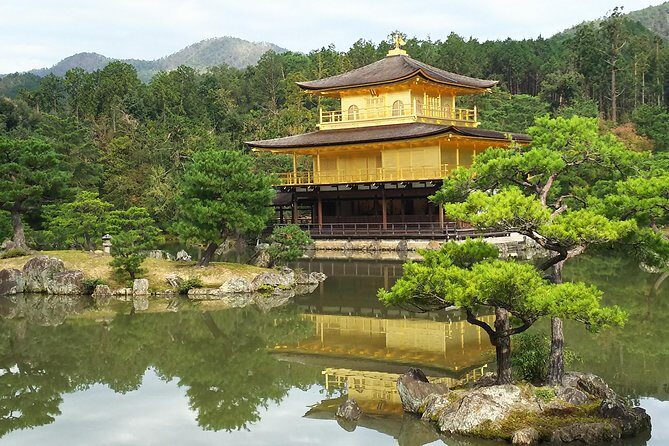
Your first major stop is Kinkaku-ji (Golden Pavilion). You’re looking at more than a pretty building. The guide will explain that the pavilion used to be a political center connected to the shogun, which helps you see it as a power symbol, not just a postcard.
Plan for about 40 minutes here. Admission is not included, so you’ll want to budget for the entry fee separately. If you’re photo-focused, arrive ready to frame the pavilion from multiple angles quickly; this is one of those places where small changes in viewpoint make a big difference.
Arashiyama Bamboo Grove and the Tenryu-ji garden contrast

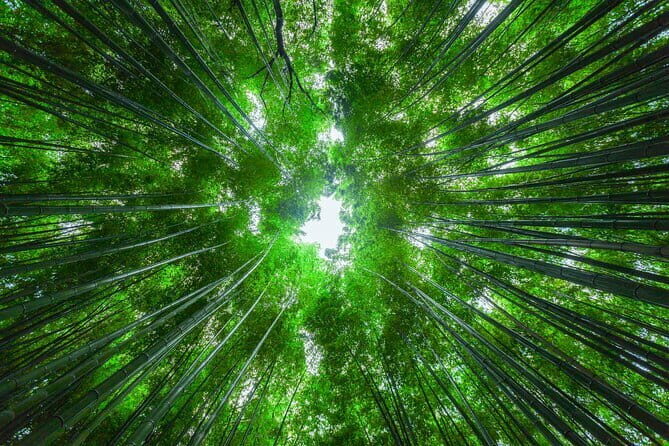
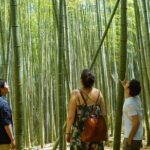
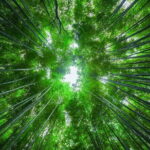
After Kinkaku-ji, the route heads into the Arashiyama area. First up is the bamboo grove street. You don’t need a long stay here to get the effect. Around 20 minutes is enough to walk through, take pictures, and feel what makes Kyoto’s bamboo imagery so famous.
Then you go to Tenryu-ji Temple, known for its landscaped garden and the pond design. You’ll spend about 30 minutes, and admission isn’t included. This stop is a nice contrast to bamboo: it’s quieter, more reflective, and better if you like gardens that reward calm looking rather than constant movement.
One practical tip: temples and gardens can change the feel of your day fast—light, shade, and walking conditions. Wear shoes that handle uneven paths and keep an eye on where your next photo angle will be before you slow down.
Togetsu-kyo Bridge: a quick viewpoint that photographs well

Next is Togetsu-kyo Bridge, a representative Arashiyama scene. It’s short—about 10 minutes—which is actually smart in a packed day. You get the key view without losing time you’ll wish you saved later.
Admission isn’t required here. This is a good place to:
- grab a few wide shots
- get a feel for the Arashiyama riverside setting
- check your energy level before the next photo-heavy stop
If the river air is cool, you’ll feel it. One review mentioned handwarmers being appreciated in chilly conditions, which is a reminder that Kyoto’s weather can surprise you even on a “spring” or “mild” forecast.
A few more Kyoto tours and experiences worth a look



Arashiyama Kimono Forest: an easy, Instagram-level photo break

This is a fun wildcard stop: Arashiyama Kimono Forest Kyoto, an art installation featuring 600 cylinders decorated with kimono designs. Your time is brief—around 10 minutes—but it’s designed for quick, high-impact photos.
Admission is free for this stop. The cylinders create patterns that photograph well from multiple angles, especially if you position yourself early and don’t overthink it. In a day that’s otherwise very temple-structured, this is the visual palate cleanser.
Fushimi Inari-taisha: torii gates, route control, and why it’s worth it

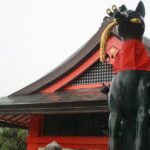
Then you hit Fushimi Inari-taisha, one of Kyoto’s most famous attractions. Expect about 1 hour, and there’s no admission fee listed for the stop.
The big draw is the line of torii gates. Your guide can help you get started efficiently so you don’t waste the first 15 minutes second-guessing which way to go. If you want to walk some of the route, this is where that matters. If you want photos without going too far, you can still frame compelling shots near the main pathways.
This is also one of the best places to remember what your guide is telling you. Torii gates aren’t just scenery; they represent shrine symbolism, and the “feel” changes as you go deeper.
Kiyomizu-dera and the balcony views that make Kyoto feel real

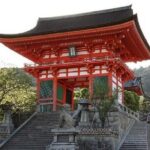
After Fushimi Inari, you head to Kiyomizu-dera Temple. This stop is longer—about 1 hour—and admission is not included.
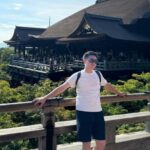
Kiyomizu-dera is famous for its broad balcony and panoramic views. Even if you don’t climb into every angle, the balcony is the iconic moment. What makes this stop powerful in a group tour is that you arrive with the right context: the guide helps you see why this site became a must-see and what people historically came for.
You’ll also notice how the route shifts here into old-street Kyoto. That matters because it changes your day from “big landmarks” to “Kyoto as a living neighborhood.”
Sannenzaka and Ninenzaka: souvenir streets with real character
After Kiyomizu-dera, you get Sannenzaka and Ninenzaka, the sloped lanes lined with traditional wooden buildings and souvenir shops. Time is flexible for browsing—about 1 hour—and the stop doesn’t list admission fees.
This is your chance to:
- slow down
- pick small, Kyoto-specific items
- snack if your day schedule allows
One drawback of a packed day: you can feel like you’re browsing at speed. If you know you want to shop, treat this like your window. If you don’t, use it as a calm walking break and focus on street scenes instead of purchases.
Yasaka Pagoda and the Gion finish: classic Kyoto energy
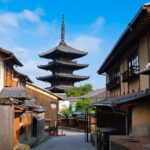
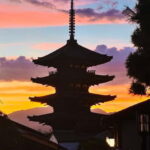
Next comes Yasakanoto, the five-story pagoda landmark area. You’ll only spend about 5 minutes, and you mainly look from the outside. That brevity works because it gives you the landmark without consuming time that’s better used for Fushimi and Kiyomizu-dera.
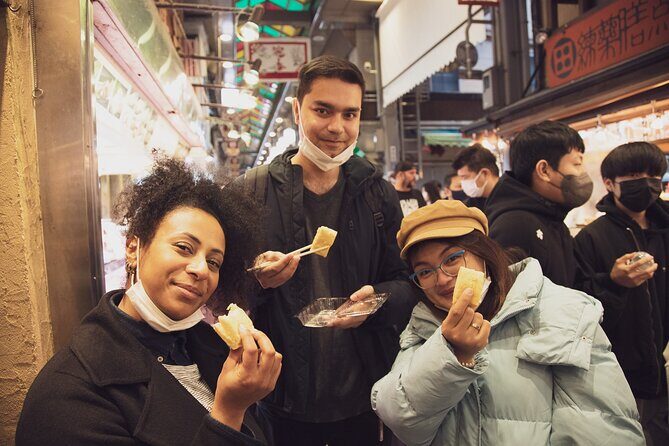
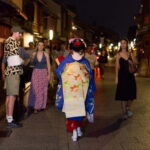
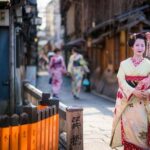
Then you finish in Gion. Your final stop is about 20 minutes, with no admission fee listed. This is where you get a traditional alley atmosphere and the chance to see Maiko and Geiko. People specifically praised moments in Gion where they spotted real geiko or maiko, and your guide can help you handle the etiquette side—standing where you won’t block paths and watching without crowding.
Price and logistics: what you’re really paying for
The tour price is listed as $179.07 per person, private for up to 7 people. That sounds high if you compare it to a train ticket, but it’s not meant to replace transit—it replaces the headache of coordinating a full-day route across multiple neighborhoods, with an English-speaking guide doing the planning and time management.
What’s not included matters:
- Temple and shrine entrance fees: ¥1,500 per person
- Public transportation: ¥1,000 per person
- Pick-up service: not included
So your day should be treated as a base paid experience plus a predictable add-on for entry and local travel. Also remember: in Kyoto, many temples and taxis don’t accept credit cards, so cash and IC cards are useful.
One review tip that matches my advice style: bring enough cash for entry and backup spending. A safe mindset is planning for around ¥10,000 total and carrying an IC card with at least ¥1,500 so you’re not stuck when a machine or vendor is cash-only.
Transportation during the day: walking vs taxis
You’ll rely on a mix of walking, public transportation, and sometimes taxi transfers based on the situation. If taxis are used, the notes give a range of ¥7,000–¥9,000 per cab for all rides, and if your group is 4 or more, you need two taxis.
The biggest practical takeaway: you should plan for lots of walking. This is a ten-stop day, and even with transit help, you’ll cover serious ground. Bring shoes that are broken in, not new. If your feet start complaining, you’ll miss photos and calm street moments—so don’t wait for your body to negotiate.
Guide quality is the real differentiator
If you’re paying for a private tour, you’re really buying guidance quality. The reviews praise guides for being:
- efficient with routing and timing
- patient when groups needed extra time
- helpful with photo moments
- willing to answer history and culture questions
Guides named in the feedback include Tammy, Akemi, Kumi, Hiro, Yoshi, Chihiro, Meiko, Hiromi, and Fujiko. That variety matters because it suggests different personalities work well in the same structure: you’re choosing a route, but the guide shapes your experience.
Look for what good guides do during stops:
- help you find the best vantage quickly
- manage pacing so you’re not rushed but not lingering too long
- give clear next-step directions
- suggest what to focus on if you want photos
That’s why people consistently rate this tour so highly.
The heat plan: how Kyoto stays doable in summer
Kyoto summer can be a stamina test. The tour notes mention a Plan B course on very hot days that takes you to Chishakuin Temple and Sanjusangendo Temple. This plan involves fewer steps and includes Chishakuin as an indoor-friendly stop, plus Sanjusangendo, famous for its forest of Buddhist statues.
If your travel dates fall during peak heat, ask your provider about which day plan is likely and what you should wear. Even with fewer steps, you’ll still be walking and standing, so bring water and plan for slower browsing.
What to wear and bring for a smooth 8-hour day
This tour is all about movement across neighborhoods, temples, and street lanes. Dress for walking and stairs, and keep your hands free when you’re photographing.
I recommend:
- Comfortable shoes with grip
- a small day bag for water and essentials
- cash for entrances and any card-only surprises
- an IC card as backup
Also, if you’re going in cool weather, layers help. Kyoto can feel crisp in the morning, and one review mentioned handwarmers being appreciated, which suggests the weather swings can be real.
Should you book this 10 Must-see Spots in Kyoto private tour?
Book it if:
- you have one day and you want the biggest hits in a sensible order
- you’d rather pay for planning and focus on enjoying the sights
- you want a guide to explain what you’re seeing, not just deliver locations
- you’re traveling as a group of friends or family (up to 7) and want the private advantage
Consider a different approach if:
- you’re the type who needs frequent breaks or long sits in one place
- you hate spending money on top of the listed price for entrance fees and transit
- you’re traveling with strict mobility limitations (this day involves a lot of walking)
If your goal is efficient Kyoto without guesswork, this is a strong one-day solution.
FAQ
What time does the tour start?
The tour starts at 9:00 am.
How long is the private tour?
The duration is about 8 hours.
How many people can join this private tour?
It’s private for up to 7 people.
Is the entrance fee included for temples and shrines?
No. The tour notes list ¥1,500 per person for temple and shrine entrance fees.
Is transportation included?
No. The tour notes list ¥1,000 per person for public transportation.
Does the tour include hotel pickup?
No. Pick-up service is not included.
Where is the meeting point and where does the tour end?
Meeting is at Kitaoji Station. The tour ends in the Gion area at 571 Gionmachi Minamigawa, Higashiyama Ward, Kyoto.
Do I need Japanese yen?
Yes. Many temples and taxis don’t accept credit cards, so it’s best to have Japanese yen ready. An IC card is also useful.
Is there a heat-related alternative plan?
Yes. On very hot summer days, a Plan B course may run with fewer steps, including stops at Chishakuin Temple and Sanjusangendo Temple.
Are infants free?
Yes. Infants under 3 years old are free of charge.