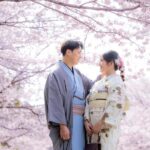
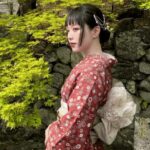
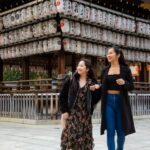
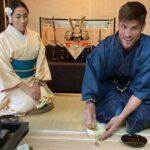
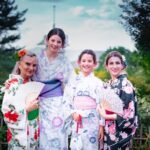
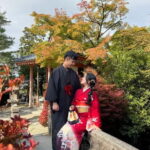
A kimono day turns Kyoto into a movie set. This Kyoto experience is built around a professional fitting (so you don’t wrestle with wraps all morning) and then a walk through classic Gion lanes with shrine stops like Kiyomizu-dera. I also like that you can add optional hair and makeup if you want the full photo-ready look. The main drawback is the pricing can feel “add-on heavy,” especially if you want higher-tier garments or extra styling.
What makes it practical is the flexibility: multiple time slots, staff who speak English/Chinese/Japanese, and a mobile ticket so check-in is straightforward once you find the shop. You’ll get dressed, step out into Kyoto in your traditional attire, then return to change back before the cut-off.
One more thing to consider: if you’re sensitive to delays, build in extra time. Some people found portions taking longer than expected, and the day depends on smooth transitions at the fitting shop.
In This Review
- Key points to know before you go
- Why this Kyoto kimono rental works so well in Gion
- Kyoto Kimono Rental Rei: where to meet and what to expect when you arrive
- Picking the kimono or yukata and the professional fitting
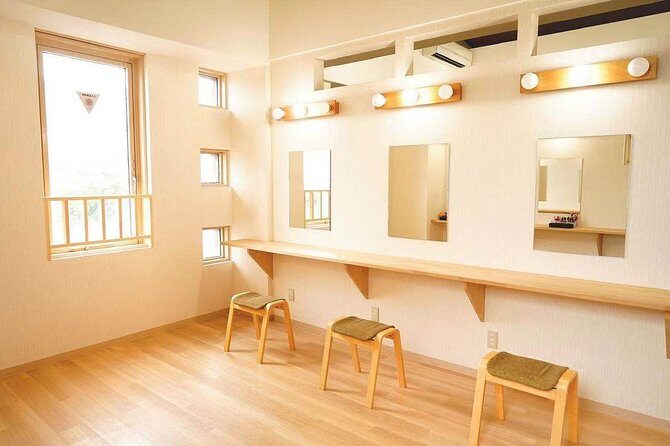
- Optional hair and makeup: worth it or skip it?
- Dressed for the walk: Gion lanes, Yasaka Shrine, Kiyomizu-dera, and Heianjingu
- Comfort and timing tips so you finish on schedule
- Price and value: budget for upgrades like a smart shopper
- Who this suits best (sizes, solo travelers, families)
- Should you book this Kyoto kimono and yukata experience?
- FAQ
- What’s included in the Kyoto kimono and yukata experience?
- Are hair styling and makeup included in the base price?
- Where does the experience start and end?
- How long does the experience take?
- Do I need a guide with the tour?
- Are there multiple time slots available?
- Is a mobile ticket used?
- What languages are available at the shop?
- What are the size limits?
Key points to know before you go
- A staff-led fitting saves you the frustration of trying to get a kimono tied correctly on your own
- Choose your own kimono/yukata, then wear it around Kyoto for the day with nearby shrine access
- Hair styling and makeup are optional and can be a great value if you care about photos
- You’ll likely want an umbrella and comfy planning because you’ll be walking in traditional sandals
- Base selections come with limits, and upgrades can change your final spend
- Small group size (up to 14) helps keep the fitting process orderly
Why this Kyoto kimono rental works so well in Gion
This is a classic Kyoto “get dressed, then go live your day” setup. You’re not stuck watching a lecture or following a strict bus itinerary. Instead, the shop gets you into a kimono or yukata properly, and then Kyoto does the rest.
I like the balance here. The fitting is the hard part, and it’s handled by staff, so you can focus on enjoying Gion. And because you’re heading toward famous areas like Kiyomizu-dera and Heianjingu, the outfit feels like it has a reason beyond photos.
The value idea is simple: the ticket gets you the rental and the fitting, then you decide how far to go with hair, makeup, and upgrades. If you keep it basic, you control the budget. If you go full glam, you should expect to pay for it.
A few more Kyoto tours and experiences worth a look
Kyoto Kimono Rental Rei: where to meet and what to expect when you arrive
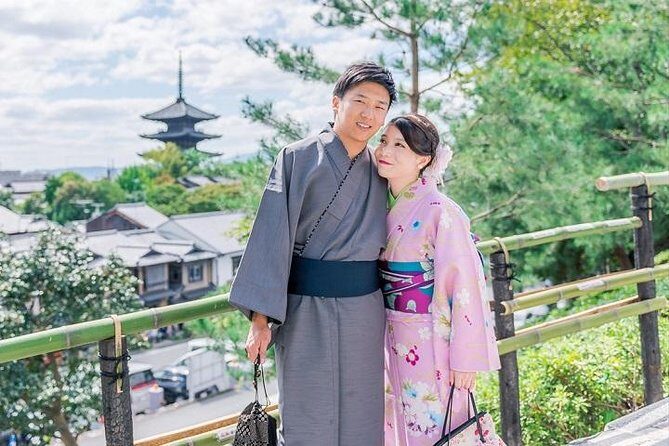
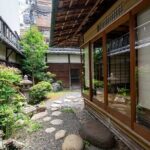
You meet at Kyoto Kimono Rental Rei in the Higashiyama Ward, in the Gion area (address: 605-0064 Kyoto, Higashiyama Ward, Umemotochō, 270 プレステージ祇園). The shop is near public transportation, which matters in Kyoto where street navigation can get tricky fast.
Here’s the real-world tip: the location can be confusing on arrival. Some visitors found the shop hard to spot, and there’s mention of a ground-floor taxi drop that doesn’t match what you expect. So I’d treat it like this: arrive a few minutes early, use the exact directions you’re given, and don’t assume street-level visibility.
Staff availability is a plus. English-speaking, Chinese-speaking, and Japanese-speaking staff are on hand, and the shop handles multiple body sizes (women are listed by height, and same for men and children). That reduces the “will they fit me?” worry that can haunt kimono rentals.
Picking the kimono or yukata and the professional fitting
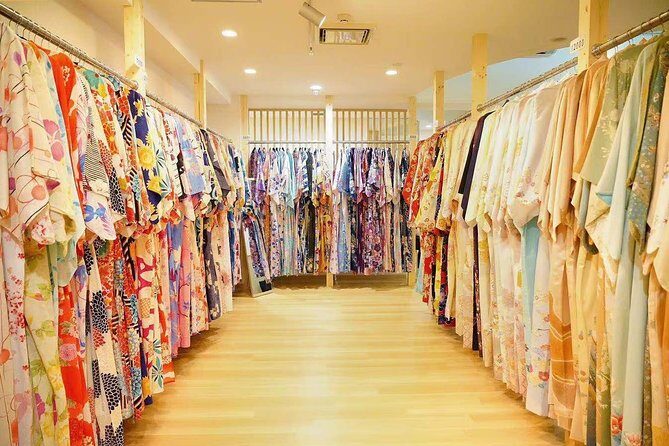
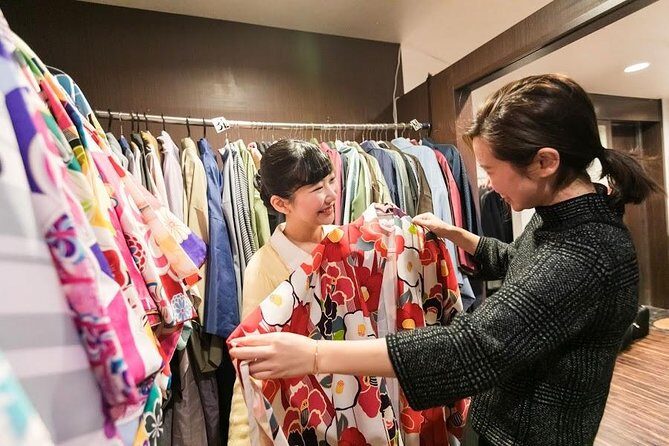
The day starts with choosing your outfit from the shop’s selection, then a professional fitting. The timeline is tight and designed to move: selecting (about 10 minutes), fitting (about 10 minutes), plus optional hair (about 10 minutes) and optional makeup (about 20 minutes).
This is where the experience earns its keep. A correct fit is what makes the whole look believable, and it also helps you walk without constant adjusting. You won’t have to figure out straps, layering, and positioning on your own.
One practical note from the real world: you may need to dress and undress more than you expect. If you’re shy, plan to wear something easy under your clothes. People specifically recommend wearing shorts underneath so the changeover is less awkward.
Also, sandals are part of the deal. Expect them to be okay for short stretches, but not ideal for marathon walking. If you’re planning a long loop, bring patience (and plan rest stops).
Optional hair and makeup: worth it or skip it?
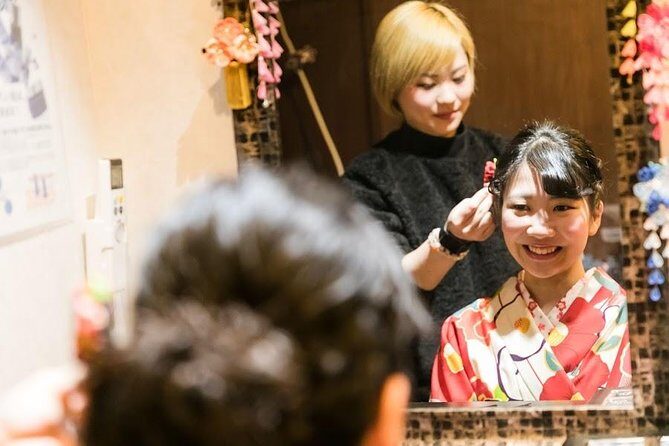
Hair and makeup are the biggest “decision points” after the basic rental. Hair styling is listed at 1650 yen, and makeup is listed at 5500 yen. They’re not included in the base price, so this is where your final cost changes.
If you care about photos, I think it’s often worth at least one upgrade. People praise the hair service, including hair styled with flowers, and the end result can be the difference between a decent vacation picture and a true Kyoto memory. If you’re going with a partner or group, having everyone dressed up at the same time also makes photos easier.
The timing piece matters. Some people felt hair and makeup weren’t given as much time as they expected for their specific booking, so if you have a tight schedule, choose upgrades carefully. If you only have time for one option, I’d prioritize hair over makeup, unless makeup is your must-have.
If you skip extras, you can still look great. The kimono/yukata itself is doing most of the visual work—especially in Gion streets with wooden facades and temple-adjacent scenery.
Dressed for the walk: Gion lanes, Yasaka Shrine, Kiyomizu-dera, and Heianjingu
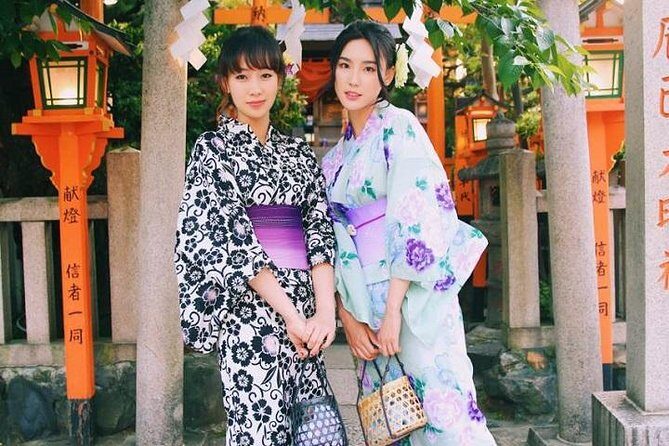
After dressing, you’re free to stroll while wearing your kimono/yukata. The experience is designed around classic spots in Kyoto’s east side. You’ll head through the Gion area and you can visit nearby shrines such as Yasaka Shrine (often referred to as Gion Shrine), plus the famous sights mentioned in the experience description: Kiyomizu-dera and Heianjingu.
What’s smart about this format is that it matches how Kyoto rewards you. Kyoto doesn’t work only as a checklist. It’s a “turn the corner, see what you didn’t expect” kind of city, and wearing traditional clothing encourages slower wandering.
One photo tip that’s actually useful: plan for moments where you’ll want a pause—especially around shrine approaches and street corners in Gion. If you’re solo, you might have fewer opportunities to pose well, so consider using a small tripod, asking staff for help, or scheduling a friend/partner photo session before you split up.
Weather also affects your route. The experience is said to require good weather, but the shop may offer alternate dates if weather forces a cancel. If it’s raining, ask what they can do. Some people report staff being willing to reschedule when it got rainy and they were soaked.




Comfort and timing tips so you finish on schedule
Traditional clothing is gorgeous, but it’s not built for rushing. I recommend two timing strategies.
First, arrive early and don’t assume your slot will mean you’ll be outside instantly. The shop process is quick when everything clicks, but some people experienced longer waits or a chaotic flow. If you’re trying to catch a train, book a show, or meet someone at a hard time, add buffer.
Second, plan to be back in time to change out. The experience says you should return earlier than 6 pm, and some visitors note a need to be back before closing time. So treat the “return by” time as real, not flexible.
For comfort:
- Wear practical underwear/shorts under your outfit change so you’re not wrestling mid-moment.
- Bring a bag you can manage with traditional sandals.
- In summer heat, an umbrella is a sanity saver. One smart tip: a clear umbrella can help with photos while still shielding you from rain.
If you’re a larger person, also check sizing before you go. The experience lists size by height (women 140–175 cm, men 170–185 cm, children 100 cm), and there can be limitations on shoes in certain sizes.
Price and value: budget for upgrades like a smart shopper
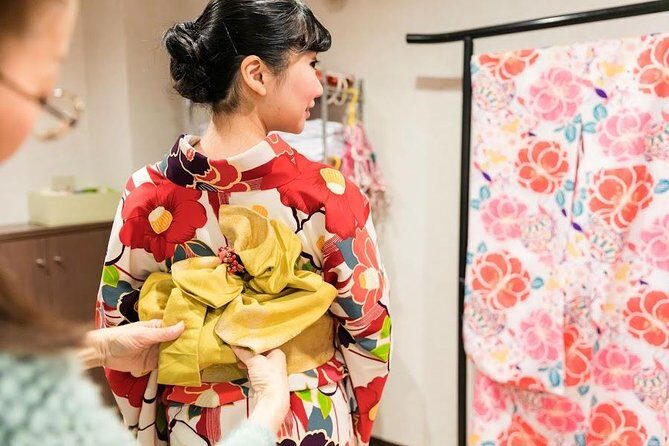
The base price is listed at $25.43 per person, and your ticket includes kimono/yukata rental plus a professional fitting. That’s a solid value compared to paying for a standalone fitting plus rental separately.
But here’s the honest math: the included portion typically covers a basic range. One account describes base options in the 4000–5000 yen range, with higher levels starting around 7000 yen and then going up. If you want a specific style (there are mentions of special-upcharge looks), you should expect an extra cost.
Then add optional styling:
- Hair styling: 1650 yen
- Makeup: 5500 yen
So the best way to think about value is not just the $25 headline. It’s whether you want a simple, comfortable rental day—or a polished, “every photo looks like it belongs in a postcard” day. If you’re the type who loves getting ready for an occasion, budgeting for at least one upgrade can feel worth it.
Also watch payment details. One review notes a possible credit-card surcharge (10%), so having cash can help if you want to avoid surprise fees.
Who this suits best (sizes, solo travelers, families)
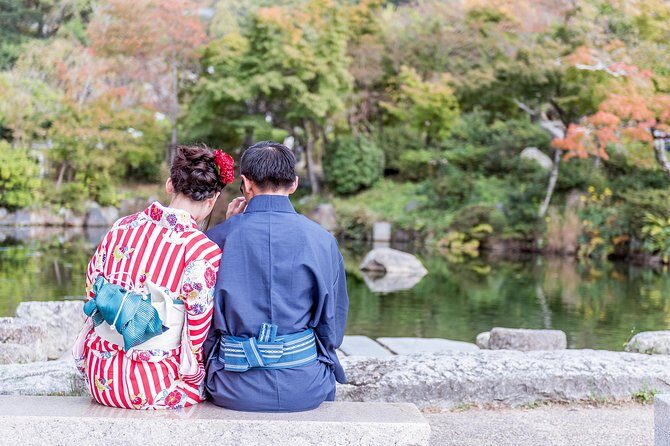
This fits many kinds of trips because it’s flexible. You can choose a time slot, wear the outfit around Kyoto, and return when you’re done (within the shop’s time window). It’s also capped at 14 travelers, which usually keeps things from turning into an assembly line.
Families can do well here. People mention intergenerational groups (multi-age family members) having a positive, patient experience. Staff availability in multiple languages also helps when you’re traveling with kids or elders.
For solo travelers, the outfit is still a win—just know you may struggle with photos without someone to take them. The shop may help you get started, but you’ll still be responsible for your own posing between shrine stops.
If you want the best odds of a comfortable fit, pay attention to the listed size-by-height ranges and be upfront about what you need. And if you’re very size-sensitive (especially for shoes), don’t assume the sandals will match your normal street-shoe comfort.
Should you book this Kyoto kimono and yukata experience?
Book it if you want an easy, well-run kimono day in Gion without doing the tricky wrapping yourself. The included rental plus professional fitting is the core win, and the route toward Kiyomizu-dera and Heianjingu makes the outfit feel purposeful.
Skip or downshift your expectations if you dislike shopping-style add-ons. This experience can feel like a menu of options: better garments, hair, makeup, accessory upgrades. If you want total control, plan a budget before you arrive and decide what you will and won’t add.
If you’re deciding late in the planning window, also consider the weather factor. Good weather is emphasized, and the shop may offer a different date or refund if it’s canceled due to poor conditions.
FAQ
What’s included in the Kyoto kimono and yukata experience?
Your ticket includes kimono or yukata rental and a professional kimono fitting. Hair styling and makeup are optional add-ons.
Are hair styling and makeup included in the base price?
No. Hair styling is listed at 1650 yen and makeup at 5500 yen as optional extras.
Where does the experience start and end?
It starts at Kyoto Kimono Rental Rei at 605-0064 Kyoto, Higashiyama Ward, Umemotochō, 270 プレステージ祇園. It ends back at the same meeting point after you change clothes.
How long does the experience take?
The experience is listed as 1 to 9 hours approximately, depending on your time slot and which options you choose. Optional makeup can add about 20 minutes, and hair styling about 10 minutes.
Do I need a guide with the tour?
A guide is not included. You’ll be able to explore on your own while wearing your kimono/yukata, with staff handling fitting and optional styling.
Are there multiple time slots available?
Yes. The experience offers flexible time slots throughout the day.
Is a mobile ticket used?
Yes. The experience uses a mobile ticket.
What languages are available at the shop?
English-speaking, Chinese-speaking, and Japanese-speaking staff are available.
What are the size limits?
Women are listed as 140 cm to 175 cm, men as 170 cm to 185 cm, and children as 100 cm.