Kyoto slows your mind here. This private Zen garden walking tour takes you to Konchi-in, Tenjuan Temple, and the head temple of Nanzen-ji, with a guide who explains how garden design connects to Zen ideas. I especially liked the insider garden design pointers (rock and space patterns make more sense when someone trained in garden design guides you), and I also loved that you’re taken on foot to areas that don’t feel accessible by car or bus. One possible drawback: entrance fees for the three temples are not included and add ¥1,600 per person, and the tour needs good weather.
You’ll meet near Keage Station area and finish right in front of Nanzen-ji, so it’s easy to plug into the rest of your day. The narration is led by Andrew of An Design, with 15 years of experience, and the best part is the way he links practical design details to spirituality and daily life in Kyoto. Expect a calm pace, lots of time for questions, and a learning tone that feels personal, not lecture-y.
In This Review
- Key things I’d plan around
- Why this private Zen garden walk beats wandering alone
- Meet Andrew: when design training turns into real meaning
- Konchi-in: a focused start at Nanzen-ji’s sub-temple
- Tenjuan Temple: design details that reward your second look
- Nanzen-ji main temple: where the whole idea lands
- Price and entrance fees: what you’re really paying for
- Walking, timing, and what to bring for comfort
- Who this tour suits best (and who might skip it)
- Practical logistics that actually matter
- Should you book Kyoto: Zen Garden, Zen Mind (Private)?
- FAQ
- FAQ
- What is the tour duration?
- Is this a private tour?
- How many people can be in a group?
- What’s included in the tour price?
- What entrance fees do I still need to pay?
- Where do we meet and where do we end?
- Is a mobile ticket used?
- What happens if the weather is bad?
Key things I’d plan around
- Private group up to 4: $380 per group makes this surprisingly affordable if you’re traveling with a friend or two.
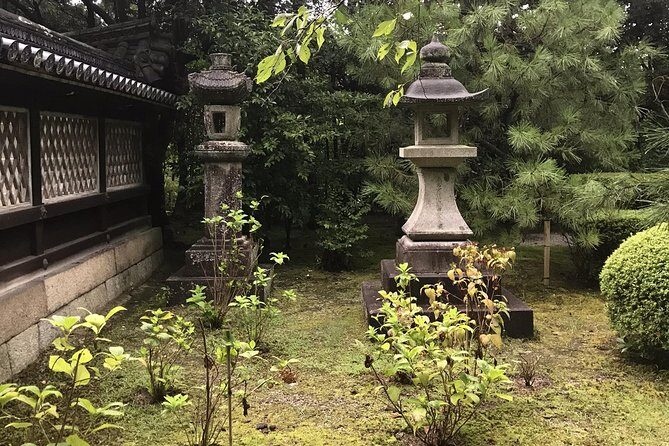
- Three Nanzen-ji stops on foot: Konchi-in, Tenjuan, and Nanzen-ji main temple, with included admission at each stop.
- Design-meets-spirit explanations: rock/space choices tied to Zen thinking and Buddhist practice.
- Less “transport tour,” more walking: paths that are easier to reach on foot than by bus or car.
- Guide Andrew’s garden design training: 15 years’ experience and a Master’s in landscape architecture (yes, that background matters here).
- Quiet, focused time: it’s built to let you actually see the gardens, not just pass by them.
Why this private Zen garden walk beats wandering alone
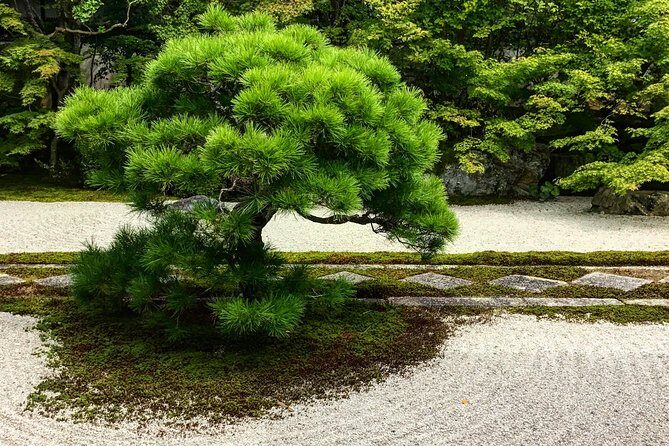
Kyoto is full of gardens that look pretty amazing—until you realize you don’t know what you’re looking at. This tour fixes that fast. Instead of treating the rock arrangements, sand, and stone placements as decorative scenery, the guide gives you the “how to read it” version of Japanese aesthetics. Once you start seeing the logic behind the layout, the gardens stop being static postcards and start feeling like a language.
I also like that the experience is designed for walking. You’re not just shuffling from one stop to another by vehicle. You move through the temple zone at a human pace, which matters because Zen gardens reward attention. If you rush, you miss the small shifts in viewpoint—what the design shows you from one angle versus the next.
A big plus: you’re covering multiple sub-temples under Nanzen-ji rather than doing just one major site. That gives you a better sense of how the Nanzen-ji tradition expresses itself across different garden settings. It’s a smart way to spend a half-day in this area without feeling like you crammed every temple in the city.
A few more Kyoto tours and experiences worth a look

Meet Andrew: when design training turns into real meaning
Andrew (An Design) is the heart of this tour. The tone isn’t “museum tour, read the plaque.” It’s practical and conversational: he explains garden construction choices and connects them to spiritual ideas. One of the most praised parts of the experience is how Andrew blends design depth with Buddhism and Zen basics, so you’re not only learning facts—you’re building a framework for understanding what you see.
From the details provided, he has 15 years of experience and a Master’s in landscape architecture. That’s not just an impressive line. It shows up in how specific the explanations can be: rock garden structure, visual balance, and why certain patterns are placed where they are.
You’ll also get context beyond the garden itself. The tour includes fundamentals that touch Shinto and Buddhist traditions, plus the “so what?” of how those ideas show up in Kyoto today. If you’ve ever felt that Japan’s spiritual layers are confusing, this is a helpful way to untangle them without forcing a heavy academic approach.
Konchi-in: a focused start at Nanzen-ji’s sub-temple
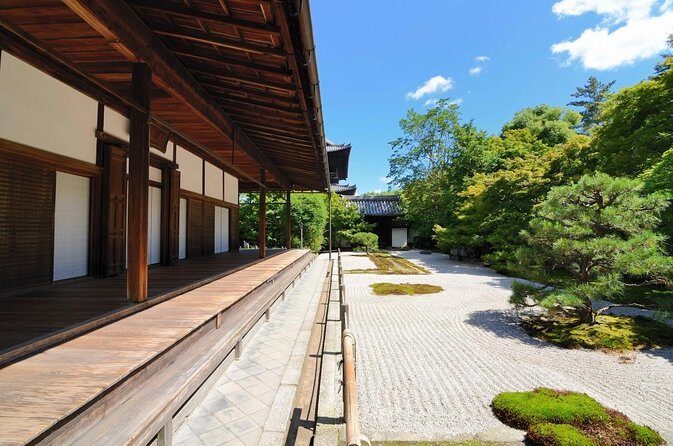
The tour begins at Konchi-in, a sub-temple of Nanzen-ji. This first hour is important because it sets your reference point. You’re not thrown into the largest site immediately—you get an opening “lens” so the rest of the walk feels clearer.
In practical terms, you’ll spend a full hour here, with guided narration included. That time window is exactly what you want for garden viewing. Zen gardens can look subtle at first. With a guide steering your attention to specific design choices, you’ll start noticing how the space is composed and what the layout is trying to communicate.
A common issue on self-guided temple visits is that you focus only on the most obvious view. Konchi-in helps you practice looking differently. Instead of treating the garden as one big scene, you learn to think about viewpoint, emptiness, and how stones and lines create meaning.
If you’re the type who likes to ask questions, Konchi-in is a good place to do it early. By the time you move on, you’ll already have the basics, so your curiosity doesn’t feel like it’s running ahead of your understanding.
Tenjuan Temple: design details that reward your second look

Next is Tenjuan Temple, another sub-temple of Nanzen-ji. Like Konchi-in, you get about one hour here, with admission included at the stop.
Tenjuan works well as a follow-up because it reinforces what you learned at the start. You’re basically training your eye: the guide points out how the garden elements operate within a Zen design logic, then you see how that logic plays out again in a different setting.
This is also where the tour’s “Zen Mind” side gets more tangible. The garden isn’t presented as a random arrangement. It’s described in a way that helps you understand how design can reflect discipline, attention, and the Buddhist habit of seeing meaning in what’s placed—and what’s left out.
One more thing: the tour’s walking route and pacing seem built for calmer viewing rather than crowd-sprinting. That matters in Kyoto temple areas, where the main draw sites can be busy. Even if you’re not trying to avoid crowds, having a quiet environment makes learning easier.
Nanzen-ji main temple: where the whole idea lands
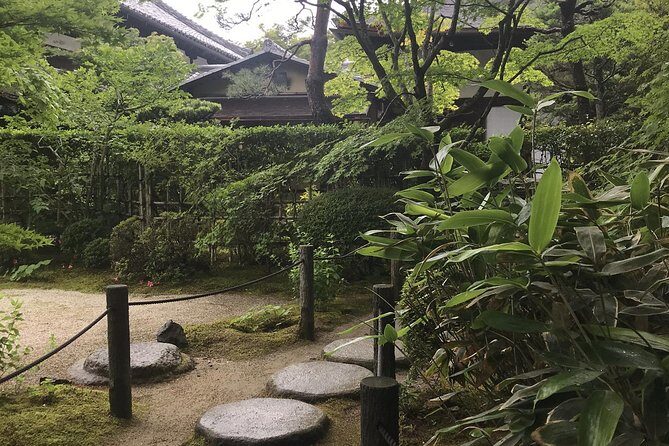
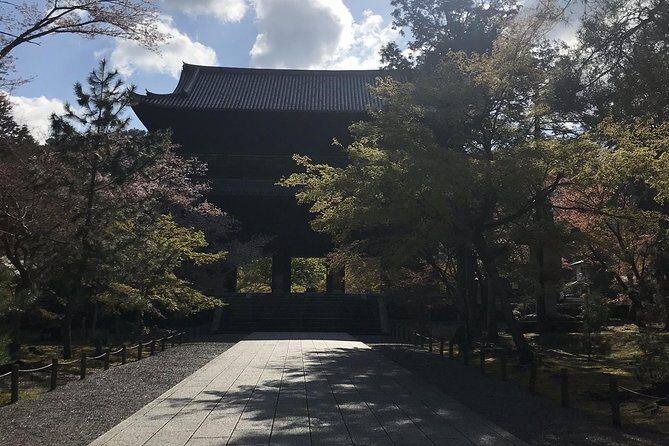
The final stop is Nanzen-ji Temple, the head temple of the Nanzen-ji Zen Monastery. This is the big finish, and the timing works: after two sub-temple visits, Nanzen-ji feels less like a “separate attraction” and more like the umbrella it is.
You’ll get about one hour here, with admission included. The guide’s explanations at this stage tend to focus on how design choices connect to the broader tradition. If you’ve been thinking about garden aesthetics only as visual art, this is where the spiritual and historical context helps lock it in.
Nanzen-ji is also where you’ll appreciate why exploring on foot matters. The movement and changing viewpoints are part of the experience. You’re not stuck only looking in one direction. Instead, the garden and temple spaces reveal themselves as you reposition—very much in line with how Zen encourages awareness of place and moment.
And you end in front of Nanzen-ji, so when the tour ends, you’re already standing at the place you came to see. That makes it easy to keep exploring at your own pace afterward.
Other private tours in Kyoto





Price and entrance fees: what you’re really paying for
The price is $380 per group (up to 4) for about 3 hours 30 minutes. That group pricing can be excellent value if you can share it. For one person alone, it’s expensive by standard Kyoto-budget logic. For two or four people, it becomes much more reasonable because you’re buying a guided, private learning experience rather than public-tour crowd time.
Now the detail that affects the math: entrance fees are not included in the overall price. The total entrance ticket fee for the three temples is listed as ¥1,600 per person. Since the tour includes narration and guided time, you’re not paying for a guide plus a car plus a generic overview. You’re paying for someone to interpret garden design in a way that would take you a lot longer to figure out on your own.
So here’s the value test I’d use: if you enjoy gardens but want real understanding—design logic, Zen ideas, and how it connects to Kyoto—this tour is worth it. If you just want a checklist of temple photos, you might be paying for explanation you don’t need.
Walking, timing, and what to bring for comfort
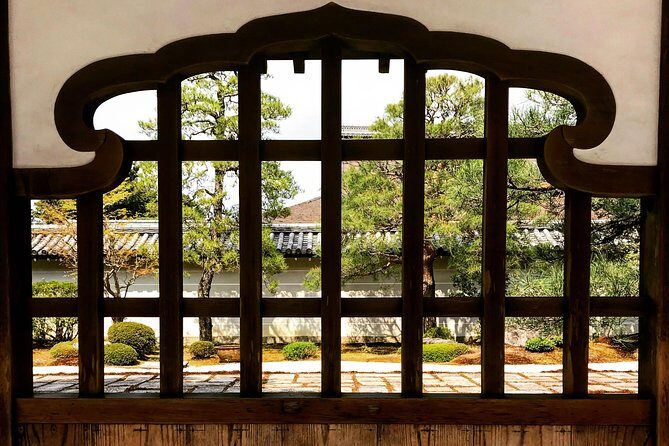
This is a walking tour, and the route is designed to access temple areas that are harder to reach by car or bus. That’s exactly why it’s worthwhile. It’s also why comfort matters.
Plan for:
- Comfortable shoes (you’ll be on foot for the full session)
- Good weather (the experience notes good weather is required)
- A light plan for your morning or afternoon so you’re not rushing to catch trains right afterward
The tour runs about 3.5 hours, split across three temple garden stops at roughly one hour each, plus the time you need to move between them. If you’re the type who likes to slow down for photos, this pacing still works, but don’t schedule anything tight immediately afterward.
Also, the guide is a real person with a real schedule, so asking questions thoughtfully is the best strategy. If you come with a couple of things you genuinely wonder about—like what you’re supposed to notice in a rock garden—you’ll likely get more out of the hour than if you keep waiting for a moment to start asking.
Who this tour suits best (and who might skip it)
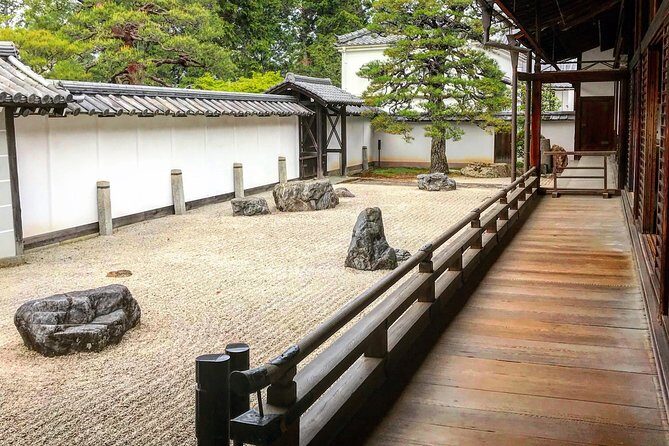
This experience fits best if you’re:
- a nature-and-design lover who wants to read Japanese gardens
- curious about Zen and Buddhist ideas, but you prefer explanations tied to what you can see
- visiting Kyoto for the first time and want a focused area with multiple temple gardens
- traveling in a small group and want a private format that stays calm
It’s also a great pick if you’ve tried to self-tour Zen gardens and felt like you were guessing at meaning. This gives you a method. Once you have that method, you’ll enjoy other gardens in Kyoto more, too.
You might consider skipping if:
- you want the cheapest option to see temples quickly
- your schedule is extremely tight and you can’t work around the good-weather requirement
- you’re uninterested in explanations and prefer only free wandering
Practical logistics that actually matter
You’ll meet near Keage Station (Keage Sta. Higashikomonozacho, Higashiyama Ward, Kyoto). The end point is in front of Nanzen-ji (Nanzenji Fukuchicho, Sakyo Ward, Kyoto). It’s noted as near public transportation, which is a relief in a city where getting around takes planning.
Tickets are mobile, so you won’t be hunting for paper at the last second. And since this is a private tour, only your group participates, which usually translates to a better rhythm than joining a mixed crowd.
As for participation: it says most travelers can participate. That’s helpful, but if you have mobility concerns, you’ll still want to judge based on your comfort with walking.
Should you book Kyoto: Zen Garden, Zen Mind (Private)?
Yes—if your goal is understanding, not just sightseeing. I’d book it if you want to stand in front of Konchi-in, Tenjuan, and Nanzen-ji and feel like you’re decoding something, not merely looking. The price makes sense when you share it, and even when you don’t, the combination of private pacing plus a guide who can connect design and Zen thinking is exactly what makes this kind of tour worth paying for.
If you’re on the fence, use this quick test:
- Do you like gardens enough that you’d spend time noticing details?
- Do you want help connecting those details to Zen and Buddhist practice?
- Are you visiting at a time when weather is likely to cooperate?
If you answered yes to those, you’ll likely walk away with a new way to see Kyoto’s temple gardens—and a lot fewer unanswered questions.
FAQ
FAQ
What is the tour duration?
The tour lasts about 3 hours 30 minutes.
Is this a private tour?
Yes. It’s private, and only your group will participate.
How many people can be in a group?
The price is per group up to 4 people.
What’s included in the tour price?
You get a walking tour of the garden sites and guided narration by a landscape designer with 15 years of experience. Admission tickets for the three temples are also included as part of the tour stops.
What entrance fees do I still need to pay?
Entrance fees for the three temples total ¥1,600 per person.
Where do we meet and where do we end?
You start near Keage Station (Keage Sta. Higashikomonozacho, Higashiyama Ward). You end in front of Nanzen-ji (Nanzenji Fukuchicho, Sakyo Ward).
Is a mobile ticket used?
Yes, the experience uses a mobile ticket.
What happens if the weather is bad?
The experience requires good weather. If it’s canceled due to poor weather, you’ll be offered a different date or a full refund.