Kyoto feels different when you have a private plan. This 4-hour tour is interesting because it lets you match Kyoto to your interests, instead of following a rigid schedule. I especially love the private guide who translates for you, so you can ask questions and understand what you’re seeing, and I love that entrance fees at shrines and temples are included. One drawback to keep in mind: transportation between stops isn’t included, so you’ll want to plan how you’ll get there.
If your guide happens to be Ryo, you’re in for a lively, easy-to-talk-about experience with humor and lots of practical pointers. You’ll typically start at Kyoto Tower’s Starbucks area, then move through Tofuku-ji, the torii-gate spectacle of Fushimi Inari-taisha, the old-street mood of Gion, and end with a short shrine stop near Gion.
In This Review
- Key things to know before you go
- Kyoto Private Tour with a Translator: Why the format works
- Tofuku-ji Temple: Zen calm and Buddhist culture in one stop
- Fushimi Inari-taisha and the 1,000 torii gates: best way to pace it
- Gion: old streets, teahouse atmosphere, and easy walking time
- Yasui-Konpiragu: a quick shrine detour near Gion
- How customization fits inside a 4-hour private day
- Price and value: what $130 gets you (and when it’s a great deal)
- Where you meet and how the day ends in Gion
- What the guide adds beyond the sights
- Who this private Kyoto tour suits best
- Should you book this private Kyoto tour?
- FAQ
- How long is the Kyoto private tour?
- What does the tour cost?
- Is this a private tour?
- Does the guide translate for you?
- Are entrance fees included?
- Do you get a mobile ticket?
- Can you customize the itinerary and pick your time?
- Where is the meeting point and where does it end?
- Is transportation included?
- Are service animals allowed?
- Is there free cancellation?
Key things to know before you go
- Private guide with translation so language isn’t a wall
- Flexible itinerary within a 4-hour window (time slot choice too)
- Tofuku-ji entrance ticket included, helping you start smoothly
- Fushimi Inari-taisha and Gion time built in for classic Kyoto scenery
- Gion + Yasui-Konpiragu as a short, interesting shrine detour near the old district
- Mobile ticket for an easier check-in day
Kyoto Private Tour with a Translator: Why the format works
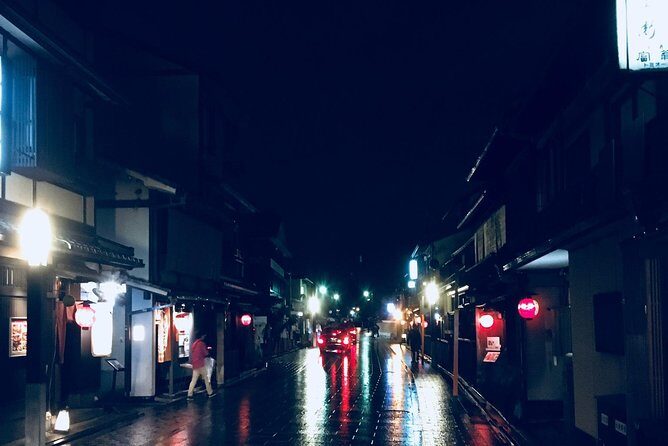
The big win here is the setup: you’re not just buying a list of sights. You’re getting a guide who can translate, explain, and adjust the flow for your group. That matters in Kyoto, where signage and temple/shrine context can turn into a guessing game fast.
I also like that the tour is designed as a short, focused day slice. Four hours is long enough to see meaningful places like Tofuku-ji and Fushimi Inari-taisha, but short enough that you can keep your energy for wandering after the tour ends in Gion.
The tour is also private, meaning only your group joins the experience. No shuffling around a larger crowd. No waiting for someone to take one more photo of the same angle.
Other private tours in Kyoto


Tofuku-ji Temple: Zen calm and Buddhist culture in one stop
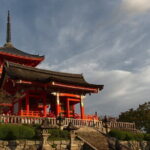
You’ll start at Tofuku-ji Temple, one of the well-known temple sites in Kyoto. The experience is built around learning about Buddhist culture in Japan while also giving you time to slow down in the serenity of the grounds and its Zen garden feel.
Expect about 1 hour here, with the admission ticket included. That’s practical. You avoid the extra “where do we line up?” stress at the beginning of the day, and you can focus on actually understanding what you’re looking at.
One small consideration: temples can be visually different depending on the season and time of day. If you care about how the garden looks, ask your guide what you should pay attention to during your specific visit. A good guide will know what details are worth your time.
Fushimi Inari-taisha and the 1,000 torii gates: best way to pace it
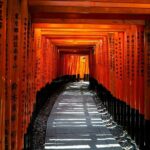
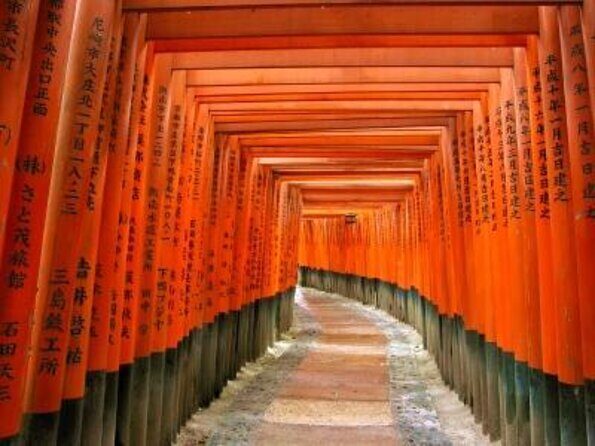
Next comes Fushimi Inari-taisha, famous for its 1,000 torii gates. This is the stop where your eyes do the work, because the scenery is the point: repeated gates, pathways, and the feeling of moving through a living landmark.
You’re scheduled for about 1 hour 30 minutes here, and admission is free. That means you’re not paying twice for the big headliner, which is a solid value detail.
Now, the pacing tip. Torii gates can pull you forward fast, but the joy comes from slowing down at moments: reading what you can, looking for patterns in the architecture, and enjoying the change in perspective as the path rises and bends. Wear comfortable shoes and keep water handy, since you’ll be moving on outdoor paths.
If you like structure, ask your guide how much walking is worth it versus turning back early. That one question can save your feet for later Gion wandering.
Gion: old streets, teahouse atmosphere, and easy walking time
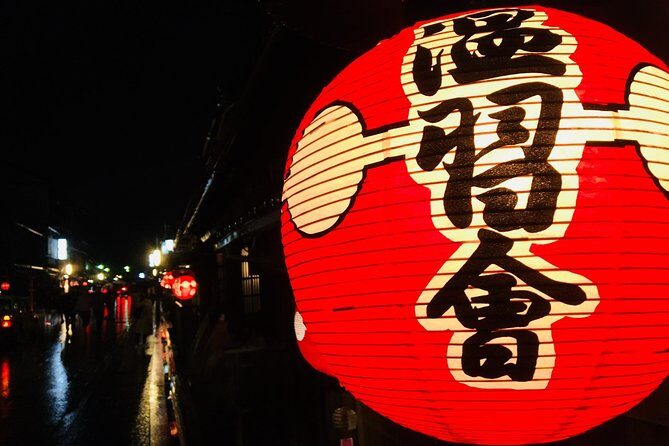
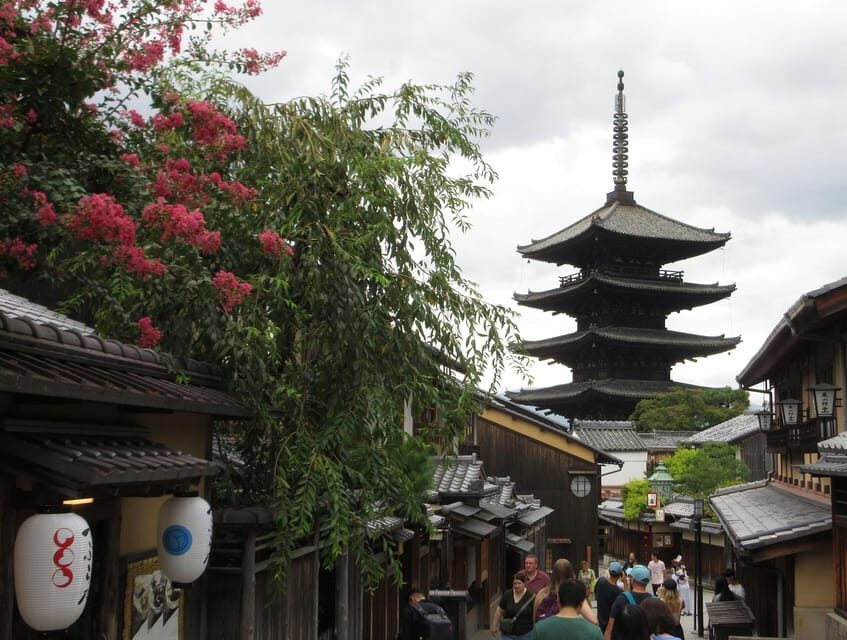
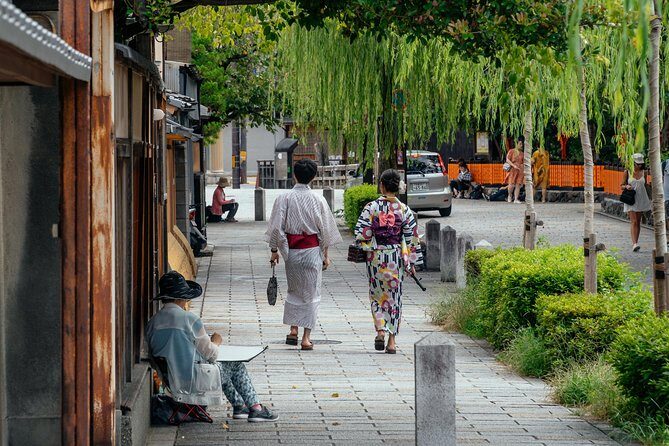
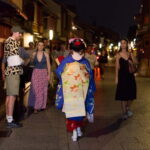
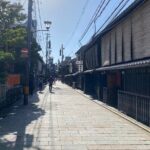
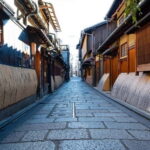
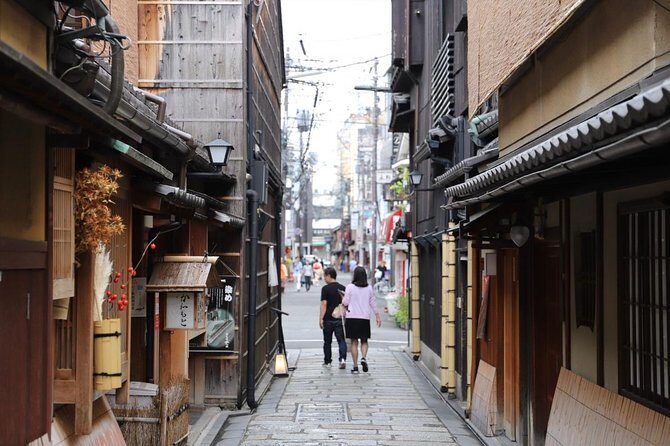
After the shrine adventure, the tour shifts into neighborhood mode with Gion. This is where Kyoto’s old-street style shows up in a more casual, human way: restaurants and teahouses close together, with the streets giving you a sense of how the area feels day to day.
You’ll get about 30 minutes here. The time is short on purpose. It’s enough for a slow walk and photo moments without turning your whole day into a single neighborhood loop.
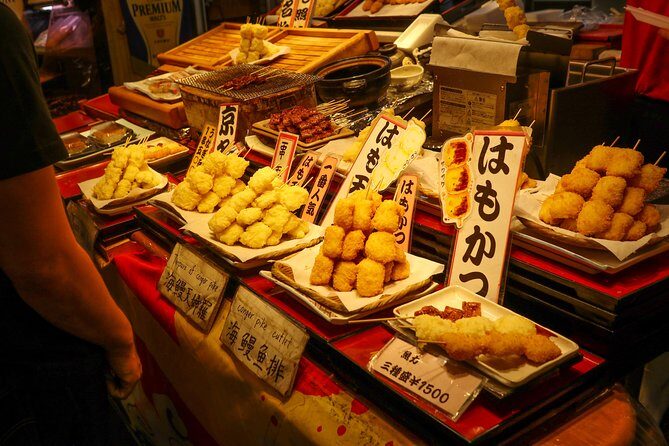
A practical way to use this half hour: look beyond the postcard street. Ask your guide where locals tend to pause, and where the street corners feel most atmospheric. In at least some guides’ approaches, they also point you toward good places for food and coffee nearby, which is useful if you’re trying to build the rest of your evening without overthinking it.
Yasui-Konpiragu: a quick shrine detour near Gion
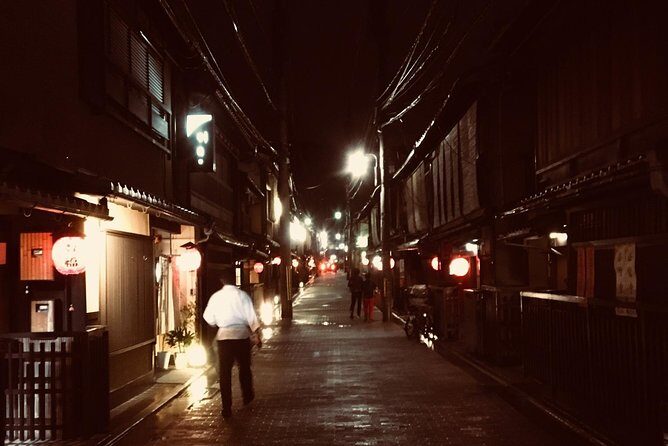
Just a short walk from Gion, you’ll visit Yasui-Konpiragu for about 20 minutes. The best part of this stop is that it’s described as a surprise shrine find, meaning it’s not just another name-drop. It’s a smaller, stop-you-in-your-tracks moment that fits naturally after the broader streets of Gion.
Admission is free, so the value here is mostly in what your guide helps you notice: the details, the feeling of the place, and how this shrine connects to the broader Kyoto spiritual landscape.
If you enjoy “one more stop” energy, this is the right kind of final add-on. If you prefer only major landmarks, you can still treat it as a quick palate cleanser before dinner.






How customization fits inside a 4-hour private day
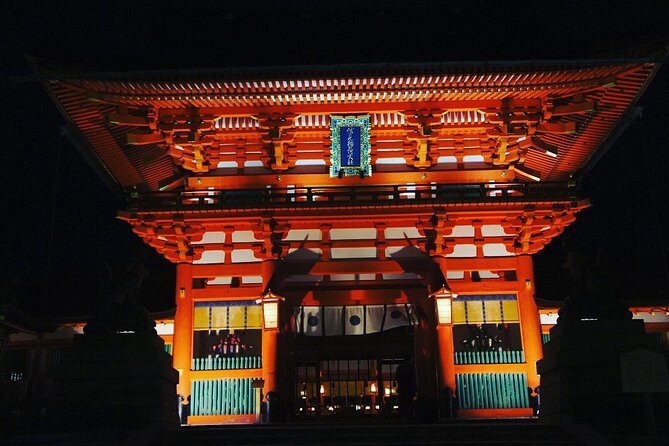
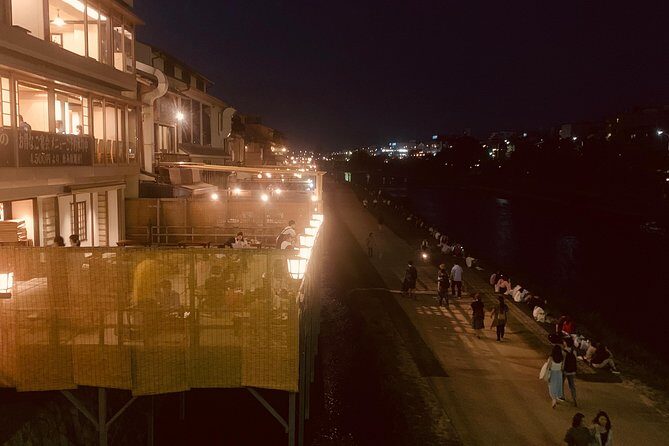
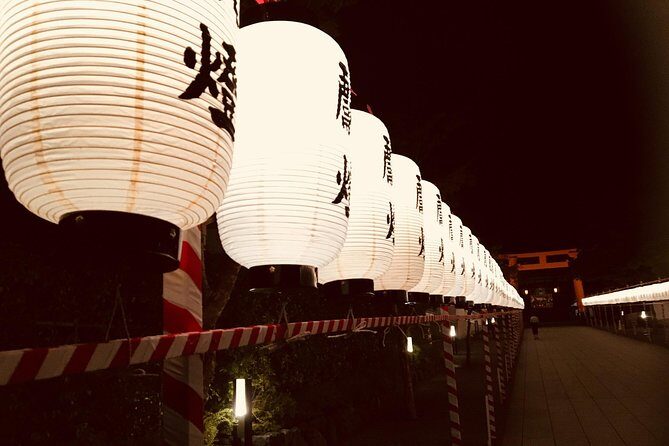
Even with a typical flow through temples and shrines, the tour is positioned as customizable. The guide can tailor the itinerary to your interests, whether that means more shrine and temple time, foodie hotspots, scenic nature spots, or even a night walking style in Gion.
You can also choose a time slot that matches your schedule. That flexibility matters if you’re dealing with jet lag, late arrivals, or you simply want your Kyoto highlights at the time when you feel most awake.
The tour also mentions options like a morning bike ride, a food-themed adventure, a guided hike, or a night walking tour in Gion. If any of those are more your style, ask early. With a private setup, your guide can often adjust the balance so you don’t end up doing a one-size-fits-all “temples only” day.
Price and value: what $130 gets you (and when it’s a great deal)
The price is $130 for about 4 hours. That’s private-tour pricing, so the value depends on how many people you’re traveling with and how much you care about translation, pacing, and added context.
Here’s what stands out as value in plain terms:
- Guide fee is included, which you’re paying for directly.
- Entrance fees at shrine or temple stops are included (with Tofuku-ji having an admission ticket included in particular).
- Admission at Fushimi Inari-taisha and the other shrine/neighborhood portions is free in the planned flow, so you aren’t being squeezed by extra ticket costs.
The one cost you should plan for is transportation, since it’s not included. In Kyoto, that can mean transit fares, taxis, or walking segments. If your group is staying near the starting area and you’re comfortable with a bit of walking, your real out-of-pocket may stay close to the tour price.
For a solo traveler, $130 can feel steep until you consider what you get: a guide who can translate and tailor the day. For two or more people, it often becomes a more satisfying deal because the private attention spreads across the group.
Where you meet and how the day ends in Gion
You’ll start at Starbucks Coffee – Kyoto Tower Sando, near Kyoto Tower Sando (Kyoto Tower area). This is a helpful meeting point if you’re arriving by train or want something easy to find before you head deeper into the city.
The tour ends in Gionmachi Minamigawa in Higashiyama. Ending in Gion is smart because it leaves you positioned for dinner, dessert, and that late-afternoon-to-evening wandering rhythm.
Practical tip: save the meeting spot in your map app and double-check the exact entrance area at Kyoto Tower Sando. Those complexes can have multiple Starbucks entrances, and it’s less stressful if you arrive ready.
What the guide adds beyond the sights
A big reason people recommend this type of private Kyoto guide is the human layer. In some instances, the guide is Ryo, and the vibe described is friendly, joyful, and humorous, with fluent English. That kind of guide makes the tour feel like talking with someone who genuinely cares, not like listening to a script.
But the most useful guide skill isn’t just storytelling. It’s pointing you toward choices that make your day smoother: where to eat, where to find coffee, and how to notice the right spots for geisha-area atmosphere in Gion.
Even if you’re not there for geisha specifically, the “where to look and where to stop” advice can improve your evening a lot. It also helps if you want to avoid turning your Kyoto day into a frantic checklist.
Who this private Kyoto tour suits best
This tour is a great fit if:
- You want private translation so you can actually talk and understand.
- You only have about half a day and want a focused route.
- You like the mix of major sights plus neighborhood mood (Tofuku-ji, Fushimi Inari, Gion).
- You want help adjusting the day to your interests, not just following a schedule.
It may be less ideal if:
- You want a longer temple circuit that covers more famous areas like the far-out districts of Kyoto.
- You’re okay navigating everything solo and don’t feel you need language support.
- You prefer full-day structure with lots of travel time between distant neighborhoods.
Should you book this private Kyoto tour?
If you’re choosing between doing Kyoto alone and paying for guidance, I’d book this kind of private tour when you value context and pacing. The included entrance fees, the translator setup, and the specific pairing of Tofuku-ji + Fushimi Inari + Gion is a strong mix for a first-timer who wants the essentials without wasting your day.
I’d also book if your group has different interests. One person wants temples, another wants food or scenic stops, and the private guide can adapt the balance within the four-hour window.
Just be sure you’re comfortable handling your own transportation and that you’re ready to meet at the Kyoto Tower Starbucks location on time. With that handled, this tour format is a smart way to get a Kyoto “greatest hits” taste while still feeling personal.
FAQ
How long is the Kyoto private tour?
The tour is listed as approximately 4 hours.
What does the tour cost?
The price is $130.
Is this a private tour?
Yes. It is a private tour/activity, and only your group participates.
Does the guide translate for you?
Yes. The tour description says there are no language barriers because the private guide translates for you.
Are entrance fees included?
Entrance fees at the shrine or temple are included. In the planned route, Tofuku-ji includes an admission ticket, while Fushimi Inari-taisha, Gion, and Yasui-Konpiragu are listed as free.
Do you get a mobile ticket?
Yes. The experience includes a mobile ticket.
Can you customize the itinerary and pick your time?
You can customize what you do on the tour, and you choose a time slot that fits your schedule.
Where is the meeting point and where does it end?
Meet at Starbucks Coffee – Kyoto Tower Sando (Kyoto Tower area). The tour ends at Gionmachi Minamigawa in Higashiyama.
Is transportation included?
No. Transportation fees are not included.
Are service animals allowed?
Yes, service animals are allowed.
Is there free cancellation?
Yes. You can cancel up to 24 hours in advance for a full refund.