Slow moments, big meaning.
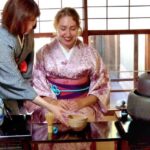
At Camellia Flower Teahouse in Kyoto’s Higashiyama Ward, you get a real matcha ritual taught in clear English, with hands-on practice and time to ask questions. What makes it interesting is the structure: you’re guided through the room, the utensils, and the steps before you make your own bowl. I like the small group size (max 8) because it keeps the experience calm and personal. I also like that you’re given the tools—tea bowl, scoop, and whisk—so you leave knowing what to do at home. One consideration: the tea room experience can feel simple and compact, and it’s not wheelchair accessible.
Plan for about 45 minutes, and treat it like a pause button in your Kyoto day.
This isn’t a rushed tasting or a quick photo op. You’ll learn what the gestures and cleaning steps mean, sip matcha with a seasonal sweet, and then whisk your own frothy tea. If you’re hoping for a huge, ornate production, you may find the room modest; if you want precision, ritual, and learning, that’s where this ceremony shines.
In This Review
- Quick hits you’ll actually care about
- Camellia Flower in Higashiyama: why this tea ceremony feels different
- Meeting point in Higashiyama: where to go and how to plan your time
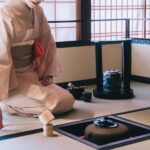
- Inside the tea room: utensils, room layout, and the rules that make sense
- The start: matcha basics, English teaching, and time for questions
- Sweet and matcha: what you sip and why it changes the pace
- Learning the steps: whisking technique and the precision people notice
- Your hands-on moment: making your own bowl of frothy matcha
- Photos, video, and how to capture the right moments
- Kimono rental: optional, but it changes how the day feels
- Comfort and inclusion: chairs, tables, and who should book
- Value for $36.48: what you’re really paying for
- Where this fits in your Kyoto day
- Should you book Camellia Flower in Kyoto?
- FAQ
- How long is the tea ceremony?
- How big is the group?
- Can I take photos or short videos?
- Is there a kimono option?
- Is the experience wheelchair accessible?
- What are the child age limits?
Quick hits you’ll actually care about
- Max 8 people keeps the pace unhurried and questions welcome.
- 45 minutes is the right length—long enough to learn, short enough to fit a sightseeing day.
- English-speaking instructors explain the steps and utensil meanings clearly.
- You make your own matcha (whisking a frothy bowl is the main event).
- Photos and short videos are permitted, so you can capture the moment without feeling like it’s forbidden.
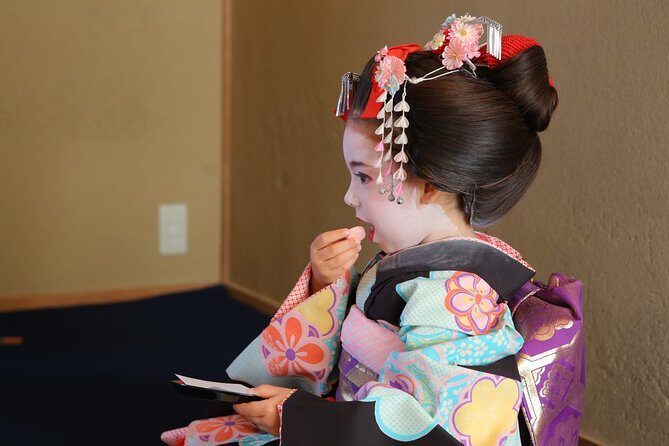
- Kimono rental is optional (extra charge), but it’s often worth considering for the full look-and-feel.
Camellia Flower in Higashiyama: why this tea ceremony feels different
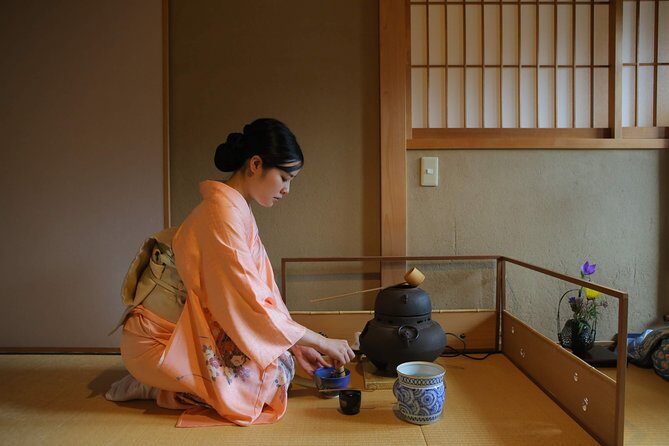
Kyoto can be loud even when it looks quiet. This tea ceremony gives you a controlled, slower rhythm. You sit down, get oriented, and then move through the ritual step-by-step—washing tools, learning the room setup, and focusing on the whisking technique. The goal is not just to say you did it. The goal is to understand why each step matters.
What I like most about Camellia Flower is the learning-first format. You’ll get instruction on using the utensils and how matcha should look and taste when it’s properly whisked. That practical focus shows up again when you make your own bowl at the end, because you can immediately connect what you were taught to your own results.
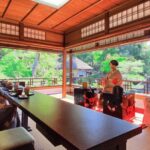
Also, the experience is built for real humans, not just perfect bodies. Chairs and tables are available if you prefer not to sit on the floor, and it’s a thoughtful touch for anyone who still wants the ceremony without unnecessary suffering.
A few more Kyoto tours and experiences worth a look
Meeting point in Higashiyama: where to go and how to plan your time
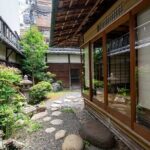
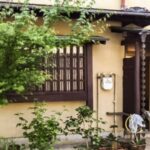
You’ll meet at Tea Ceremony Camellia Flower, 349-13 Masuyachō, Higashiyama Ward, Kyoto, 605-0826. The area is convenient for Kyoto sightseeing and it’s near public transportation, which matters because Kyoto days often depend on train timing and short walks.
Because the ceremony itself is about 45 minutes, you’ll want to plan your day like this: arrive a few minutes early, use that buffer to slow down instead of rushing in. In practice, that means you’re not trying to cram dinner, a temple, and shopping into the same tight window.
One more thing: this is a mobile ticket experience, so make sure your phone battery is happy. It sounds basic, but Kyoto walking plus switching trains plus one more scan can be tiring. Make life easy before you get there.
Inside the tea room: utensils, room layout, and the rules that make sense
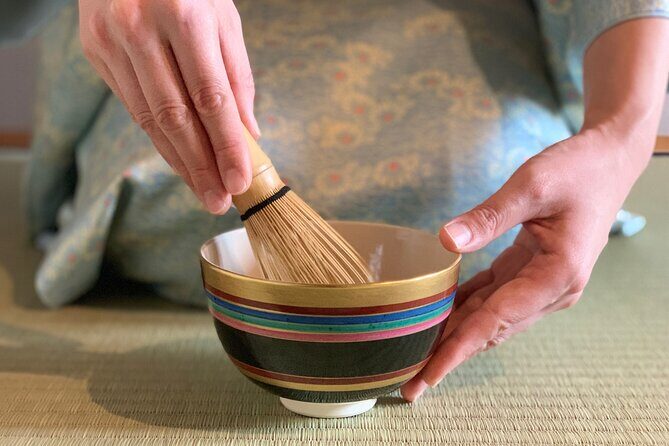
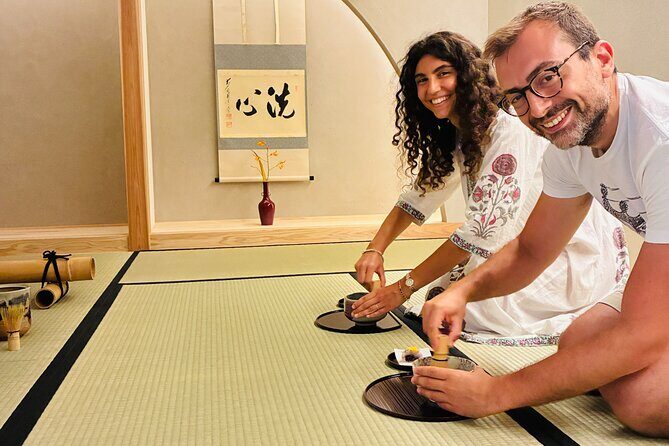
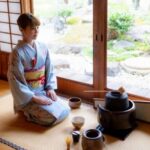
The tea ceremony isn’t only about matcha. It’s about how the space shapes your behavior. Early on, your instructor explains the steps and why the layout and decoration in the room matter. That’s the part that helps you stop treating the ritual like a set of random gestures.
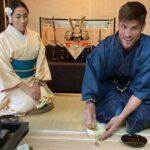
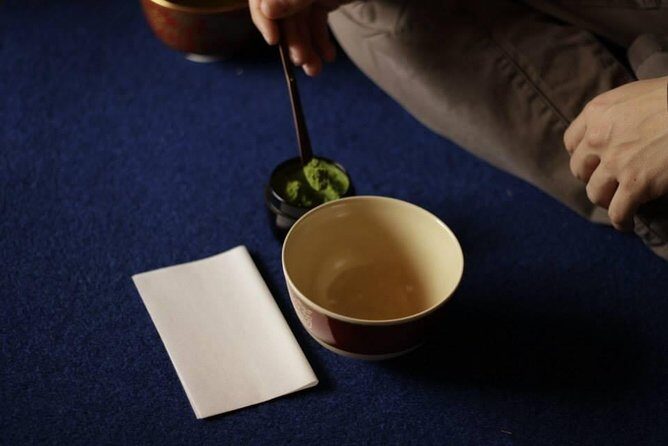
You’ll be provided with what you need to participate: a tea bowl, tea scoops, and a tea whisk. The host will talk you through how to handle everything with care. Even if you’ve never whisked matcha before, the guidance is designed so you can actually do it, not just watch.
The ceremony also sets expectations. You’ll hear the mindset behind the practice—respect, attention, and calm focus. One small note from experience-style feedback: some people find the room itself plain rather than fancy, so if you’re expecting a palace-like tea set, adjust your expectations. The value here is the instruction and the practice.
The start: matcha basics, English teaching, and time for questions
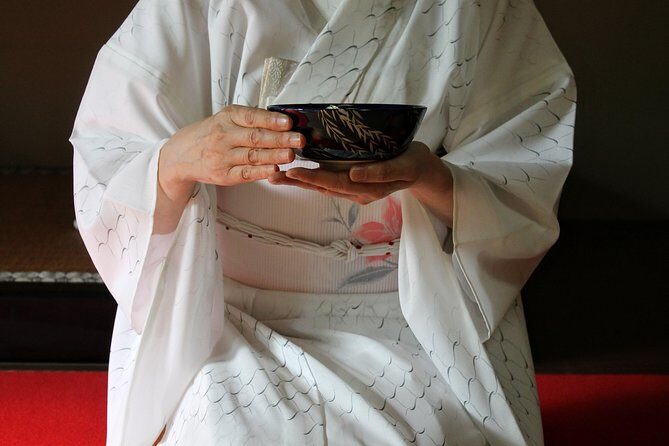
At the start of your session, your host gives a quick introduction to the world of matcha and where tea ceremony fits inside Japanese culture. Then your personal instructor explains what you’ll do and why. This is one of those experiences where asking questions really pays off, because the answers help connect the ritual to what you see around Kyoto.
You should expect English-speaking instruction. The info says instructors speak English fluently and come from one of Kyoto’s three main schools of tea ceremony. That matters because school-to-school emphasis can shape how you learn the steps, and it reduces the chance that you’ll leave with a confused, generic version.
Most sessions include time to chat. If you’re curious about Japan—food culture, etiquette, or why tea ceremony developed as it did—this is a good spot to ask. The ceremony format naturally slows the conversation down, which is kind of rare on a packed trip.
Sweet and matcha: what you sip and why it changes the pace
You’ll enjoy a seasonal sweet along with your matcha. That pairing isn’t random. In tea ceremony culture, the sweet is part of setting the tone—something to take the edge off and help you focus on the matcha flavor afterward.
Matcha itself is the main event, and learning how it should taste is part of the point. You’re not just tasting a beverage; you’re training your senses to notice texture and aroma. When whisked correctly, matcha becomes frothy and smoother than what most people get when they use shortcuts at home.
And yes, this is also a calming intermission. Even if you’re the type who plans every minute of a Kyoto day, tea ceremony tends to slow your breathing. The effect is practical, not mystical: you’re sitting, listening, and focusing, which is exactly what you need after walking the streets for hours.



Learning the steps: whisking technique and the precision people notice
One theme that keeps showing up is precision. Tea ceremony has a reputation for being fussy, and here’s the truth: it can look simple, but it’s not effortless. The instruction focuses on the basics you can actually control—how you handle the utensils, how you whisk, and what the process should feel like.
Your instructor will walk you through the sequence before you perform it yourself. They’ll explain the importance of the room and the order of actions. You’ll also learn the meaning behind cleansing actions, which can feel abstract until you connect it to the idea of respect and readiness.
If you’re the kind of visitor who likes learning “how,” this is a good fit. You’ll understand not only what to do but what the details are trying to achieve. That makes your own bowl at the end more satisfying, because you’ll recognize when your whisking is working.
Your hands-on moment: making your own bowl of frothy matcha
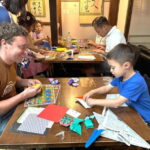
The ceremony ends with a hands-on payoff: each guest has the chance to make their own bowl. This is where the experience becomes more than watching. If you’ve ever tasted matcha and wondered why yours never looks like the café version, this is the moment that teaches the mechanics.
You’ll master the basics of tea making using the tools provided. The instructor guides you through technique, and you get feedback based on what you’re doing. The goal is not perfection on the first try—it’s building the foundation so you can repeat it later.
This is also why the 45-minute length works. Shorter sessions can turn into passive viewing. Longer sessions can be more impressive but also hard to fit. Here you get enough time to learn the steps, sip your matcha, and try your own bowl before you’re sent back out into Kyoto life.
Photos, video, and how to capture the right moments
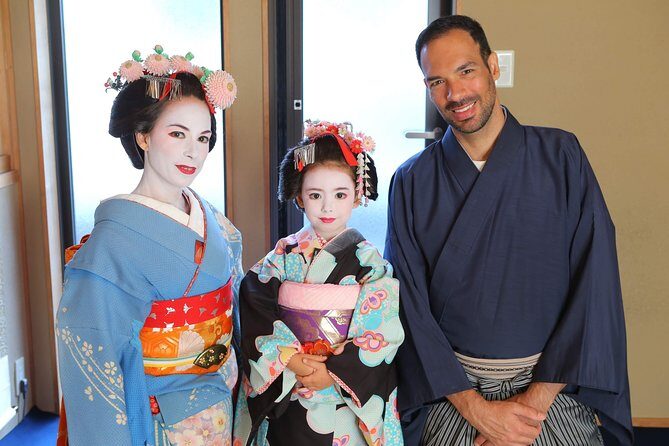
Good news: photos and short videos are permitted. That’s helpful because tea ceremony has a visual side—utensils, the room arrangement, and the calm ritual flow.
The practical tip: take photos without turning the ceremony into a production. If you’re filming the whisking too much, you may miss the small instructions that help you do it right. I’d treat your camera like seasoning: use it, don’t drown out the experience.
If you’re the type who values documenting, you’ll have enough flexibility to capture the look of the tea room and your tools. If you’d rather be present, you can still get plenty of “one or two good shots” without feeling like you’re breaking any rules.
Kimono rental: optional, but it changes how the day feels
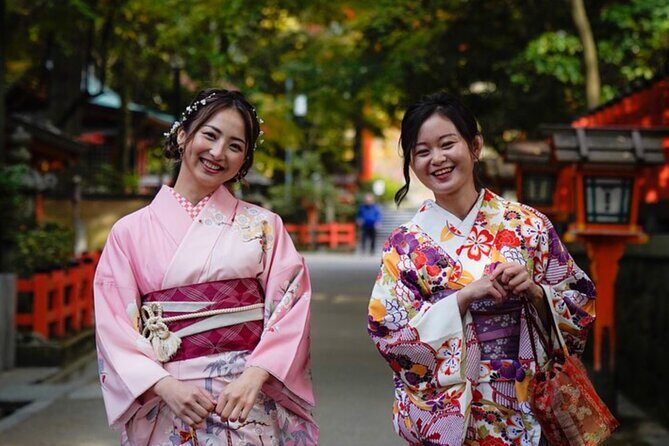
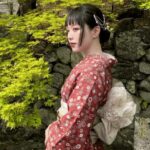
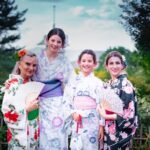
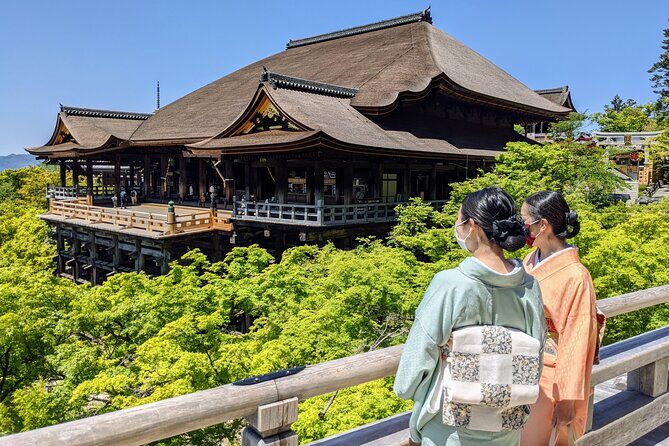
Kimono rental can be requested by message for an additional charge. The listing information also notes this option, and feedback suggests it adds authenticity and makes the whole experience feel more immersive in the cultural sense.
Here’s the practical angle: wearing a kimono changes your movement and your sense of ceremony. You’ll slow down naturally. You’ll also be more visually “in frame” for photos, which is why people who like photos often say it’s worth it.
If you’re traveling light or already have a plan for kimono elsewhere, you can skip it. But if you want this activity to feel like a strong cultural moment in your itinerary, consider the extra cost.
Comfort and inclusion: chairs, tables, and who should book
This is for all ages, but there’s a clear age cutoff: children under 6 can’t join. Group size is limited to maximum 8, which tends to make the pace manageable for families and solo travelers.
Accessibility is the main consideration. The experience is not wheelchair accessible. Still, chairs and tables are available, which helps a lot for people who don’t want to sit on the floor. Service animals are allowed, and it’s near public transportation, which supports easier arrival and departure.
Who is it best for?
- People who want a hands-on cultural lesson rather than just sightseeing.
- First-timers to Japan who want a calm entry point into Japanese etiquette.
- Anyone who likes matcha and wants to learn how to make it properly.
If you’re highly mobility-limited, the chair option may help, but the lack of wheelchair accessibility means you should plan carefully before booking.
Value for $36.48: what you’re really paying for
At $36.48 per person for roughly 45 minutes, the biggest value isn’t the tea itself. It’s the instruction plus the practice.
You’re paying for:
- An English-speaking instructor who teaches the steps clearly.
- Access to the utensils you need to participate, not just watch.
- A structured session that ends with you making your own bowl.
- A small group cap (max 8) that usually means less waiting and more attention.
Also, the info notes group discounts, and you may see better value if you have a small group in Kyoto already. Still, even solo, the “learn + do” format justifies the price more than a passive tasting.
For budgeting, think of this as a culture class that happens to include tea. You’ll leave with technique you can use again at home.
Where this fits in your Kyoto day
Tea ceremony is perfect after a morning of temples or before a late afternoon stroll through Higashiyama. It resets your brain. It also fits well because it’s not a half-day activity.
I’d avoid stacking it right after something that requires heavy focus and noise, like a big shopping sprint. Let tea ceremony be the quiet block. You’ll get more from the instructions when your mind isn’t already overloaded.
And remember: this experience requires good weather. If weather gets bad, the option is to reschedule or get a full refund, so keep an eye on conditions for that day.
Should you book Camellia Flower in Kyoto?
Book it if you want a small-group, hands-on matcha lesson taught in clear English, with time for questions. This is a smart choice for first-timers and repeat visitors alike because you’re not just consuming culture—you’re learning a technique and understanding the ritual logic behind it.
Skip it (or at least reconsider) if you need a highly luxurious setting or guaranteed fancy visuals. The room can feel modest, and the ceremony is more about precision and practice than spectacle. Also, if wheelchair accessibility is essential, this one won’t work due to the stated access limitations.
If your ideal Kyoto day includes calm focus, learning something you can recreate at home, and enjoying a seasonal sweet with properly made matcha, this tea ceremony is a strong pick.
FAQ
How long is the tea ceremony?
Plan around 45 minutes for the ceremony.
How big is the group?
The experience has a maximum of 8 travelers per group.
Can I take photos or short videos?
Yes. Photos and short videos are permitted during the ceremony.
Is there a kimono option?
Kimono rental is not included, but you can request it by message for an additional charge.
Is the experience wheelchair accessible?
No. The activity is not wheelchair accessible.
What are the child age limits?
Children under 6 years old cannot join the experience.