A bento class is the fastest way to learn Japanese food. This Kyoto cooking session has a clear structure: you get chef demonstrations first, then you cook your own bento with hands-on guidance. You also leave with recipe copies, so the lesson doesn’t end the moment you wash your hands.
I especially like how the class is designed for real people, not fancy chefs-in-training. The small format (max 8 per booking) makes it easier to get help when your rolled egg or tempura batter gets a little dramatic. The one drawback to plan around: you’re cooking in the morning, and lunch only happens at the end, so go in hungry rather than skipping breakfast.
In This Review
- Key Things to Know Before You Go
- Bento Box Cooking Class in Kyoto: Why This One Fits Real Travel Days
- Cooking Sun Kyoto: Location, Timing, and How the Class Runs
- The Bento Story You’ll Hear Before You Cook
- Chef Demonstrations: What You Watch Closely (and Why)
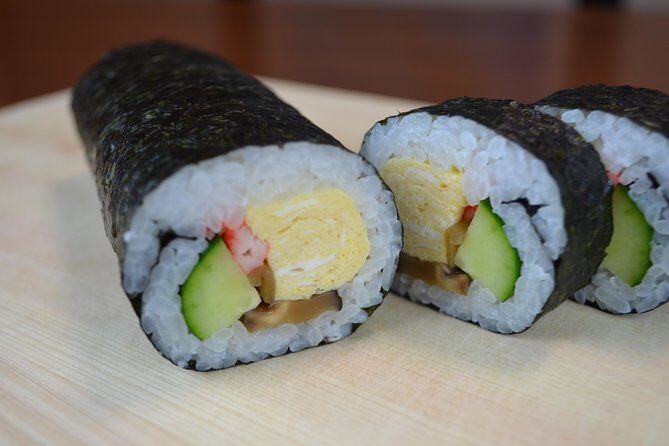
- Hands-On Bento Making: Sushi Rolls, Tempura, and Rolled Egg
- Why tempura and sushi are a big deal here
- A note on supervision
- Food Allergies and Dietary Needs: How to Set Yourself Up Safely
- The Bento Lunch Moment: Sitting Down to Eat What You Made
- One practical tip: don’t skip breakfast
- Recipes to Take Home: Making the Bento Again (Without Stress)
- Price and Value: Is $71.35 a Good Deal in Kyoto?
- Who This Bento Class Is Best For
- Quick Considerations Before You Book
- Should You Book This Bento Box Cooking Class?
- FAQ
- What time does the Bento Box Cooking Class start in Kyoto?
- Where does the class meet?
- What is included in the price?
- Are food and drinks included?
- Is the class taught in English?
- How many people are in each class?
- Do they accommodate dietary requirements?
- Can I cancel and get a full refund?
Key Things to Know Before You Go
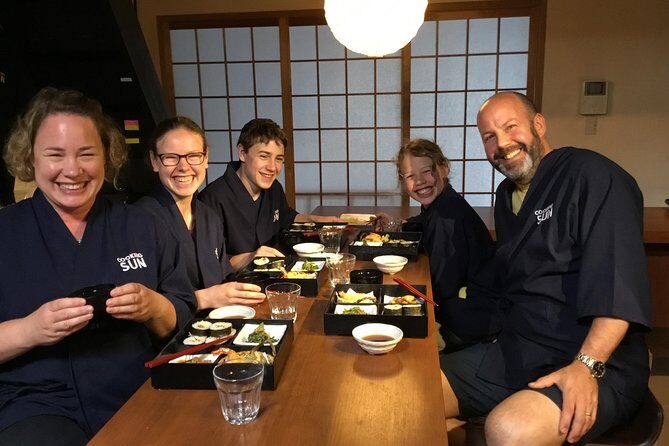
- Small-group focus: up to 8 people per booking, with English-speaking instruction and plenty of supervision.
- Seasonal menu changes: the dishes can shift every three months based on what’s best and freshest.
- Hands-on cooking, not just watching: you’ll make multiple bento components, then eat your box for lunch.
- Food allergy support: the staff takes allergies seriously and communicates clearly about what’s happening.
- You get recipes to take home: written copies let you repeat the dishes for friends and family.
Bento Box Cooking Class in Kyoto: Why This One Fits Real Travel Days
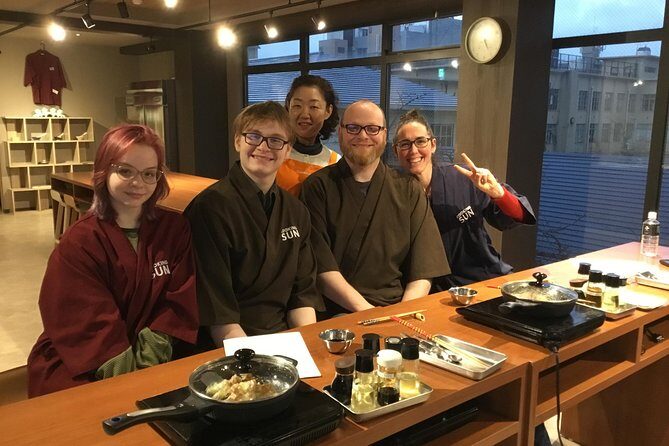
If you want Kyoto food without a time-sink, this is a smart match. Bento is built for convenience—each bite has a job, each part fits, and the whole box travels well. Learning how that all comes together teaches you more than just recipes; it teaches how Japanese home cooks think about portioning, timing, and flavor balance.
You also get a practical win: you leave with components and techniques you can reuse. Tempura isn’t just about frying; it’s about textures and timing. Rolled egg isn’t just cute—it’s control, heat, and the patience to build layers. When you understand those basics, you can adapt later.
The class is also structured to work for different skill levels. Most of the cooking is taught step-by-step, and the vibe stays relaxed. That matters in a foreign kitchen, where one missed instruction can ruin your whole plate.
Other cooking classes in Kyoto


Cooking Sun Kyoto: Location, Timing, and How the Class Runs
Your day starts at Cooking Sun, located at 679 Funayachō, Shimogyo Ward, Kyoto (600-8466). The session starts at 9:30 am, and the experience ends back at the starting point. It’s near public transportation, so you’re not forced into complicated transit planning.
You’ll use a mobile ticket to get in, and you’ll get an apron provided as part of the class. The meal side is handled too: lunch is included, and ingredients for the cooking are included as well. In other words, you’re paying for a guided, ingredient-based cooking session that ends with what you made.
One more detail that matters: maximum 8 travelers per booking. That small size is a big reason so many people describe feeling individually supported. It’s the difference between struggling alone at a cutting board and getting corrections before things go off track.
The Bento Story You’ll Hear Before You Cook
This class starts with context, not just technique. You begin with background on the origins of bento and why it became such a standard convenience food. The lesson includes how the term traces back to the 13th century, when the Song Dynasty used the word bento as slang for something convenient.
Then the chef links that history to modern bento behavior: the mix of savory and fresh, the “ready to go” mindset, and the idea that each section in the box should make sense together. You’ll also learn how the menu is planned around seasonal ingredients, with dishes adjusted every three months.
What I like about this setup is that it gives your cooking a reason. Instead of treating each dish as random items, you start thinking like a bento maker: build compartments, balance flavors, and keep textures from turning soggy.
Chef Demonstrations: What You Watch Closely (and Why)
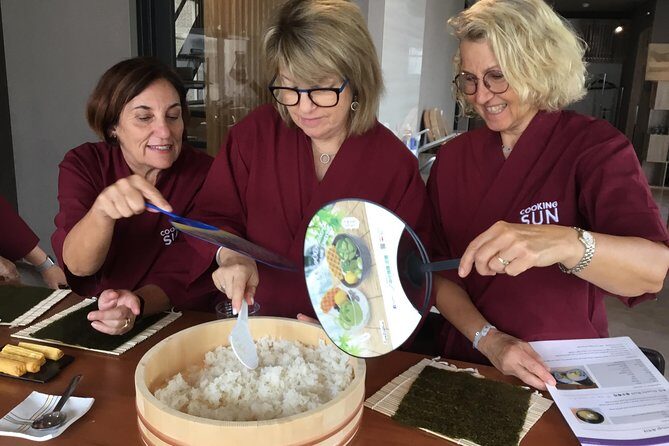
Before you take over the stove, you’ll watch Japanese master chefs demonstrate the key cooking techniques behind bento staples. Expect demos that match what you’ll later make—so you can “see the finish line” before you start.
From the class descriptions and the many positive experiences people shared afterward, these techniques often include:
- dashi (the base for miso soup)
- soy sauce use, including different types or colors (one participant singled out tips about when to use which)
- rolled egg construction
- tempura process and frying timing
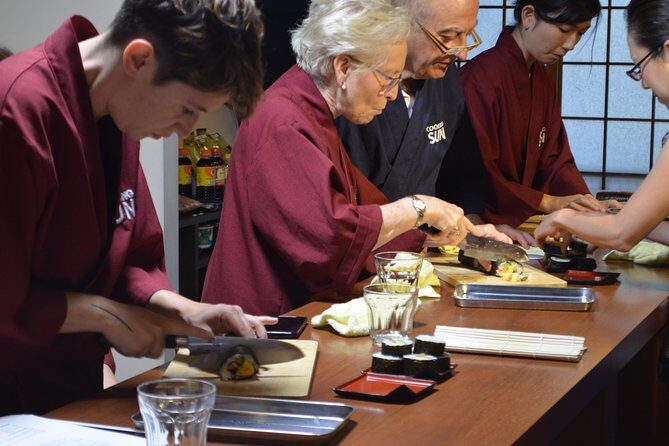
- sushi rolling, including how to roll neatly
Even if you cook at home, watching a Japanese instructor’s method can change your habits fast. The goal isn’t fancy performance. It’s consistency—making something that holds together, tastes right, and looks decent in a box.
Hands-On Bento Making: Sushi Rolls, Tempura, and Rolled Egg
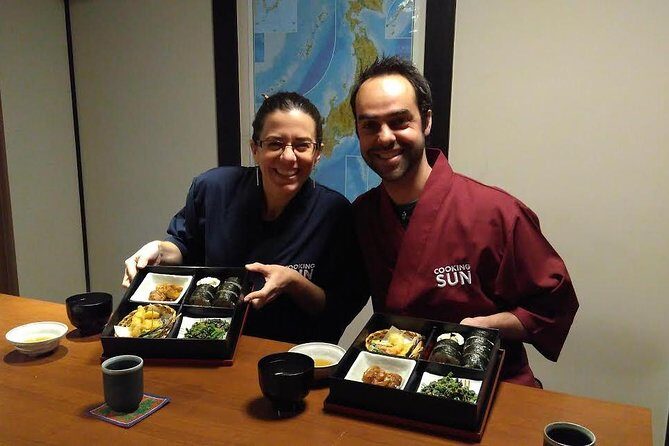
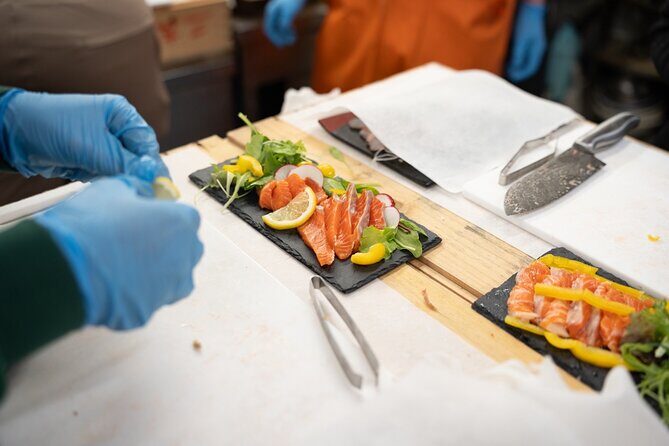
This is where the class becomes fun in a very practical way: you get to cook. The experience is designed so you don’t spend the whole time observing. Depending on the seasonal menu, you may create several bento specialties such as miso soup, tempura vegetables, and egg rolls.
Many past classes include an impressive mix of items, and the repeated favorites are worth noting:
- Tempura (shrimp and vegetables show up in several descriptions)
- Teriyaki chicken and other bento-friendly mains
- Spinach with sesame type sides
- Omelet-style elements (varies by menu)
- Sushi rolling for at least one roll component
- Rolled egg (often described as a highlight, including layered versions)
A few more Kyoto tours and experiences worth a look



Why tempura and sushi are a big deal here
Tempura teaches you control. Batter consistency, heat, and timing matter, and small mistakes show up immediately. Sushi rolling teaches you structure—how to distribute rice and fill carefully so the roll slices cleanly.
People also emphasized that ingredients are often set up in advance, so you’re not stuck doing every bit of prep yourself. That means more time actually cooking and assembling, which is what you want on a limited travel schedule.
A note on supervision
With small-group instruction, you should feel comfortable asking questions. Several people pointed out the instructors were precise, patient, and clear—especially when helping with technical parts like sushi rolling or rolled egg layering.
One review specifically described a setup where three chefs supervised about twelve people, which suggests you may still see a strong instructor-to-cook ratio even when more than one group is running. Either way, the repeated theme is hands-on help when you need it.
Food Allergies and Dietary Needs: How to Set Yourself Up Safely
If you have food allergies, this class can still be a good choice—but you need to communicate early. The experience asks you to advise any specific dietary requirements at time of booking, and multiple experiences praised the staff for being careful and helpful with allergies.
The practical takeaway for you:
- Tell them your needs clearly during booking.
- If you’re unsure what’s inside a sauce or garnish, ask on arrival.
- Don’t assume “Japanese cooking means safe.” Even common items can vary.
The positive allergy-focused feedback is a strong signal that the team treats this seriously and explains what’s going on, which is exactly what you want in a hands-on kitchen.
The Bento Lunch Moment: Sitting Down to Eat What You Made
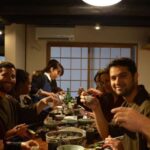
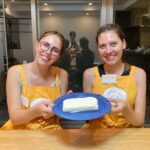
At the end, you stow your knife and apron and sit down with the group to enjoy the bento you assembled. Lunch is included, and the feeling here is pure payoff: you made it, you understand the pieces, and you finally get to eat while it’s at its best.
Many people described the lunch as more than they expected—one person mentioned their made bento was a lot more than they could eat. That’s good news for value, because you’re not just tasting tiny samples. You’re eating a real meal.
One practical tip: don’t skip breakfast
More than one person recommended eating before class. Since your hands get busy and the food doesn’t hit the table until the end, starting the morning on an empty stomach can be rough. If you’re the type to “save room for lunch,” do it slightly less aggressively and eat something light first.
Recipes to Take Home: Making the Bento Again (Without Stress)
A big reason this class gets such strong marks is the take-home support. After you finish your bento lunch, you’ll receive copies of the session recipes. That means you can recreate the dishes later instead of relying on memory and guesswork.
This matters for real life. Home cooking is where you’ll either keep the skills—or forget them. Written recipes help you repeat the steps, and the class teaches techniques you can reuse even if your exact ingredients change.
And because the menu is adjusted every three months, you can also treat your box as a template. If you learn how the pieces come together during one seasonal run, you’ll be able to make a similar structure later using what’s in season at your home market.
Price and Value: Is $71.35 a Good Deal in Kyoto?
At $71.35 per person for about 3 to 3.5 hours, you’re paying for more than “watch a chef.” You’re paying for:
- English-speaking instruction
- ingredients
- lunch
- apron
- a small-group teaching format (max 8 per booking)
- recipe copies to bring home
For many visitors, the value comes from the full package. If you tried to replicate this by buying ingredients yourself, you’d still need instruction for things like tempura timing and sushi rolling technique. Here, you’re buying the coaching plus the meal you produce.
Also, group discounts are mentioned, which can help if you’re traveling with another person or planning a small group. If you’re the one in the group who usually finds activities that are both fun and practical, this class is a solid bet.
Who This Bento Class Is Best For
This is ideal if you:
- like cooking or want hands-on practice
- want a food-focused activity that doesn’t require advanced culinary skills
- enjoy learning why food is made a certain way, not just how it’s made
- are traveling with a partner or family and want a shared activity
It’s also a good fit for beginners. Many people described the class as beginner-friendly and well organized, with clear instructions and enough patience in the room to get results.
If you hate hands-on cooking, you might find the structure too active for your tastes. But if you’re even mildly curious about Japanese convenience food culture, it’s a fun way to learn it directly.
Quick Considerations Before You Book
A few things to think through so you’re comfortable on arrival:
- Food and drinks are not included unless specified, so plan for that if you want extra beverages during the session.
- The menu may differ depending on timing because seasonal ingredients drive changes every three months.
- You’ll be cooking for about 3 hours, so wear clothes you don’t mind getting a little kitchen-life on.
- If you’re sensitive to allergies, book with your needs clearly stated in advance.
Should You Book This Bento Box Cooking Class?
Yes, if you want a hands-on Kyoto food experience that’s organized, small-group, and built to end with a satisfying lunch. The biggest wins for me are the mix of technique + culture, the strong instruction style people highlighted, and the fact that you leave with recipes you can actually use.
Book it if you’re hungry for practical skills like tempura timing, rolled egg layering, and sushi rolling—skills that go beyond one meal. Skip it only if you prefer eating your way through Kyoto rather than making food yourself, or if you’re not comfortable with a cooking-focused morning.
FAQ
What time does the Bento Box Cooking Class start in Kyoto?
The class starts at 9:30 am. It’s about 3 hours (approx.) and ends back at the meeting point.
Where does the class meet?
The meeting point is Cooking Sun, 679 Funayachō, Shimogyo Ward, Kyoto, 600-8466, Japan.
What is included in the price?
Lunch, all ingredients for cooking, an English-speaking cooking instructor, and an apron are included.
Are food and drinks included?
Food is included as lunch, but food and drinks are not included unless specified. So additional drinks may not be covered.
Is the class taught in English?
Yes. The class includes an English-speaking cooking instructor.
How many people are in each class?
There is a maximum of 8 people per booking, and the experience will have a maximum of 8 travelers.
Do they accommodate dietary requirements?
Yes. You’re asked to advise any specific dietary requirements at the time of booking, and the staff is described as careful and helpful with food allergies.
Can I cancel and get a full refund?
Yes. Free cancellation is available if you cancel up to 24 hours in advance for a full refund. If you cancel less than 24 hours before the start time, the amount paid is not refunded.