Kyoto clicks when you pedal it. This bike tour is a smart, active way to see northern Kyoto without the crowd-chaos, mixing major sights with calmer, less-hit places your feet would miss. I like that you get Cannondale bikes plus guidance from top guides such as Mayco, Julian, Indra, Jay, Quin, Karl, and Jamie, so you’re not just moving through places—you’re getting the story behind them. I also love that temple entrance fees are included along with lunch, so the day stays simple and you can focus on riding and photos.
One thing to weigh: you do need to be comfortable cycling for several hours. The route is manageable for active travelers, but it’s still a bike day, and you’ll feel it if you’re expecting a gentle stroll.
In This Review
- Key Points at a Glance
- North Kyoto by Bike: The Easy Win for First-Time Kyoto
- Cycle Kyoto Start: Bike Fitting, Water, and a 10:00 AM Roll-Out
- Stop 1: Nishi Honganji and Its Big Wooden Presence
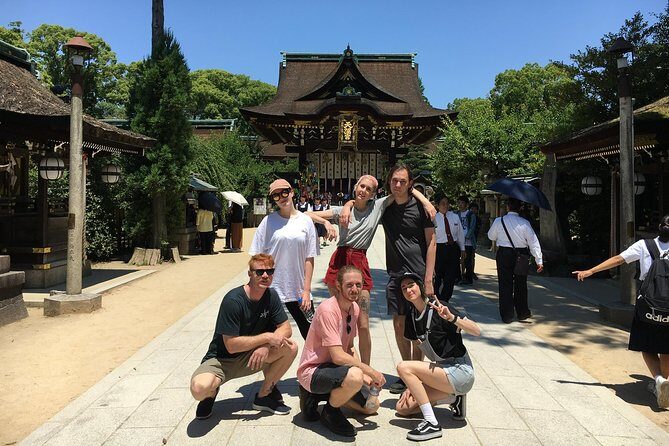
- Stop 2: Kitano Tenmangu Shrine, Where Locals Still Show Up
- Kinkakuji Golden Pavilion: Entrance Included and Time to Breathe
- A Ride Through Former Imperial Grounds
- Gion in Ten Minutes: How to See the Geisha District Without Stress
- Lunch in Kyoto: Japanese Food Included, with Options When You Need Them
- Pace and Distance: What Moderate Fitness Really Means
- Guides Matter: The Stories You’ll Actually Remember
- Price and Value: $106.12 for Bikes, Fees, and Lunch
- Weather and Rescheduling: Build Flexibility Into Your Day
- Should You Book This North Kyoto Bike Tour?
- FAQ
- How long is the bike tour?
- How much does the tour cost?
- What’s included in the price?
- Are temple entrance fees included?
- What time does the tour start, and where do we meet?
- Where does the tour end?
- What fitness level do I need?
- Is the tour suitable for kids?
- What about dietary requirements?
- What happens if weather is poor or the minimum number of travelers isn’t met?
- Can I get a full refund if I cancel?
Key Points at a Glance
- Small group size (max 8) makes the ride feel personal, not rushed.
- All cycling equipment is included, plus bottled water.
- Temple and shrine entrance fees are covered, including Kinkakuji.
- Lunch is included and planned to refuel you for the ride.
- A north Kyoto route that mixes big-name stops with quieter religious sites.
- Guides adjust to the group, focusing on comfort and safety.
North Kyoto by Bike: The Easy Win for First-Time Kyoto
If you’re trying to wrap your head around Kyoto in a short time, biking helps. It’s not just faster than walking. It also forces you to slow down in the right places—turn corners, stop for a viewpoint, and connect the dots between temples, shrines, and old neighborhoods.
This tour is built for that “orientation day” feeling. You cover famous sights like Kinkakuji (Golden Pavilion), then you also hit quieter stops such as Nishi Honganji and Kitano Tenmangu, where you can actually breathe and listen. The ride through smaller streets is where the city stops feeling like a checklist and starts feeling like a real place.
And because the group is capped at 8 people, you’re not stuck watching a guide recite facts from the back of a bus. Guides can actually steer the flow—waiting at intersections, slowing down for photos, and making sure everyone stays comfortable.
Other cycling tours in Kyoto


Cycle Kyoto Start: Bike Fitting, Water, and a 10:00 AM Roll-Out
The day begins at Cycle Kyoto at 7 Higashikujō Nishisannōchō, Minami Ward. You meet your guide and the rest of the group, then get your bike fitted before you head out. The tour includes a high-quality Cannondale bike, which matters more than it sounds. A good fit and a bike that feels stable make the difference between a “bike day” and a “good bike day.”
You’ll also get bottled water during the ride. That’s a small line item, but it’s a big deal in Kyoto, where even a sunny day can feel warm once you’re moving for hours.
The tour runs about 5 to 6 hours total, starting at 10:00 am. Expect plenty of short breaks for temple time, photos, and regrouping, not one long nonstop pedaling push.
Stop 1: Nishi Honganji and Its Big Wooden Presence
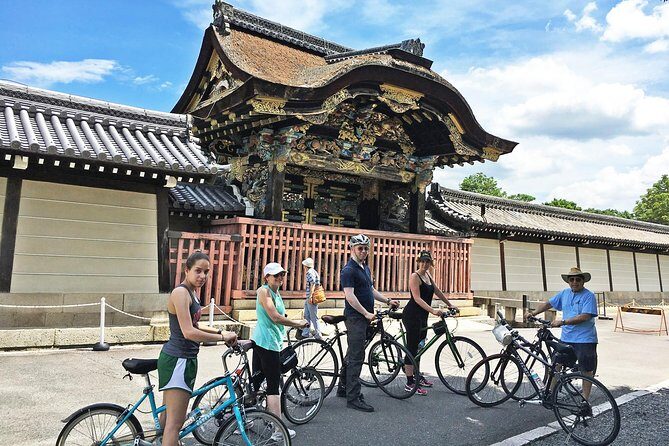
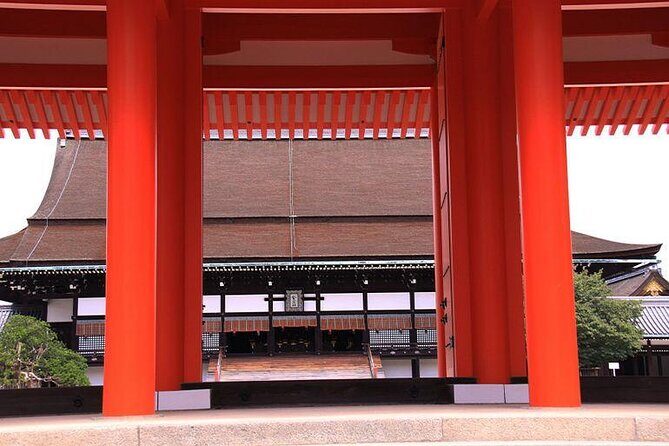
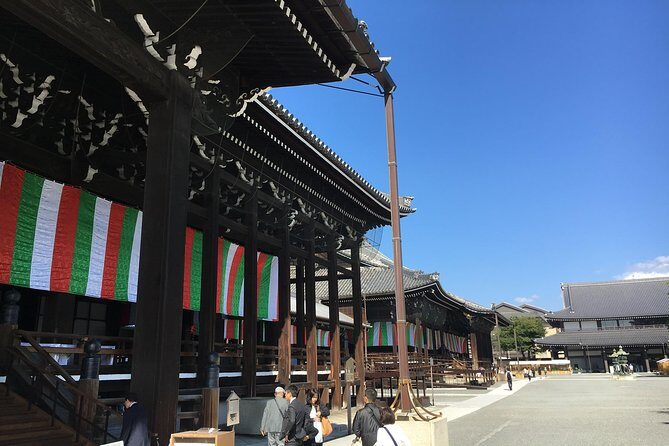
One of the best tricks this tour pulls is starting with a religious site many visitors skip. Nishi Honganji is described as one of the least visited in the city, yet it’s also home to one of the world’s largest wooden building structures. That combination is powerful.
Here’s what you should pay attention to as you enter:
- Scale. This isn’t just a pretty courtyard. The architecture is a key part of why the site matters.
- Quiet details. When a place isn’t packed, you can actually notice how it’s built and how people move through it.
- The guide’s commentary. Your guide helps you connect the site to broader religious and cultural context, so it feels less like random sightseeing.
It’s scheduled for about 15 minutes, which is right for this kind of stop. You get enough time to see what’s important without turning the day into “sit and wait.”
Stop 2: Kitano Tenmangu Shrine, Where Locals Still Show Up
Next comes Kitano Tenmangu Shrine, and the tone shifts. This stop is all about local rhythm. You join shrine goers and get a sense of what it feels like when the site is part of everyday life, not only a tourist stop.
The tour includes about 20 minutes here. That time window is useful because it gives you room to:
- Observe without feeling hurried.
- Take a few photos, then step back and just watch.
- Let the guide explain why this shrine has the past it does.
This is the kind of stop where a guide’s stories help you understand what you’re looking at, especially if you don’t know much about shrine traditions yet.
Kinkakuji Golden Pavilion: Entrance Included and Time to Breathe
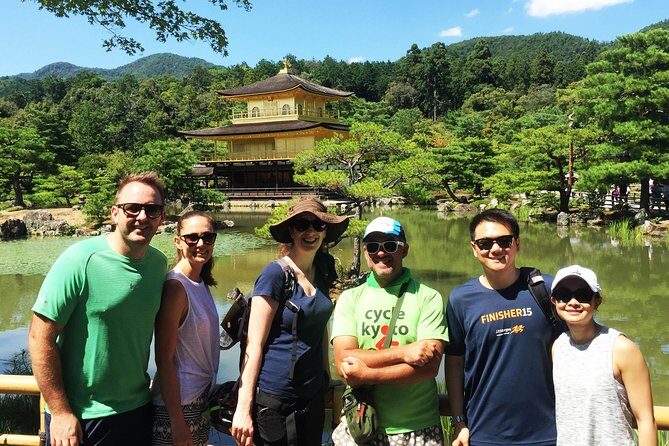
Then you reach the star: Kinkakuji Temple, the Golden Pavilion. This is one of Japan’s most visited attractions, and you’ll see why—its look is instantly recognizable.
The tour includes the temple entrance fee here, plus a guided commentary and time to enjoy the place at a calmer tempo than most independent plans. You’ll also get an ice cream stop during this segment, which is both practical and morale-boosting.
What to expect for this stop:
- You’ll spend about 30 minutes at Kinkakuji.
- Your guide will point out what matters so you’re not just photographing the same angle.
- There may be some riding effort leading up to this area. A later downhill stretch is common on routes that reach the Golden Pavilion area, and it can feel like a reward once you’re there.
Even if you’ve seen pictures before, the real value is understanding the setting and why it’s arranged the way it is.
A few more Kyoto tours and experiences worth a look

A Ride Through Former Imperial Grounds
Between the major “headline” temples, the route includes a stretch where you ride through the grounds of the former seat of Japan’s imperial family. The point here is not that you’ll spend a long time inside a museum. It’s that the ride itself becomes a history lesson.
From the bike seat, you learn by motion:
- You notice how big properties used to be laid out.
- You get a sense of how the past shaped today’s city.
- You’re given context that helps you connect earlier religious stops to later city neighborhoods.
This kind of stop is perfect for people who like walking too, but still want the efficiency of biking.
Gion in Ten Minutes: How to See the Geisha District Without Stress
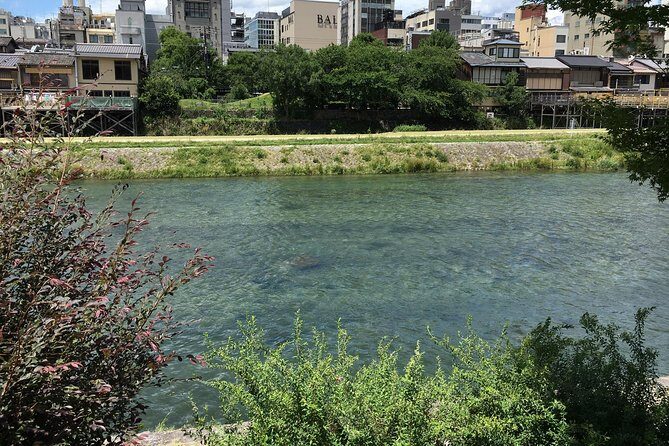
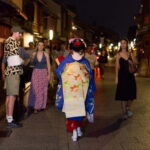
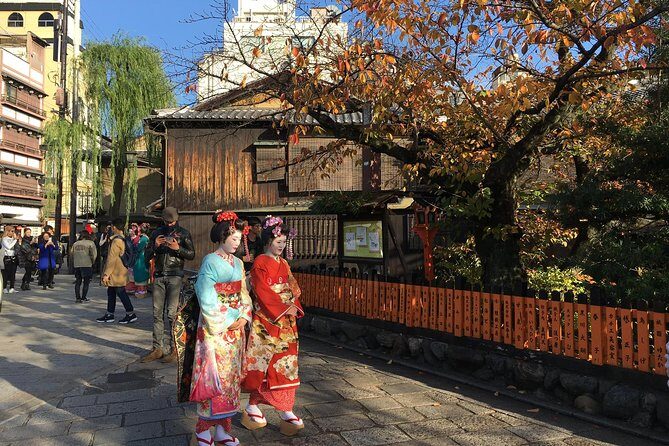
Finishing with Gion gives your day a Kyoto flavor shift. You’ll stop in the geisha district area for about 10 minutes, with time to explore the atmosphere and try to spot what makes Gion feel like Gion.
A reality check: Gion can be quiet. You might catch a glimpse of performers, but it isn’t a guaranteed show. Still, this quick stop works because:
- You’re not spending the whole day in crowds.
- The short visit gives you a taste.
- If you want more later, you’re already oriented.
This is the part where you’ll likely want to linger after the tour ends—if your energy holds.
Lunch in Kyoto: Japanese Food Included, with Options When You Need Them
You don’t just get a snack. You get lunch included, which is one of the reasons this tour feels good value.
Kyoto restaurant choices can vary day to day, and in practice you might get lunch at a traditional noodle place or a sushi spot. The key is that it’s planned as a real meal that keeps you fueled for the remainder of the ride.
A helpful detail: dietary needs should be shared ahead of time. That matters if you’re vegetarian or avoiding something specific, because the guide and restaurant need to plan for it. On family departures, vegetarian options have been handled, which is a strong sign the operation takes food seriously.
Also keep in mind: extra drinks aren’t included. If you know you drink a lot of water or want something beyond bottled water, budget for it.
Pace and Distance: What Moderate Fitness Really Means
Let’s talk effort. The tour is set for moderate physical fitness. You’re not doing mountain climbing, but you are riding long enough that comfort and stamina count.
From past experiences with this kind of route, the cycling often totals around 2.5 hours of riding time, with pauses for sightseeing. One typical distance cited is about 24 km / 13 miles spread over the full 6 hours range, with breaks and frequent stops.
Your guide controls the pace and route based on the group’s skill. This is especially reassuring if you’re not a daily cyclist. There’s usually enough structure in the schedule—short temple visits and regrouping stops—that you never feel like you’re sprinting between locations.
So who’s this best for?
- People who like being active but don’t want a training plan.
- First-timers who want a “see a lot, learn a lot” day.
- Anyone who prefers bike travel over crowded buses.
Who might struggle?
- Anyone who can’t comfortably ride a bike for several hours.
- People with injuries or mobility limits that make steady pedaling difficult.
Guides Matter: The Stories You’ll Actually Remember
What makes this tour feel different is the guide. The stronger guides in the group have a way of connecting religion, culture, and daily life in Kyoto.
You may hear explanations tied to:
- Differences between Shinto and Buddhism.
- How religions evolved in Japan.
- How geisha culture formed and what geisha do in modern Kyoto.
- Local customs that help you interpret what you’re seeing.
Guides like Indra and Quin are highlighted for mixing storytelling with careful biking support. Others—Mayco, Julian, Jay, Karl, and Jamie—are praised for the same two things: strong explanations and good group management.
You’ll also notice small human touches that make the day smoother, like learning names and keeping everyone together. That’s not marketing fluff. It directly affects comfort on a bike route.
Price and Value: $106.12 for Bikes, Fees, and Lunch
At $106.12 per person, the price looks fair when you look at what’s bundled.
Included items that change the math:
- A high-quality Cannondale bike
- Guidance
- Bottled water
- Lunch
- Temple entrance fees (including a major site like Kinkakuji)
If you were doing this independently, you’d pay for at least some combination of bike rental, admissions, and a way to route yourself through neighborhoods safely. This tour hands you a ready-made plan and a guide to keep you from wasting time guessing.
It’s also a value win because the group is small. You get personal attention without paying for a private guide.
To get the most for your money, do two things:
- Book this early in your Kyoto trip so you can use it as your base for later plans.
- Tell the team about dietary needs ahead of time so lunch is easy.
Weather and Rescheduling: Build Flexibility Into Your Day
This tour requires good weather. If poor conditions cancel it, you’ll be offered another date or a full refund. That flexibility is the right approach for a bike route.
My practical suggestion: if you can, schedule this for your first full day in Kyoto. If weather forces a change, you still have time to adjust your remaining sightseeing.
Should You Book This North Kyoto Bike Tour?
I think you should book if you want:
- A guided North Kyoto day that blends big sights and calmer religious stops
- A bike tour with equipment and entrance fees included
- A plan that includes lunch so you’re not hunting for food while tired
Skip it if:
- You’re not comfortable riding a bike for several hours
- You want long, unstructured time in one neighborhood (Gion is brief here)
For the right traveler, this is a smart way to get your bearings fast. You’ll come away knowing what you saw, why it mattered, and where you want to go next on foot.
FAQ
How long is the bike tour?
The tour is about 5 to 6 hours.
How much does the tour cost?
It costs $106.12 per person.
What’s included in the price?
The tour includes a high quality Cannondale bike, guidance, bottled water, and lunch.
Are temple entrance fees included?
Yes. Temple entrance fees are included, including Kinkakuji Temple.
What time does the tour start, and where do we meet?
It starts at 10:00 am. You meet at Cycle Kyoto, 7 Higashikujō Nishisannōchō, Minami Ward, Kyoto, 601-8003, Japan.
Where does the tour end?
The activity ends back at the meeting point.
What fitness level do I need?
The tour is for travelers with a moderate physical fitness level.
Is the tour suitable for kids?
Riders must be at least 13 years old and be comfortable riding a bike.
What about dietary requirements?
Dietary requirements need to be known ahead of time. Please let the provider know during booking.
What happens if weather is poor or the minimum number of travelers isn’t met?
The experience requires good weather. If it’s canceled due to poor weather, you’ll be offered a different date or a full refund. If the minimum number of travelers isn’t met, you’ll also be offered a different date/experience or a full refund.
Can I get a full refund if I cancel?
Yes. You can cancel up to 24 hours in advance for a full refund. If you cancel less than 24 hours before the start time, the amount paid isn’t refunded.