A good art class can change how you see a city. This one does it fast, in Kyoto, by pairing traditional ink practice with digital calligraphy on an iPad, then guiding you to create etegami picture letters.
I like that it’s taught by Ami and her team, with Ami’s background in digital art and her creative-school work through iPadmate kids. You’ll start with hands-on traditional calligraphy or suibokuga, take a tea-and-snack break, and then switch to an iPad session that turns your practice into something you can keep.
One thing to consider: this is a studio workshop, not a sightseeing tour. If you’re hoping for Kyoto landmarks or guided neighborhood wandering, you’ll want to pair it with your own plans.
In This Review
- What I’d Call Out First
- Entering the Studio: Studio Aya and the iPadmate Kids World
- The 90-Minute Plan: Tea Break, Ink Skills, and Digital Postcard Letters
- Traditional Calligraphy or Suibokuga: Brush Strokes With a Zen Focus
- The Tea Break That Makes the Second Half Easier
- Digital Calligraphy on iPad: Turning Technique Into Etegami Picture Letters
- What You’ll Create: Calligraphy, Suibokuga, and Etegami You Can Keep
- Price and Value: Is $72 Worth 90 Minutes in Kyoto?
- Who This Workshop Suits Best (and Who Might Skip It)
- How to Prepare: What to Expect From Your First Stroke
- Should You Book Studio Aya’s Calligraphy & iPad Workshop?
- FAQ
- How long is the Calligraphy & Digital Art Workshop in Kyoto?
- What time does the workshop start, and where is the meeting point?
- Is the tour private?
- What will I learn during the workshop?
- What’s included in the price?
- Do I need to bring my own iPad or art supplies?
- Is transportation included?
- Can I cancel for a full refund?
- Is the workshop near public transportation?
What I’d Call Out First
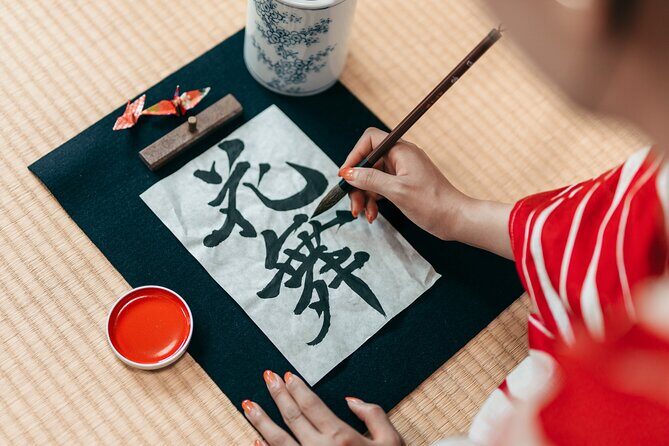
- Traditional brushwork coaching before you touch the iPad, so you’re not just playing with effects
- Digital calligraphy that leads somewhere: you finish with Japanese picture letters (etegami)
- Relaxed pacing with a built-in break for tea and snacks
- Private group format means the instructors can tailor help to your pace
- Beginner-friendly structure since you learn both on paper and on iPad
Entering the Studio: Studio Aya and the iPadmate Kids World
You start at iPadmate kids (Studio Aya) at 47 Daikokuyachō, Kamigyo Ward, Kyoto 602-8055. The session runs about 1.5 hours, and it’s scheduled to begin at 3:00 pm. You’ll end back at the same meeting point, which is convenient if your evening plans include dinner or a short ride back to your hotel.
This isn’t a generic “try calligraphy once” experience. The studio is run by the creators behind amity_sensei (Ami’s YouTube channel), and Ami has a clear focus: teaching creativity through technology and traditional art at the same time. She studied digital art in the UK, and she founded iPadmate kids in 2020 to help kids unlock their creative potential with iPad tools. That combination is why this workshop feels modern without losing the discipline of ink-and-brush practice.
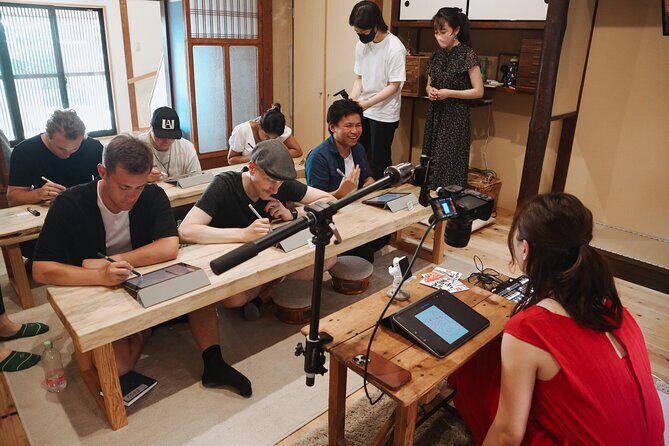
You’ll also appreciate the format: it’s a private tour/activity, meaning only your group participates. For something this hands-on, that matters. More attention from the instructor usually means fewer stuck moments and a better final result.
A few more Kyoto tours and experiences worth a look



The 90-Minute Plan: Tea Break, Ink Skills, and Digital Postcard Letters
The workshop timeline is structured, so you know what’s coming and you won’t feel rushed:
First, you get 30 minutes of greetings and an introduction. You’ll choose or be guided into either traditional calligraphy or suibokuga (Japanese ink painting). This early stage is where you learn the basics of brush behavior and mindset, not just the strokes.
Then comes a 15-minute break with free Japanese tea and snacks. This isn’t wasted time. It gives you a breather so the second half feels like a creative project, not a blur of effort.
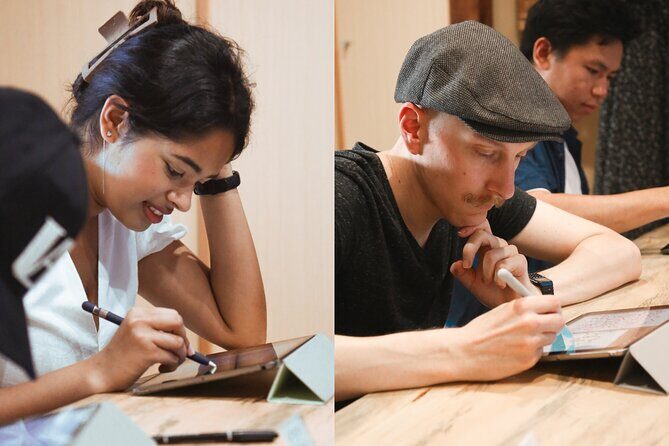
Next is 30 minutes of digital art, where you make your calligraphy or suibokuga on an iPad. You’ll get instruction through the process, and you’ll learn how to translate what you practiced on paper/ink into a digital workflow.
Finally, you get 15 minutes of Q&A. This is a great part to ask practical questions about technique, how to improve your result, or what to try next if you want to keep making art after you leave Kyoto.
Traditional Calligraphy or Suibokuga: Brush Strokes With a Zen Focus
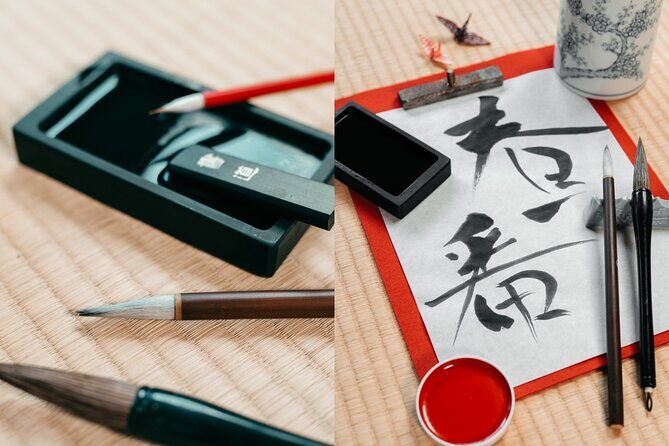
This is the part I think you’ll value most, especially if you’ve never done Japanese calligraphy before. The studio leads you through an introduction that’s designed to improve your brushwork, not just show you how to copy a character.
You’ll get coaching that helps you understand how brush strokes work in practice. The goal is not to make you an expert in a day. It’s to help you get the feel of ink movement: pressure, speed, and how you approach the stroke as a deliberate act.
The instruction also ties into a Zen approach to calligraphy. That may sound abstract, but in class it usually means you slow down, focus on a single stroke at a time, and learn to trust the brush instead of overthinking every detail. If you like calm, focused activities, this section is your moment.
And if you’re traveling with kids, this traditional portion often becomes the anchor. Many people leave mentioning that writing characters both on paper and on an iPad helped the experience click for different ages and attention spans.
The Tea Break That Makes the Second Half Easier
A lot of workshops forget that your brain needs a pause. Here, you get a real 15-minute break with tea and snacks included. It’s simple, but it changes the flow.
You’ll have time to reset after the first hands-on session, hydrate, and avoid that end-of-class fatigue where your strokes get sloppy and your iPad session becomes stressful. For a class that mixes traditional practice with technology, this break is quietly smart.
If you’re someone who needs a short decompression window between activities, you’ll likely appreciate that it’s built in, not something you have to ask for.
Digital Calligraphy on iPad: Turning Technique Into Etegami Picture Letters
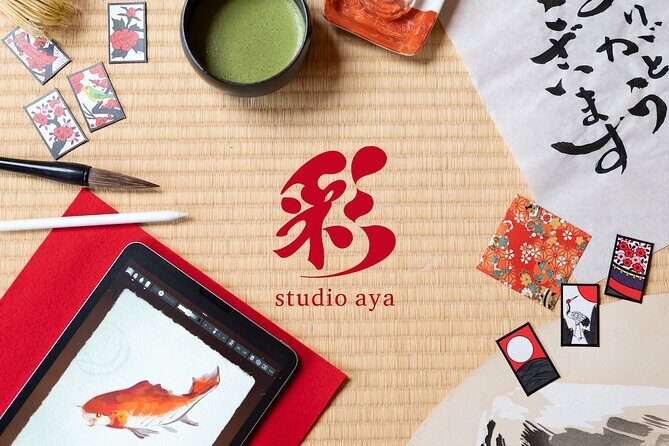
Now for the modern part: you move into digital art on an iPad for about 30 minutes. The workshop includes the iPad, so you don’t need to bring your own device or worry about unfamiliar hardware.
The key here is that it’s not random digital doodling. You’re making calligraphy or suibokuga on a tablet after learning the basics of strokes. That sequence matters. It helps you keep the brush discipline in your head while you learn the digital interface.
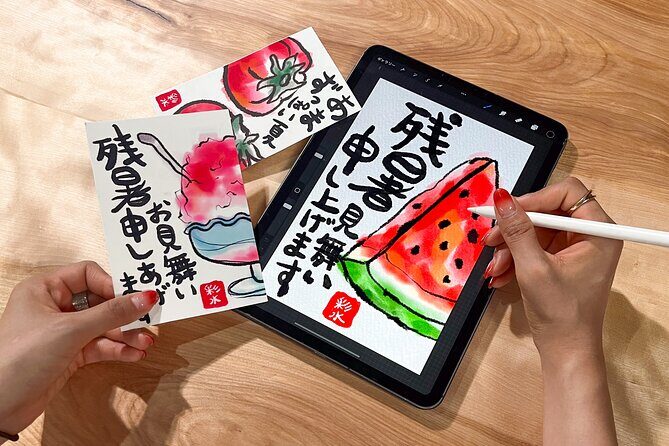
You’ll also be guided toward etegami, Japanese picture letters. In plain terms, it’s like combining calligraphy with a postcard-like design that uses your written characters as part of an image. The studio focuses on how to draw etegami-style “picture letters,” so your final output feels personal and creative instead of purely technical.
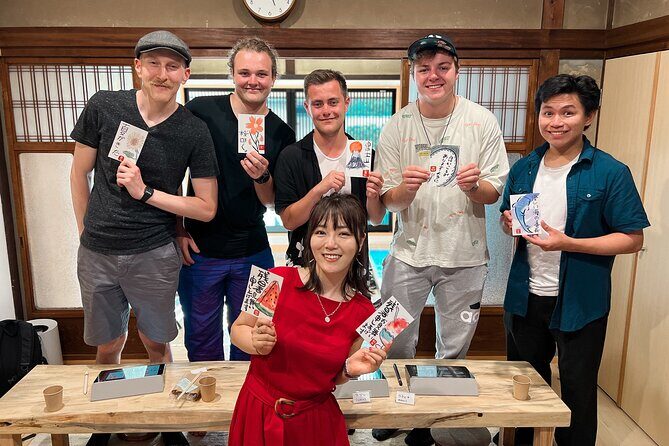
If you like crafts where you end with a tangible item, this is a strong finish. People often enjoy leaving with something they can share or keep as a memento that actually reflects what they learned.





What You’ll Create: Calligraphy, Suibokuga, and Etegami You Can Keep
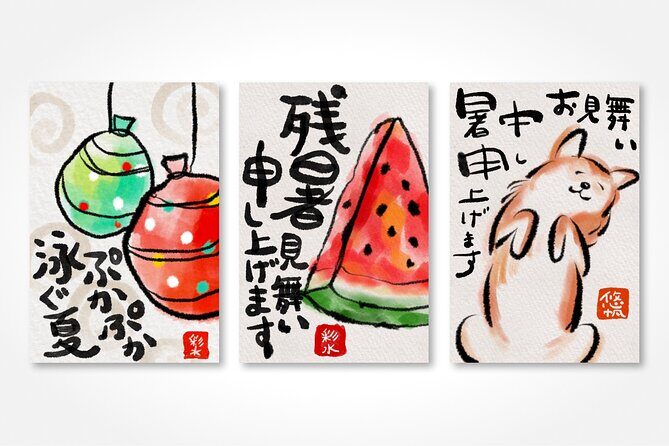
Your end result is an art piece connected to Japanese letter culture and picture-letter design. Depending on the direction you take in the early stage, you may create calligraphy or ink-painting style work that transitions into etegami picture letters.
This matters for two reasons:
1) You practice more than one skill. You’re not just doing one “hello world” stroke. You’re learning how tradition transfers into a new medium.
2) You get a story for your final piece. Even if your art isn’t perfect, you understand the steps behind it: stroke basics, ink-painting mindset or calligraphy approach, then digital creation of picture letters.
From the way the class is described and structured, you should expect to spend meaningful time shaping your strokes and translating them into a postcard-style final design.
Price and Value: Is $72 Worth 90 Minutes in Kyoto?
At $72 for about 1.5 hours, this can feel like a specialist workshop price. But here’s the value logic that makes it work:
- You get instruction across two mediums: traditional calligraphy/suibokuga and digital iPad art
- The workshop includes the iPad plus tea and snacks, so you’re not paying extra for essentials
- The class format is private for your group, which usually increases the amount of direct help you receive
- You finish with an etegami-style creative output, not just a brief demo you watch and leave
If you’re already doing other paid experiences in Kyoto, this is the kind of workshop that adds something different. It’s hands-on, compact in time, and it ends with a creative souvenir that connects to Japanese writing culture rather than generic tourism photos.
Who This Workshop Suits Best (and Who Might Skip It)
This class is a good fit if you want a calm, creative activity in Kyoto that teaches a real skill. I’d especially point you to it if:
- you want a hands-on cultural experience beyond food and temples
- you’re curious about Japanese calligraphy and want an approach that’s not intimidating
- you like the idea of making something on an iPad with a teacher guiding you
- you’re traveling with kids and want an activity that can hold attention
- you prefer a private group experience where questions get answered right away
You might skip it if your trip style is strictly sightseeing, and you don’t want studio time. Also, if you strongly dislike technology-based activities, you may not enjoy the second half as much—but you’d still get the traditional intro and coaching.
How to Prepare: What to Expect From Your First Stroke
Based on the class structure, you’ll want to arrive ready to slow down and practice. That means:
- wear something comfortable for writing and seated work
- plan to give yourself mental space for the traditional brush introduction
- treat the iPad phase as a learning step, not a test
Also, since the workshop includes tea and snacks, you don’t need to plan a meal in the middle. But you should still consider eating before you go, since the session is only about 90 minutes.
Should You Book Studio Aya’s Calligraphy & iPad Workshop?
Yes, if you want a high-value hands-on workshop that blends Kyoto culture with modern creative tools. This is the kind of class that leaves you with more than a memory: it gives you a new skill path, a finished etegami-style project, and the confidence to try again later.
Book it especially if you like structured teaching, gentle coaching, and a calm studio setting. The combination of traditional brushwork practice, a built-in tea break, and a guided iPad session is a smart way to spend a Kyoto afternoon without burning your energy on logistics.
If your priority is big sights and long walks, pair the workshop with your sightseeing day and don’t try to cram it into a hectic schedule.
FAQ
How long is the Calligraphy & Digital Art Workshop in Kyoto?
It runs for approximately 1 hour 30 minutes, including a break.
What time does the workshop start, and where is the meeting point?
The workshop starts at 3:00 pm. The meeting point is iPadmate kids, 47 Daikokuyachō, Kamigyo Ward, Kyoto, 602-8055, Japan.
Is the tour private?
Yes. It’s a private tour/activity, and only your group participates.
What will I learn during the workshop?
You’ll learn traditional Japanese calligraphy or suibokuga (Japanese ink painting), then move on to digital calligraphy on an iPad and create Japanese picture letters called etegami.
What’s included in the price?
The iPad is included, along with Japanese tea and snacks.
Do I need to bring my own iPad or art supplies?
No. The iPad is provided as part of the workshop.
Is transportation included?
No. Private transportation is not included.
Can I cancel for a full refund?
Yes. Free cancellation is available up to 24 hours in advance for a full refund.
Is the workshop near public transportation?
Yes, the meeting point is near public transportation.