Kyoto by bike is a smart shortcut. This city cycle setup is built for a relaxed day: easy riding, time to pop into shops, and the kind of street-level sightseeing that taxis can’t give you. I like the central location near Shijo Karasuma and Karasuma Oike, and I like the straightforward idea of rolling out, grabbing souvenirs, and stopping for Kyoto meals on your own time. The one big catch to consider: there are red flags in the provided feedback about whether bike rentals are actually available at the shop right now.
The good part is how simple it sounds on paper. You’ll get a paper ticket, a cash 3,000 yen deposit per vehicle when you arrive, and you finish back at the same meeting spot after about 8 hours. Before you go, do yourself a favor and plan as if you might need backup, because at least some people report showing up and finding no bikes on site.
In This Review
- Key things to know before you ride
- City cycle with no gear: what that means for your day
- Where you’ll start and why the exact area matters
- The paper ticket and cash deposit: the nuts-and-bolts side
- How an 8-hour self-guided bike day actually plays out
- Morning: pick up and get your bearings fast
- Midday: shop, snack, and slow down on purpose
- Afternoon: keep the route simple and plan your return
- Evening: return to the same meeting spot
- The big warning sign: what to do if bikes aren’t available
- Who this is a good fit for
- Getting the most value out of a low-cost bike day
- Weather and timing: when the plan changes
- Should you book this bike experience in Kyoto?
- FAQ
- FAQ
- How much does the Kyoto bike experience cost?
- How long is the experience?
- Where is the meeting point?
- Is there a security deposit?
- What ticket type do I need?
- Is the bicycle gear-changing?
- Do I need good weather?
- Can I cancel and get a refund?
- Are service animals allowed?
Key things to know before you ride
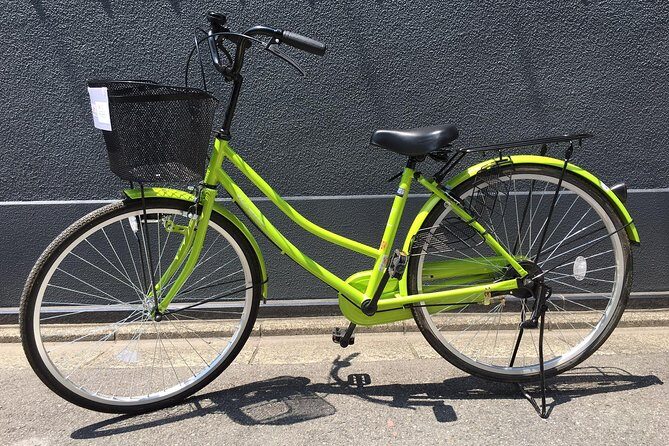
- No-gear city cycle: simple riding, but you may feel hills more than on geared bikes.
- Central Kyoto meeting point: about 7–8 minutes on foot from Shijo Karasuma and Karasuma Oike stations.
- Cash deposit (3,000 yen per vehicle): refundable on return, so bring yen and keep your timing tight.
- Paper ticket: you’ll want a clear printed voucher ready at check-in.
- Weather dependent: the experience requires good weather, so rainy plans may change.
City cycle with no gear: what that means for your day
This isn’t a fancy tour with a guide pacing you. It’s a self-guided bicycle day concept, focused on moving through Kyoto like a local—slow enough to notice storefronts and temple-area streets, fast enough to connect several sightseeing zones in one day.
The biggest design choice here is the no gear change bike. That usually means one comfortable riding rhythm and fewer things to think about. If you hate fiddling with shifting, you’ll probably enjoy the simplicity. If you’re used to climbing on geared bikes, just know this can feel tougher when the route gets steeper. Kyoto has plenty of flatter streets in the center, but the city is not perfectly flat everywhere—so treat the bike as easy-going, not athletic.
For value, that matters. With a price around $7.12 per person, you’re paying for transportation time, not guided instruction or premium equipment. The trade-off is that your experience depends heavily on whether the bike supply is actually ready when you arrive.
Other cycling tours in Kyoto


Where you’ll start and why the exact area matters
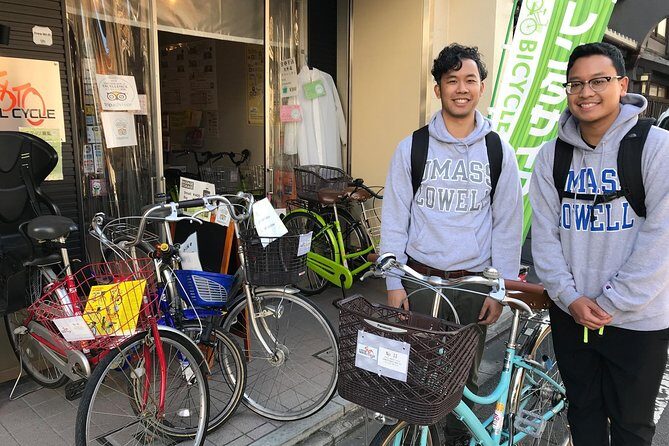
Your meeting point is in central Kyoto: New Town Rokkakucho (新町六角館), 352 Shimmachi-Rokkakudō, Nakagyo Ward. It’s listed as 7 minutes on foot from Shijo Karasuma Station and 8 minutes on foot from Karasuma Oike Station. That’s a big deal if you’re touring Kyoto for real, not just doing a single-point attraction.
Staying near those transit lines gives you flexibility. If your morning plans run late—train delay, crowds at a temple, you lose track of time with coffee—you can still reach the rental area without doing a long taxi detour. And when you return after about 8 hours, being close to transit makes the wrap-up easier.
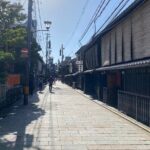
One practical point: central Kyoto streets can be tight. Plan to arrive a bit early so you can park yourself at the right address, confirm your bike situation, and avoid rushing right before you roll out.
The paper ticket and cash deposit: the nuts-and-bolts side
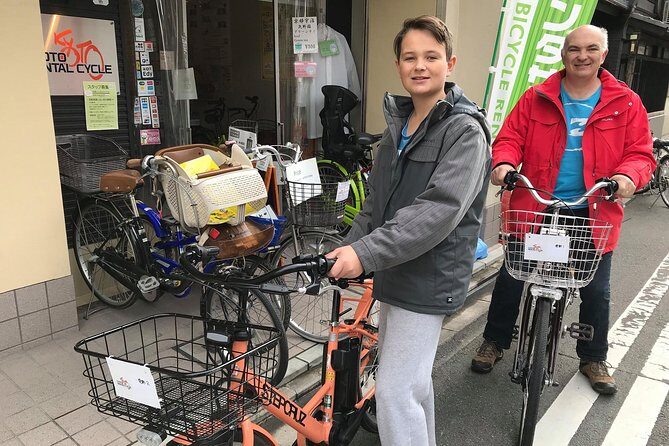
You’ll use a paper ticket for this experience. That means no scan-only future-proof setup. I’d treat it like a small paperwork mission: bring it printed, keep it dry, and have it ready at the shop when you arrive.
Then there’s the security deposit of 3,000 yen per vehicle, kept in cash during your visit and refunded upon return. Two things make this practical:
- You should bring yen in advance. If you only have cards or you rely on cashless shopping, you might scramble at the last minute.
- Keep your deposit refund timeline in mind. The ride ends back at the meeting point, so you’re basically operating on a “return by X time” rhythm.
Also, because it’s “per vehicle,” not per person, you’ll want to confirm how the shop expects group rentals to work. If you’re traveling with friends, don’t assume it automatically matches your mental math.
How an 8-hour self-guided bike day actually plays out
The listing describes this as a leisurely way to sightsee through Kyoto’s historic cityscape. No set route is given in the details you provided, so the real itinerary is how you build it.
Here’s the day flow you should expect in practice:
Morning: pick up and get your bearings fast
Start near Shijo Karasuma / Karasuma Oike and ride out with enough daylight and energy to feel relaxed, not stressed. With a no-gear bike, I suggest keeping your early pace steady. If you start by forcing steep climbs or fast acceleration, fatigue sneaks up fast.
Your goal in the first hour is simple: get comfortable, get oriented, and locate your next “anchor” stop—whether that’s a shopping street, a food area, or a sight you want to spend time at.
Other city tours we've reviewed in Kyoto

Midday: shop, snack, and slow down on purpose
This is the part where biking earns its keep. Kyoto is full of small, characterful storefronts, and biking makes it realistic to hop in and out without hunting for taxis or waiting on transfers. The concept here is specifically about using the bicycle to casually visit shops and grab Kyoto meals while you’re already moving through the city.
A smart rhythm: ride for 20–30 minutes, then spend 30–60 minutes actually doing something. That prevents the classic bike mistake where you spend the whole day pedaling past everything, then feel too rushed to enjoy it.
Afternoon: keep the route simple and plan your return
With a rough 8-hour duration, you need a return plan. Even if you don’t know the exact distance, treat the last chunk of your ride as a straight line back to the meeting point.
This is where a no-gear bike can influence decisions. If you find yourself in an area that feels steeper than expected, it’s better to turn around early than to force the burn and arrive late.
Evening: return to the same meeting spot
The experience ends back at the meeting point. That’s convenient because you don’t have to coordinate drop-off logistics elsewhere. Still, give yourself buffer time. Tight returns increase stress, and stress is the enemy of a bike day.
The big warning sign: what to do if bikes aren’t available
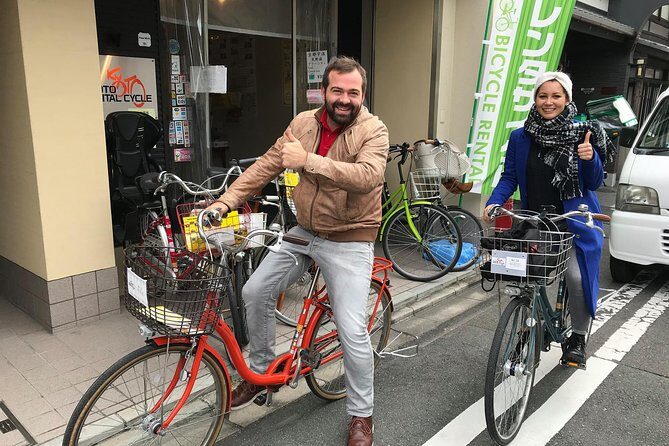
One piece of information you should take seriously: the provided feedback includes claims that bike rental may not exist anymore at the address. The specific message in the supplied reviews is that the bike rental stopped and the location may have become a beauty shop, leaving people with paid reservations but no bikes to use. That’s a serious problem because this experience is basically the bike.
So here’s what I’d do if you’re considering booking:
- Confirm availability shortly before you go, ideally the day before and again on arrival time.
- If the platform supports it, ask a direct question in writing: Are bikes available at this exact address today? How does check-in work?
- Have a backup plan for transit. If you end up without a bike, Kyoto is still ride-able by public transit or taxi, but you don’t want to lose the day.
I’m not going to sugarcoat it: the whole value of this experience depends on bikes being there when you arrive. The concept is sensible; the operational reality may be the question.
Who this is a good fit for
This option is best for you if you want an affordable way to move through central Kyoto on your own schedule. It’s also listed as most travelers can participate, and service animals are allowed.
You’re likely to enjoy it if:
- You like independent touring and don’t need a timed group itinerary.
- You’re comfortable riding a bicycle at city pace.
- You want time to stop for snacks and souvenirs without getting stuck waiting for rides.
It may not be the best fit if:
- You’re planning around a very strict schedule with no backup.
- You rely on guaranteed on-site bike availability and can’t handle disappointment if the shop is out of bikes (or if the rental business has changed).
Getting the most value out of a low-cost bike day
At about $7.12 per person, the price is hard to beat for transportation. But cheap can be fine or cheap can be risky. Here’s how to make it work in a practical way.
First, consider what you’re really buying: access to a bike for an 8-hour block. That’s it. You’re not buying a guide, a curated food tour, or a ticket to an attraction. So your value is tied to how well you use that freedom.
Second, build your day around “short hops with rewards.” Ride to areas where you can:
- browse shops without rushing,
- eat without needing a transport change,
- and enjoy streets without counting down to check-out times.
Third, accept the no-gear reality. Plan for a steady pace. If you want to cover long distances or tackle bigger hills, you’ll probably want a geared option instead.
Weather and timing: when the plan changes
The experience requires good weather. If it’s canceled due to poor weather, you’re offered a different date or a full refund. That matters because Kyoto can throw rain at you, and bike touring is one of those plans that rain can ruin.
If you’re traveling in the rainy season or you see clouds stacking up, keep an eye on forecasts and stay flexible. A rainy bike day doesn’t just mean wet clothes; it can also mean traffic and visibility issues, especially on narrow streets.
Should you book this bike experience in Kyoto?
If you want a simple, low-cost way to tour central Kyoto at your own pace, the idea is solid. The location near major stations and the “ride, shop, eat, repeat” style can make a long day feel easy. The 3,000 yen deposit and paper ticket are standard enough that you can handle them with basic planning.
But here’s the decision point: the provided feedback includes claims that bike rentals may no longer be operating at the address. If you book, treat it like a plan you confirm, not a plan you assume. Message the shop to verify bikes are available at that exact meeting point before you commit.
My practical call: Book only if you can verify on the ground that bikes exist and are ready for pickup. If you can’t confirm, plan for public transit or taxis instead so your Kyoto day doesn’t turn into an expensive wait.
FAQ
FAQ
How much does the Kyoto bike experience cost?
The price is listed as $7.12 per person.
How long is the experience?
It runs for about 8 hours.
Where is the meeting point?
The start point is 352 Shinmachi Rokkakucho, Nakagyo Ward, Kyoto (near the Shijo Karasuma and Karasuma Oike area). The activity ends back at the meeting point.
Is there a security deposit?
Yes. A security deposit of 3,000 yen per vehicle is kept in cash when you visit and refunded upon return.
What ticket type do I need?
This experience uses a paper ticket.
Is the bicycle gear-changing?
It’s described as a city cycle with no gear change.
Do I need good weather?
Yes. The experience requires good weather. If it’s canceled due to poor weather, you’ll be offered a different date or a full refund.
Can I cancel and get a refund?
Free cancellation is available. You must cancel at least 24 hours before the start time for a full refund.
Are service animals allowed?
Yes, service animals are allowed.