Kyoto feels different from a bicycle saddle. On this riverside cycling route, you cover big landmarks and quieter streets in one smooth flow—starting along a calm river road, then moving through the Imperial Palace area, a Zen temple, and ending at Shimo-gamo Shrine (UNESCO) before a scenic return. I like that the tour keeps you moving outdoors, with stops that break up the ride and make the city feel human-sized, from spring water at a hidden shrine to Japanese sweet snacks and tea.
The Gion portion is a great finishing touch: you’ll walk through the entertainment district (often Gion and/or Pontocho), visit geisha “flower town” areas, and get a clear explanation of how the system works. I also like that your guide can tailor food stops during the walk. One thing to consider: it’s not suitable for kids under 9, and it requires you to be comfortable riding a bike (an electric bike costs extra if you request one).
In This Review
- Key highlights you’ll actually feel
- Riverside to Real Kyoto: The Bike Part’s Best Trick
- Imperial Palace to Zen temple: Big Kyoto, paced for humans
- Shimo-gamo Shrine: UNESCO grounds you can feel
- River junction and the lighted return: why the timing helps
- Gion or Pontocho stroll: flower towns and geisha culture, explained simply
- Snacks, tea, and restaurant tips: food that fits the route
- Meeting point clarity: how to find the tour fast
- Value check: is $73 worth it?
- Who this fits best (and who should skip it)
- Guides you’ll be glad to have: patience and smooth flow
- Should you book this Kyoto bike-and-Gion tour?
- FAQ
- How long is the bike and walking portion?
- What does the $73 per person price include?
- Is there an extra cost for electric bikes?
- Where do I meet the tour?
- What should I bring?
- Is the tour okay in bad weather?
- Who is this tour not suitable for?
Key highlights you’ll actually feel
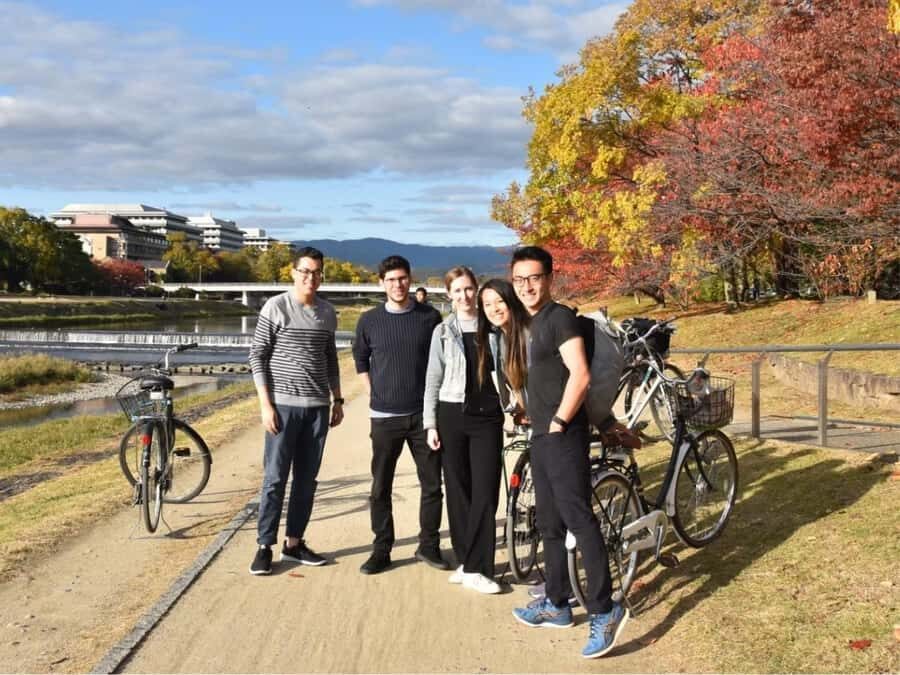
- Riverside start and lighted river return for a calmer Kyoto rhythm
- UNESCO Shimo-gamo Shrine with forest views and classic shrine architecture
- Imperial Palace area + Zen temple stops without long waits or guesswork
- Gion or Pontocho stroll with plainspoken geisha culture context
- Snacks and tea included, plus restaurant suggestions during the walk
Riverside to Real Kyoto: The Bike Part’s Best Trick
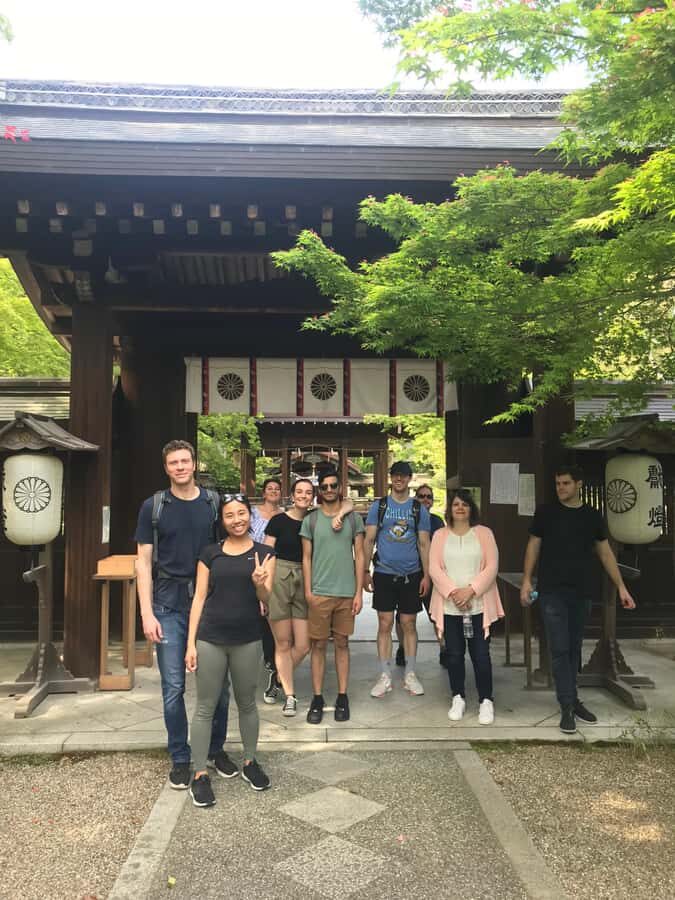
This tour’s secret sauce is how it uses a bike to stitch together Kyoto’s “big name” sights and the quieter neighborhoods between them. You get about 3.5 hours on a rental bike, and that time does something walking can struggle with: it lets you move fast enough to enjoy the day, yet slow enough to notice details.
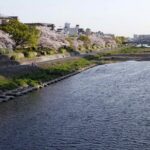
It starts with a peaceful riverside road. That matters. You’re not immediately dropped into a crowd scene; you’re learning the pace of the day first. Then the route adds short stops that feel like little breaks, not forced photo errands—spring water at a hidden shrine, temple and palace-area viewpoints, and neighborhood segments that keep the ride from becoming one long transfer.
The tour also runs rain or shine. If weather shows up, you’ll still reach the main destinations, and entrance fees for a temple or shrine can shift to an alternative plan in rainy conditions. So you’re not left scrambling to figure out what to do with a wet afternoon.
A few more Kyoto tours and experiences worth a look

Imperial Palace to Zen temple: Big Kyoto, paced for humans
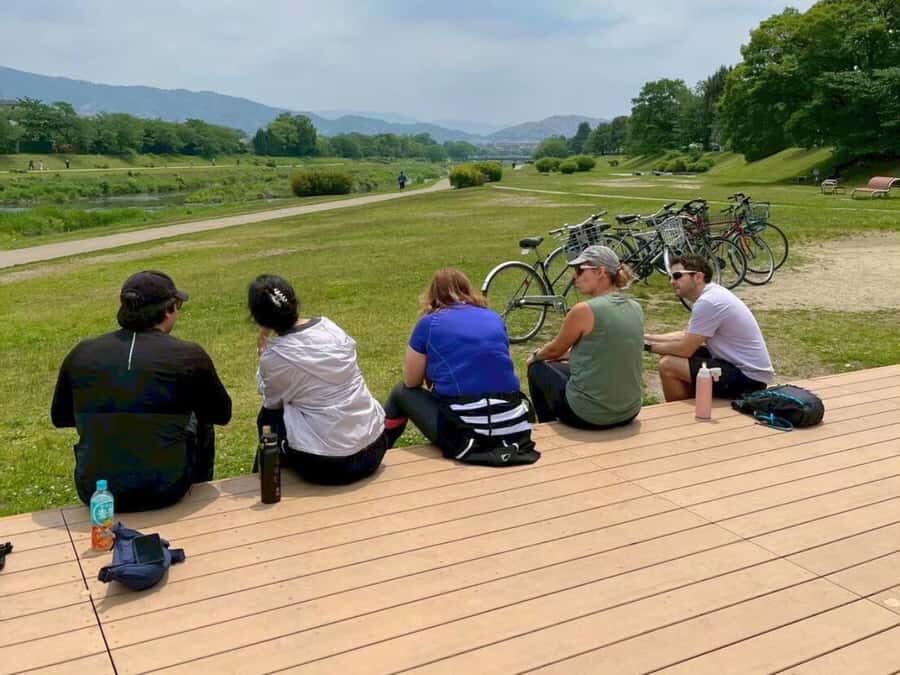
After that first calm stretch, the route heads toward the Imperial Palace area and a famous Zen temple. These are not tiny stops. Even if you only see portions on the visit, you get the “I’m really in Kyoto” feeling—gardens, walls, and grounds that change the way you see the city.
What I like here is the order. The Imperial Palace is a sense-making stop: it anchors you in Kyoto’s historic center. Then the Zen temple adds a different mood—quiet, contemplative, and visually simple in a way that’s easy to appreciate once you’ve had time to slow down.
Along the way, you pass through university campuses and residential areas. That part is underrated. It’s where Kyoto stops being only scenery and turns into a place people actually live in. You also avoid that all-too-common problem of seeing only the postcard zones and missing the everyday city texture.
Shimo-gamo Shrine: UNESCO grounds you can feel
Shimo-gamo Shrine is the tour’s big cultural anchor, and for a reason. It’s UNESCO-listed, and it’s known for its primitive forest atmosphere and beautiful buildings. Even if you’re not a hardcore shrine scholar, the setting does the work for you.
You arrive after riding through those calmer stretches, so the shrine doesn’t feel rushed. The forest setting changes the soundscape—less highway noise, more shade and stillness. This is also one of the best places on the route for photos that don’t look like they were taken at every other temple in town.
There’s also a practical advantage: because you’re there as part of a guided route, you’re not stuck trying to figure out what to look for once you arrive. Your guide’s explanations help you read what you’re seeing—why the buildings look the way they do, and what makes the grounds special.
River junction and the lighted return: why the timing helps
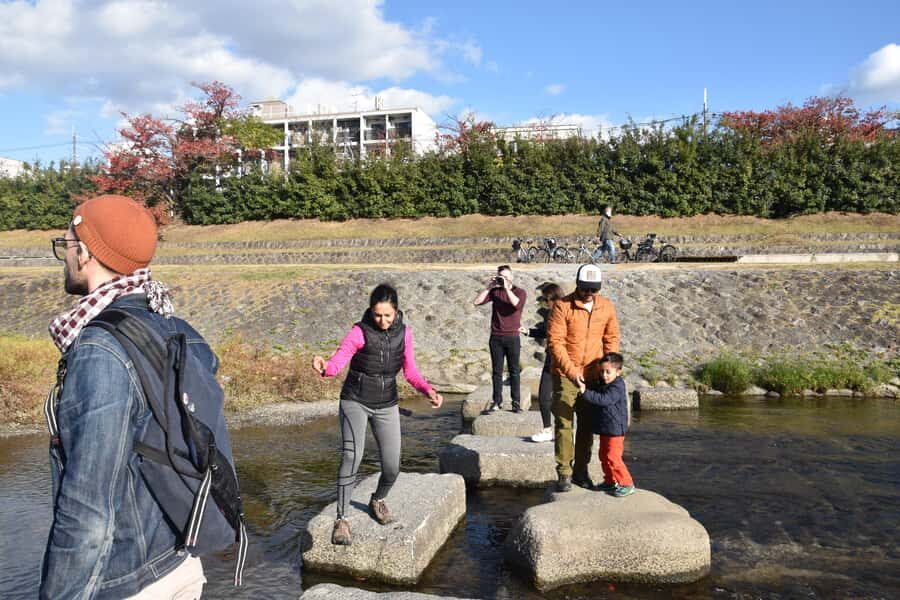
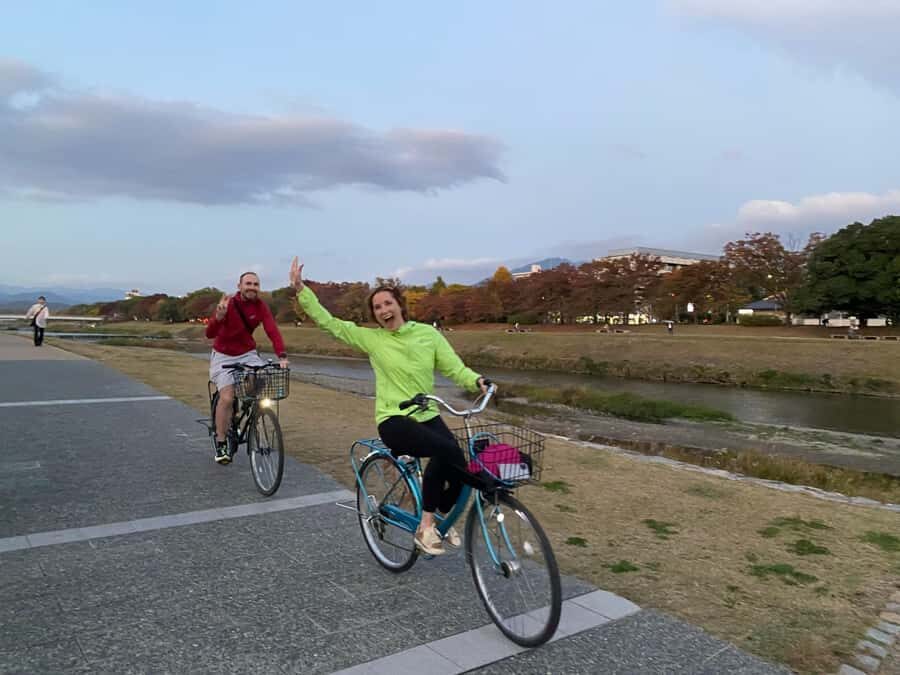
After Shimo-gamo Shrine, you head toward a unique river junction point. Then you follow the scenic riverside back, described as lighted-up for the return. That detail matters for mood.
Kyoto has a way of looking different depending on time of day—so if your schedule lines up with the lighted stretches, you’ll get a more atmospheric ride than you would from a midday-only plan. The bike also helps here: on foot, riversides can feel longer and more tiring. On a bike, you can keep the energy up while still enjoying the view.
This return segment also reinforces a big value of the whole tour: it doesn’t end with a sprint to a shopping street. It ends back on the river, which is a comfortable, memorable way to close.
Gion or Pontocho stroll: flower towns and geisha culture, explained simply
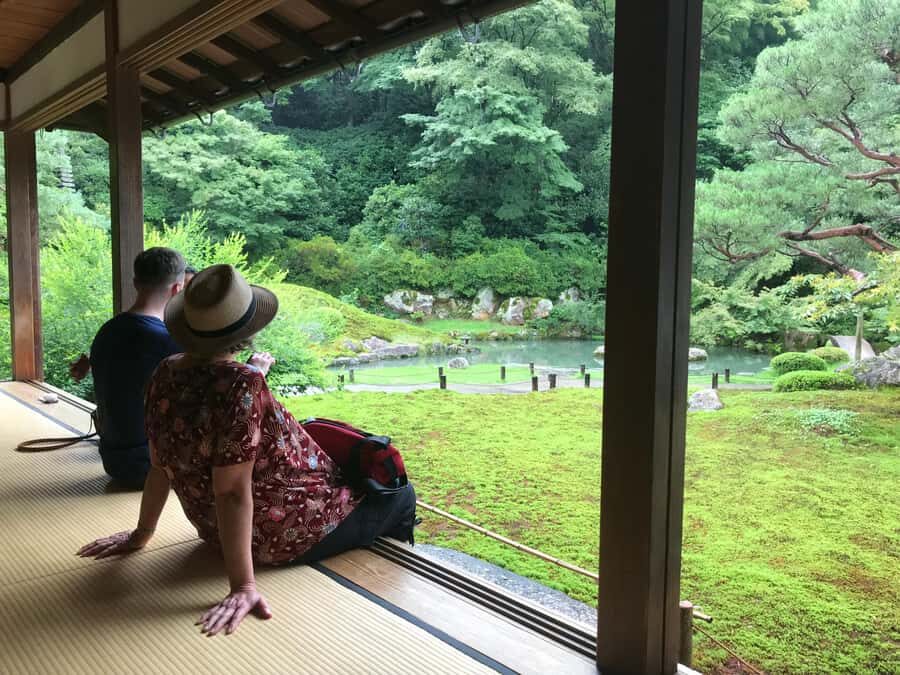
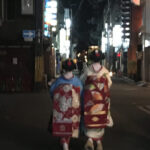
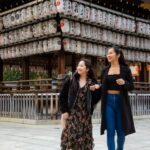
Once the bikes are returned, the tour shifts to a 30-minute walking segment through the entertainment area of Gion or Pontocho. This is the part that turns your ride into context.
You’ll visit the main “flower town” areas connected with geisha, and you’ll learn the unique culture and system behind it. I like that the guide frames it in a way that’s understandable, not like a lecture you’d fall asleep through. You’ll also get pointers on what you’re seeing as you walk the photogenic streets.
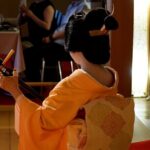
And yes, there’s a chance you may spot a geisha if luck is on your side. Just keep your expectations respectful and realistic. The real win is the explanation—because once you understand how the culture works, the streets stop being just scenic alleys and start feeling meaningful.
Other cycling tours in Kyoto


Snacks, tea, and restaurant tips: food that fits the route
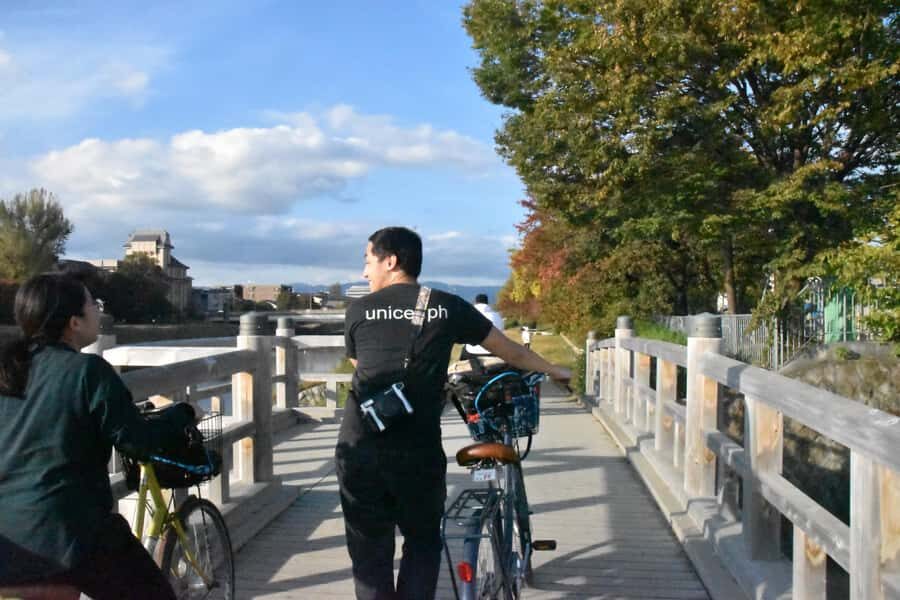
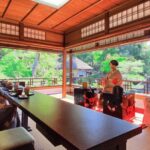
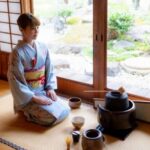
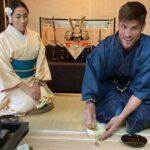
A smart day trip includes small eating moments, not one giant scramble for lunch. This tour includes Japanese sweet snacks at a traditional snack shop and Japanese tea. It’s not a random add-on; it lines up with the rhythm of the stops.
If you’ve spent time in Japan, you know how much a simple tea break can reset your energy. Here, it also helps with the “local” feeling. You’re not just riding past Kyoto—you’re stopping for a quick taste and then moving on.
During the Gion/Pontocho walking part, the guide also introduces good restaurants and bars based on your requests. That’s a practical bonus. Rather than guessing what’s nearby, you get suggestions that match what you want to eat after the tour.
Meeting point clarity: how to find the tour fast
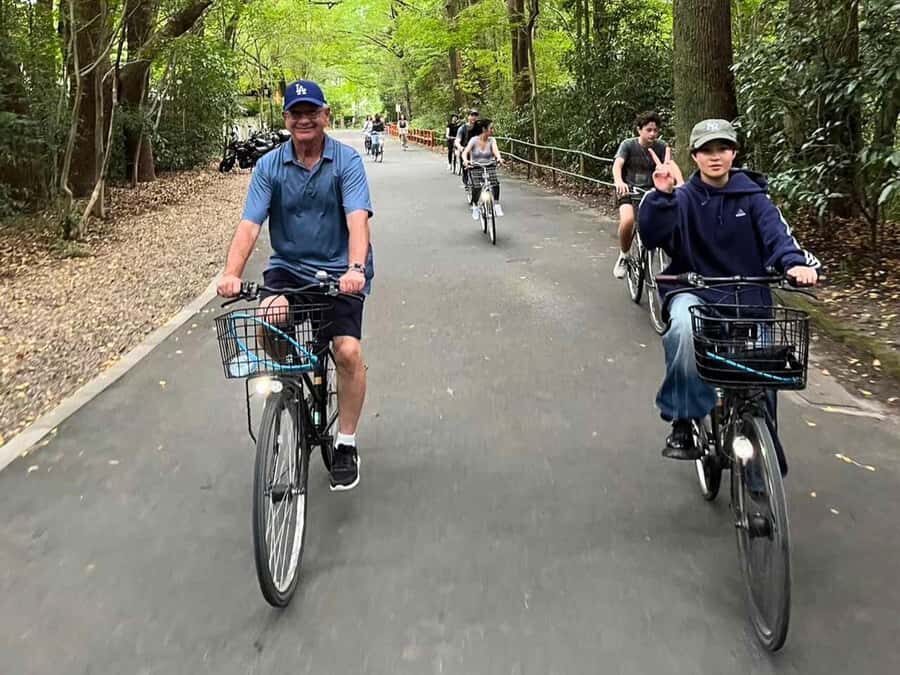
The meeting point is straightforward once you know what to look for, which saves time when you’re already navigating Kyoto streets.
You start at the kneeling man statue at the SouthEast corner of the Sanjo Ohashi intersection. From the east end of Sanjo Ohashi Bridge, cross the street and look for the statue. If you’re coming by subway, it’s quicker to exit to the surface first and then find the spot. The tour ends back at the meeting point, so you’re not forced into a one-way navigation puzzle.
If you’re the kind of person who hates being late, arrive a few minutes early. Kyoto intersections can look similar fast, and you’ll want a clean start so you can focus on the bike part.
Value check: is $73 worth it?
At $73 per person, this tour sits in the “midrange day activity” category. The value comes from what’s included and how the day is structured.
You get:
- a rental bike
- Japanese sweet snacks and tea
- any temple or shrine entrance fees as an alternative plan during rain
- a guided bike route that covers multiple major areas plus quieter neighborhoods
- a walking segment in Gion/Pontocho with geisha culture context
- restaurant and bar recommendations aligned with your preferences
What you don’t get is an electric bike by default. If you request one, there’s an extra fee of 1,000 yen paid on the spot. So the cost depends partly on your comfort level with cycling.
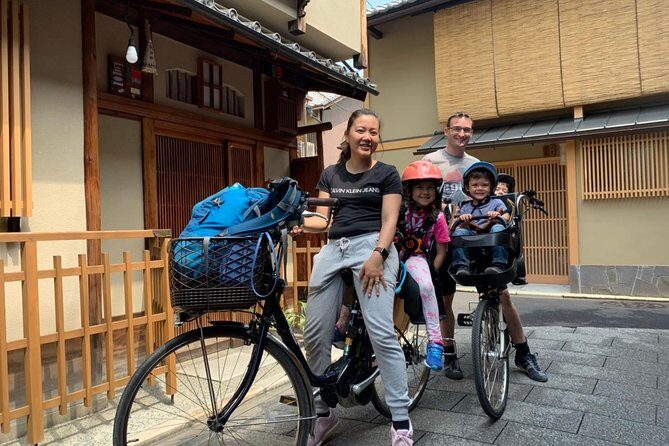
For families, the included snacks and tea plus the guided pacing can reduce decision fatigue. For adults, the big value is the route design—Imperial Palace area, a Zen temple, Shimo-gamo Shrine, then Gion/Pontocho—connected in one day without you needing to map every turn.
Who this fits best (and who should skip it)
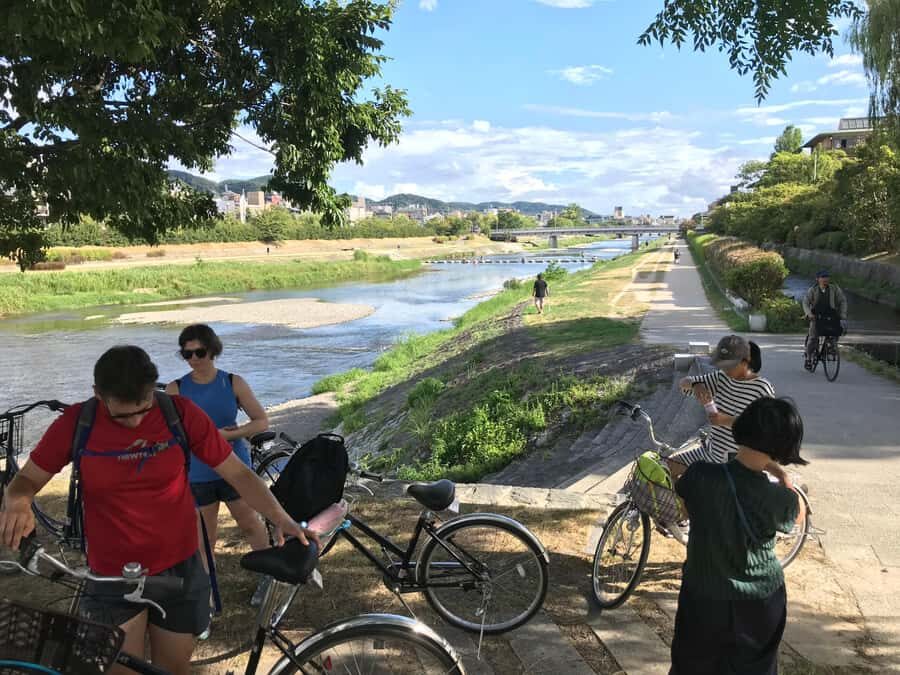
This is a family-friendly bike-and-walk plan, with one clear limitation. It’s not suitable for children under 9, and it’s not suitable for people who can’t ride a bike.
That means it’s ideal if:
- you can ride comfortably for a few hours
- you want to see Kyoto’s major sites without moving only on foot
- you like quiet, shaded stops as much as landmark photo moments
- you want the geisha context without trying to research it alone mid-trip
It may not fit if:
- you’re looking for an entirely car-free “push a button and be chauffeured” experience (you’re pedaling)
- your fitness level makes multi-hour bike riding uncomfortable
- your group includes anyone who doesn’t meet the minimum cycling requirement
On the plus side, multiple guides in the experience lineup have been praised for being patient and kind, including with kids. For example, Mr. Go and Benjamin show up in the feedback as guides who kept the tone calm and helpful, even when kids needed extra attention.
Guides you’ll be glad to have: patience and smooth flow
One pattern in the positive feedback is how smoothly the day runs. When you’re on a bike tour, logistics matter: mounting bikes, knowing where to stop, and keeping the group together. The experience seems designed to reduce stress.
Guides also come through as a major part of the value. Names like Ko, Claire, Mr. Go, and Benjamin appear in the feedback, and people highlight patience with families, clear explanations, and an easygoing approach. If you like your sightseeing with a human touch—someone who can answer questions and keep things calm—this is exactly the kind of tour that tends to deliver.
Should you book this Kyoto bike-and-Gion tour?
If you’re planning a Kyoto day and want more than a single-zone temple circuit, this bike tour is a strong match. You’ll get riverside riding, major sights like the Imperial Palace area and a Zen temple, the UNESCO setting of Shimo-gamo Shrine, and then a short but meaningful Gion/Pontocho walk with geisha culture explained in plain terms.
Book it if you:
- can ride a bike and want the wind-in-your-hair feeling
- want a paced day with snacks, tea, and guided stops
- value guided context so you enjoy the places more, not less
Skip it if:
- anyone in your group can’t ride a bike or is under 9
- you want zero physical activity
- you’re only interested in a single neighborhood
If your priority is a Kyoto day that feels both efficient and human, this is the kind of plan that tends to make the city click.
FAQ
How long is the bike and walking portion?
The tour includes about 3.5 hours of biking plus a 30-minute town walk in Gion or Pontocho.
What does the $73 per person price include?
It includes a rental bike, Japanese sweet snacks, Japanese tea at a traditional snack shop, and entrance fees for temples or shrines as an alternative plan during rainy conditions.
Is there an extra cost for electric bikes?
Yes. An electric bike costs an extra 1,000 yen if you request one, and you pay on the spot.
Where do I meet the tour?
Meet at the kneeling man statue at the SouthEast corner of the Sanjo Ohashi intersection. From the east end of Sanjo Ohashi Bridge, cross the street and find the statue.
What should I bring?
Bring comfortable shoes, a camera, water, and weather-appropriate clothing.
Is the tour okay in bad weather?
Yes. It runs rain or shine, and entrance fees can be handled through an alternative temple or shrine plan if it’s raining.
Who is this tour not suitable for?
It’s not suitable for children under 9 and not suitable for people who can’t ride a bike. Pets, smoking, and luggage or large bags aren’t allowed.