Kyoto in three calm hours.
This tailored private tour helps you pick what matters most, then strings it together with the right pacing through Gion and major temple stops. You’ll have a local guide, pickup is offered, and you use a mobile ticket so the day starts smoothly.
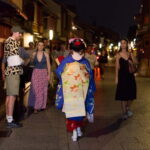
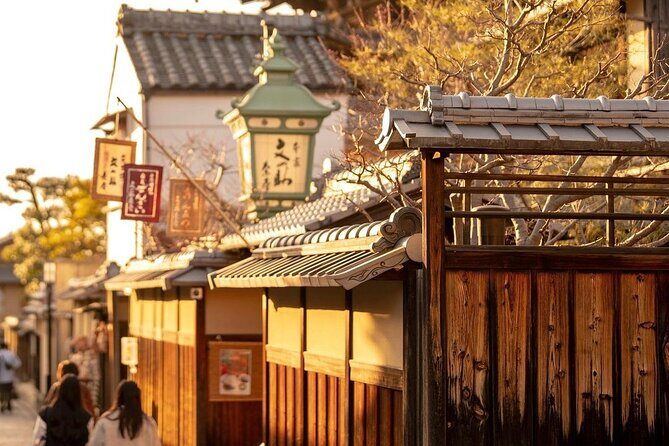
I like how the walk focuses on the real texture of Gion—its old-street atmosphere and the lanes people associate with Geisha-era Kyoto. I also like the food-and-culture balance, especially the stop at the Izutsu Yatsuhashi Honpo Gion area store, plus the big-ticket experience of Kiyomizu-dera with the Otowa Spring and its famous viewing setup.
One caution: 3 hours is short. If you want deep, separate visits to several major sights, you’ll need to decide what you’ll actually make time for with your guide.
In This Review
- Key highlights you’ll actually feel
- A private Kyoto route built around your choices
- Starting at Kyoto Station, then easing into Gion
- Gion’s shirakawa-style streets plus classic icons
- The Izutsu Yatsuhashi stop: a tiny bite of Kyoto identity
- Shrines as your cultural compass: Tatsumi, Yasui-Konpiragu, and Yasakanoto
- Izumo-no-Okuni statue: how Kabuki connects to Kyoto streets
- Kiyomizu-dera: your longer, ticketed hour with Otowa Spring
- Price and value for a $95, 3-hour private tour
- Logistics that matter: weather, time window, and group size
- Who should book this Kyoto treasures tour
- Should you book it?
- FAQ
- How long is the tour?
- Where does the tour start and end?
- Is pickup available?
- Is this a private tour?
- Do I need to bring a ticket?
- What’s included in the price?
- Which stops are included?
- What time does it run?
- Is service allowed?
- What if the weather is bad?
- Is there free cancellation?
Key highlights you’ll actually feel
- Private and customizable route: you choose destinations and the guide adjusts the day around your interests
- Gion Shirakawa stroll and Gion-area viewpoints: walk atmosphere first, photos second, with context as you go
- Izutsu Yatsuhashi Honpo Gion store stop: a Kyoto classic for sweet, cultural contrast
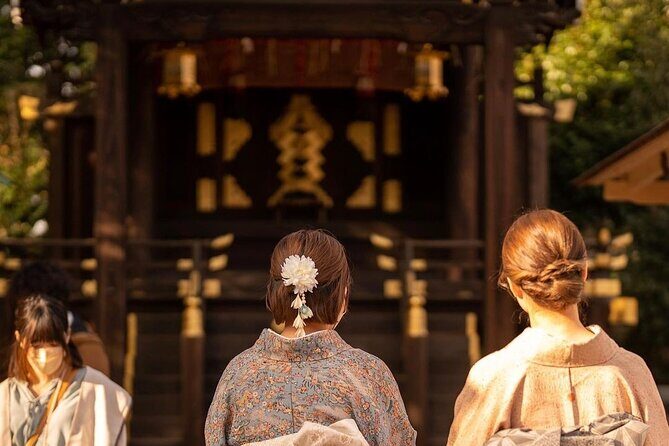
- Shrine variety that explains the symbolism: Tatsumi Daimyojin (over 1,000 years), Yasui-Konpiragu stone monuments, and Yasakanoto pagoda
- Kabuki origin marker at Izumo-no-Okuni statue: a quick cultural bridge from street life to performing arts
- Kiyomizu-dera as the longer ticketed finale: Otowa Spring and the three-storey Koyasu pagoda viewing platform
A private Kyoto route built around your choices
The best thing about this tour is simple: you’re not trapped in a fixed conveyor belt. You start with a guide who can shape the day around what you care about most, whether that’s temple architecture, shrine rituals, or the “Kyoto everyday” vibe around Gion.
You also get a day that feels manageable. Three hours sounds short, but in Kyoto, that can be a feature, not a flaw. You’ll move between highlights, yes, but you’ll do it without the stress of timing every train, figuring out which entrances to use, or losing hours to wrong turns.
I’d call this a smart first-or-second-day option. If it’s your first time in Kyoto, you get orientation fast. If you’ve been wandering already, the guide helps you focus your energy so you don’t just repeat what you already saw on your own.
Other city tours we've reviewed in Kyoto

Starting at Kyoto Station, then easing into Gion
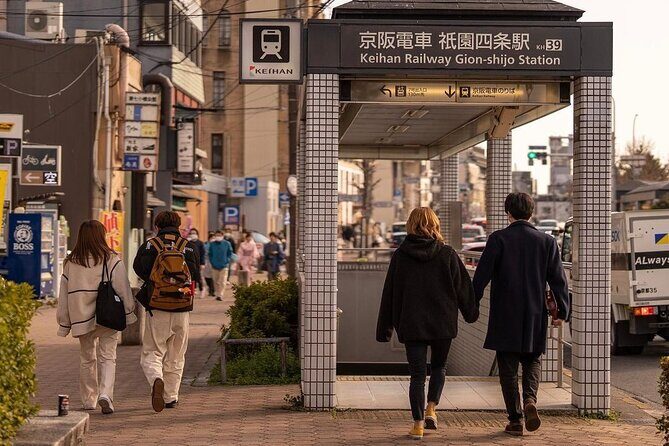
The meeting point is Kyoto Station, near Higashishiokoji Kamadonocho in Shimogyo Ward. The tour ends back at the same spot, so you don’t have to worry about where you’ll land after a morning of walking and temples.
Pickup is offered, and transport to attractions is included. That’s a big deal in Kyoto because mornings can be your only window before lines and crowds harden. A guide also helps you read the area in real time—where to slow down for views, where to cut across, and how to approach Gion streets without turning it into a frantic photo sprint.
Gion isn’t just “pretty streets.” A good guide will point you to the details that explain why people treat this neighborhood like a living chapter of Kyoto. In the best parts of the experience, you’re not just walking; you’re learning how the streets and shrines connect to the culture around them.
Gion’s shirakawa-style streets plus classic icons
A major chunk of the day starts in Gion, with a route that’s designed to showcase Kyoto’s most important and unique aspects while still staying customizable. One reason this works is that it gives you the sense of Kyoto in layers: older streets, then temple gravitas, then smaller corners that many people skip.
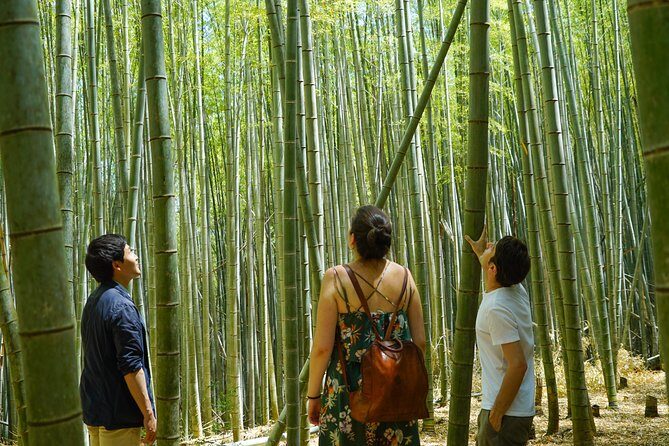
You’ll also have chances to work in some of Kyoto’s signature sights, depending on what you pick. The tour description highlights major Kyoto names such as Fushimi Inari Shrine and Kiyomizu-dera Temple, and it also points to Arashiyama Bamboo Grove as an included classic to consider. That’s great if you’re the type who wants “the poster-child Kyoto” but still wants a human to choose the order and pace.
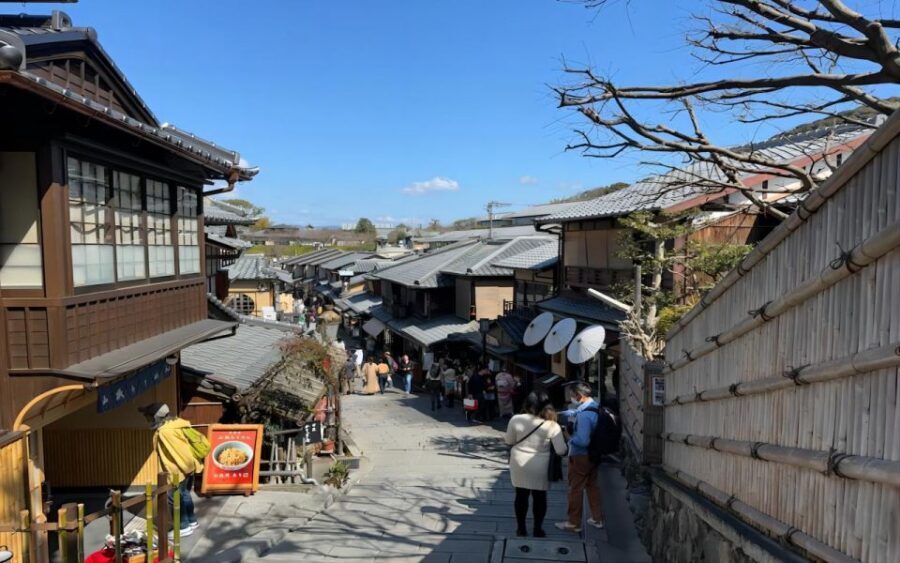
Gion Shirakawa is part of this morning. You’ll get a stroll along the picturesque canal-area atmosphere that gives Kyoto its postcard reputation. The practical benefit here: it’s a walk you can enjoy slowly even in a short tour, because you’re not managing entry tickets or trying to read signage in a hurry.
One thing to keep in mind: if you plan to add several big-name sights, you’ll want to decide priorities early with your guide. Three hours means you’ll likely do a “best of” version, not a long, sit-down version of everything.
The Izutsu Yatsuhashi stop: a tiny bite of Kyoto identity
At Izutsu Yatsuhashi Honpo in the Gion area (the specific stop listed is the Izutsu Yatsuhashi Honpo Gion store area), you’ll get a tasting moment that feels both local and low-pressure. This is the kind of stop that makes a morning tour more human, not just a checklist.
Yatsuhashi is strongly associated with Kyoto, and the value of this stop isn’t just sugar. It’s that you’re tasting something that belongs to this part of town, right where you are walking. It also gives you a natural break—short enough to keep momentum, long enough for your brain to reset.
Food stops work best when they’re paired with context. The guide’s job here is to connect the sweet to Kyoto’s traditions and everyday culture, not just hand you a treat and move on.
Shrines as your cultural compass: Tatsumi, Yasui-Konpiragu, and Yasakanoto
The tour includes several shrine stops, and that choice is smart. In Kyoto, shrines aren’t scattered random photo spots. They’re points in a cultural map, each with its own themes and rituals.
You’ll start with Tatsumi Daimyojin Shrine (Tatsumi Jinja). The description notes a history dating back over a thousand years. Even if you don’t go deep into background reading, that timeline changes the way you experience the space. You tend to slow down and notice the small details that make older sites feel different from newer tourist sets.
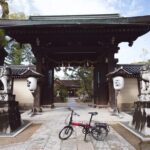
Next comes Yasui-Konpiragu. This shrine is famous in the tour description for unique stone monuments and rituals. When a tour includes something like that, it usually means you’ll get an explanation for what you’re looking at—why those stone markers exist, and what the ritual connections mean. That turns photos into understanding.
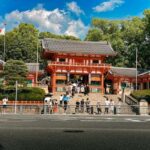
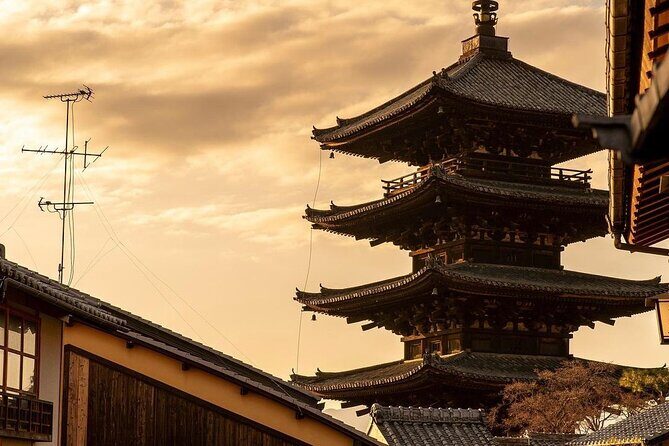
Then there’s Yasakanoto, described as a towering pagoda in Kyoto’s Gion district, with a history dating back centuries. Even in a short visit, pagodas create instant structure in your mind. You can use it as a landmark for the rest of the morning’s walking, and it helps you visualize how the area’s religious architecture fits into the neighborhood.
The practical takeaway: shrine-hopping is efficient in a private format because you can ask the guide questions on the spot. If something catches your eye—an offering setup, a carved element, a ritual display—you’re not stuck waiting until a later group discussion.
Other private tours in Kyoto





Izumo-no-Okuni statue: how Kabuki connects to Kyoto streets
The tour also includes a stop at the Statue of Izumo no Okuni. This is a small moment, but it gives you a strong cultural bridge: the description connects Izumo-no-Okuni to the origins of Kabuki theater.
That’s a fun stop because it breaks the temple-only pattern. You still stay in Kyoto’s spiritual and cultural world, but you also get a hint that performing arts have roots tied to the same neighborhoods people walk through today. It’s the kind of detail that makes your day feel like a story, not a series of unrelated stops.
If you’re someone who likes arts history, this will feel especially satisfying. If you’re not, it can still work as a quick “why should I care” moment for Kyoto beyond shrines and gardens.
Kiyomizu-dera: your longer, ticketed hour with Otowa Spring
Kiyomizu-dera Temple is the heart of the experience and the longer stop on the schedule, listed as about one hour with an admission ticket included.
This is one of Kyoto’s most famous temple sites, and the tour description calls out several features that help you know what to look for. You’ll see the viewing platform, the three-storey Koyasu pagoda, and the Otowa Spring, described as medicinal pure waters people seek for inspiration and health.
That information matters because it changes how you move once you arrive. If you know where the Otowa Spring is and what the viewing platform is known for, you don’t just wander. You aim. You take in the scale, then you pause where it matters.
A private guide can also help you avoid common time traps. In places like this, it’s easy to lose 20 minutes just trying to figure out the best route through the site. Here, your guide helps you focus your walk and keep your energy for the best viewpoints.
Even if Kiyomizu-dera is already on your must-see list, having someone connect the temple’s key elements—platform, pagoda, and the spring—makes the visit feel tighter and more meaningful.
Price and value for a $95, 3-hour private tour
At $95 per person for about 3 hours, this tour is priced like a practical luxury: you pay for a guide plus transport, and you buy back time and brainpower.
What you get that you might not get on your own:
- A local guide to explain what you’re seeing as you walk
- Transportation to attractions (which helps in Kyoto’s traffic-and-distance reality)
- Admission ticket included for certain stops, while others are free
- A private format where only your group participates
Is it worth it? For many people, yes—especially if:
- You have a limited morning window and want structure
- You’d rather spend energy listening and choosing than navigating
- You care about context, not just selfies
If you’re the type who loves spending entire days inside one temple complex or walking multiple neighborhoods slowly, then $95 for 3 hours may feel tight. But for a focused taste of Kyoto’s signature culture, it’s a strong value.
Also, booking in advance helps. The tour is commonly booked about 44 days ahead, which hints at seasonal demand. If your trip dates are fixed, you’ll want to lock it earlier rather than gamble.
Logistics that matter: weather, time window, and group size
This tour requires good weather. That’s not just a rule; it’s Kyoto reality. If it’s raining hard, you’ll spend more time huddled and less time enjoying the walking parts.
The scheduled daily window is listed as 9:00 AM to 11:30 AM, Monday through Sunday. Since the tour returns to Kyoto Station, you can plan your day after without chasing a new pickup point.
Because it’s a private tour, you’re not negotiating pacing with strangers. That’s helpful in morning temples and shrine areas where some people want to slow down and others want to rush to the next entrance.
One more real-world note: one review example mentions the operator cancelling one day before due to staffing constraints. That doesn’t mean it’ll happen to you, but it’s a good reminder to keep some flexibility in your schedule and have backup ideas if Kyoto weather turns or staffing changes.
Who should book this Kyoto treasures tour
This tour fits best if you:
- Want a guided morning that covers Gion and major temple culture in one sweep
- Like small, meaningful stops like Izutsu Yatsuhashi and the Izumo-no-Okuni statue
- Appreciate shrine context (instead of just walking past plaques)
- Prefer private pacing and the convenience of included transport
It may not be the best match if you:
- Want to stay for long, unhurried visits at multiple big-name attractions
- Need a very flexible start time outside the 9:00 AM to 11:30 AM window
In my view, it also works well as a “first checkpoint” tour. Even if you later return on your own, you’ll remember how the pieces fit together: Gion streets, shrine meanings, and the Kiyomizu-dera highlight.
Should you book it?
I’d book this if you want Kyoto with training wheels—guidance, pacing, and context—without spending a full day in logistics. The mix of Gion, a Kyoto food tradition through Izutsu Yatsuhashi, shrine variety, and the ticketed focus at Kiyomizu-dera gives you a morning that feels complete.
If you’re set on spending extra time in one specific place, you may be happier pairing this with a longer independent day. But for most first-timers and busy travelers, this is a practical way to get your bearings fast and still come away with stories, not just photos.
FAQ
How long is the tour?
It runs for about 3 hours.
Where does the tour start and end?
It starts at Kyoto Station (Higashishiokoji Kamadonocho, Shimogyo Ward) and ends back at the meeting point.
Is pickup available?
Yes, pickup is offered.
Is this a private tour?
Yes. Only your group participates.
Do I need to bring a ticket?
You’ll have a mobile ticket.
What’s included in the price?
A local guide and transportation to attractions are included, and some stops list admission tickets as included.
Which stops are included?
The tour includes Gion, Izutsu Yatsuhashi Honpo Gion area store, Gion Shirakawa, Tatsumi Daimyojin Shrine, Yasui-Konpiragu, Yasakanoto, the Statue of Izumo no Okuni, and Kiyomizu-dera.
What time does it run?
The listed hours are 9:00 AM to 11:30 AM (Monday through Sunday).
Is service allowed?
Yes, service animals are allowed.
What if the weather is bad?
The experience requires good weather. If it’s canceled due to poor weather, you’ll be offered a different date or a full refund.
Is there free cancellation?
Yes. You can cancel up to 24 hours in advance for a full refund.