Kyoto looks best when you move.
This early-bird e-bike tour strings together top sights in East and Southern Kyoto with just enough walking to actually feel the places, from the big wow of Fushimi Inari to quieter temple paths. I love the small group cap (eight people), because you ride as a real unit instead of a crowd, and the guide can actually steer the day. I also like that they handle the hard part for you: e-bike + helmet provided, so you can focus on route and timing, not logistics.
One thing to keep in mind is that it’s still a real bike day. You’ll have moderate riding with some uphills and you should be comfortable sharing roads and lanes, including busier areas around the temples and downtown.
In This Review
- Key Highlights at a Glance
- Why East Kyoto Looks Different at 8:00am
- Value Check: What $138.74 Buys You (and Why It’s Not Just Transport)
- The Ride Setup: E-Bikes, Helmets, and Real-World Comfort
- Stop-by-Stop: Fushimi Inari, Tofuku-ji, and the Kamogawa Glide
- Fushimi Inari-taisha Shrine (Walk time included)
- Tofuku-ji Temple (Short ride, pretty bridge moment)
- Kamogawa River (Extended riverside ride)
- Quick reality check
- Ginkakuji, Philosopher’s Path, and Nanzenji on Foot
- Ginkakuji Temple (Plus lunch rhythm)
- Philosopher’s Path (Tetsugaku no Michi)
- Nanzen-ji Temple (Temple grounds walking)
- Heian Shrine, Gion Backstreets, and Higashi Hongan-ji’s Cafe Stop
- Heian Shrine (courtyard stroll)
- Gion (ride through the entertainment district)
- Higashi Hongan-ji (wooden halls + favorite cafe)
- The Human Part: Guides Who Make the City Click
- Group Size, Pacing, and How Not to Fall Behind
- Food on the Route: Lunch Included, Plus a Cafe Break
- Who Should Book This East Kyoto E-Bike Tour
- Booking Tip: Make Sure Your Bike Fits
- Should You Book This Early-Bird East Kyoto E-Bike Tour?
- FAQ
- How long is the Early Bird E-biking through East Kyoto tour?
- What time does the tour start, and where does it meet?
- What’s included with the tour price?
- What group size is this tour?
- Do I need strong fitness to do the cycling?
- Are there age or height requirements?
- What should I know about weather and dietary needs?
Key Highlights at a Glance
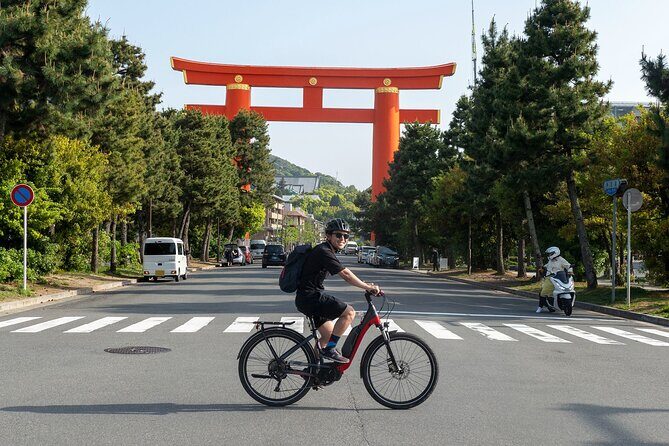
- Early start at 8:00am to beat crowds and get smoother riding
- Small group, max 8 travelers for tighter pacing and easier navigation
- Lunch included, plus a planned cafe stop later in the ride
- Top East Kyoto hits: Fushimi Inari, Tofuku-ji, Ginkakuji, Philosopher’s Path, Nanzenji, Heian Shrine, Gion
- Hassle-free gear with e-bikes and helmets included
- Admission tickets covered on the stops where entry applies
Why East Kyoto Looks Different at 8:00am
If you’ve ever tried to do Kyoto by foot, you know the truth: you spend half your day in lines, sideways crowds, and shoe-squeezing routes. I like this tour because it takes the opposite approach. You start early, you ride the connecting streets and river routes, and you only get off when it makes sense.
That timing matters. Fushimi Inari is famous for a reason, but crowds can turn the experience into a slow shuffle. With a morning launch, you get to focus on the shrine’s layout and atmosphere rather than just survival.
The “East Kyoto” angle is also smart. This route blends the big-name temple circuit (Ginkakuji, Nanzenji) with Kyoto’s quieter rhythms: canal and riverside riding, philosophical footpaths, and neighborhood lanes that don’t feel like tourist conveyor belts.
Other cycling tours in Kyoto


Value Check: What $138.74 Buys You (and Why It’s Not Just Transport)
Let’s talk price in practical terms. $138.74 is not a budget bike rental, but you’re not just paying for wheels. You’re paying for a plan that links multiple major sites into one day without you needing to map every turn, time every train transfer, or locate equipment.
Here’s what makes the cost feel more reasonable:
- Lunch is included (and the day has a clear eating rhythm, not random “find something nearby” chaos).
- E-bike + helmet are provided, so you don’t add cost or waste time figuring out rentals.
- Admissions are free or included across the day depending on the stop, which helps avoid surprise costs and uncertainty.
- Guiding and navigation are built in, so you’re not zigzagging around Kyoto’s back streets with your phone battery doing emergency CPR.
Also, the guide-led structure is a big deal for first-timers. If it’s your first Kyoto visit, you’ll learn how the neighborhoods and temples connect—so your later self-guided days make more sense.
The Ride Setup: E-Bikes, Helmets, and Real-World Comfort
You don’t need to hunt for gear. An e-bike and helmet are provided, which is great if you’re traveling light or you’re already juggling hotel check-ins, day tours, and train schedules.
E-bikes also change the math of temple touring. Kyoto’s sightseeing clusters involve slopes, stop-and-go walking, and distances that add up fast. With electric assist, you still get the experience of cycling through the city, but you’re less likely to arrive at Ginkakuji or Nanzenji as a sweaty mess with your legs already begging for mercy.
That said, be honest with yourself. The tour lists moderate physical fitness. You’ll be riding for stretches, and some paths can feel crowded or uneven. If you’re nervous about traffic or balancing through tighter lanes, do yourself a favor and practice a bit with the bike control before you push into busier areas.
Stop-by-Stop: Fushimi Inari, Tofuku-ji, and the Kamogawa Glide
Fushimi Inari-taisha Shrine (Walk time included)
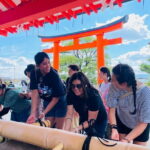
You start with a ride along the river—about 25 minutes—then step into Fushimi Inari-taisha for 30 minutes of walking. This shrine is famous for its torii gates and the steady rhythm of the path. Going early helps: you can take in the scale without feeling like you’re trapped in a slow-moving stream.
Admission here is free, so your time cost is mostly just your legs and your camera roll.
A few more Kyoto tours and experiences worth a look

Tofuku-ji Temple (Short ride, pretty bridge moment)
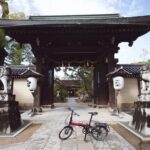
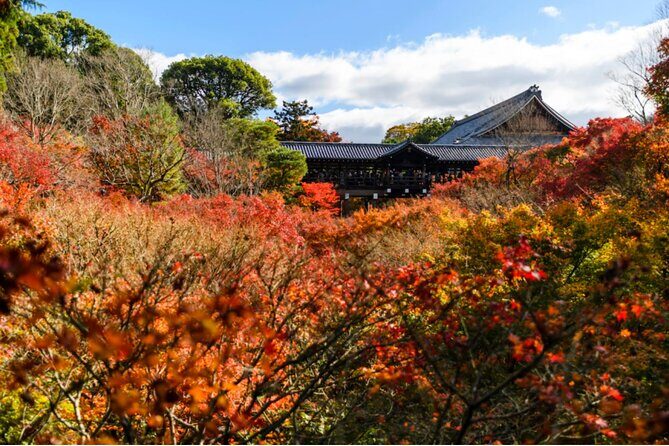
From there, the tour moves quickly—about 15 minutes to reach Tofuku-ji. You get a brief stop on a picturesque bridge, which is exactly the kind of small “Kyoto in-between” moment I like. It’s not the main event, but it breaks up the day nicely and gives you a visual breather.
This is 30 minutes on site, and entry is free.
Kamogawa River (Extended riverside ride)
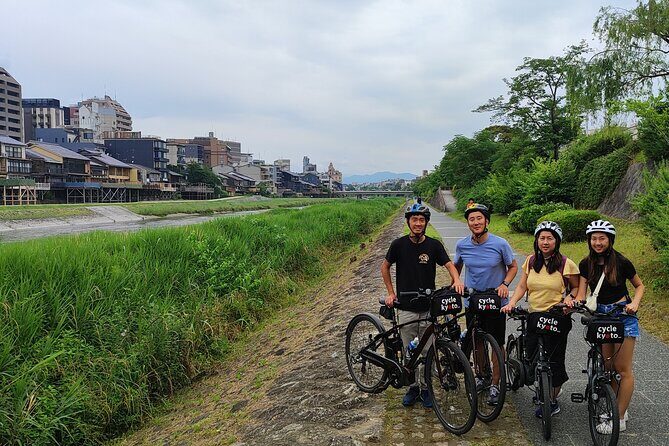
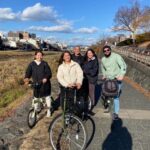
Then comes a change in pace: an extended ride along the Kamogawa River for about 30 minutes. If you only ever ride through big streets, Kyoto can feel all brakes and signals. The riverside route gives you calmer scenery and a more flowing sense of where you are in the city.
Quick reality check
At these early stops, you’ll feel the advantage of guided timing. You’re not just hitting temples—you’re also learning the best connections between them.
Ginkakuji, Philosopher’s Path, and Nanzenji on Foot
Ginkakuji Temple (Plus lunch rhythm)
Ginkakuji is next, with about 45 minutes for temple exploration. Entry is included here, and the time listing also covers a lunch stop nearby.
This is one of the most useful parts of the day: a planned meal means you don’t lose 30 to 60 minutes hunting for food once hunger hits and crowds spike. It also helps you keep your energy for the walking-heavy portions later.
One practical note: Ginkakuji is a well-known destination, so expect busy moments. The guide’s schedule helps you stay moving instead of getting stuck.
Philosopher’s Path (Tetsugaku no Michi)
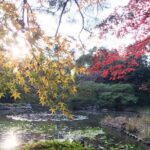
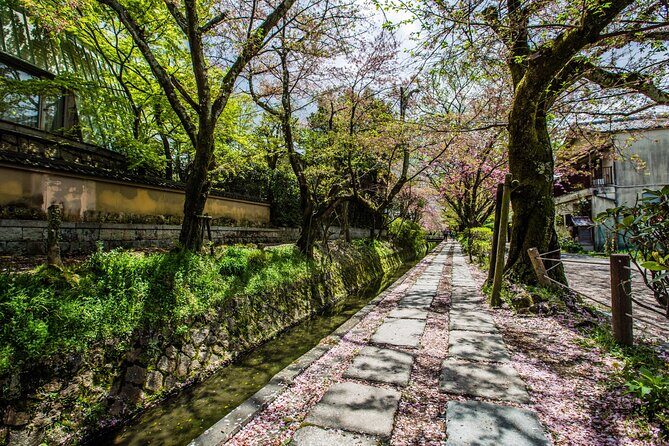
Next, you ride along Philosopher’s Path for about 45 minutes. This path of thought is scenic in every season, and it’s exactly the kind of place that feels slow in the best way—quiet, photogenic, and perfect for taking your time.
Admission is free. The only drawback is that the path can get busy depending on the day. You’ll want to listen for how the guide suggests managing time and photos so you don’t fall behind the group.
Nanzen-ji Temple (Temple grounds walking)
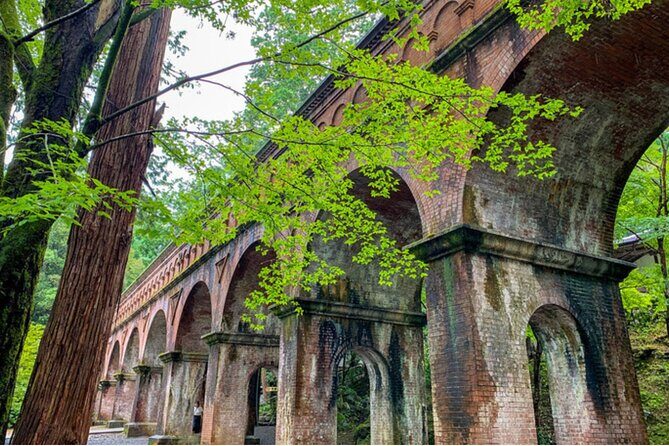
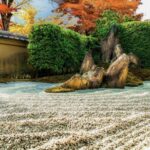
Finally, you walk through Nanzen-ji for about 45 minutes. This is where the tour shifts from “ride and view” to “slow down and absorb.” Walking the grounds lets you appreciate the layout, not just the postcard angles.
Admission is free. Expect a classic temple experience: stone, space, and a calmer mood once you’re off the busiest lanes.
Heian Shrine, Gion Backstreets, and Higashi Hongan-ji’s Cafe Stop
Heian Shrine (courtyard stroll)
After Nanzenji, you head to Heian Shrine. You’ll take a 35-minute stroll through the courtyard of Heian Jingu Shrine.
This stop is shorter than the temple-heavy moments, which helps the day stay balanced. It’s a nice reset before you enter the more lively districts.
Admission is free.
Gion (ride through the entertainment district)
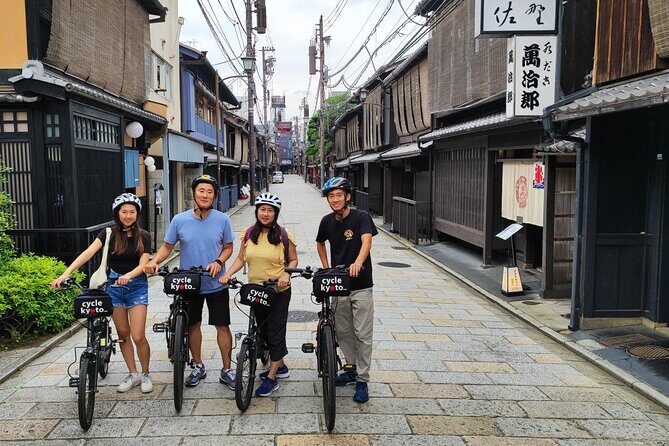
Then the bike ride turns into a neighborhood highlight: Gion. You’ll cycle through Gion’s backstreets for about 45 minutes. There’s a real sense of atmosphere here—wooden lanes, old architecture, and the possibility of spotting maiko or geiko.
Even when you don’t catch anyone, the backstreet riding is still worth it. It’s one of those “you can’t do this as fast by transit” experiences.
Admission is free.
Higashi Hongan-ji (wooden halls + favorite cafe)
Next is Higashi Hongan-ji, with about 15 minutes for a stroll through the wooden prayer halls. The listed time also includes a stop at the guide’s favorite cafe in Kyoto.
This is a great payoff moment. After hours of temples and lanes, sitting down for coffee gives you a reset without breaking the schedule.
Admission is free.
The Human Part: Guides Who Make the City Click
Here’s where the tour really earns its near-perfect ratings. The guides in this program tend to bring the places to life through stories, humor, and practical context—not just a list of facts.
From the guide names I’ve seen connected to this experience, you’ll likely get a different personality each day, but you’ll share the same goal: safe, smooth riding plus explanations you can use later. People highlight guides like Indra, Jay, Paul, Julian, Juan, Sean, Carl, Jaime, and Mayco for pacing, communication, and city insight.
A good example of what you should expect: guides who mix history with real-world pointers. Some guests specifically mention food and neighborhood tips, including knowing where to eat udon and how to spot Kyoto details you’d otherwise miss.
That said, the guide impact is also why you should ask yourself what you want most. If you want deep, stop-by-stop interpretation, go into the day open and engaged. If you prefer a more independent sightseeing pace, you might feel constrained by a set route and schedule.
Group Size, Pacing, and How Not to Fall Behind
This tour caps at eight travelers, which is one reason it feels manageable. A small group means:
- you can hear directions,
- the guide can adjust to the group’s speed,
- and you spend less time waiting in bottlenecks.
Still, you’re moving through real streets and busy tourist areas. Keep your head on a swivel. Follow the guide’s signals and expect a few stretches where you’ll be riding close to others.
Also, bring the right mindset. You’re not seeing Kyoto at leisure pace for an entire day. You’re seeing a lot of it efficiently, with walking time at key temples and guided stops that stay on schedule.
Food on the Route: Lunch Included, Plus a Cafe Break
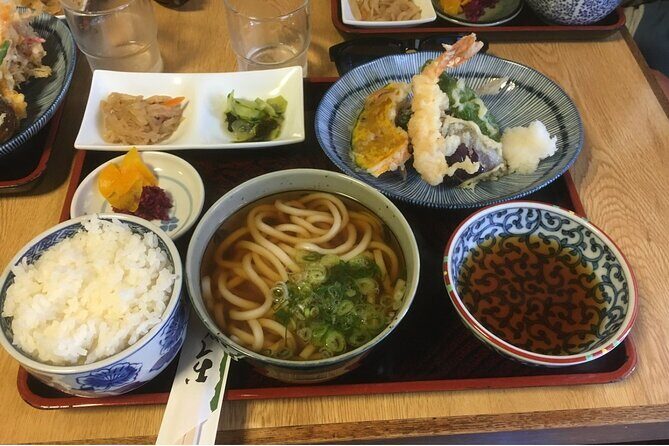
Food is built into the day twice: lunch near Ginkakuji and a cafe stop later at Higashi Hongan-ji.
That matters more than it sounds. Kyoto sightseeing often runs into the classic problem: once you commit to an attraction, nearby meals can be crowded, and finding a good option can become a time sink. Here, you don’t get stuck deciding while everyone else is starving.
Dietary requirements do need to be shared ahead of time. If you have restrictions, tell the operator early so they can plan appropriately. Don’t assume it’s handled last-minute.
Who Should Book This East Kyoto E-Bike Tour
You’ll likely enjoy this tour if:
- you want a first-day intro to Kyoto that hits major sights without chaos,
- you’re comfortable riding a bike for hours (with moderate effort),
- you want to cover East and Southern highlights in one structured loop,
- you like backstreets and riverside scenery, not only famous temple gates.
You might want to skip or rethink it if:
- you’re not comfortable riding in crowds or sharing busier streets,
- you can’t manage moderate physical effort, even with e-bike assist,
- you’re hoping for a totally flexible, self-directed itinerary.
Booking Tip: Make Sure Your Bike Fits
One practical lesson I’d take from any e-bike tour in a city like Kyoto: confirm bike sizing before the ride begins. With a group setup and set route, it’s hard to adjust if someone’s bike feels wrong in height or reach.
If you’re tall, short, or between sizes, make your needs clear early. A comfortable fit helps your safety and makes the whole day feel easier.
Should You Book This Early-Bird East Kyoto E-Bike Tour?
If you’re deciding whether this is the right use of time, here’s my straight answer: I’d book it for most first-time Kyoto visitors who want a high-value day with major sights plus neighborhood feel.
It’s a strong choice because you get multiple top temples, a small group, and lunch included, all wrapped into an early start that helps you avoid the worst crowd pressures. The e-bike format keeps the day enjoyable instead of exhausting, and the planned rhythm means you’re not constantly rethinking transportation.
Book it when you want structure with local flavor. Skip it if you want slow wandering without group pacing, or if you’re uncomfortable riding in busier areas.
FAQ
How long is the Early Bird E-biking through East Kyoto tour?
It runs about 6 to 7 hours.
What time does the tour start, and where does it meet?
It starts at 8:00am at Cycle Kyoto7 Higashikujō Nishisannōchō, Minami Ward, Kyoto, 601-8003, Japan.
What’s included with the tour price?
You get an e-bike and helmet, and lunch is included. Admission is free or included depending on the stop.
What group size is this tour?
The tour is capped at a maximum of 8 travelers.
Do I need strong fitness to do the cycling?
You should have moderate physical fitness. The tour includes riding with some uphills and time spent navigating busy areas.
Are there age or height requirements?
Yes. The minimum age is 13, and the minimum height is 145cm.
What should I know about weather and dietary needs?
The tour requires good weather; if canceled due to poor weather, you’ll be offered another date or a full refund. For food, you’ll need to share dietary requirements ahead of time.