Kyoto gets better with a guide nearby. This private tour is built for flexibility, so you can pick a start time and move at your own pace while a local host leads you through major sights and quieter lanes. I especially like how it mixes big-name Kyoto with off-the-beaten-path streets locals actually use.
I also like the smart pacing: it’s about 3 hours, with short stops (often around 20–30 minutes) so you’re not stuck all day. You’ll get a local drink/tasting, and there’s a ticket included for Kiyomizu-dera, which saves you time during peak crowds.
One thing to weigh: this experience depends heavily on your guide’s style and language ability. A small number of past guests raised concerns about guides who weren’t Japanese or weren’t fluent, so if you want lots of cultural nuance, set your expectations in advance.
In This Review
- Key things I’d look forward to
- How this private Kyoto tour really works
- Price and value: what $167.92 buys you
- Before you go: start point, timing, and the walking rhythm
- Kyoto Municipal Zoo area: feudal-feel lanes and craft shops
- Yasaka Shrine stop 1: Asuka-era Hokanji connection
- Kongoji Temple: the folk-faith side of Kyoto wishes
- Kiyomizu-dera: 1200+ years and the Mt. Otowa setting
- Yasaka Shrine stop 2 plus coffee break: famous, but with a breather
- Gion: geisha district streets and the right kind of strolling
- Kamogawa River: the walk that ties the day together
- Nishiki Market: 400-year-old bites and souvenir time
- Guides and what you can learn from their styles
- Who this tour fits best (and who might want something else)
- Should you book this private Kyoto highlights tour?
- FAQ
- How long is the Best of Kyoto Private Tour?
- What does it cost per person?
- Is it really private?
- Where do we meet for the tour?
- Does hotel pickup or drop-off happen?
- Are any temple or attraction tickets included?
- Is there any food or drink included?
- Does the tour end at the meeting point?
- Can I cancel for a full refund?
- Is the tour carbon offset?
- Can most people participate?
Key things I’d look forward to
- Private, just your party means no waiting around for other people’s photo stops
- Flexible start time helps you match Kyoto to your day and energy level
- Temple-and-street mix: old quarters, shrine history, Gion, and riverside views in one loop
- Included Kiyomizu-dera ticket plus a local drink/tasting keeps the tour feeling practical
- Time-efficient route: around 3 hours, so you can still do more Kyoto afterward
How this private Kyoto tour really works
This tour is designed for people who want Kyoto without the “herd herding” vibe. It’s private, meaning it’s only you and your local guide. That alone changes the feel of the day. You can slow down, speed up, ask questions, and spend a little extra time where you’re actually interested.
The schedule is compact too. Expect a loop through eastern Kyoto highlights—temples and shrines first, then Gion and the Kamogawa River, ending at Nishiki Market. Most stops are around 20–30 minutes, so you get variety without turning the day into a long endurance walk.
Also, there’s no hotel pickup. You’ll meet at a specific address and start from there, which is nice if you’re staying near transit, but it’s something you’ll want to plan for so you don’t burn time getting to the meeting point.
Other private tours in Kyoto
Price and value: what $167.92 buys you
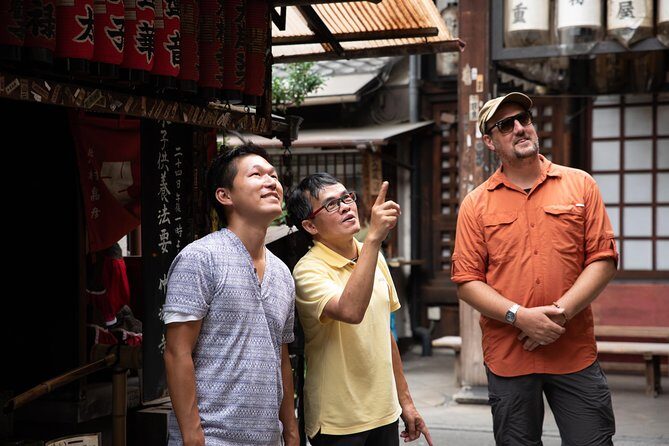
At about $167.92 per person for roughly 3 hours, this is not a budget group tour. The value isn’t in a long, stop-by-stop checklist. It’s in three practical things:
- A guide who can steer you through Kyoto on foot
You’re paying for someone to handle the route, timing, and the little moments you might miss if you’re figuring everything out alone.
- Admission and inclusions that reduce hassle
The tour includes tickets for Kiyomizu-dera and a local drink/tasting. That helps make the price feel less like “just guiding” and more like “you’re covered for key parts.”
- Flexibility
You choose the start time. In Kyoto, that matters. Morning vs. later can change crowd levels and how comfortable the walk feels.
If you’re traveling with kids, or you just don’t want to spend half a day commuting between sites, a private 3-hour format is often the sweet spot.
Before you go: start point, timing, and the walking rhythm
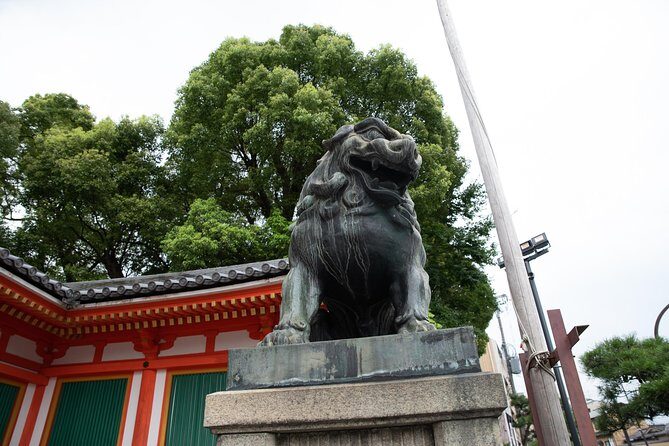
You’ll meet at 198 Nakanochō, Higashiyama Ward, Kyoto 605-0075. The tour ends back at the meeting point, so it’s an easy circle to plug into a bigger itinerary.
The tour is near public transportation, which is helpful. Still, no hotel pickup means you should give yourself buffer time to arrive. Kyoto is walkable, but hills and crowds can stretch your route.
One more detail: you’ll see plenty on foot, so it’s a good idea to wear comfortable shoes and plan for a moderate walking day. Since the stops are relatively short, you’ll likely be moving most of the time between sights.
Kyoto Municipal Zoo area: feudal-feel lanes and craft shops
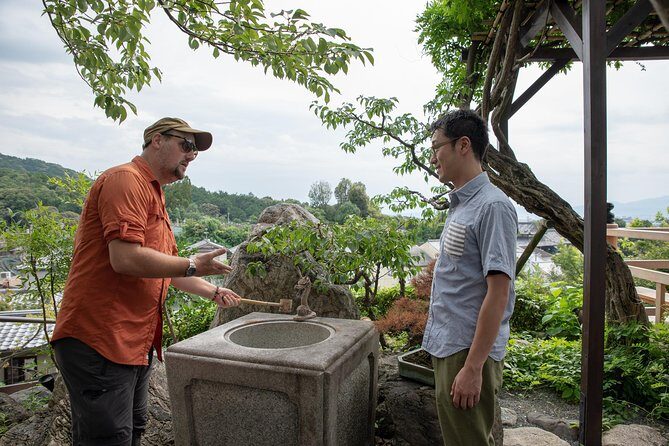
The tour starts by the Kyoto Municipal Zoo and then shifts into a neighborhood that keeps a feudal-era look. Think narrow lanes, wood-built character, and streets that feel more like a living quarter than a sightseeing corridor.
This is one of the more relaxed segments of the route. You’re not racing to an entrance. You’re getting your bearings. You’ll pass areas lined with traditional-style pottery stores and tea houses, and you’ll have a chance to notice how old Kyoto still functions as a neighborhood, not just a postcard.
Why this stop matters: it helps you get into Kyoto’s rhythm early. If your day starts right at big-ticket temples, it can feel like overload. Starting in this quieter quarter makes the rest of the tour click.
Yasaka Shrine stop 1: Asuka-era Hokanji connection
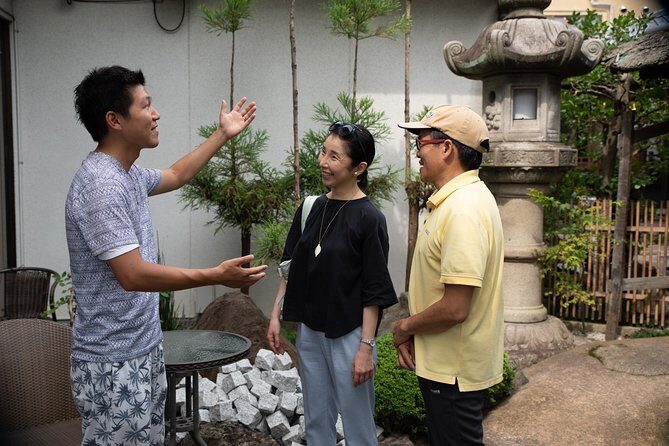
Next you’ll visit the Yasaka Shrine area, with a stop that highlights nearby Hokanji temple, said to have been built in the Asuka period (538–710).
Asuka-era context can sound abstract—until someone connects it to what you see on the ground. Even if you only catch a couple of key story points, it gives you something to look for: age, continuity, and why shrines and temples cluster the way they do across Kyoto’s districts.
This is also one of the free-admission segments, so it’s an efficient way to learn without paying extra.
Potential drawback: in a short tour, the guide has to choose what to emphasize. If you’re the type who wants the full story of every structure, you may wish you had a longer, temple-focused day.






Kongoji Temple: the folk-faith side of Kyoto wishes
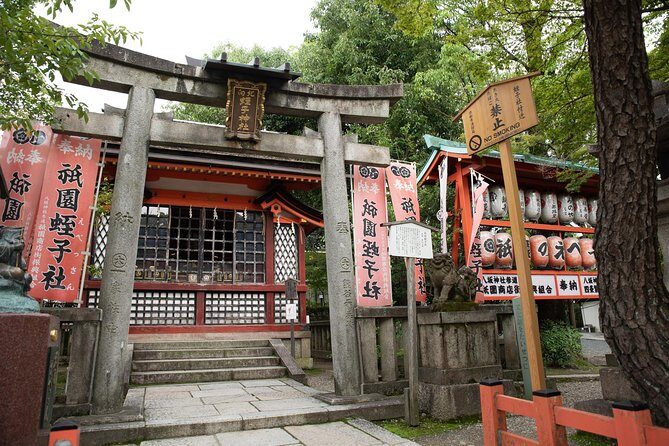
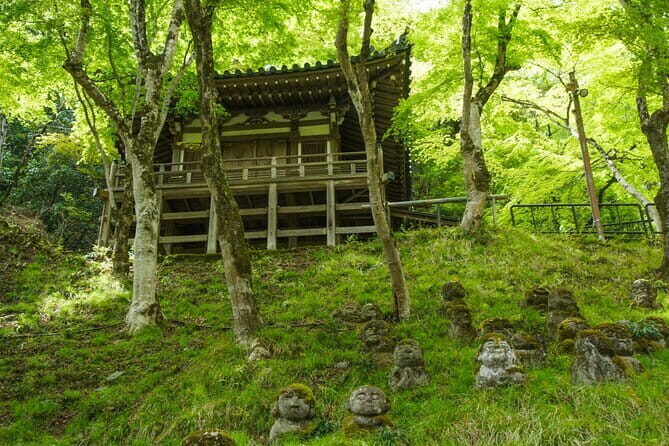
After that, you’ll head to Kongoji Temple. This stop centers on a folk faith belief: if you want a wish granted, you must sacrifice one desire.
What I like about a stop like this is that it gets you out of the purely architectural mindset. Kyoto’s religious culture isn’t just about buildings. It’s also about practices people do—small actions with meaning behind them.
You’ll get around 20 minutes here, which is enough time to understand the idea and spend a moment absorbing the atmosphere without turning it into a long wait.
Tip for you: if you’re curious about how people actually interpret these beliefs today, this is a great moment to ask your guide how locals talk about them, not just the official version.
Kiyomizu-dera: 1200+ years and the Mt. Otowa setting
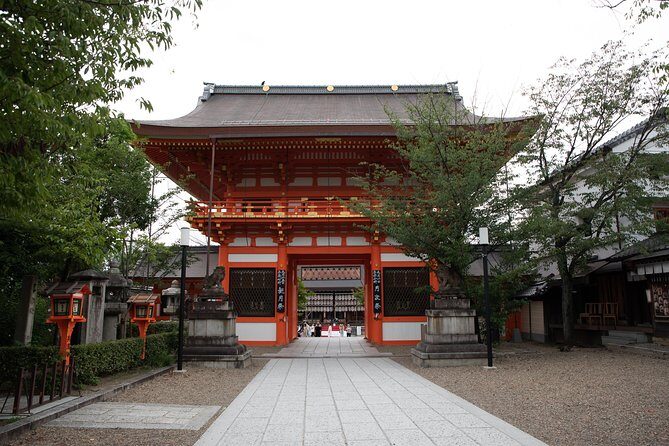
Then comes Kiyomizu-dera, one of Kyoto’s big “how can it be this old?” places. The temple is described as founded over 1,200 years ago, and it’s positioned halfway up Mt. Otowa in the Higashiyama mountain range.
This stop is also where the tour gives you practical value: tickets for Kiyomizu Temple are included. That’s a real time-saver when crowds build, and it removes one more small decision you’d otherwise have to make mid-day.
You’ll get about 30 minutes, which means you’ll likely do the essentials: take in the main viewpoint area, look for the architectural elements that make this temple famous, and get a feel for why the setting matters.
What to watch for: this is a popular zone. Even in a private format, you’ll feel the energy of visitors. If you want fewer people in your photos, bring your patience and be ready to shift your angle slightly.
Yasaka Shrine stop 2 plus coffee break: famous, but with a breather
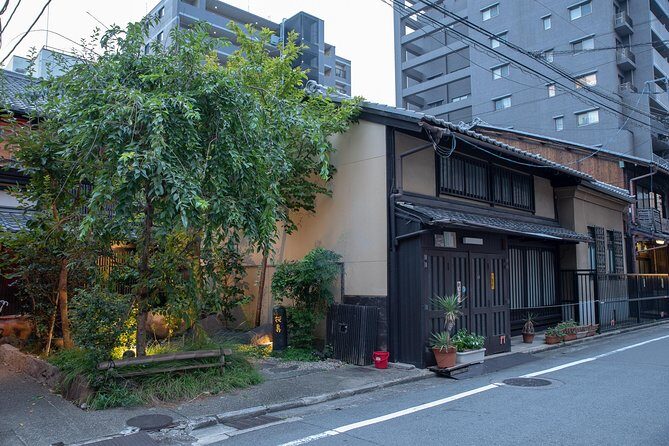
After Kiyomizu-dera, the tour loops back toward Yasaka Shrine again. Right before that, you’ll have a coffee stop.
That break is more important than it sounds. Kyoto walking can stack up quickly—stairs, uneven sidewalks, and the stop-and-start rhythm of sightseeing. A planned coffee moment helps you keep your energy steady for Gion and the riverfront.
This Yasaka Shrine stop is described as being founded over 1,350 years ago. So you get a second chance to notice details and compare the feeling with the earlier Asuka-era connection area.
Gion: geisha district streets and the right kind of strolling
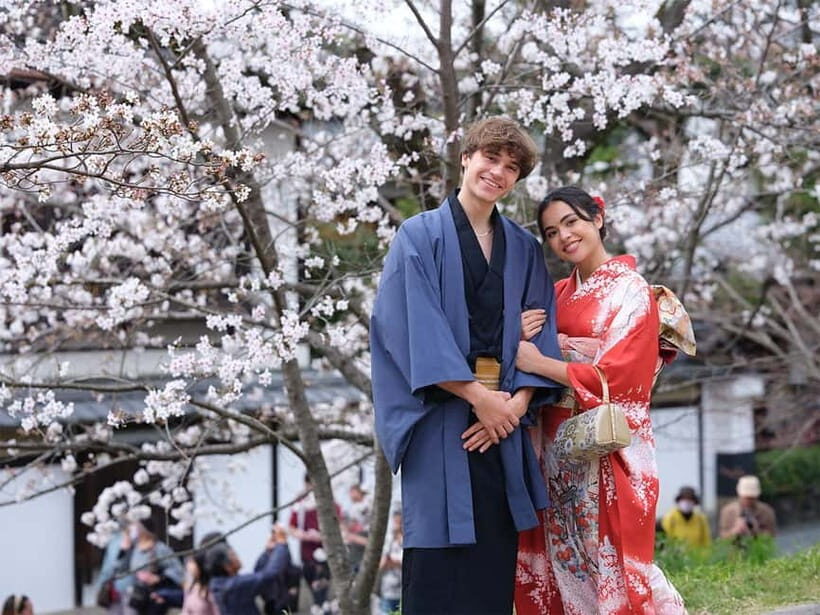
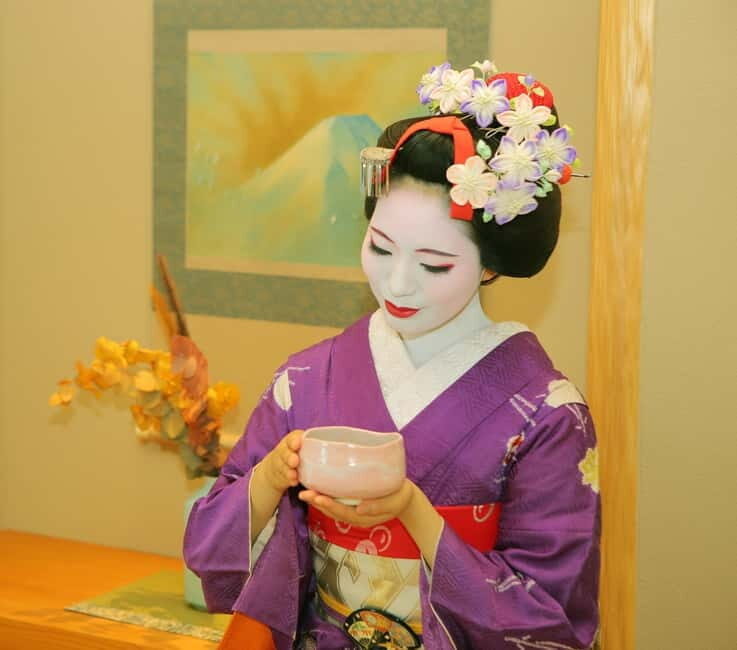
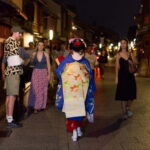
Next is Gion, Kyoto’s most famous geisha district. You’ll have about 20 minutes here, which is plenty for a quick, respectful walk through the streets and to look for the textures that make the area feel distinctly Kyoto—wood facades, old street patterns, and the overall atmosphere.
Why Gion works in a 3-hour tour: it gives you one of Kyoto’s signature districts without consuming your whole afternoon. If your schedule is tight, this structure makes sense.
If you’re photographing, focus on small scenes rather than trying to freeze the entire street. In a short time window, small details usually beat chasing the perfect wide shot.
Kamogawa River: the walk that ties the day together
Then you’ll head to the Kamogawa River. This is described as Kyoto’s most famous, arguably most popular river, and it’s the kind of stop that turns the city from “buildings” into “movement.”
This stretch is about 20 minutes. The real value is the atmosphere: reflections when conditions allow, a calming rhythm compared with temple crowds, and easy access to the kind of promenade feeling that makes Kyoto so memorable.
Practical note: the river area is often a visual break. After temples and shrines, your brain needs a reset, and the Kamogawa walk gives you that.
Nishiki Market: 400-year-old bites and souvenir time
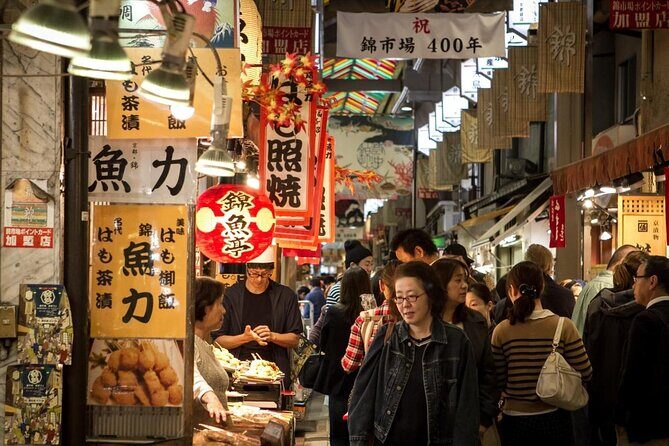
Your final stop is Nishiki Market Shopping District, described as a 400-year-old market. You’ll have around 20 minutes to browse and sample local Japanese goodies.
This is a smart ending point because it’s practical. You can turn your sightseeing momentum into food, snacks, and small souvenirs without adding another long commute.
Since the tour includes only a local drink/tasting, treat Nishiki as the place to add your own extras if you feel like it. The market is built for sampling, so you’ll likely find plenty of low-commitment items that are easy to try in small portions.
Guides and what you can learn from their styles
A big reason people rate this type of private tour so highly is that the guide shapes what you take away. Past experiences include guides such as David, Guia, Tiro, Ted, and Shohei, and their reported strengths cluster around a few themes:
- making history and culture feel connected to what you’re seeing
- adjusting to families and questions on the fly
- steering you into less-crowded street scenes around major landmarks
Still, there have also been complaints about guide fit and language comfort. So here’s my practical advice: if you care about deep cultural explanations, send a note ahead of time about what you want—temple beliefs, neighborhood history, or how to understand Gion respectfully. That sets you up for a better match.
Who this tour fits best (and who might want something else)
This is a strong choice if you:
- want a 3-hour Kyoto plan that doesn’t swallow your whole day
- like the idea of major highlights plus quieter lanes
- prefer a private format with a real conversation
- want Kiyomizu-dera ticket handled for you and a planned tasting drink
It may not be ideal if you:
- expect hours of deep temple storytelling for a low price
- need hotel pickup or complicated logistics support (it’s not included)
- have a strict requirement for guides with specific language skills
For most visitors, though, this tour hits a practical sweet spot: enough structure to reduce stress, enough freedom to stay human.
Should you book this private Kyoto highlights tour?
I’d book it if you want a small, efficient Kyoto walk with a guide who can help you see more than the usual photo spots. The mix—feudal-feel lanes, shrine history, Kiyomizu-dera, Gion, the Kamogawa River, and Nishiki Market—is a smart way to get a rounded first taste of eastern Kyoto without committing to a full day.
Skip it if you’re only looking for the cheapest way to visit temples, or if you’re the type who wants a long, lecture-style history session. If that’s you, you may prefer a longer guided program focused on one or two areas.
FAQ
How long is the Best of Kyoto Private Tour?
It’s listed at about 3 hours.
What does it cost per person?
The price is $167.92 per person.
Is it really private?
Yes. It’s a private tour, just you and your local guide.
Where do we meet for the tour?
The meeting point is 198 Nakanochō, Higashiyama Ward, Kyoto 605-0075, Japan.
Does hotel pickup or drop-off happen?
No. Hotel pickup and drop-off are not included.
Are any temple or attraction tickets included?
Tickets for Kiyomizu Temple are included. Other listed stops show free admission.
Is there any food or drink included?
The tour includes 1 local drink/tasting, and there is a coffee stop on the route. Food and beverages not listed as inclusions are not included.
Does the tour end at the meeting point?
Yes, it ends back at the meeting point.
Can I cancel for a full refund?
Yes, free cancellation is available up to 24 hours in advance for a full refund.
Is the tour carbon offset?
Yes. The tour is listed as CO2 neutral, with emissions offset.
Can most people participate?
Most travelers can participate.