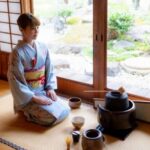
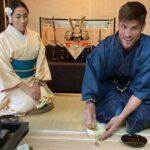
Kyoto can be more than temples and trains. This izakaya-style cooking class focuses on real home techniques, starting with dashi and Japanese seasoning so you can cook the flavors beyond soy sauce and hope. I especially love how hands-on the class feels, with clear guidance that keeps you moving from chopping to cooking. One thing to consider: drinks like sake may cost extra unless the listing specifically says they’re included.
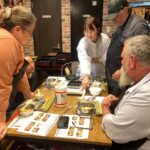
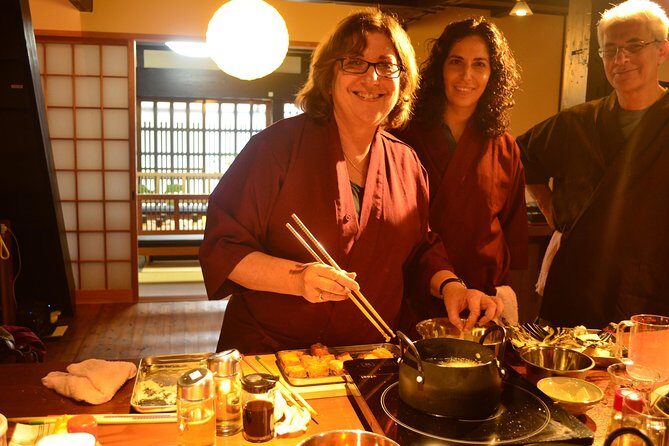
What makes it work is the setup: a small group (max 8) at Cooking Sun, in a traditional wood house setting, with an English-speaking instructor leading you through the whole process. You’ll start with the backstory of izakaya culture, then learn multiple dishes, and finish by eating what you make for dinner. You also leave with recipes, so this is more than a one-time meal.
In This Review
- Key Things to Know Before You Go
- A Taste of Kyoto Nightlife, Without the Guesswork
- What You’ll Cook: Dashi, Seasoning, and Classic Izakaya Plates
- Cooking Sun’s Traditional Wood-House Setting
- The 2pm Lesson Flow: History First, Then Hands-On Cooking
- Dashi and Japanese Seasoning: The Skill That Transfers
- Dinner on Your Own Plates: Eat, Taste, Adjust
- Price and Value: Is $71.63 Worth It?
- Who This Kyoto Class Fits Best
- Practical Tips for Your 2pm Start
- Should You Book This Izakaya Cooking Class in Kyoto?
- FAQ
- What is the duration of the Izakaya Style Cooking Class?
- What time does the class start in Kyoto?
- Where does the class meet?
- What’s included in the price?
- Are drinks included?
- How many people are in each class?
- Can I request dietary accommodations?
- Is there a mobile ticket?
- What is the cancellation policy?
- Are recipes included to take home?
Key Things to Know Before You Go
- Dashi is the anchor skill: you’ll learn how to make Japan’s soup stock and use it in the cooking flow.
- Small-group format (max 8) means real attention and quick help at the cutting board.
- Recipes to take home so you can recreate the seasoning and sauces later, not just remember them.
- Menu can vary by season even if examples include sesame spinach, teriyaki, tempura, and vegetable rice.
- Sake might not be included if you’re offered it during dinner; ask first if it matters to your budget.
A Taste of Kyoto Nightlife, Without the Guesswork
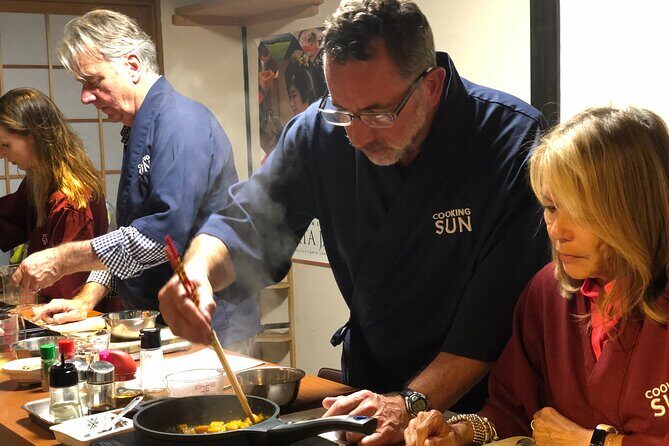
Izakaya food is basically Japan’s answer to tapas: casual, shareable, and built for hanging out over drinks. The clever part of this class is that you don’t just copy a single dish. You build the building blocks—seasoning logic, how to balance flavors, and how dashi changes everything.
What you’re really buying is confidence. When you learn how Japanese soup stock and seasoning are used across several dishes, you stop cooking with blind substitutions. And because the class ends with dinner, you taste your results immediately, which makes the techniques stick.
Other cooking classes in Kyoto


What You’ll Cook: Dashi, Seasoning, and Classic Izakaya Plates
The class centers on Japanese seasoning techniques and dashi (Japanese soup stock). Dashi sounds simple, but it’s the backbone of so many savory flavors in Japanese home cooking. Learning it in a guided setting helps you understand how it’s meant to taste—lighter and more layered than people expect.
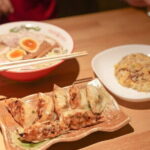
Your dish list is built around izakaya favorites you can actually find in casual restaurants, not just tourist menus. The examples you might see include:
- Spinach with sesame sauce
- Teriyaki yellowtail
- Vegetable chowder
- Mushroom tempura
- Rice with vegetables
That said, your menu may vary based on seasonal ingredients. This is normal for Japan, but it does matter if you’re aiming for a specific dish (like noodles). If you have strong preferences, ask what’s most likely to be on your date when you book.
A big reason this class gets strong praise is the variety. Many participants end up making multiple dishes in one sitting, not a slow cook-and-wait single recipe. If you want a practical way to learn Japanese flavor combinations fast, this is the format that delivers.
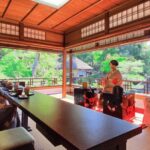
Cooking Sun’s Traditional Wood-House Setting
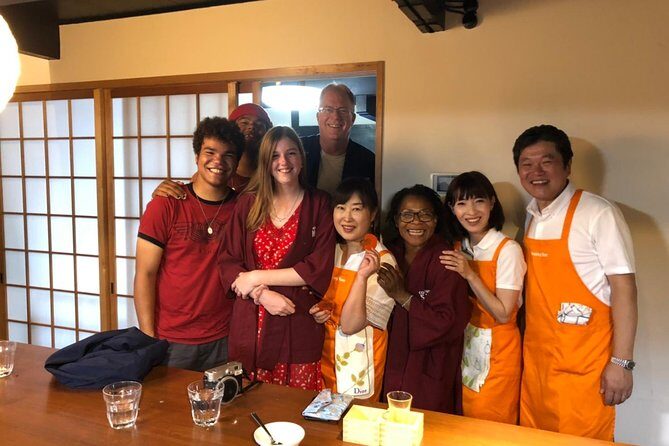
The lesson happens at Cooking Sun, with the studio location provided at booking time. The address listed for the meeting point is 679 Funayachō, Shimogyo Ward, Kyoto. It’s near public transportation, so you can usually plan your day without turning Kyoto logistics into a full-time job.
You’ll work in a space set up for cooking classes, with the tools and layout designed to keep you moving. From the way the class runs, it seems like they keep prep efficient so you’re cooking more than standing around. That matters in a 3-hour experience—time moves fast, and the staff clearly designed the flow to support that.
Also, you’ll get an apron. Small detail, but it saves you from worrying about clothing when you’re chopping, frying, and working with sauces.
The 2pm Lesson Flow: History First, Then Hands-On Cooking
You start at 2:00 pm and spend about 3 hours total. The class structure is basically: intro → technique demo → hands-on cooking → dinner, all in one continuous session.
First, you get an introduction to izakaya culture and why it took shape in Japan. The story they share ties izakaya origins to older sake culture, including the idea that rice had been taxed to brew sake. It also connects to the Edo era, when bottle shops started serving dishes alongside sake to help sell the drinks. The result is the modern izakaya vibe: affordable plates, casual parties, and a place where different ages can show up.
Then comes the ingredient and technique talk from the chef/instructor. Expect an English-speaking lead to explain what each ingredient does, plus how the sauces and seasonings are different from dish to dish. This matters because izakaya food often feels “simple” until you taste it closely. The class helps you understand where that flavor actually comes from.
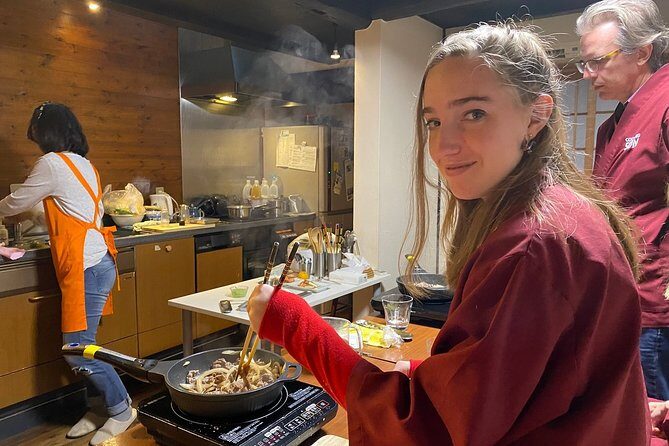
When it’s time to cook, you follow along with guidance, then take over at your station. In many sessions, ingredient prep is kept minimal so you can produce more dishes within the time limit. It’s one of those hidden advantages of a well-run class: you can focus on the cooking skills instead of fighting your way through raw prep.
Dashi and Japanese Seasoning: The Skill That Transfers
If you remember one part, make it dashi. Once you understand how dashi shows up in a dish, you can start thinking like a cook rather than a recipe follower.
Japanese seasoning is often about balance: salty, savory, and gentle sweetness all working together without one flavor shouting over the rest. In a class like this, you’re not just learning a list of ingredients. You’re learning how dashi, sauces, and toppings interact so the plate tastes right at the end.
This is also why taking recipes home is so valuable. You can recreate a dish you love, yes. But more importantly, you can recreate the seasoning decisions that make the dish taste like Japanese home cooking instead of an imitation.
And since you’re eating your food at the end, you’ll know quickly if the balance worked. That feedback loop is a big part of why cooking classes can improve your real-life cooking fast.
Other drinking tours in Kyoto




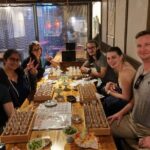
Dinner on Your Own Plates: Eat, Taste, Adjust
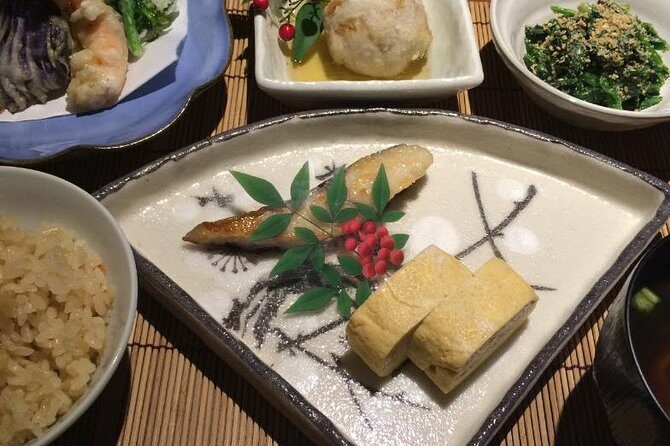
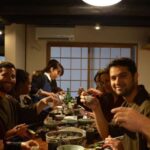
At the end, you sit down with your group and eat what you cooked for dinner. This is where the whole thing clicks. Food tastes different when you’re involved in the choices—cut size, heat control, sauce timing, and plating.
It also helps you spot what to adjust next time. Maybe a sauce needs a slightly different dilution. Maybe the sesame flavor is stronger than you expected. Maybe tempura stays better when you fry closer to serving. The dinner phase turns the lesson into a meal with immediate payoff.
One practical note: the class includes dinner as part of the price. But drinks aren’t automatically included unless specified. In one case, sake was offered during the meal and later charged separately (people reported 600 yen per glass). If you want alcohol—or if you’re avoiding it—clarify early so you’re not surprised.
Price and Value: Is $71.63 Worth It?
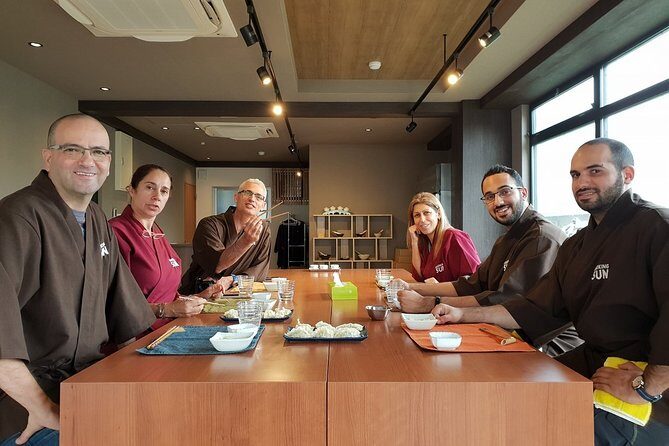
At $71.63 per person, this class lands in the “yes, if you’ll use it” category. You’re paying for:
- Dinner
- All ingredients
- An English-speaking cooking instructor
- An apron
Not included: food and drinks unless specified, and no hotel pickup/drop-off.
Here’s how that becomes value. You’re getting multiple dishes in one session, which usually means more technique coverage for your time. You’re also getting recipes to take home. If you’ll cook even one or two of the dishes again, the per-meal cost starts to look very reasonable—especially compared with paying for a bunch of separate restaurant meals and then not knowing how to recreate them.
It’s also a good deal because the group size is capped at 8. You’re not competing for attention in a crowd, and the format supports hands-on teaching.
If you’re the type who loves planning ahead, group discounts are listed as a feature too. If you’re traveling with friends or family and can coordinate, that’s an easy way to stretch the budget.
Who This Kyoto Class Fits Best
This experience is a strong match for beginners and intermediate cooks alike. Beginners get a guided path into dashi, seasoning, and common izakaya flavors. More experienced cooks can focus on technique details—like how sauces behave and how balance changes once dashi is involved.
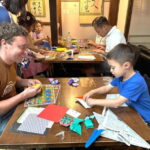
It’s also family-friendly. People have done it with children, and the instructors adjusted in a way that let everyone participate. If you’re traveling with kids, keep in mind it’s still cooking work, so you’ll want to be okay with some noise, knives, and hot pans as part of the learning process.
Vegetarians and allergy-sensitive diners also have a clear path: the instructions say to advise dietary requirements at booking. In practice, the team has handled dietary needs when people shared them in advance, including allergy concerns and vegetarian adjustments. If this applies to you, send your needs early and be specific.
Practical Tips for Your 2pm Start
A cooking class is only fun if the day around it is calm. Here’s how I’d set you up for success.
- Arrive a few minutes early so you can settle before tools come out.
- If you have allergies or a dietary restriction, mention it at booking time.
- Keep expectations flexible about the exact menu. Seasonal ingredients can shift dishes.
- If sake or other drinks might interest you, ask whether it’s included or priced separately.
- Bring comfortable clothes you don’t mind getting a little splatter-proof (even with an apron).
Also, expect a mobile ticket. That’s one less thing to worry about when you’re moving around Kyoto.
Should You Book This Izakaya Cooking Class in Kyoto?
Book it if you want to learn Japanese flavor skills you can actually repeat at home. This class is built for transfer: dashi and seasoning techniques plus a set of practical dishes you’ll recognize as izakaya-style comfort food.
Pass on it only if your main goal is a very specific dish (like a particular noodle-based plate). The menu can change with the season, and it’s designed around availability rather than a fixed checklist.
If you’re trying to experience Kyoto cuisine beyond sushi and teriyaki, this is one of the most useful ways to do it. You’ll leave with dinner, recipes, and the kind of know-how that turns Japanese cooking from a guessing game into something you can do on a normal weeknight.
FAQ
What is the duration of the Izakaya Style Cooking Class?
It runs for about 3 hours.
What time does the class start in Kyoto?
The start time is 2:00 pm.
Where does the class meet?
The meeting point is Cooking Sun at 679 Funayachō, Shimogyo Ward, Kyoto. The specific cooking studio location is provided after booking.
What’s included in the price?
The class includes dinner, all ingredients for cooking, an English-speaking cooking instructor, and an apron.
Are drinks included?
Food and drinks are not included unless specified.
How many people are in each class?
A maximum of 8 people per booking (and maximum 8 travelers for the activity).
Can I request dietary accommodations?
Yes. You should advise any specific dietary requirements at the time of booking.
Is there a mobile ticket?
Yes, the tour includes a mobile ticket.
What is the cancellation policy?
Free cancellation is available up to 24 hours in advance for a full refund. Less than 24 hours before the start time is not refunded.
Are recipes included to take home?
Yes. You leave the session with the recipes so you can cook the dishes later.