Kendo is an instant reality check. In this Kyoto private class with Atelier NIN, you learn basic kendo and traditional sword-handling in a safe, structured way, not a showy demo. I love the hands-on training tools (bamboo practice swords, foam swords, and blunt replicas), and I also love that you get full instructor attention in a small group. The one thing to think about: tatami mat cutting is part of the story, but there are also reports it may not happen depending on what’s legally allowed and how that specific session runs.
You meet near Shugakuin Imperial Villa, in an area that feels quieter than central Kyoto. If you like stepping away from crowds and getting a real taste of feudal-era discipline—stomping footwork, controlled swings, and careful posture—this is a fun match. Just don’t plan to use the 2-hour window as a long, intense sparring session; time can also go to dressing and photos, depending on the group and the instructor.
In This Review
- Key things I’d prioritize
- Private Kendo in Kyoto: What the Shugakuin Area Feels Like
- Your First Lesson: Kendo Basics Without the Pressure
- The Sword Gear Part: Training Uniforms and Practice Tools
- Teacher Spotlight: Small-Class Coaching From Sensei Taka and Kengo
- Tatami Cutting: The Big Finish You Should Confirm
- Shugakuin Imperial Villa Stop: A Calmer Kyoto Break
- A Realistic Look at the 2-Hour Timeline
- Price and Value: Is $105.68 Worth It?
- Who This Kyoto Kendo Experience Is Perfect For
- Should You Book Atelier NIN’s Kendo Class?
- FAQ
- What is the duration of the kendo and sword experience in Kyoto?
- How much does this Kyoto kendo class cost?
- Where do you meet for the class?
- Is tatami mat cutting included?
- Do you need martial arts experience?
- What tools will you use during training?
- Will you be able to take photos and videos?
- Are the classes private?
- Is there free cancellation?
- Is this experience easy to reach by public transportation?
Key things I’d prioritize
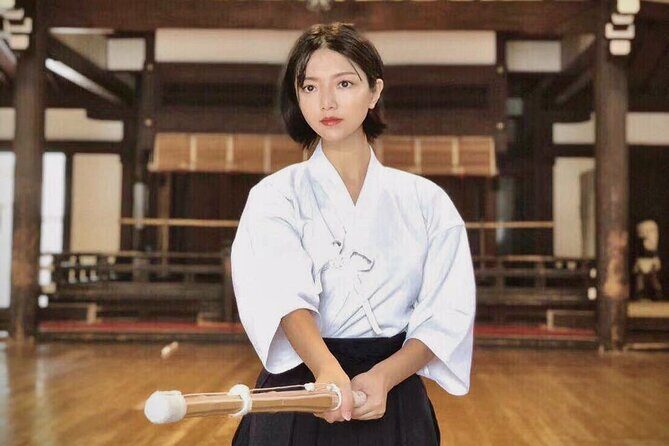
- Private-style coaching so your grip, stance, and swing actually get corrected
- Training gear and practice tools like bamboo sticks, foam swords, and blunt replicas
- Photo and video help so you’re not stuck fumbling your phone during the fun parts
- A real “instruction-to-cut” flow, but with a possible tatami cutting caveat
- Outskirts-of-Kyoto location that feels calmer than the main sightseeing routes
Private Kendo in Kyoto: What the Shugakuin Area Feels Like
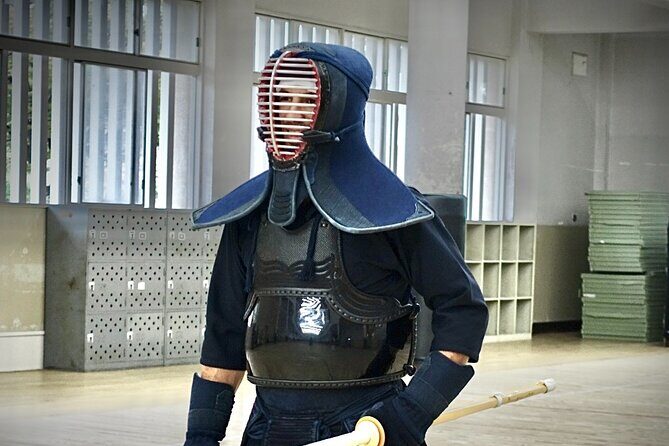
This class starts near Shugakuin Imperial Villa, and that matters more than you might think. Kyoto can feel like nonstop footsteps and buses. Here, the setting is calmer, and you’ll often find yourself thinking less about sightseeing and more about what you’re doing—sword angles, foot placement, breathing, and control.
Also, the meeting point is a studio location (studio NIN 修学院16 Shūgakuin Daidōchō, Sakyo Ward). More than one person noted that the area can be hard to locate if you’re not expecting a quieter pocket of the city. I’d treat this like a small local appointment: give yourself a buffer for getting there, and if you’re even slightly unsure, plan to confirm directions ahead of time.
The biggest practical advantage of a small group (max 15) is the attention. You’re not just getting ushered through a costume moment. You’re learning how kendo and sword discipline are taught: start with basics, then add realism and intensity step by step.
A few more Kyoto tours and experiences worth a look

Your First Lesson: Kendo Basics Without the Pressure
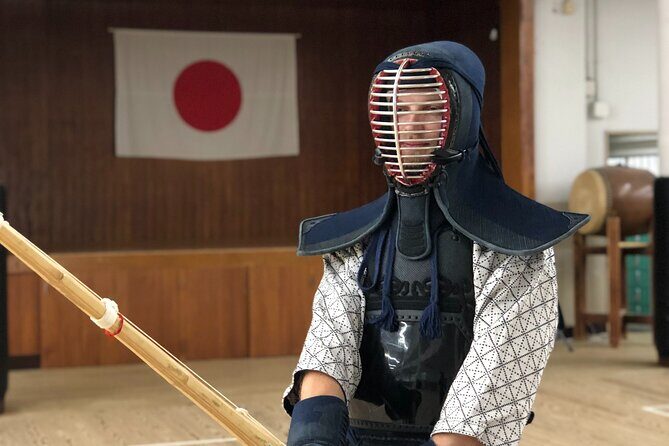
You do not need prior martial arts experience. That’s the whole point of the way this is structured: it’s a beginner-friendly path into kendo movements and sword handling.
Here’s what this kind of instruction usually feels like at the start, and what you should watch for:
- You’ll learn how to handle practice tools safely, including grips and basic swing mechanics
- You’ll practice posture and movement patterns you can carry from one exercise to the next
- You’ll get corrections early, which helps you avoid doing things the hard way later
A common theme from the class experience: kendo is not just about swinging hard. One of the most praised parts is that it’s technique-focused. You’ll likely hear and see that lesson in real time—how efficiency beats brute strength. That’s also why the class can be fun even if you’re not a “sports person.” You’ll still feel progress.
And it’s not only technique. You get some background on samurai culture and the spirit behind disciplined training. That context can turn the whole experience from random sword waving into something that makes sense.
The Sword Gear Part: Training Uniforms and Practice Tools
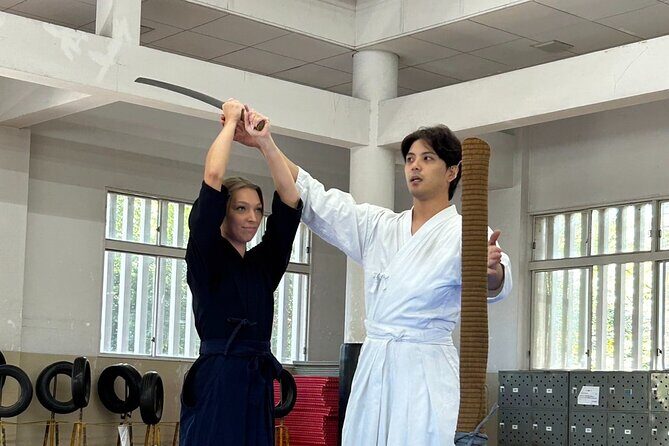
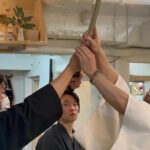
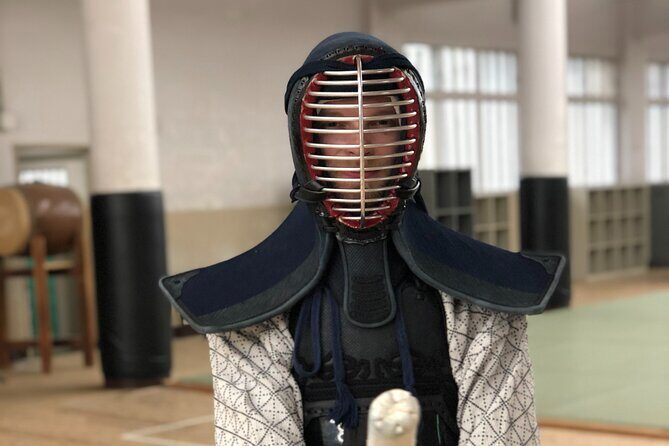
One of the reasons people love this class is the tangible, physical part: you actually wear authentic training gear and handle real training tools. This is where the class becomes memorable, because your body learns faster than your brain.
Based on the information you’re given, you’ll use a mix of:
- Bamboo practice swords
- Foam swords
- Blunt replica blades
That tool mix is a smart safety design. Bamboo and foam are great for building form without worrying about impact. Blunt replicas add realism for how the sword feels and how you control the cut.
You can also expect staff to help with photos and videos. A lot of people want to take shots in armor and with swords, and the instructor is set up to help you do that without derailing the lesson. My advice: do the photo planning mentally before you arrive. In a 2-hour session, even small delays can steal practice minutes.
One caution from the feedback: some participants said they didn’t receive the full uniform experience they expected (for example, only seeing one helmet). That doesn’t mean the class is bad, but it does suggest the gear setup may vary by session size and timing. If uniform completeness is your top priority, message ahead or ask what’s included for your date.
Teacher Spotlight: Small-Class Coaching From Sensei Taka and Kengo
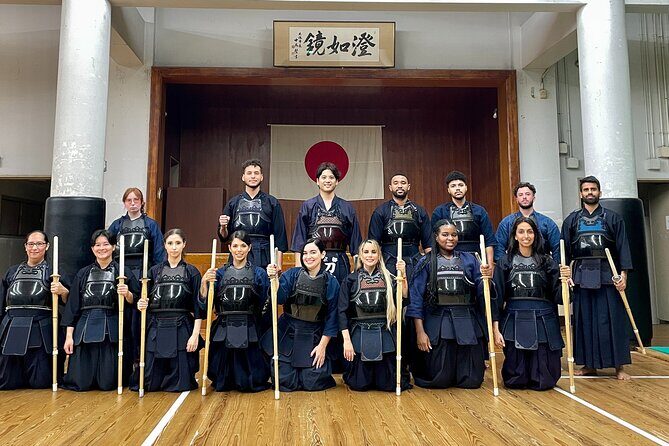
A private or semi-private class lives or dies on the instructor. Here, the standout names that come up are Taka and Kengo, plus Matsudaira Takato Sensei in at least one account.
What matters for you isn’t the name on the schedule—it’s how teaching works when the instructor can see what you’re doing.
In a good session, you’ll notice:
- Corrections happen directly on your stance and grip
- The instructor takes time to explain the “why,” not just the “do this”
- You get personal attention instead of bouncing between a group and a camera
- You’re encouraged to ask questions, including during pauses
English support seems to be available in many sessions, but there’s at least one report that communication was harder. If language is a concern for you, keep it simple: prepare a few key questions you want answered (how to hold the blade, what to focus on for cutting, how to stay safe).
Tatami Cutting: The Big Finish You Should Confirm
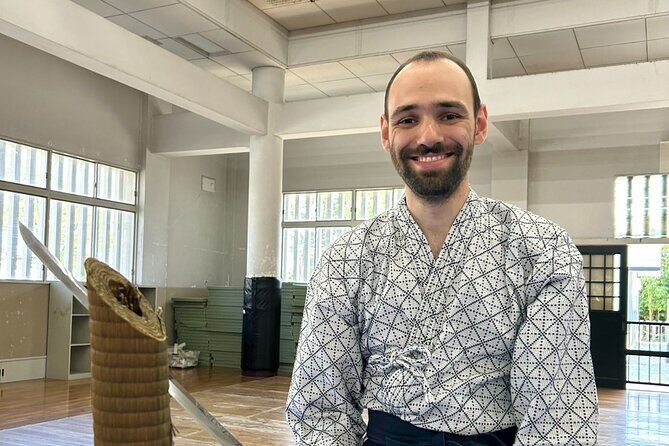
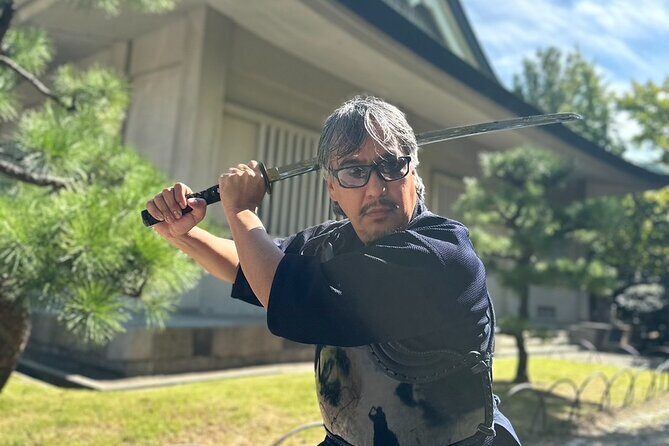
The class is designed around a tatami mat cutting moment with a sword. That’s a huge draw because it’s the part that turns practice into a goal you can picture.
But here’s the reality check: there are also reports that tatami cutting may not be offered due to legal restrictions. Some people say they did cut tatami; others say the session ended without it.
So what should you do?
- If tatami cutting is the main reason you booked, confirm before your session whether your specific class will include it.
- Be flexible in expectations. If it isn’t offered, you’ll still learn kendo basics, sword handling, and the discipline that leads up to the cutting moment.
Even if tatami cutting doesn’t happen, the training itself can still be satisfying. One of the most praised lines from the experience is that learning the technique is the real highlight—how to cut efficiently, not just how to swing wildly.



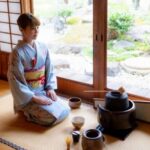

Shugakuin Imperial Villa Stop: A Calmer Kyoto Break
The activity includes a connection with the Shugakuin Imperial Villa area. Even if you’re not doing a long sightseeing loop, this stop anchors the experience in a more historical Kyoto feel.
Why that matters:
- You’re in Kyoto, so samurai culture references land better when you’re near historic sites
- The timing can feel less rushed than jumping between busy attractions
- The quieter surroundings make it easier to focus on physical practice
If you’re building a day plan, I’d treat this as a “hands-on culture” block—something that breaks up the usual shrine and castle hopping. After sword training, you’ll likely want something low-key for the rest of the evening.
A Realistic Look at the 2-Hour Timeline
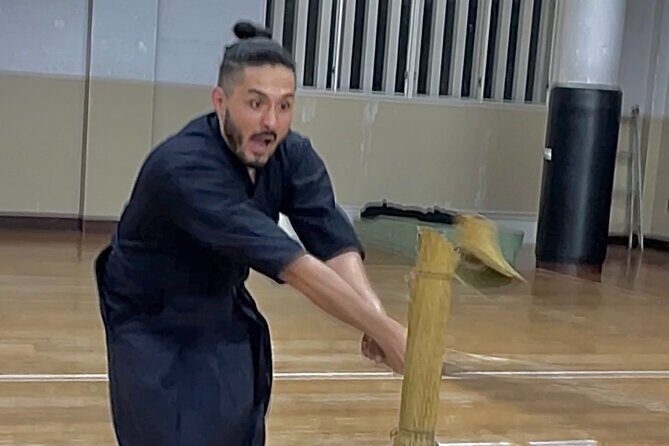
It’s listed around 2 hours, and that’s both good news and something to plan for. Short classes are focused. But any time spent dressing up, posing, and taking pictures can shrink the actual sword practice time.
From the feedback, here’s the typical tradeoff:
- Some sessions feel practice-heavy and fun, with enough time for multiple exercises
- Other sessions felt like more time went to small talk and photos, leaving less time for additional techniques
Also, the group experience can shape the pacing. A smaller group often means more individualized coaching and less waiting. One account described a situation that felt essentially private because nobody else booked their slot.
My practical tip: arrive on time, dressed comfortably, and ready to follow instruction quickly. If you do, you’ll make the most of the limited time without feeling rushed.
Price and Value: Is $105.68 Worth It?
At $105.68 per person, you’re paying for a taught, hands-on session with equipment, training gear, and instructor attention. That can be good value in Kyoto, especially when compared with options that are mostly photo opportunities.
Here’s how I’d judge whether it’s worth it for you:
- If you want instruction on stance, grip, and sword handling, the price can feel fair
- If you expect extensive cutting time or lots of sparring, the 2-hour structure might feel tight
- If tatami cutting is a must-have, your value depends on whether it’s included for your date
A few people felt it was overpriced, and one issue cited was a dojo that felt small. That’s useful to know, because this is not a big commercial training arena. It’s a studio-style setup.
My take: if you’re looking for a genuine, guided “try it yourself” samurai skills moment, this is the kind of experience that can justify the cost. If you want a long fight training course, you’d probably be happier with a longer program elsewhere.
Who This Kyoto Kendo Experience Is Perfect For
This class fits best if you want:
- A beginner-friendly intro to kendo and sword handling
- The chance to wear authentic-looking training gear and practice under supervision
- A small-group feeling with room for questions
- Technique over brute force, with real focus on form
It’s also great if you’re a fan of samurai-themed stories or anime and want the physical reality behind the scenes—how footwork and controlled movement replace movie-style chaos.
Not ideal if:
- You only care about one specific finale (tatami cutting) and will be disappointed if it’s limited
- You dislike costume dressing and prefer a purely training-focused schedule
- You need an ultra-modern, spacious facility to feel comfortable
Should You Book Atelier NIN’s Kendo Class?
Book it if you want a short, well-guided way to learn kendo basics and feel how disciplined sword technique works. I’d also book it if you like the idea of stepping into a quiet, out-of-the-crowd Kyoto corner and getting real instructor attention.
Think twice before booking if tatami mat cutting is your absolute deal-breaker. The cutting moment sounds like the climax of the experience, but legal constraints can change what’s possible in a given session. Send a quick message before you go, and make peace with the idea that your “win” might be the form, the stance, and the controlled sword handling rather than the final cut.
FAQ
What is the duration of the kendo and sword experience in Kyoto?
It’s listed at about 2 hours.
How much does this Kyoto kendo class cost?
The price is $105.68 per person.
Where do you meet for the class?
The meeting point is studio NIN 修学院16 Shūgakuin Daidōchō, Sakyo Ward, Kyoto, 606-8037, Japan.
Is tatami mat cutting included?
The experience is described as including slicing a tatami mat, but there are reports that it may not be offered legally in some periods. It’s smart to confirm for your specific date.
Do you need martial arts experience?
No. The experience is described as suitable for people without prior martial arts experience.
What tools will you use during training?
You’ll train using bamboo practice swords, foam swords, and blunt replica blades.
Will you be able to take photos and videos?
Yes. The instructor is described as happy to help you take photos and videos during the experience.
Are the classes private?
You’ll be in a small group with a maximum of 15 travelers, and some sessions may feel very private depending on how many people book your time slot.
Is there free cancellation?
Yes. Free cancellation is available up to 24 hours in advance for a full refund.
Is this experience easy to reach by public transportation?
It’s described as being near public transportation.