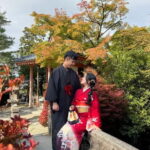
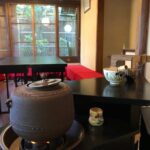
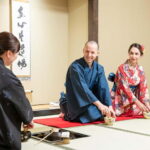
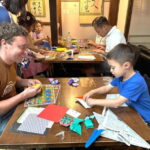
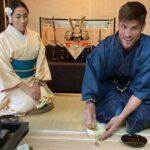
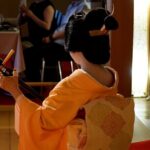
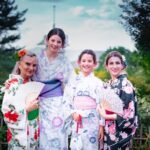
Kyoto tea can feel like a show. This one feels hands-on from the first minute. You’ll pick a kimono, get simple hair styling (for ladies), then sit down on tatami to make matcha the traditional way. The matcha is not just served to you. You learn the steps and utensils, and you end with sweet wagashi alongside your own cup.
I like how the experience is structured for real learning, not just photo time. Your host explains the history and meaning behind the tea ceremony, then guides you through each movement in a way you can follow. In several accounts, a host named Sono is praised for clear, friendly explanations, which matters when you’re trying something new.
One consideration: you handle the commute on your own. This is also a no-kids-under-7 venue, so plan accordingly if you’re traveling with younger children.
In This Review
- Key highlights I’d center in your planning
- Finding Maikoya Nishiki in central Kyoto (and why it matters)
- The kimono part: choosing your set and getting dressed right
- Tatami seating and the tea master’s walkthrough
- Making matcha: utensils, technique, and what you taste
- Wagashi sweets: the finishing step you’ll remember
- Timing, duration, and how the session really feels
- Price and value: what $65.66 covers (and what it doesn’t)
- Who should book this, and who might skip it
- Tips so your ceremony goes smoothly (and looks good in photos)
- Should you book Kyoto Maikoya, NISHIKI?
- FAQ
- How long is the kimono tea ceremony at Kyoto Maikoya, NISHIKI?
- What does the $65.66 price include?
- What is not included in the ticket price?
- Where is the meeting point?
- Do I need hotel pickup?
- Is there a limit on the number of travelers?
- Can children under 7 attend?
- What if the weather is bad?
- Is there free cancellation?
Key highlights I’d center in your planning
- Kimono and hair styling included so you don’t waste time hunting a shop first
- Matcha made by you with your host walking you through utensils and technique
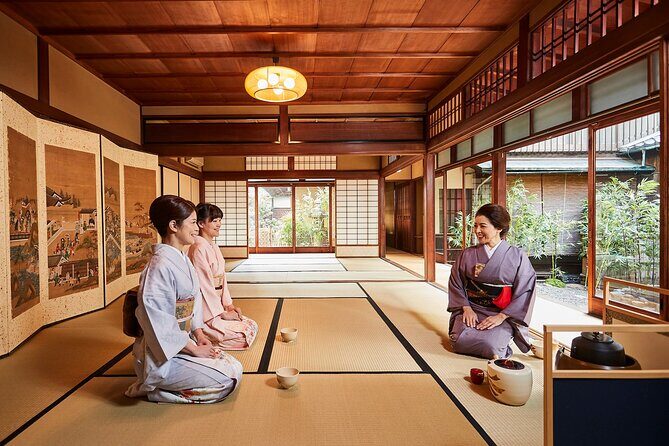
- Tea ceremony in a traditional setting where you sit Japanese-style on tatami
- Wagashi sweets at the end paired with your tea, not as an afterthought
- Mobile ticket and near-public-transport access for easier arrival
Finding Maikoya Nishiki in central Kyoto (and why it matters)
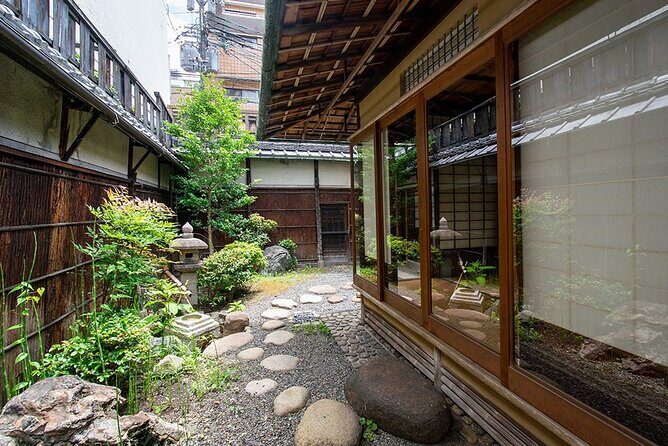
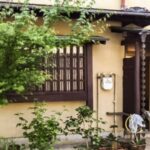
You’ll make your own way to the start point at Kimono Tea Ceremony MAIKOYA Nishiki, 329 Ebiyachō, Gokomachi-dori Sanjo sagaru, 329 海老屋町 中京区 京都市 京都府 604-8076, Japan. The good news is that it’s described as near public transportation, which is exactly how you want your Kyoto “one-hour-plus” experiences to be.
Why I think this matters: Kyoto has neighborhoods that can feel like a maze when you’re on foot with luggage, kids, or jet lag. When you don’t get hotel pickup, your day gets simpler only if the location is walkable or train-friendly. Nishiki is the kind of area where you can usually stitch the tea ceremony into the rest of your sightseeing without adding a long detour.
The ceremony ends back at the meeting point, so you’re not stuck with a complicated route afterward. That’s helpful if you’re pairing this with a morning market stop or a late afternoon stroll.
A few more Kyoto tours and experiences worth a look
The kimono part: choosing your set and getting dressed right
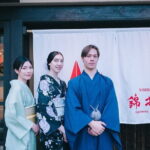
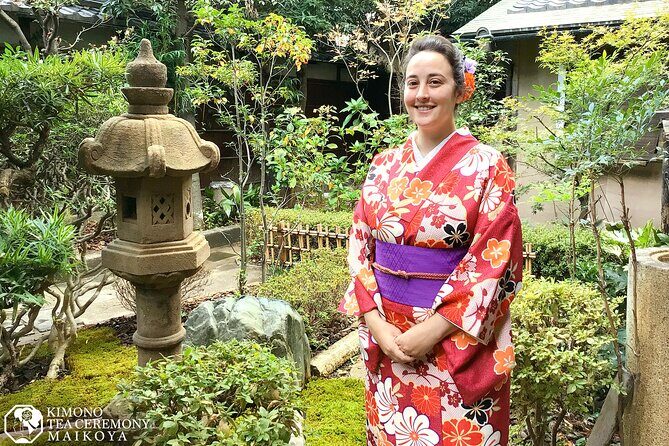
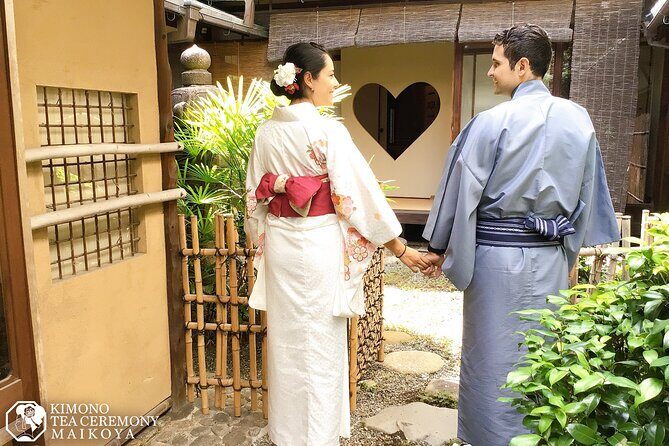
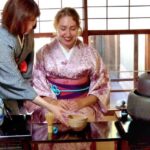
This experience includes the kimono itself, and that’s a big deal for value. Not everyone wants to figure out how to wear a kimono before learning about the tea ceremony. Here, the staff helps you choose from a selection of kimonos, and then they get you into it properly.
If you’re traveling as a woman, there’s also simple hairstyling to match your kimono. That’s not a tiny add-on. In Kyoto, the “look” is part of the ritual, and getting hair pinned neatly means you can relax. You’re not constantly checking yourself in reflections or worrying about the fit while the ceremony begins.
Practical note: the venue gives you a way to manage valuables during the session. Some guests mention being provided a purse for valuables, which is exactly what you want when you’ll be seated on tatami and handling utensils carefully. The more you can stash small items away, the more smoothly the ceremony flows.
And yes, you’ll probably take photos. Many people love the kimono selection process, plus the chance to capture the moment before you sit down. If that’s your thing, plan to arrive a touch early so you’re not rushed while choosing and getting dressed.
Tatami seating and the tea master’s walkthrough
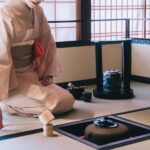
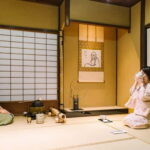
Once you meet your tea master host and your small group, you take a seat Japanese-style on the tatami floor. Expect the room to feel intentionally traditional—this is not a fast, loud performance. The pacing is part of the point. You’re supposed to slow down enough to notice what you’re doing.
Then comes the main teaching section: your host explains the history and significance of the traditional tea ceremony, and you learn how each step connects to the utensils and the purpose of the ritual. This matters because tea ceremony can look like a set of gestures in a video. In person, it becomes logic. You see why the movements happen when they do.
Next, you learn to make your own matcha using high-quality matcha powder. You’re not just tasting. You’re mixing. You’re working through the steps with guidance, which makes the experience feel more like a class than a spectacle.
One name you’ll see associated with strong explanations is Sono. Multiple accounts praise a host named Sono for being friendly and knowledgeable, and that lines up with what you want in this kind of cultural activity: clear, calm instruction so you don’t feel like you’re failing in slow motion.
Making matcha: utensils, technique, and what you taste
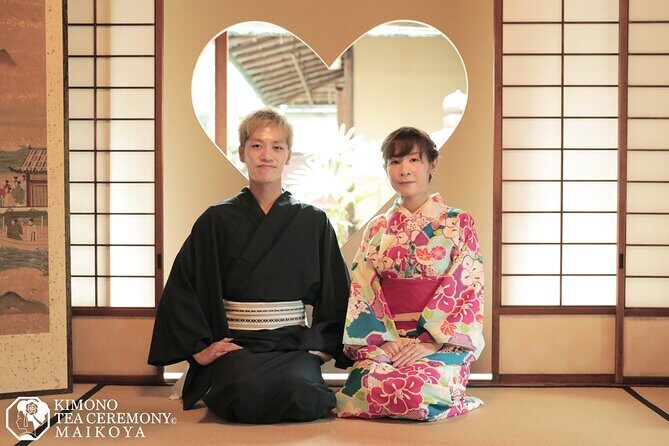
The included utensils are part of what makes this worth your time. The tea ceremony isn’t only about flavor—it’s about procedure. Having the right tools in your hands helps you understand how matcha changes as you mix it and serve it.
So what do you actually do? You’ll follow along as your host guides the process, and then you’ll end by sipping your matcha. The overall arc is simple: explanation first, then hands-on practice, then the payoff. That structure helps you remember what you just learned because you taste it right after.
You’ll also get green tea as part of the experience. Since the ceremony is matcha-focused, you can expect your tasting to be part of that ritual flow rather than a separate drink service.
Taste note to keep in mind: matcha doesn’t behave like coffee or even like typical tea bags. It’s thicker, more concentrated, and it can feel both earthy and smooth depending on how it’s prepared. When you mix it yourself (with guidance), you get a better sense of why people treat this as a refined craft.
Wagashi sweets: the finishing step you’ll remember
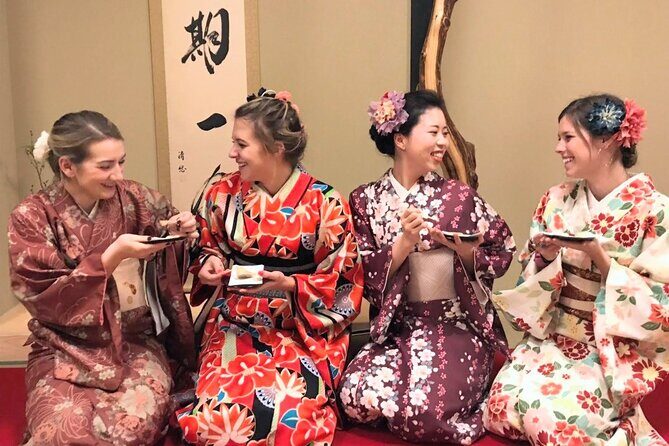
After the matcha, you’ll be served wagashi sweets. This is one of those details that can sound minor when you’re booking, but it’s part of the cultural rhythm.
Wagashi are not meant to overpower the tea. They’re typically offered to balance the experience and give you a different sensory texture to pair with the matcha—something you can notice after the mixing and sipping.
The sweetness is often described as delicious, and that tracks with the goal here: you end on a comfortable note. If you’ve had a full day in Kyoto, this sweet-and-tea finish can feel like a reset button.
A few more Kyoto tours and experiences worth a look
Timing, duration, and how the session really feels
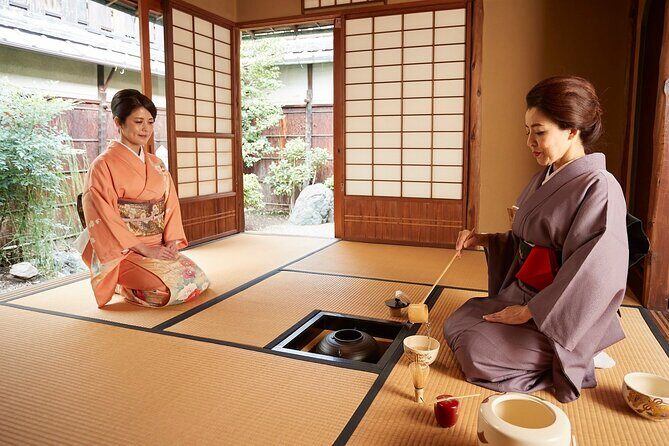
The ceremony runs about 1 hour 30 minutes. That’s a sweet spot: long enough to get dressed, learn the process, make matcha, and enjoy the wagashi. Short enough that it won’t crush your Kyoto itinerary.
You can choose morning or afternoon timing, which is helpful in Kyoto where crowds and heat can change hour by hour. If you’re sensitive to midday crowds, the morning option is often easier to manage. If you want a quieter, end-of-day calm, the afternoon slot can work well.
Group size is where you should set expectations carefully. The booking is described as having a maximum of 2 travelers. But the ceremony itself may include others in the room depending on how the schedule is running. Some accounts mention a sitting with about 8–12 people, yet still describing the experience as intimate and personal. Translation for your planning: treat it as a small-group activity even if it’s not one-on-one.
Also, the experience requires good weather. If the weather is poor, you’ll be offered a different date or a full refund. That’s worth noting if you’re traveling in seasons with sudden changes.
Price and value: what $65.66 covers (and what it doesn’t)
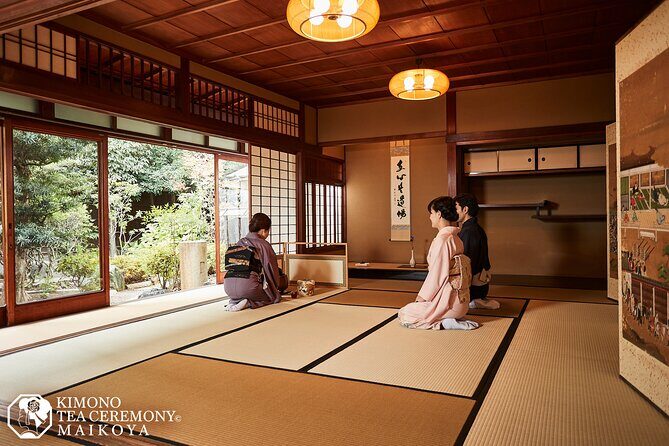
The price is $65.66 per person. On paper, that might look like “just a tea ceremony.” In reality, you’re paying for more than a cup of matcha.
Included items:
- Kimono costume
- Green tea and matcha as part of the ceremony
- Utensils for the tea-making process
- Hairstyling (simple style)
- Snacks/wagashi sweets
Not included:
- Transportation
- Hotel pickup and drop-off
This combination is what makes the value feel solid. If you had to rent a kimono separately and then book a tea workshop, the total often climbs fast. Here, kimono dressing and the tea lesson are bundled into one 1.5-hour slot.
The other value angle is time. You’re not wasting half a day comparing kimono shops, figuring out how to get fitted, then trying to find your way to a tea house after that. Instead, you roll straight into the ritual and learn while wearing it.
Who should book this, and who might skip it
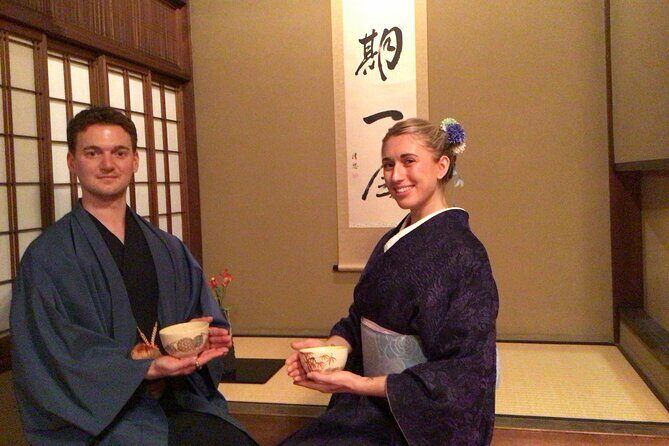
I think this is best for you if:
- You want a genuine cultural activity that’s calm and structured
- You like hands-on learning more than watching
- You want the kimono experience without doing extra planning
- You enjoy photography and appreciate a moment with proper dressing and hair styling
You might want to consider a different plan if:
- You’d rather spend your limited time on Kyoto’s bigger-ticket sights and you dislike sitting through instructions
- You’re traveling with a child under 7, because the venue states that children under 7 cannot enter
- You don’t want to handle getting to the meeting point on your own
It’s also a nice fit for couples and friends, since you can reserve up to 2 people per booking on Viator, even though the overall ceremony may have additional participants from other bookings.
Tips so your ceremony goes smoothly (and looks good in photos)
Here are practical things I’d do to make this experience feel easy:
- Arrive a bit early so dressing doesn’t feel rushed. You’ll be choosing a kimono and getting pinned into it.
- Plan for a Japanese-style seating posture on tatami. That’s comfortable for many people, but you’ll want to wear footwear you can manage easily before you sit.
- Bring a small bag mindset. You’ll be seated and handling utensils, so keep what you carry minimal.
- If photos matter, take them before the ceremony begins. Many people love the kimono stage and the chance to capture the moment.
- Listen to the host’s pacing. With matcha, your timing affects how it turns out and how you experience the taste.
One more small thought: the ceremony includes teaching and history, not just technique. If you can go in curious, the experience feels more rewarding. If you only care about the taste, you’ll still enjoy it, but you might miss the “why.”
Should you book Kyoto Maikoya, NISHIKI?
If you want one Kyoto activity that hits two big cultural boxes—kimono dressing and matcha tea-making—this is an easy yes. The time is manageable (about 1 hour 30 minutes), the bundle includes what you’d otherwise have to arrange separately, and you get guided instruction rather than a quick self-guided tasting.
Book it if you’re happy to take care of your own transport to the central Kyoto meeting point and you’re traveling with kids 7+ (since younger children can’t enter). If weather is unpredictable, keep your schedule flexible, since the experience requires good weather.
If you’re the type who loves small details—utensils, steps, and the meaning behind the ritual—this is the kind of Kyoto moment that sticks.
FAQ
How long is the kimono tea ceremony at Kyoto Maikoya, NISHIKI?
It lasts about 1 hour 30 minutes.
What does the $65.66 price include?
It includes the kimono costume, green tea (matcha), utensils, hairstyling (simple style), and snacks/wagashi.
What is not included in the ticket price?
Transportation and hotel pickup and drop-off are not included.
Where is the meeting point?
Kimono Tea Ceremony MAIKOYA Nishiki, 329 Ebiyachō, Gokomachi-dori Sanjo sagaru, 329 海老屋町 中京区 京都市 京都府 604-8076, Japan. The activity ends back at the same meeting point.
Do I need hotel pickup?
No. You’ll make your own way to the Nishiki location.
Is there a limit on the number of travelers?
This activity has a maximum of 2 travelers.
Can children under 7 attend?
No. Children under 7 cannot enter the tea ceremony venue, so you can’t make a reservation if you have a child under 7 in your party.
What if the weather is bad?
The experience requires good weather. If it’s canceled due to poor weather, you’ll be offered a different date or a full refund.
Is there free cancellation?
Yes. You can cancel up to 24 hours in advance for a full refund. If you cancel less than 24 hours before the start time, the amount paid will not be refunded.