Your hands learn Japanese dye magic fast.
At the Kyoto Shibori Museum, you’ll follow a Kyo-arashi shibori process to dye a real silk scarf and take home something you helped create, not a souvenir you just bought. You can choose your own color, and the class is set up with professional guidance so the technique actually makes sense.
Two things I really like: you get hands-on step-by-step instruction (fold, wrap, wind, dye, press, unfold), and you leave with a custom scarf sized like a proper wearable accessory. One thing to consider: the results depend on the method and your chosen color, so it’s art with a small element of surprise.
If you want a Kyoto craft that feels personal, this is it.
In This Review
- Key highlights at a glance
- Kyo-arashi shibori: a scarf you actually make in Kyoto
- The Kyoto Shibori Museum setting and what you’ll see first
- Folding, pipe-wrapping, winding string, and dyeing: the method in plain terms
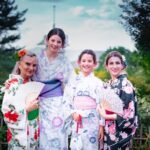
- While it dries: museum browsing and trying on a kimono
- The souvenir payoff: your scarf, your colors, and your personal pattern
- Price and value: why $50.30 can actually feel fair here
- Logistics that matter: timing, private group feel, and how to plan your day
- Who should book this shibori scarf class
- Should you book it?
- FAQ
- How long does the Kyo-arashi scarf class take?
- Where does the class meet?
- What’s included in the price?
- What size scarf will I dye?
- Is there a minimum age?
- Is the activity private?
- What is the cancellation policy?
Key highlights at a glance

- Kyo-arashi method on real silk: you dye a finished-use scarf, not a tiny sample.
- Custom look: pick your color preferences and trace/design options during the session.
- Museum time included: while your fabric dries, you can explore exhibits at the Kyoto Shibori Museum.
- Kimono try-on: you get a fun, low-pressure culture add-on while waiting.
- Private feel for your group: it’s a private activity, so you’re not swallowed by a huge crowd.
Kyo-arashi shibori: a scarf you actually make in Kyoto
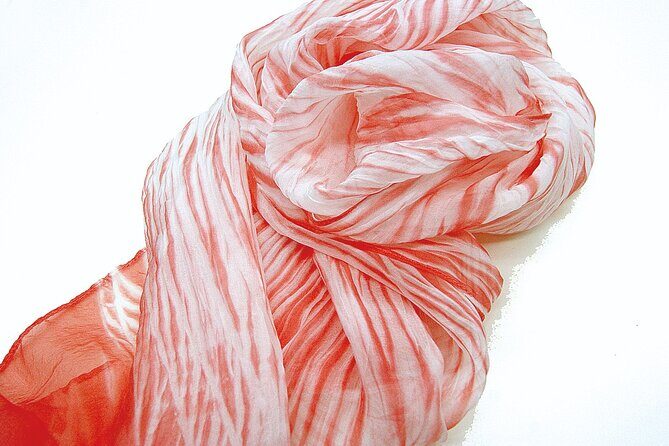
Kyoto has a lot of craft workshops. This one stands out because the goal is simple and satisfying: you dye a 70-inch x 17-inch (180cm x 44cm) silk scarf using the kyo-arashi shibori technique, under supervision, from start to finish.
The kyo-arashi style matters. “Shibori” is the umbrella term for resist-dyeing methods, where folding and binding create patterns before dye ever touches the fabric. “Kyo-arashi” is known for its wind-and-streak look—those crisp lines and movement in the final texture. In plain terms: you’re building the pattern through your hands, then letting dye do the rest.
I also like that the class isn’t framed as a performance. You’re doing the work. You fold. You wrap. You wind string. You press. You unfold to see what you created. If you’ve ever watched people dye fabric online and thought, Sure, but I’d mess it up—this style of instruction is the antidote.
A few more Kyoto tours and experiences worth a look


The Kyoto Shibori Museum setting and what you’ll see first
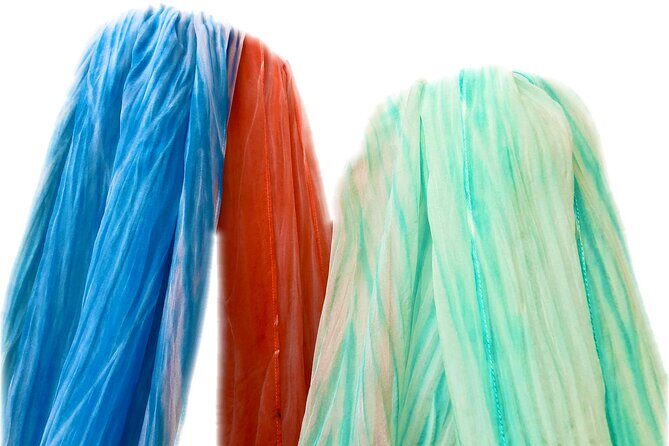
The session starts at the Kyoto Shibori Museum at 135-5 Shikiamichō, Nakagyo Ward, Kyoto. The format is straightforward: you meet there, you learn the technique, and the activity ends back at the same meeting point.
Once you’re in, you’ll appreciate the museum context. This isn’t only about dyeing; it’s about understanding where this craft sits in Kyoto culture—why the folding and resist steps are the point, not the dye color alone. And because museum admission is included, you can treat this like a short, focused cultural stop rather than a rushed add-on.
There’s also a practical plus: while your fabric is drying, you’re not trapped in a chair. You can browse displays and check things out at your own pace. That matters because shibori has a waiting period built into it. The best classes handle that downtime with something worth doing—this one does.
Folding, pipe-wrapping, winding string, and dyeing: the method in plain terms

Here’s the process, step by step, explained the way you’d want it if you’re trying this for the first time.
1) Fold the fabric in a specific way
You’re shown how to position and prepare the silk so it will respond correctly to the resist steps. This is where attention matters, because small differences can change how the pattern develops.
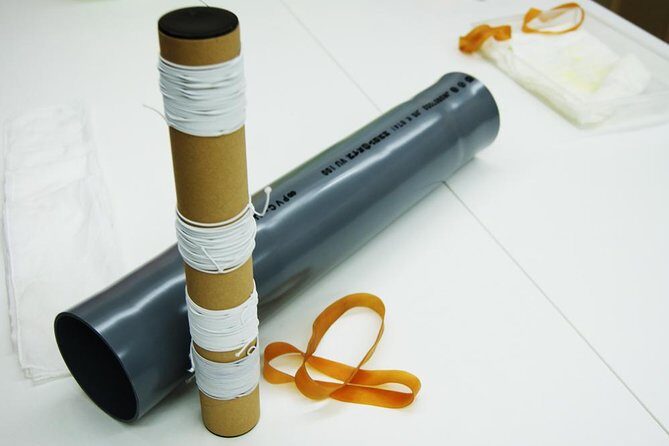
2) Wrap a pipe in the fabric
You’ll wrap the fabric around a pipe. That pipe becomes a structural base for the shibori look.
3) Wind a string around the pipe and bind
You wind string around the wrapped fabric, then squish the fabric down toward the bottom of the pipe. That compression is part of the resist effect—where the fabric is tightly bound, the dye can’t act the same way.
4) Dye with your chosen color
Once bound, you apply dye in the color you like. The guidance here is important. It’s not just about dumping dye on silk; it’s about making sure the method is carried through correctly.
5) Unwind, roll with a towel, press, then unfold
After dyeing, you unwind the string, then roll the fabric with a towel and press it. Finally, you unfold to reveal your pattern.
What I like about this workflow is that it turns a craft that can look mysterious into something that feels mechanical and doable. You’re not guessing. The instructor is there telling you what to do next.
Also: the teaching style is praised for being patient and clear, including English support. In one standout note, an instructor named Nina is mentioned for being accommodating and teaching in a way that keeps you confident.
While it dries: museum browsing and trying on a kimono

Shibori isn’t instant. Your fabric needs time to dry, and that creates a built-in rhythm to the experience.
During the drying time, you can do two things that make the waiting feel like part of the activity rather than dead time:
- Browse museum displays
- Try on a kimono
The kimono try-on is one of those “why didn’t I do this earlier?” moments. It’s not presented as complicated or intimidating. You get to try the look and feel connected to the textile world you just stepped into.
And browsing the museum is more than entertainment. Seeing displays while you’re waiting helps you connect what you’re doing at the table with what you’re seeing on the walls. You’ll notice patterns, methods, and materials more easily because your hands have just gone through the steps.
If your schedule has you bouncing around Kyoto, this part is a lifesaver. Instead of fighting crowds or forcing another quick photo stop, you get a calm, culturally relevant break.
The souvenir payoff: your scarf, your colors, and your personal pattern

This is not a workshop where you get a finished object and leave. You go home with a tangible result: a scarf you made yourself, sized for real use.
Because the technique is resist-based, your pattern comes from your folding, binding, and dye application—not from a printed design. That’s the charm. It means you’re creating a one-off look, even if you’re following the same method.
A few practical expectations to keep in mind:
- Your final result will reflect the binding and compression steps.
- Your color choice influences mood and contrast.
- There’s always a small element of surprise when you unfold—so go in curious, not demanding.
One more thing: the class is described as suitable for many ages, but there’s a minimum age of 12 and pricing applies to all ages. If you’re bringing a teen or pre-teen, this can be a great family craft because the steps are learnable and the payoff is visible.





Price and value: why $50.30 can actually feel fair here
The price is $50.30 per person. That’s not cheap like a “grab a ticket” attraction. But it’s also not an inflated premium class where most of the cost is for the location.
Here’s what you’re paying for, in real value terms:
- A supervised workshop with a professional guiding the resist-dye method
- Admission to the Kyoto Shibori Museum
- The opportunity to try on a kimono
- A silk scarf-sized project (180cm x 44cm), meant to be a souvenir you’ll wear or gift
Time-wise, the class runs about 30 minutes to 1 hour. That’s a compact commitment in a city where a lot of cultural experiences eat up half a day. And because it’s a private activity for your group, the session tends to feel more personal than a large, mixed group workshop.
Booking-wise, it’s typically booked around 23 days in advance on average. If you have tight dates, that’s a hint to lock it sooner rather than later—especially if you’re targeting a specific time window.
Logistics that matter: timing, private group feel, and how to plan your day
Your start time can be chosen from multiple options, which is handy in Kyoto. You can schedule it to fit around temples, markets, or day trips.
The session is also built for people who don’t want a complicated maze of steps:
- Start and end at the museum
- Mobile ticket is used
- It’s near public transportation
- There’s parking and bicycle parking available (useful if you’re biking or driving)
Because you’ll be dyeing and pressing, plan to keep the rest of the day relatively easy. You’ll be freshly experiencing a craft process, and you’ll likely want time to wander the museum and enjoy the kimono try-on without rushing to the next crowded stop.
Also remember: your scarf needs time to be handled through the process. So think of this as a focused experience where you’re present, not multitasking.
Who should book this shibori scarf class
This class is a good fit if you want Kyoto with your hands involved.
You’ll enjoy it if you:
- Like making things, even simple things with a clear technique
- Want an authentic textile souvenir that feels personal
- Enjoy crafts that have steps and structure (fold, bind, dye, press)
- Are traveling with family members who like interactive activities
It may not be ideal if you’re looking for a passive cultural stop. This is active. You’ll be working with fabric and dye process steps.
And if you’re a “I need a guaranteed perfect outcome” person, I’d suggest switching your mindset. The fun part of shibori is the pattern reveal. You follow technique, but the result is still art.
Should you book it?
Yes—if you want a memorable Kyoto craft that ends with something you can actually use.
Book this Kyo-arashi scarf class if you care about:
- A guided hands-on workshop with step-by-step help
- A real silk scarf sized for a true souvenir payoff
- Museum time and a kimono try-on, so the experience doesn’t feel one-note
- A format that feels private for your group rather than chaotic
Skip it only if you’re short on time and can’t fit a dedicated craft session, or if you strongly prefer passive sightseeing over making things yourself.
If your schedule allows, this is one of those Kyoto experiences that makes the city feel less like a checklist and more like you learned something real—fast.
FAQ
How long does the Kyo-arashi scarf class take?
Classes take about 30 minutes to 1 hour.
Where does the class meet?
You meet at the Kyoto Shibori Museum, 135-5 Shikiamichō, Nakagyo Ward, Kyoto, 604-8261, Japan.
What’s included in the price?
The price includes admission to the Kyoto Shibori Museum and the opportunity to try on a kimono, along with the scarf-making instruction.
What size scarf will I dye?
You’ll dye a silk scarf that measures 70 inches x 17 inches (180cm x 44cm).
Is there a minimum age?
The minimum age is 12 years, and adult pricing applies to all ages.
Is the activity private?
Yes. It’s a private tour/activity, so only your group participates.
What is the cancellation policy?
You can cancel for a full refund up to 24 hours before the experience’s start time.