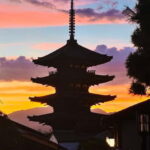
Want Kyoto without the guesswork? This 4-hour private tour is built around a nationally licensed guide who helps you craft a small set of stops and understand what you’re seeing, not just where to stand for photos. I like that you’re not stuck in a rigid route, and you move through Kyoto with help instead of playing navigation roulette.
Two things I really value are the customizable 2–3 site plan and the way the guide handles the practical stuff, from transit to timing, with real confidence (names I’ve seen in this program include Yuri and Nabet). The one tradeoff to plan for is the physical side: this is a walking tour, with hills and steps at several of the top sights, so comfortable shoes matter.
In This Review
- Key Things You’ll Be Glad You Know
- Kyoto in 4 Hours: How the 2–3 Site Plan Works
- The main drawback: you’ll walk
- Meet Your Guide and Move Like You Belong
- Stop-by-Stop Kyoto Menu: What Each Place Feels Like
- Fushimi Inari-taisha Shrine (great first stop)
- Nijo Castle (for Edo-period context)
- Gion (for Kyoto’s old-street mood)
- Nishiki Market Shopping District (Kyoto food energy)
- Kiyomizu-dera Temple (iconic viewpoint temple)
- Kyoto Imperial Palace (for a different kind of grandeur)
- Pontocho (for dinner-street atmosphere)
- Higashiyama Ward (historic district strolling)
- Ginkakuji Temple (Silver Pavilion vibe)
- Nanzenji Suirokaku (Zen + big temple grounds)
- Tofuku-ji Temple (choose it for mood and season)
- Toji Temple (Heian-era anchor)
- Kinkakuji Temple (the gold-leaf star)
- Ninnaji Temple (World Heritage Zen connection)
- Shugakuin Imperial Villa (imperial retreat gardens)
- Kibune River (mountain valley air)
- Kurama-dera (quiet mountain temple energy)
- Ryoan-ji Temple (rock garden focus)
- Arashiyama (classic west Kyoto escape)
- Katsura Imperial Villa (architecture and garden design)
- Daikaku-ji Temple (big temple calm)
- Tenryu-ji Temple (the Arashiyama headline temple)
- Togetsukyo Bridge (Moon Crossing Bridge)
- Bamboo groves walking paths (for a calm stroll)
- Okochi Sanso Garden (actor’s villa in bamboo)
- Kennin-ji Temple (near downtown bustle)
- Byodoin Temple (Phoenix Hall, but extra travel time)
- Yoshimine-dera, Jojakkoji, Nisonin, Gioji (choose these for quiet hills)
- Adashino Nenbutsu-ji and Otagi Nenbutsu-ji (stone statue atmosphere)
- Crowds, Hills, Rain: How to Make the Day Feel Easy
- Price and Value: Is This a Good Deal?
- Who Should Book This Tour
- Should You Book This 4-Hour Kyoto Private Tour?
- FAQ
- How long is the Kyoto private tour?
- Is this tour private or shared?
- How many places can I visit in 4 hours?
- Does the price include entrance tickets?
- Do I get hotel pickup?
- What transportation do we use during the tour?
- Is there a lunch break included?
- Are there any guidance materials included?
- Is there a mobile ticket?
- FAQ
- Are service animals allowed?
- Who is this tour best suited for?
Key Things You’ll Be Glad You Know
- Government-licensed, English-speaking guide: You get commentary that ties Kyoto’s temples, neighborhoods, and history together.
- Choose 2–3 stops for a reason: The short time works best when you don’t try to cram in everything.
- Walk + local transit rhythm: Many stops are best reached by subway/bus or short taxi hops.
- Crowd and timing help: Starting earlier at Fushimi Inari and shifting to quieter areas makes a big difference.
- A huge menu of major sights: From Gion streets to Arashiyama’s bamboo area, you can build your own Kyoto day.
- Photo and meal recommendations: Guides often point you toward good angles and where to eat after the tour.
Kyoto in 4 Hours: How the 2–3 Site Plan Works
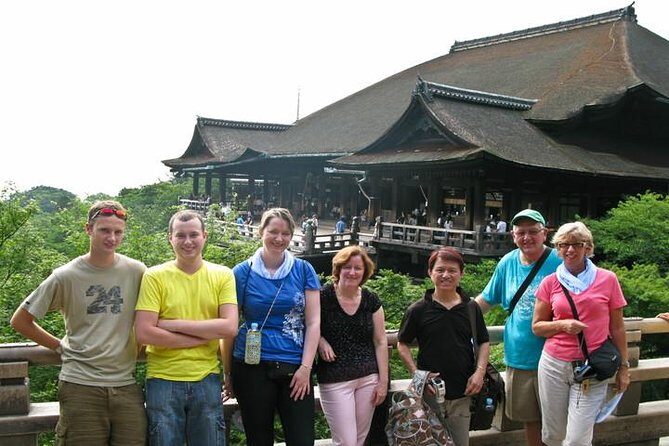
This is marketed as a 4-hour private tour, but the real trick is the structure: you pick a tight set of 2–3 sites from a big menu. That short list approach keeps your day from turning into constant waiting and sprinting. You’ll spend more time inside the atmosphere of Kyoto and less time figuring out logistics.
I also like that it feels personal. Because it’s private, the guide can adjust pacing when you’re faster, slower, or more interested in stories than scenery. In past experiences with guides attached to this program, I’ve seen how quickly they can tailor the day once they know what you care about—history, street life, temples, views, or food.
Other guided tours in Kyoto
The main drawback: you’ll walk
Even with transit help, it’s still a walking tour. Some stops sit on slopes or have stairs (think Kiyomizu-dera, Ginkakuji area, Arashiyama-adjacent paths). If you want a low-step, minimal-walking day, you may want to use the private-vehicle upgrade (when available) or choose flatter stops.
Meet Your Guide and Move Like You Belong
You meet the guide in a designated Kyoto area and then get moving right away. Pickup is offered, but it’s described as on-foot pickup, not a car that drives you curb-to-curb the whole time. That matters because your first 15 minutes set the tone: if you’re ready to walk and use local transit, the day flows fast.
A big part of the value is navigation. Kyoto can be confusing for first-timers, even when signage is in English. In examples from this tour’s guide lineup, people mention the guide translating signage, guiding subway/bus use, and helping you avoid wrong turns. If you’re traveling with kids, a guide who can coordinate breaks and pace becomes even more important.
Practical tip from the field: if you plan to ride public transit, get comfortable using an IC card system like Suica ahead of time. It makes station transfers way less annoying, especially when you’re jumping between lines.
Stop-by-Stop Kyoto Menu: What Each Place Feels Like
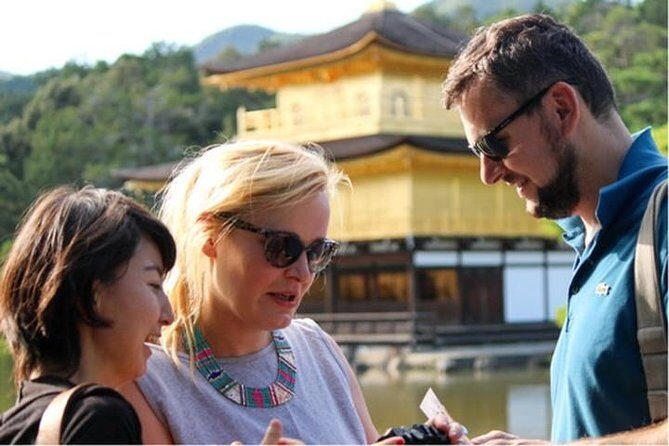
You’ll choose only a few stops, but it helps to know what each one offers before you commit. Here’s the menu, with the key tradeoffs to consider.
Fushimi Inari-taisha Shrine (great first stop)
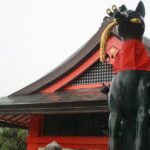
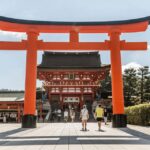
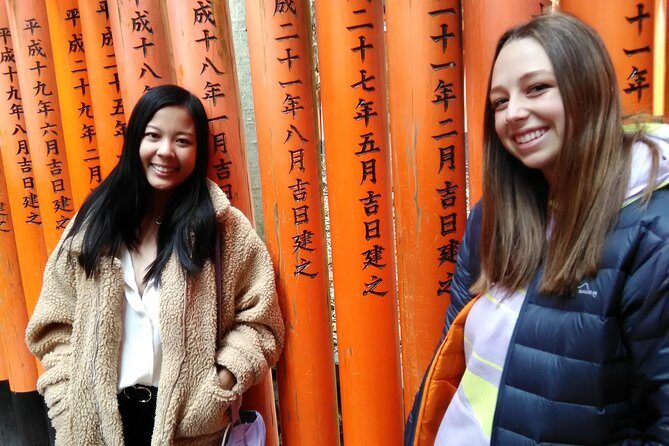
Fushimi Inari is the shrine of the red torii gates—yes, the photo tunnel is real. But what makes it worth your time is the scale and the climb, plus the way the paths branch as you go deeper. It’s also commonly crowded, so going earlier tends to make the experience calmer.
Consider this: the walk-in and stair sections can add up quickly. If your legs are tired, aim for a “best views” portion rather than pushing to the farthest reaches.
Other private tours in Kyoto

Nijo Castle (for Edo-period context)
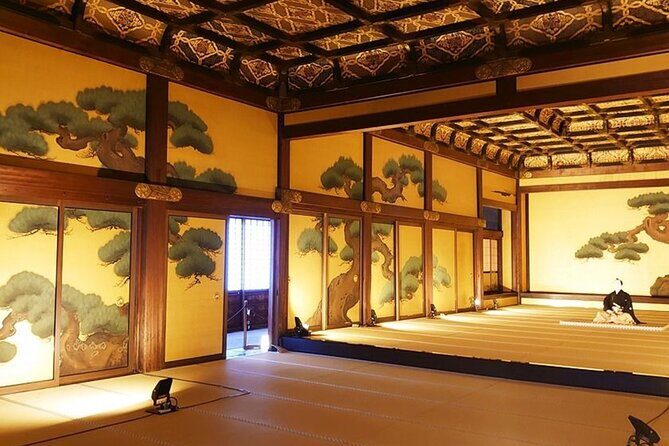
Nijo Castle is a UNESCO site and a major place for understanding Japan’s political shift into the Edo period. It was built in 1603 as the Kyoto residence of Tokugawa Ieyasu, and the setting is ideal for learning how power and culture were organized.
Consider this: admission isn’t included, so budget for entry if your chosen stops include this.
Gion (for Kyoto’s old-street mood)
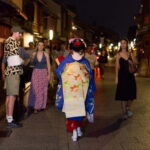
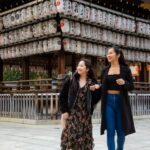
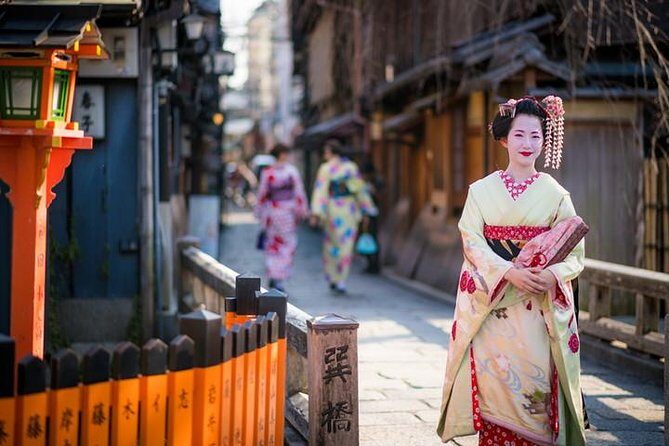
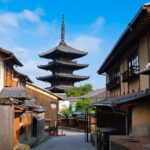
Gion is the geisha district feel: narrow streets, traditional storefronts, and a vibe that’s different from major temple zones. A guide helps because it can feel like you’re circling the same lanes unless you know what to look for.
Consider this: it can be busy. If you’re hoping for quiet atmosphere, you may want to pair Gion with a less crowded area on the same tour block.
Nishiki Market Shopping District (Kyoto food energy)
Nishiki Market is a compact, five-block stretch of shops and restaurants known as Kyoto’s Kitchen. This is where you sample without committing to a full restaurant meal, and it’s great for picking up ideas for what to eat later.
Consider this: it’s lively. If you hate crowds, treat it as a quick, sensory stop rather than a long browse.
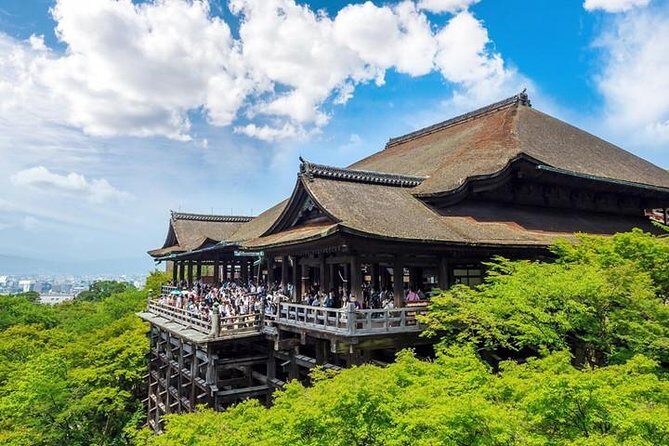
Kiyomizu-dera Temple (iconic viewpoint temple)
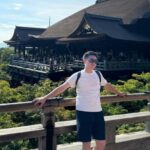
Kiyomizu-dera is one of Kyoto’s most popular temples, and it’s popular for a reason: the grounds give you layered perspectives and classic Kyoto skyline views. A guided visit can help you focus on what the structures and rituals mean instead of just moving camera-to-camera.
Consider this: admission isn’t included. Also, the approach and temple-area walking can be tiring.
Kyoto Imperial Palace (for a different kind of grandeur)
Kyoto Imperial Palace used to be the residence of Japan’s Imperial Family until 1868, when the emperor and capital moved to Tokyo. It’s a strong choice if you want imperial-era context without spending all your time in temple compounds.
Consider this: admissions aren’t included, and it can add “sit-and-walk” time, so pair it with another location in the same general region.
Pontocho (for dinner-street atmosphere)
Pontocho is an alley running from Shijo-dori to Sanjo-dori, just one block west of the Kamogawa River. It’s the kind of place where Kyoto looks like Kyoto: warm lighting, narrow lanes, and lots of restaurant energy.
Consider this: it’s best when your schedule gives you time to linger a bit after you’ve seen the day’s highlights.
Higashiyama Ward (historic district strolling)
Higashiyama is one of the city’s best-preserved historic districts along the eastern mountains. It’s ideal for strolling, especially when you want traditional streets without committing to a single temple interior.
Consider this: it can be packed. If your chosen stop set includes Higashiyama, keep expectations flexible and let the guide steer you.
Ginkakuji Temple (Silver Pavilion vibe)
Ginkakuji is the Zen temple known as the Silver Pavilion. The story here is place-based: shogun Ashikaga Yoshimasa built a retirement villa in 1482 and modeled it after older styles, so you’re walking through a living legacy of aesthetics and retreat culture.
Consider this: admission isn’t included, and some garden areas take time to appreciate properly.
Nanzenji Suirokaku (Zen + big temple grounds)
Nanzenji and its Suirokaku area bring you Zen temple scale in a setting that feels open and substantial. It’s a strong stop if you want contrast from the more compact “downtown” zones.
Consider this: admission isn’t included. Also, ground layout can mean more walking than you expect.
Tofuku-ji Temple (choose it for mood and season)
Tofuku-ji is famous for autumn colors, but it’s still a worthy temple option year-round if you like large Zen precincts. Founded in 1236, it ties you into the Fujiwara-era influence on Kyoto’s religious landscape.
Consider this: admission isn’t included. Season matters if you’re aiming for color-focused photos.
Toji Temple (Heian-era anchor)
Toji, meaning East Temple, connects to the early Heian period after the capital moved to Kyoto in the late 700s. It’s a logical pick if you want a major historical anchor and a temple experience with weight.
Consider this: admission isn’t included, and your route timing will matter because it can sit a bit away from some “walking-first” areas.
Kinkakuji Temple (the gold-leaf star)
Kinkakuji, the Golden Pavilion, is the Zen temple with the top floors covered in gold leaf. Even if you’ve seen it in photos, the structure’s presence and the way water/garden elements frame the view make it feel real.
Consider this: admission isn’t included, and the crowd levels can rise fast depending on the time of day.
Ninnaji Temple (World Heritage Zen connection)
Ninnaji is a World Heritage temple linked to the Omuro School of the Shingon sect. It’s a good choice if you want a calmer, more traditional temple feel than the headline attractions.
Consider this: admission isn’t included. It can pair well with other north/central temple stops if transit timing is good.
Shugakuin Imperial Villa (imperial retreat gardens)
Shugakuin is an imperial villa complex built in the 17th century and managed by the Imperial Household Agency. The key for visitors is the garden setting and how “imperial retreat” feels different from a temple-of-worship experience.
Consider this: admission isn’t included. It can also take time to reach, so don’t pair it with another far-out stop unless the day is planned tightly.
Kibune River (mountain valley air)
Kibune is a small town in a forested valley north of Kyoto, built around Kifune Shrine. If you want a break from city intensity, this area can feel like a reset.
Consider this: admission isn’t included, and it’s not a quick stop. It works best when you choose it as one of your main 2–3 highlights.
Kurama-dera (quiet mountain temple energy)
Kurama and Kurama-dera are in the northern mountains and are popular for the combination of scenery and temple culture. It’s especially appealing if you want something less “postcard busy” than central Kyoto.
Consider this: admission isn’t included, and transportation time can affect how much you can do nearby.
Ryoan-ji Temple (rock garden focus)
Ryoan-ji is famous for the rock garden that draws visitors daily. It’s a great pick when you want a slow, contemplative stop where a guide helps you notice how the design directs your eye.
Consider this: admission isn’t included, and it can be crowded. Still, it’s a “worth the wait” style of place.
Arashiyama (classic west Kyoto escape)
Arashiyama is the western Kyoto district that’s been popular since the Heian period, and it still offers that “nature + culture” feeling. It’s touristy, but it’s popular for a reason.
Consider this: you’ll want to pick your timing and maybe combine it with specific sites rather than wandering aimlessly.
Katsura Imperial Villa (architecture and garden design)
Katsura Imperial Villa is one of the finest examples of Japanese architecture and garden design, completed in its current form in 1645. If you care about design details and composition, this is the stop that rewards attention.
Consider this: admission isn’t included. It can also be logistically harder to fit without thoughtful transit planning.
Daikaku-ji Temple (big temple calm)
Daikaku-ji is a large temple in Sagano with roots in the early 800s as a detached palace of Emperor Saga. It’s a soothing change of pace in Arashiyama’s wider area.
Consider this: admission isn’t included, and you’ll want enough time to slow down.
Tenryu-ji Temple (the Arashiyama headline temple)
Tenryu-ji is the most important temple in Arashiyama and one of Kyoto’s five great Zen temples. It’s also registered as a World Heritage site, so it’s a serious temple stop, not just scenery.
Consider this: admission isn’t included. Plan for walking through grounds, not just a quick look.
Togetsukyo Bridge (Moon Crossing Bridge)
The Togetsukyo Bridge is Arashiyama’s most iconic landmark. Even if you’re not obsessed with bridges, it’s a great “visual anchor” for the area and a natural meetup point during your walk.
Consider this: it’s photo popular. You may need a little patience for the best angles.
Bamboo groves walking paths (for a calm stroll)
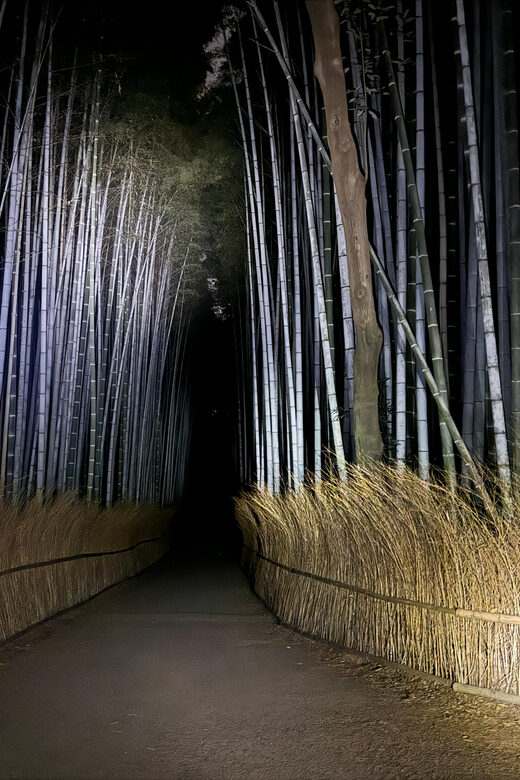
The walking paths in the bamboo groves are a nice escape, especially when bamboo stalks sway. This is one of those Kyoto experiences that works whether you love nature or just want a break.
Consider this: admission isn’t listed as included. Also, it can get crowded, so go with a plan for where you’ll walk next.
Okochi Sanso Garden (actor’s villa in bamboo)
Okochi Sanso is the former villa of actor Okochi Denjiro, tucked behind bamboo groves. If you like gardens with multiple spaces and buildings, this stop often feels like stepping into a quieter world.
Consider this: admission isn’t included, and it’s better when your schedule allows unhurried wandering.
Kennin-ji Temple (near downtown bustle)
Kennin-ji is close to Hanamikoji and Shijo streets, with expansive grounds and pleasant walking. It’s a smart choice if you want something spiritual without cutting off your day from the city vibe.
Consider this: admission isn’t included, and since it sits near busy streets, expect a blend of calm and nearby motion.
Byodoin Temple (Phoenix Hall, but extra travel time)
Byodoin Temple in Uji is known for the Phoenix Hall, a National Treasure and a UNESCO World Heritage site. The catch is that it’s in Uji city, so you should expect extra travel time compared with most Kyoto-city stops.
Consider this: admission isn’t included. If you want Byodoin, it often makes sense to treat it as the day’s main destination.
Yoshimine-dera, Jojakkoji, Nisonin, Gioji (choose these for quiet hills)
The western-mountain temples like Yoshimine-dera, Jojakkoji, Nisonin, and Gioji tend to reward visitors who like moss, maple shade, and hillside paths. These are the stops where the vibe shifts from famous sights to slower, quieter walking.
Consider this: admission isn’t included for these stops, and walking routes can add up. If mobility is limited, you may want to skip several of them in favor of fewer, more central picks.
Adashino Nenbutsu-ji and Otagi Nenbutsu-ji (stone statue atmosphere)
Adashino Nenbutsu-ji has statues placed for souls of the dead, and Otagi Nenbutsu-ji is famous for 1200 stone statues of rakan, each with a different facial character. These are powerful, strange in the best way, and very different from the classic gold-and-gates Kyoto route.
Consider this: admission isn’t included. It helps to know your mental energy level—these are moving, not just pretty.
Crowds, Hills, Rain: How to Make the Day Feel Easy
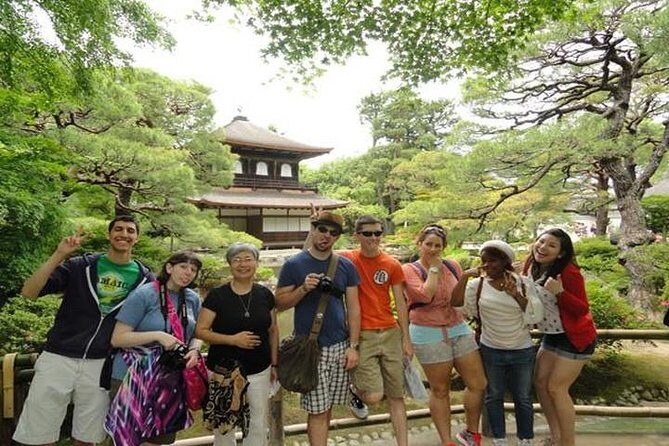
Kyoto’s most popular places can be crowded, but a good guide helps you avoid wasting time. In one example from this tour’s guide lineup, a guest highlighted starting early at Fushimi Inari and then moving to quieter temple spots afterward. That pattern makes the whole day feel smoother.
For physical reality, a recurring theme is the need for comfortable shoes. One guest mentioned cracking 20k steps, which is a clear signal that even “half-day” can be a marathon if you pick the wrong combo of distant stops. If rain hits, don’t panic. Some guides have handled wet weather while still hitting planned highlights, keeping the day moving.
My practical advice: pick one “big icon” and one “mood stop.” For example, pair a headline temple with a market alley, or pair a famous Zen site with a calmer hillside temple. This way, you don’t spend your whole day rushing.
Price and Value: Is This a Good Deal?
The price is $109.43 per person for a 4-hour private experience with a licensed local English-speaking guide. The value comes from the combination of three things: private time, guide expertise, and the ability to shape a short itinerary to your interests.
What you should plan for, because it’s not included: entrance fees, transportation fees, lunch, and other personal expenses. There’s also an option to upgrade to a private vehicle, which can be helpful if you want to reduce taxi-transit time between far areas.
Here’s the honest trade: if you’re comfortable planning your own Kyoto routes and you only need basic directions, you might spend less on a standard group tour or transit-only planning. But if you want someone to translate what you’re seeing and cut through confusion, this private format tends to pay off fast.
Who Should Book This Tour
This works best if you:
- have only a short time in Kyoto and want meaningful coverage
- care about temples, neighborhoods, and context, not just landmarks
- like the idea of asking questions and getting immediate answers
- want a guide who can react when your energy or timing changes
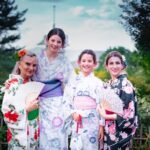
I’ve seen examples in this program where guides helped with family pacing, photo-taking, and even choosing a kimono rental option during the day. That’s a sign this kind of tour can flex beyond a strict adult sightseeing checklist.
If you’re the type who wants a car to do all the walking, or you’re traveling with very limited mobility, you may need to rethink your stop choices and possibly use the vehicle upgrade.
Should You Book This 4-Hour Kyoto Private Tour?
Yes, if you want a guided Kyoto day that feels efficient and human. The government-licensed English guide part matters, and the ability to pick 2–3 sites keeps the day from turning into a chaotic checklist.
Before booking, make your decision using a simple test: can you handle stairs, slopes, and crowds at least a little? If the answer is yes, you’ll likely leave with better understanding and better photos because you won’t be figuring it all out on your own.
If your must-see list includes far-apart neighborhoods like central Kyoto plus Uji for Byodoin, you’ll want a tightly planned guide day or consider the private vehicle upgrade so the extra travel time doesn’t eat your highlights.
FAQ
How long is the Kyoto private tour?
It runs about 4 hours.
Is this tour private or shared?
It’s a private tour, and only your group participates.
How many places can I visit in 4 hours?
The tour is designed for a customizable visit to 2–3 sites from the available stop list.
Does the price include entrance tickets?
No. Entrance fees are not included (some stops may be free, but fees can apply).
Do I get hotel pickup?
Pickup is offered, but it’s described as on-foot pickup within a designated area in Kyoto.
What transportation do we use during the tour?
The tour is a walking tour with guidance using public transportation or taxi. A private vehicle upgrade is available for an additional cost.
Is there a lunch break included?
No. Lunch is not included.
Are there any guidance materials included?
You get a licensed local English-speaking guide, and the tour includes guided visits to the selected stops.
Is there a mobile ticket?
Yes, the tour includes a mobile ticket.
FAQ
Are service animals allowed?
Yes, service animals are allowed.
Who is this tour best suited for?
Most travelers can participate, but because it’s a walking tour, it’s best for people comfortable with walking around Kyoto’s neighborhoods and temple areas.