Kyoto turns into a real plan fast. This private 6-hour tour is interesting because you choose 3–4 sites from a Kyoto menu and go with a licensed English-speaking guide who helps you move by trains and on foot. I especially like that you get insider explanations while still keeping a local pace, and that your guide can adjust when your group wants photos, questions, or a slower rhythm. One possible drawback: temple and castle entrances aren’t always included and lunch is not provided, so your total day cost can rise if you pick paid sites.
You’ll also get the city’s big moods in one day: shrine icons like Fushimi Inari’s torii tunnels, the tiled-wood drama of Higashiyama, Zen gardens, and the bamboo-and-river feel of Arashiyama. For me, the biggest practical win is learning your way around instead of just hitting photo stops.
Key points before you go
- Private, licensed English-speaking guide for your group only
- Choose 3–4 stops from a long list of Kyoto classics and quieter temple options
- Public transit help plus walking so you get bearings fast
- A balanced route that can cover shrines, temples, markets, and old neighborhoods
- Guide flexibility reported again and again by different guests
- Good value for families and small groups who want less stress and more context
In This Review
- Private 6 hours: the sweet spot for first-time Kyoto
- How you travel: meet on foot, ride trains, then walk Kyoto
- Picking your 3–4 stops: how to choose the right Kyoto mix
- East Kyoto icons: Fushimi Inari, Kiyomizu-dera, and Higashiyama
- Central Kyoto power stops: Nijō Castle, Kyoto Imperial Palace, and To-ji
- Zen temple trio: Ginkakuji, Nanzenji, and the rock-garden world
- West Kyoto daybreak: Arashiyama bamboo, Tenryu-ji, and riverside charm
- Admission tickets and the cost that sneaks up on you
- Pacing, walking, and lunch: how to avoid the common day-trip stress
- Guides make it: what the best days had in common
- Price and value: $155.86 for a private, guided Kyoto day
- Should you book this Kyoto 6-hour private tour?
- FAQ
- How long is the Kyoto private tour?
- Is this a private tour or shared with other groups?
- Can I choose which sights we visit?
- What’s included in the price?
- What isn’t included?
- How does pickup work?
- What if my plans change?
Private 6 hours: the sweet spot for first-time Kyoto
Kyoto is huge in both size and feel. If you only have one day, a “see everything” day usually turns into a sprint. This tour is designed for the opposite: you get a private guide, a tight time window, and a short list of must-sees.
What that means for you: you’re not stuck waiting for a large group plan. You’re not forced to rush through a temple because someone else wants a different stop. In the reviews, guides like Yuji, Joy Etsuko, Noriko, Emi, and Yasu show up again and again as the reason people felt the day flowed well. The common theme is not just facts—it’s pace and order, which is what makes Kyoto enjoyable instead of tiring.
How you travel: meet on foot, ride trains, then walk Kyoto
This is a walking tour with pickup and drop-off on foot in a designated meet-up area. The tour’s big transport angle is simple: you use public transportation with your guide’s help, then do the sightseeing walking between key spots.
Why that matters: Kyoto’s best sights are clustered, but not in a way that makes sense if you’re navigating alone on your first day. A good guide smooths out the practical part—what train to take, how long it takes between areas, and when to head into a neighborhood so you’re not wasting time.
One reason the experience scores so high in the reviews is that many guides are specifically praised for helping people get comfortable with subways and trains. Noriko, for example, is repeatedly mentioned for making the transit system feel manageable, and Yuka is praised for preparation and for helping the group fit in what mattered most.
Other guided tours in Kyoto


Picking your 3–4 stops: how to choose the right Kyoto mix
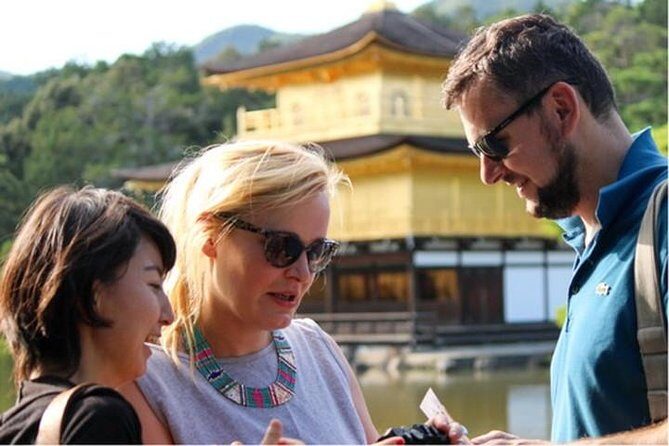
The itinerary you’ll see is really a menu. You customize your day by choosing 3–4 sites from the options. That’s the core strategy. To choose well, decide what kind of Kyoto you want most:
- Shinto icon + historic streets (bright, photogenic, and very Kyoto)
- Big temple architecture + Zen gardens (calm, often more meditative)
- Old neighborhoods + classic dining alleys (atmosphere and people-watching)
- West Kyoto nature stops like bamboo and rivers (a break from constant shrine steps)
Then match that to where you’re staying, and your group’s stamina.
Here are the standout options, grouped by vibe.
East Kyoto icons: Fushimi Inari, Kiyomizu-dera, and Higashiyama
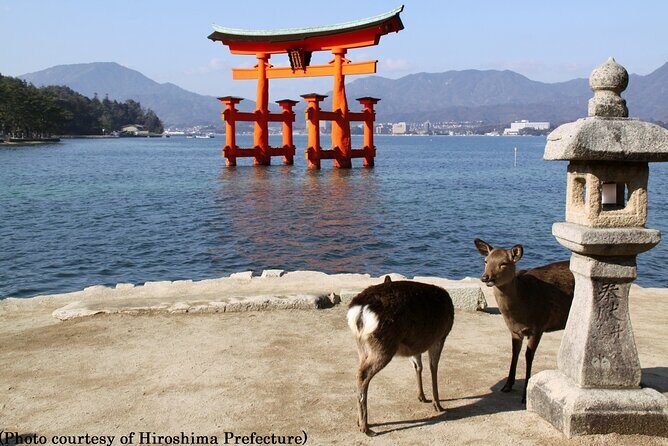
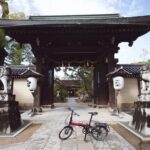
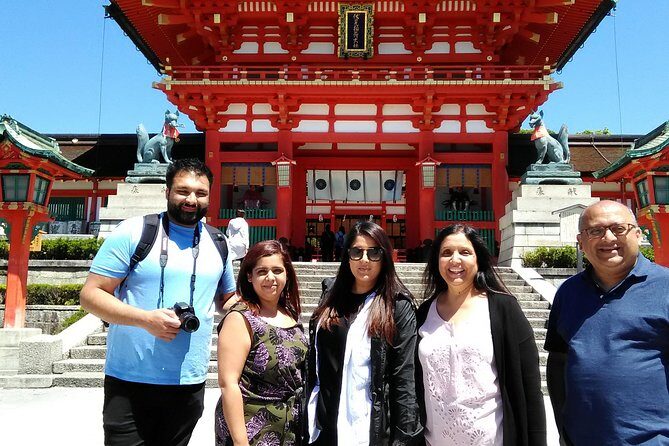
Fushimi Inari-taisha Shrine is the classic start for good reason: the vermillion-red torii gates create that tunnel effect people dream about. It’s also a place where a guide can explain what you’re seeing beyond the obvious photos—why the layout matters, how the worship is connected, and how the site fits into Kyoto’s wider culture.
Next, many routes include Kiyomizu-dera (often paired with the Higashiyama area). Kiyomizu-dera’s temple grounds are steeped in drama—views, terraces, and that feeling of climbing into something historic. Your guide can help you time your walk through the main areas and explain what makes this temple so important.
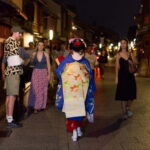
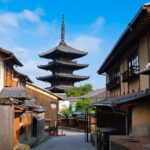
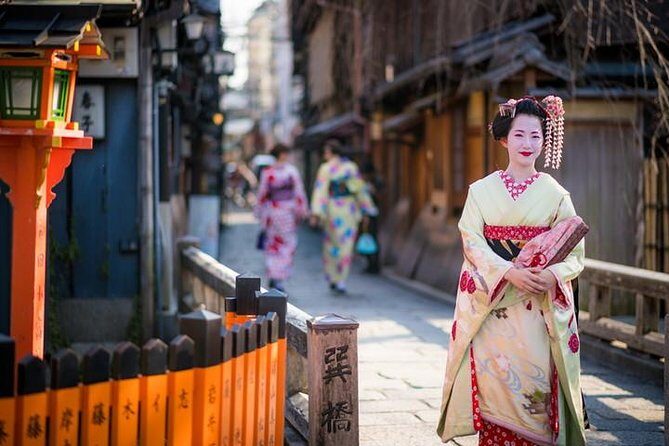
For the old-street experience, add Higashiyama Ward and Gion. Gion can be intimidating if you don’t know where you’re walking—narrow lanes, curves, and the feeling that you might end up somewhere interesting but not where you meant to be. With a guide, you can take in the atmosphere without second-guessing every corner. Bonus add-ons people often love include Nishiki Market (known as Kyoto’s kitchen) for snacks and quick browsing, plus Pontocho for evening-style alley energy near the river.
If you choose this east-side mix, you’ll get Kyoto’s most recognizable textures: gates, wooden terraces, steep walkways, and the atmosphere of old districts.
Central Kyoto power stops: Nijō Castle, Kyoto Imperial Palace, and To-ji
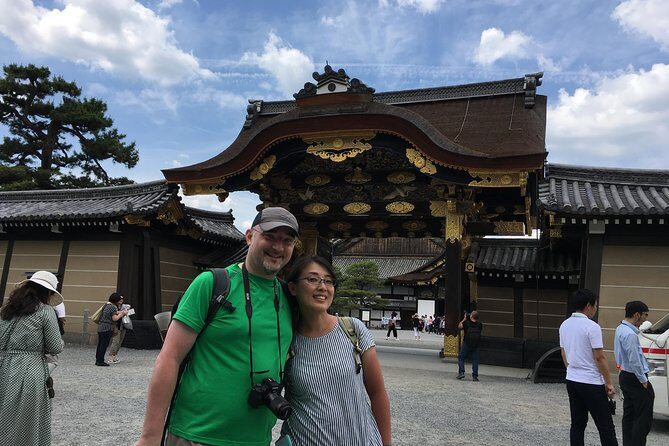
If your group likes “Kyoto but explained through power and history,” then Nijō Castle is a strong choice. It’s known for its Tokugawa connection and its striking architectural details. A guide helps you read what the design is saying, not just what it looks like in a photo.
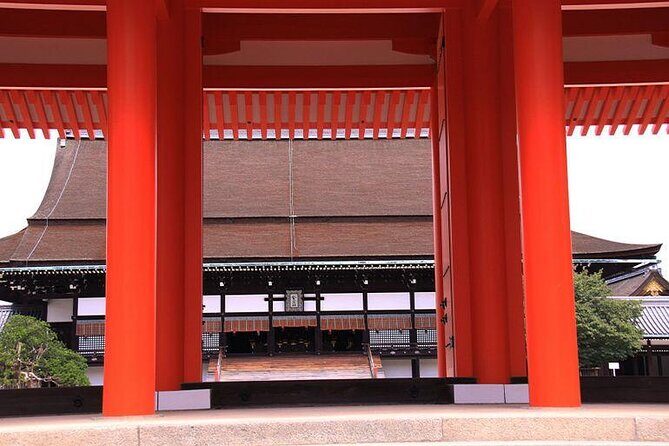
For a different kind of imperial feel, consider Kyoto Imperial Palace. It’s tied to the residence of Japan’s imperial family until the capital moved to Tokyo. This stop can be a good balance between busy temple streets and more open grounds.
Also worth considering: To-ji (East Temple). Even when you’re not going deep on Buddhist studies, it’s a place where the scale and setting make it feel unmistakably Kyoto.
Zen temple trio: Ginkakuji, Nanzenji, and the rock-garden world
Kyoto’s Zen stops are often the most rewarding when you’re ready to slow down. If you pick Zen-heavy sights, ask your guide for a pace that matches your group—some people want walking minutes and photo time; others want quieter time to understand what they’re seeing.
Common Zen picks in the options include:
- Ginkakuji (Silver Pavilion) for refined garden and Zen atmosphere
- Nanzenji for spacious grounds at the base of Higashiyama
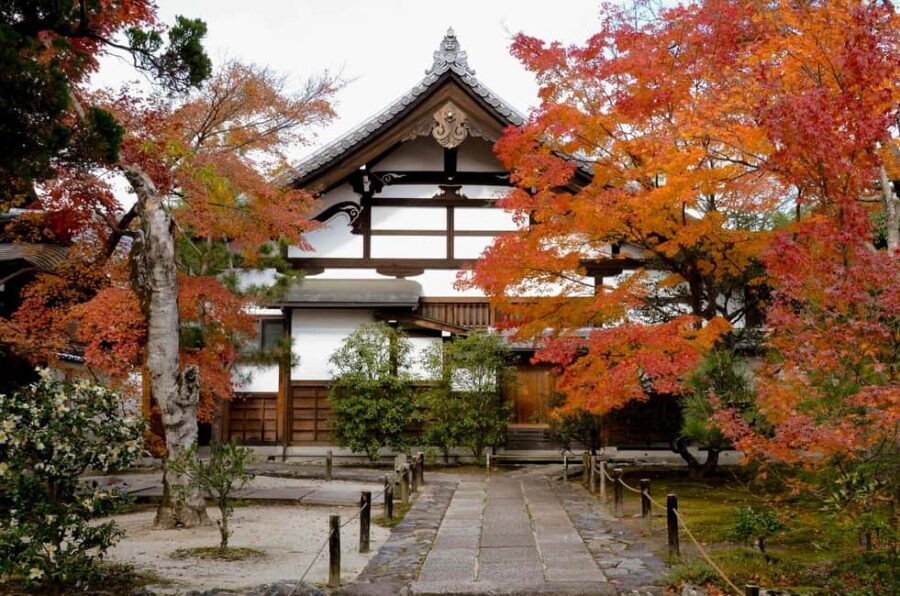
- Eikando Zenrinji for famous autumn-color appeal (and the option of evening illumination is noted in the site description)
- Sanjusangendo for the 1001 Kannon statues—an experience that’s hard to appreciate fully without context
- Ryoanji for the most famous rock garden look
You can use these as your “calm and focus” half of the day—then shift to a market street or neighborhood stroll after.
Other private tours in Kyoto



West Kyoto daybreak: Arashiyama bamboo, Tenryu-ji, and riverside charm
Arashiyama is where Kyoto feels like nature. Even though it’s popular, it still works as a sightseeing anchor because the scenery does a lot of the work for you.
If you include Arashiyama, typical musts from the menu are:
- Togetsukyo Bridge (the Moon Crossing Bridge)
- Tenryu-ji for major Zen temple importance in the Arashiyama area
- Okochi Sanso Garden for a garden experience tucked behind the bamboo groves
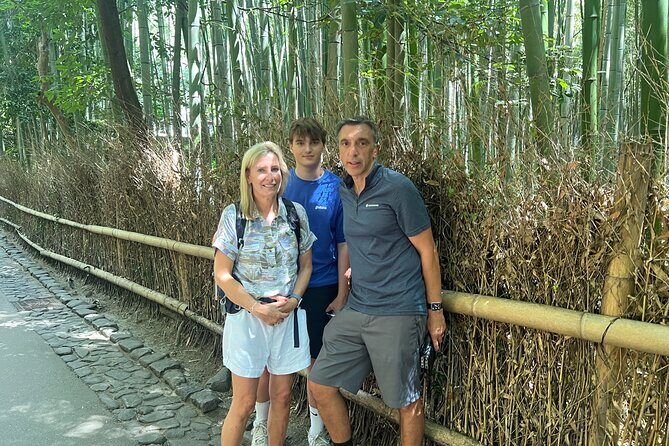
- Bamboo groves walking paths, where light wind and sway make it feel alive
This part of the day often changes how people remember Kyoto. Instead of just shrines and stones, you get river views, hillside greenery, and gardens.
Admission tickets and the cost that sneaks up on you
A lot of the Kyoto magic here is free to enter at the outer grounds, but not everything is. In the stop list, some items are marked with admission ticket free, while many temples/castles show admission ticket not included.
So here’s the practical move: when you choose your 3–4 sites, look at which ones are likely to have paid entry. If you pick major-ticket attractions like Kiyomizu-dera, Nijō Castle, Kinkakuji, or other paid temples, your entrance spending will add up. The tour price is fair, but it’s not an all-in admission pass.
If you want to keep your day budget steady, build your plan with more free-entry stops like Fushimi Inari, Gion, Nishiki Market, Pontocho, parts of Higashiyama, and other free-marked options—then spend your paid entries only where you truly care.
Pacing, walking, and lunch: how to avoid the common day-trip stress
This tour is about covering a lot without collapsing. Still, it’s a walking tour, and Kyoto’s terrain means you’ll walk uphill at times and navigate between areas that aren’t right next door.
The reviews show a pattern that guides adjust pacing for the group. Some guests describe guides as matching their pace closely, including for seniors and families with teenagers. That flexibility matters.
One caution shows up in the negative side of the feedback: a guest reported poor communication and also noted there was no time for lunch. That doesn’t define the average experience, but it’s a useful reminder for you. If lunch matters, plan for it as part of your request while you’re deciding the route. You may also want a small snack strategy—water, something easy to grab near markets like Nishiki, and a backup plan in case a temple stop runs longer than expected.
Guides make it: what the best days had in common
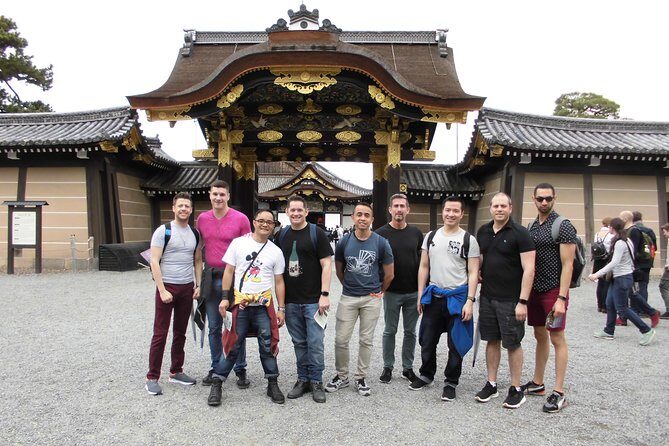
The tour’s score isn’t just about sights. It’s about how the guide turns those sights into a coherent day.
Here are the most praised guide qualities shown across multiple guides:
- Friendly, patient communication (Yuji, Joy Etsuko, Emi, Noriko)
- History and culture explained in a way you can use (Michi, Kiyoshi)
- Help using trains and finding the right exits/approaches (Noriko again, plus others)
- Flexibility when your group asks questions or wants a different flow (Joy Etsuko is called out for molding the day’s flow; Yuka is praised for maximizing the experience)
- Pre-trip coordination and smooth meeting up (people mention early communication and clear planning)
If you’re the kind of traveler who likes to ask, this tour is built for you. People often mention peppering guides with questions and getting good answers rather than feeling rushed.
Price and value: $155.86 for a private, guided Kyoto day
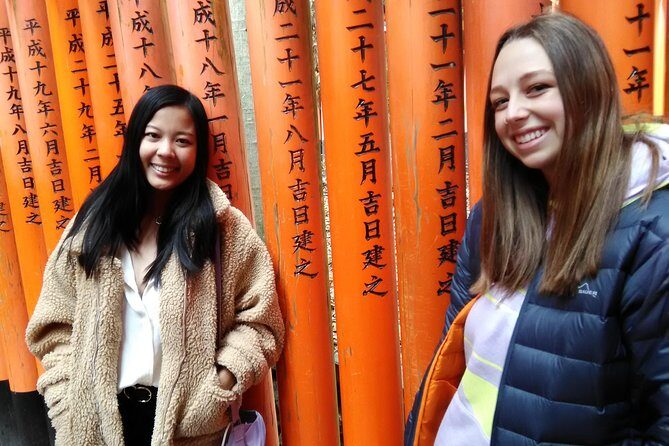
At $155.86 per person for about 6 hours, you’re paying for three things: private guidance, licensed English support, and smart city movement. You’re also paying for the time-saving effect of having someone else handle the “how do we get there” part.
This price feels most like a value move if:
- You’re traveling as a small group or family and want everyone together
- You’re doing Kyoto with limited time and want a high-quality first overview
- You prefer public transit with guidance rather than a private car
The tour does not include lunch and does not include personal expenses. Some admissions also aren’t included depending on your site picks. If you treat admissions and food as part of your day budget, the base price is reasonable for a private guide experience with strong ratings.
Should you book this Kyoto 6-hour private tour?
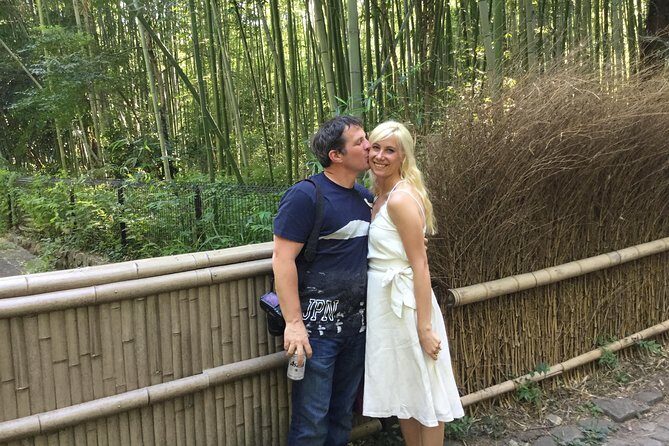
Book it if you want:
- A guided first pass through Kyoto’s main districts without getting lost
- A plan that can be tailored to your interests (temples vs neighborhoods vs Zen vs Arashiyama)
- A guide who helps with trains and makes the day feel organized
Consider skipping or adjusting your expectations if:
- You hate walking and prefer long, car-based transfers (this is mainly on foot plus public transit)
- You want a guaranteed lunch stop at a set time (lunch isn’t included)
- You plan to pick mostly paid-entry attractions and don’t want extra costs
If your goal is to leave Kyoto feeling oriented—where things are, what matters, and why each place feels the way it does—this is an excellent one-day format.
FAQ
How long is the Kyoto private tour?
It’s about 6 hours.
Is this a private tour or shared with other groups?
It’s private. Only your group participates, and you can’t combine multiple tour groups.
Can I choose which sights we visit?
Yes. You customize the tour to 3–4 sites from the available options.
What’s included in the price?
A licensed local English-speaking guide is included. You also get a meet-up within a designated area and a mobile ticket.
What isn’t included?
Lunch, personal expenses, and a private vehicle are not included. Admission tickets are also not included for some sites.
How does pickup work?
Pickup and drop-off are on foot. You meet the guide within a designated area, and the tour is near public transportation.
What if my plans change?
You can cancel for a full refund up to 24 hours in advance, based on the tour’s local time.