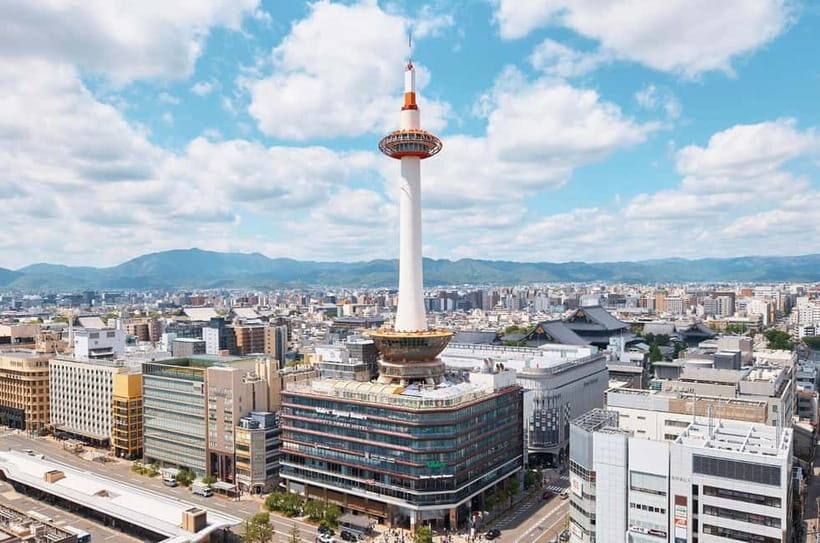
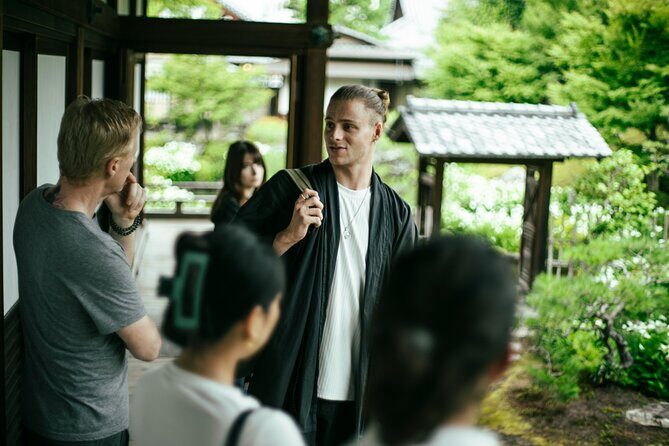
Kyoto turns into a story on foot. This private government-licensed English guide approach is a smart way to see more than postcard temples, because you pick your focus and your route gets planned around you. I like the fact that you’re not stuck guessing where to go next in areas like Gion. I also like the value angle: a short stop at Fushimi Inari-taisha comes with an experience described as going beyond what ordinary visitors usually get.
You’ll also get a walking pace that makes sense for Kyoto’s layout. Your guide meets you on foot in a designated area, then helps you connect the dots between shrines, castles, Zen gardens, and the neighborhoods that give Kyoto its feel—like Pontocho and Higashiyama.
One thing to weigh: this is a walking tour without a private vehicle, so you’ll want comfortable shoes and a realistic attitude toward time on foot. Also, entrance fees and lunch aren’t included, so you’ll pay those directly for the sights you choose.
In This Review
- Key things to know before you book
- How a private 8-hour Kyoto walking plan really feels
- Picking your Kyoto stops: icons, Zen, and neighborhood time
- Fushimi Inari-taisha: a fast hit with a special angle
- Kiyomizu-dera: go for the setting, stay for the context
- Nijo Castle: history you can walk through
- Gion + Higashiyama area: Kyoto’s theater district feel
- Nishiki Market + Pontocho: snacks and atmosphere
- Kyoto Imperial Palace: a different side of Kyoto’s identity
- The Higashiyama temple chain: quiet Zen and big-name elegance
- Golden Pavilion and the Kyoto rock-garden level
- Arashiyama: bamboo groves, bridge photos, and garden calm
- Extra north-Kyoto options: Kibune and Kurama
- Shugakuin, Ninna-ji, and other imperial-style and world-heritage choices
- Price and value: $201.46 for a guided day, not a ticket bundle
- The logistics that actually matter on a day like this
- It’s walking-only, so plan shoes like it’s your job
- Transit and money prep can save time
- Guides can adjust based on your pace
- Entrance fees and lunch: budget line items
- Who this Kyoto tour fits best
- A quick note on timing and cancellation
- Should you book this private Kyoto day?
- FAQ
- What’s the duration of this Kyoto private tour?
- How many stops will we visit?
- Is the tour guided by a licensed English-speaking local?
- Do we need to pay entrance fees?
- Is transportation included, or is it only walking?
- Can I get picked up, or do I meet the guide somewhere?
- Is there a mobile ticket?
- Is it a private tour for just our group?
- Is free cancellation available?
Key things to know before you book
- Government-licensed English guide: real local expertise, not a generic script
- Flexible route: choose your 3–4 favorites, and your plan is built around 4–6 sites
- Meet on foot: faster start once you’re at the meeting area
- Fushimi Inari value: the description includes special access after the main visit
- Mix of Kyoto styles: big iconic landmarks plus calmer temple compounds
- Arashiyama options: bamboo, bridge, and garden time can fit into your day
How a private 8-hour Kyoto walking plan really feels
This tour is built for people who want Kyoto’s “old capital” feeling without spending the day lost. You’re booking a private group with a licensed local English guide, and you’ll plan your day after booking. That matters because Kyoto is not one big circle. It’s a cluster of neighborhoods and temple zones, and the best order can change depending on your interests.
You also won’t be dealing with a car drop-off drama. Pickup and drop-off are handled on foot, and you meet your guide within a designated area. Once you’re there, you can usually get moving right away. One useful note from past participants: having local currency and transit cards ready helped their group start immediately, with no last-minute fumbling.
The tour runs about 8 hours, and it’s designed around walking. That’s the trade: you get hands-on context and easier navigation, but you need to treat it like a day of real steps, not a hopping-sight tour.
Other guided tours in Kyoto

Picking your Kyoto stops: icons, Zen, and neighborhood time
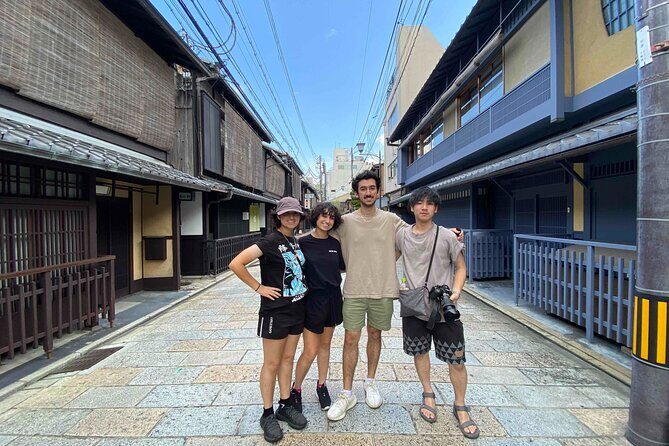
A key benefit is that you’re not locked into one rigid loop. Your guide will ask what you want most, and if you don’t know yet, you can ask for a recommended route based on your interests. That’s where you can shape the day: history-heavy, temple-and-garden focused, or more neighborhood flavor with shopping and dinner streets.
Here’s how the stop options translate into a practical day. Think of Kyoto in zones. Your guide will likely choose from a spread like this (you won’t necessarily do every stop below—this tour is for a selected handful of sites):
Fushimi Inari-taisha: a fast hit with a special angle
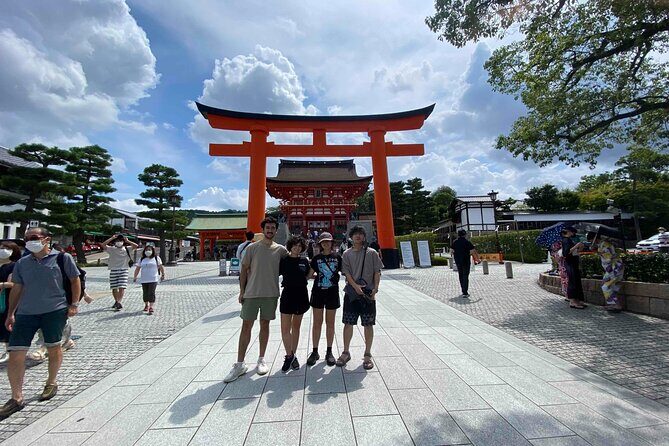
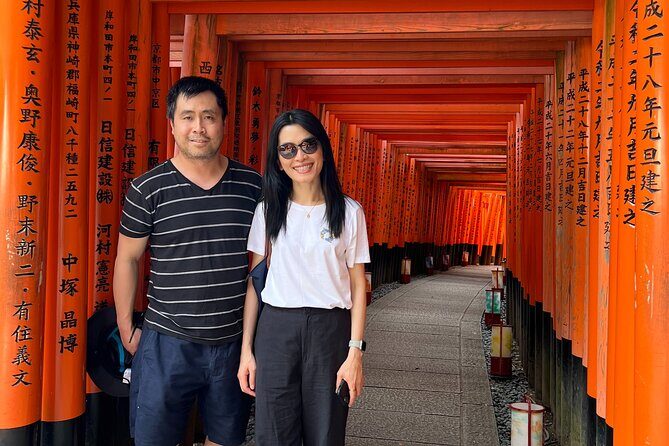
Fushimi Inari-taisha Shrine is the dramatic start most people picture when they think Kyoto. The torii gates and the walking routes are iconic, but this stop is described as a short trip with fantastic value and an experience that’s described as being off-limits to ordinary tourists after the tour. That gives you a reason to include it even if you’ve seen photos.
Practical tip: because it’s short on the schedule, you’ll want the guide’s help setting expectations on what you’ll cover in that time. If you want the full wandering vibe, you might consider saving extra time for it later.
Kiyomizu-dera: go for the setting, stay for the context
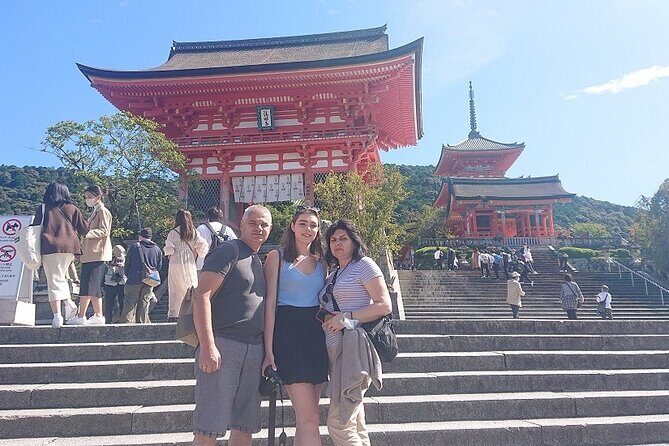
Kiyomizu-dera Temple is one of Kyoto’s biggest-name temples, and the tour frames it as a guided, comprehensive visit. You’ll get a structured walk through the temple grounds, which is useful because the site’s meaning and layout are easier to understand with someone explaining what you’re seeing.
The drawback: entrance fees aren’t included, so budget for the temple entry card. Still, this is one of those stops where a guide can turn a crowded photo spot into an actual story.
Nijo Castle: history you can walk through
Nijo Castle is a UNESCO World Heritage site, built in 1603 as the Kyoto residence of Tokugawa Ieyasu. This is where Kyoto’s political history shows up in physical form. If you’re the kind of person who likes to understand how power worked in old Japan, this stop tends to land well.
Time note: it’s on the list as a short stop, so you’ll get a guided highlights version rather than a slow museum crawl. Plan your priorities with your guide.
Other private tours in Kyoto



Gion + Higashiyama area: Kyoto’s theater district feel
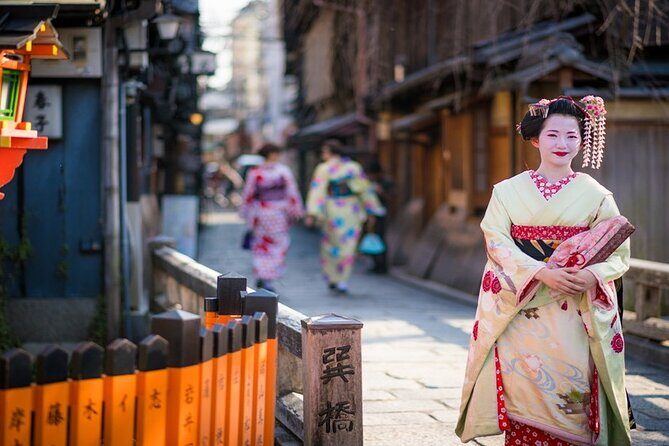
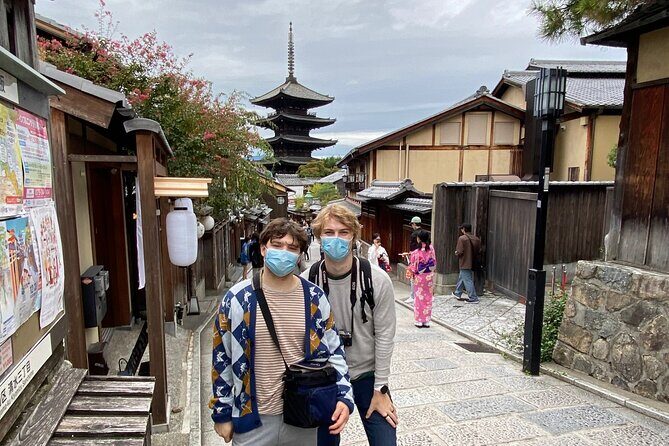
Gion is one of those places where it’s easy to feel turned around on your own. The tour’s description calls out that a guided approach removes the stress of getting lost in the Geisha district. Even if you’re not chasing photos of performers, you’ll still appreciate the alley rhythm and historic streetscape.
Then there’s the Higashiyama District, framed as one of the best preserved historic areas along the lower slopes of Kyoto’s eastern mountains. Pairing Gion with Higashiyama is a smart way to get the “old Kyoto walking” feel without spending half the day deciding where to go.
Nishiki Market + Pontocho: snacks and atmosphere
Nishiki Market is described as Kyoto’s Kitchen, a narrow, roughly five-block shopping street with more than one hundred shops and restaurants. This is where you can slow down for small tastings or browse specialties. It’s listed with a quick stop, so think of it as a curated stroll rather than a full market shopping session.
Pontocho is a different mood: a narrow dining alley running between Shijo-dori and Sanjo-dori, one block west of the Kamogawa River. This is the kind of street where a guide helps you read the layout fast. It’s also a strong option if you want food-area energy without committing to a specific restaurant in advance.
Kyoto Imperial Palace: a different side of Kyoto’s identity
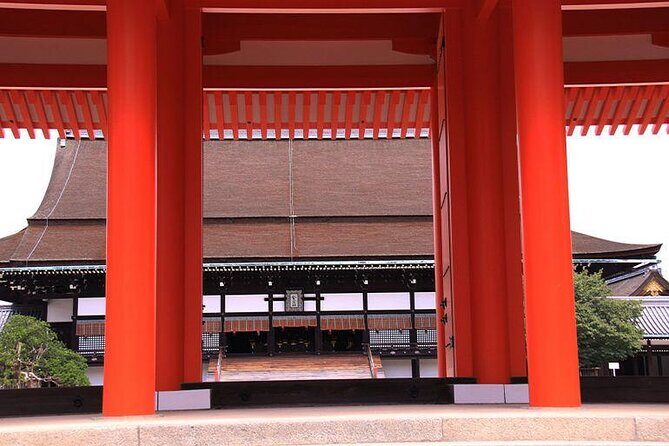
Kyoto Imperial Palace connects you to the era when the Imperial Family lived here until 1868, when the capital moved to Tokyo. The tour frames it as a guided visit, but entrance fees aren’t included. That said, it’s a helpful stop if your day leans history and you want to balance the temple-heavy parts.
The Higashiyama temple chain: quiet Zen and big-name elegance
If your day includes eastern Kyoto temple options, you’ll be choosing among strong contrasts:
- Ginkakuji (Silver Pavilion): a Zen temple tied to Ashikaga Yoshimasa’s retirement villa. The name says silver, but the real draw is the setting and the retirement-villa story.
- Nanzenji Suirokaku: a spacious Zen complex at the base of Higashiyama’s mountains, described as an important Zen temple in Japan.
- Tofuku-ji: known for spectacular autumn colors. Even if it’s not peak season, it’s a good “Zen scale” option.
- Toji: a big temple founded in the early Heian period after the capital moved to Kyoto. This adds variety beyond just the polished iconic pavilions.
You might find this cluster works best when your guide keeps your time moving. Temple grounds can swallow time, so it helps to have a guide who can adjust based on how long each site takes you.
Golden Pavilion and the Kyoto rock-garden level
For classic Kyoto Zen visuals, these are the standouts on the list:
- Kinkakuji (Golden Pavilion): a Zen temple where the top two floors are covered in gold leaf. This is one of the most recognizable Kyoto sights, and it’s worth it if you want that “wow” factor without searching.
- Ryoan-ji: the site of Japan’s most famous rock garden. This is one of those places where the guide matters because the experience is about seeing correctly, not just taking a picture.
- Daitoku-ji and Myoshinji: both are large temple complexes with many subtemples. The trade is that they can feel expansive—excellent if you love wandering temple compounds, but you’ll want your guide to keep you on a clean route.
Arashiyama: bamboo groves, bridge photos, and garden calm
Arashiyama is your west-Kyoto “pause button.” The tour options include:
- The Togetsukyo Bridge: Arashiyama’s iconic landmark, reconstructed in the 1930s after earlier versions. If you want one easy photo marker to anchor the whole area, this does it.
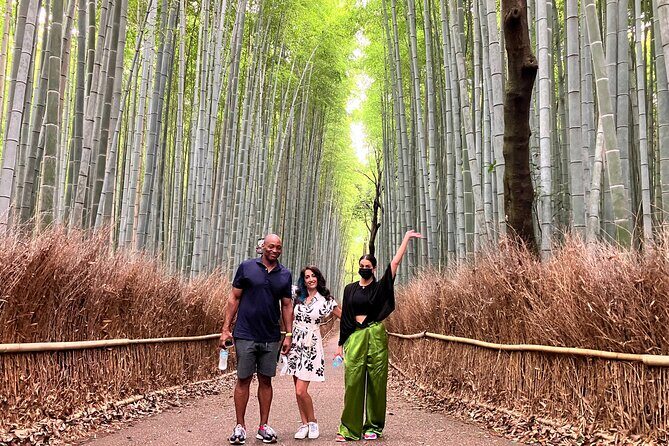
- Bamboo groves walking paths: the tour notes that paths through bamboo groves make a nice walk, especially when there’s a light wind moving the stalks.
- Tenryu-ji: described as the most important temple in Arashiyama and ranked first among Kyoto’s five great Zen temples.
- Okochi Sanso Garden: the former villa of actor Okochi Denjiro, tucked behind bamboo groves, with multiple gardens and buildings.
- Jojakkoji, Nisonin, Gio-ji: hillside temple options known for moss, maple, and quieter settings along forest paths.
- Adashino Nenbutsu-ji, Otagi Nenbutsu-ji: known in different ways—stone statues at the Otagi site are the headline detail.
- Yoshimine-dera: another western mountains option built along slopes, often paired with other Arashiyama-adjacent choices in a curated day.
If you love gardens and quiet spaces, this zone fits you well. The drawback is simple: it’s easy to overschedule. Bamboo plus multiple hillside temples can turn into a lot of uphill walking. Let your guide choose fewer sites if your legs need it.
Extra north-Kyoto options: Kibune and Kurama
These are good if you want to get away from the densest central areas:
- Kibune: a small town in a forested valley, developed around Kifune Shrine.
- Kurama-dera: in the rural northern mountains, known for the temple and hot springs. The schedule lists it as a short option, so it works if you want a taste of the mountains without losing the whole day.
Shugakuin, Ninna-ji, and other imperial-style and world-heritage choices
If you want variety beyond the “temple Instagram lineup,” consider:
- Shugakuin Imperial Villa: a 17th-century imperial villa managed by the Imperial Household Agency, with Upper, Middle, and Lower Villa.
- Ninna-ji: a World Heritage Site, head temple of the Omuro School of the Shingon sect, founded in 888.
- Toji and other eastern options: helpful if you want to avoid repeating too many of the same temple styles.
These stops can give your day a sense of scale—Kyoto isn’t just shrines. It’s architecture, governance, and garden design.
Price and value: $201.46 for a guided day, not a ticket bundle
At $201.46 per person for about 8 hours, the biggest value isn’t the number of “places you stop.” It’s the structure. You’re paying for a licensed English-speaking guide who plans the route around you, helps you interpret what you’re seeing, and reduces the friction of moving through a big historic city on foot.
Also, entrance fees are not included. So your real cost depends on which sites you choose. Your guide entry fees are only covered for sights listed under the planned options, which is fine, but it means you should still expect to pay individual temple or palace admissions if required.
Is it worth it versus DIY? If you want history context, efficient routing, and less stress in complicated neighborhoods, this private format is a strong deal. If you only want to hit a couple of iconic photos and you’re comfortable navigating Kyoto solo, you might spend less elsewhere. But once you start stringing together multiple zones, hiring a guide often becomes cheaper than the time you lose.
The logistics that actually matter on a day like this
It’s walking-only, so plan shoes like it’s your job
This tour is described as a walking tour, with pickup and drop-off on foot and no private vehicle. That means your day depends on stamina as much as it depends on sights. Kyoto’s temple districts include hills and stairs. Comfortable shoes are non-negotiable.
Transit and money prep can save time
One of the best practical tips from a prior group: having local currency and transit cards ready meant they could start their journey immediately. If you’re the type who likes to exchange money or figure out transit right at the curb, do that earlier in the day or the night before.
Guides can adjust based on your pace
This is where a private format helps. Examples of guides named in past experiences include Karkoo Tanigawa, plus Ichiro and Shu, described as professional and accommodating. That’s the kind of energy you want: someone who can handle your group’s speed and attention level without turning your day into a race.
Entrance fees and lunch: budget line items
Your tour includes the guide, the selected sites, and the guided experience. It does not include entrance fees, lunch, or transportation fees. Build in time to grab food nearby rather than expecting lunch to be magically part of the plan.
Who this Kyoto tour fits best
This works especially well if:
- you want a private guide who can plan your route based on interests
- you’re doing Kyoto for the first time and you want the city’s layout explained
- you like temples and neighborhoods, but you don’t want to guess order and meaning
- you’re okay walking and you want a full day that feels like Kyoto, not a checklist
It can feel less perfect if:
- you want minimal walking
- you only care about one or two sites
- you prefer a totally self-directed schedule with no guide planning input
A quick note on timing and cancellation
Since the schedule can be tight, it’s smart to book ahead. The information provided suggests reserving at least two weeks in advance, and the tour is popular enough to often be booked about 69 days out on average. If plans change, free cancellation is available up to 24 hours before the experience start time.
Should you book this private Kyoto day?
If you want Kyoto with less stress and more meaning, I’d lean yes. The combination of a licensed English guide, a route you shape, and a walking plan that connects neighborhoods (Gion, Higashiyama, Pontocho) with major temple stops (like Kiyomizu-dera, Kinkakuji, and Ryoan-ji) is exactly how you get a Kyoto day that feels personal instead of generic.
Book it if you’re ready to walk, choose a handful of high-priority stops, and let the guide handle the flow. Pass or consider an easier alternative if you want a low-effort day, since entrance fees and walking time are part of the reality here.
In short: if you want Kyoto’s culture explained while you’re seeing it, this is the kind of guided day that’s worth its price.
FAQ
What’s the duration of this Kyoto private tour?
It’s listed as approximately 8 hours.
How many stops will we visit?
You’ll choose your preferred sites, and the tour is described as customizable around 4 to 6 sites. The planning process also asks you to choose 3 to 4 spots you want to visit.
Is the tour guided by a licensed English-speaking local?
Yes. It includes a licensed local English speaking guide.
Do we need to pay entrance fees?
Entrance fees are not included. The guide entry fees are covered only for sights listed under What to expect.
Is transportation included, or is it only walking?
This is a walking tour. Pickup and drop-off are on foot, and transportation fees are not included. A private vehicle is not provided.
Can I get picked up, or do I meet the guide somewhere?
You’ll be offered pickup, but you’ll meet the guide on foot within a designated area of Kyoto.
Is there a mobile ticket?
Yes, the tour includes a mobile ticket.
Is it a private tour for just our group?
Yes. Only your group will participate.
Is free cancellation available?
Yes. You can cancel up to 24 hours in advance for a full refund. If you cancel less than 24 hours before, the amount paid is not refunded.