Arashiyama can feel like a photo line—until you go farther. I like that this tour takes you past the bamboo rush to places like the Okochi Sanso garden for a warming bowl of matcha, and into Tenryu-ji where you can slow down and actually look around. The main drawback is simple: it’s a walking tour, and the final hike to Monkey Park is steep, especially in heat.
What makes it work is the structure. You get a small group (max 12) so your guide can help with details like ordering matcha, pointing out what to notice, and even assisting with shopping choices along the Arashiyama street. If you want a low-effort day with minimal hills or zero walking, this likely won’t fit.
In This Review
- Key things that make this tour a good use of half a day
- Why Arashiyama Beyond the Bamboo Grove Actually Changes the Day
- Price and Value: What $89.54 Buys You (and What It Doesn’t)
- Meeting Point to End of Tour: How the Day Flows on Foot
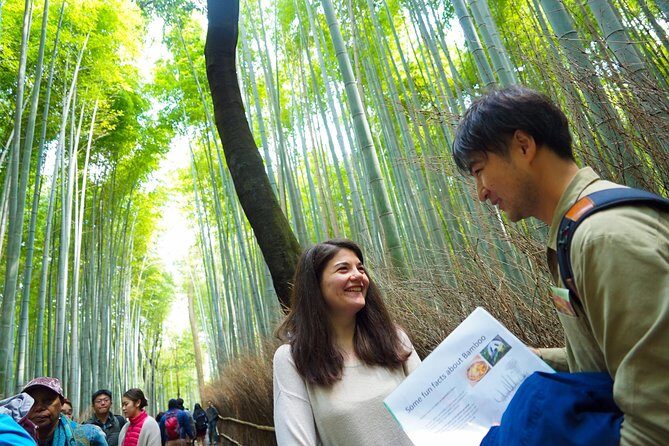
- Stop 1: Arashiyama Park and the Bamboo Grove Lead-In
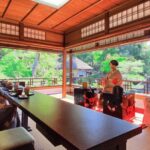
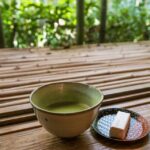
- Okochi Sanso Garden: The Private Calm With Warming Matcha
- Tenryu-ji Temple: Koi Pond Watching Plus Indoors-and-Outdoors Time
- Arashiyama Shopping Street: Guide Help Without Forcing You to Buy
- Togetsukyo Bridge: The Iconic Katsura River View in a Short Photo Window
- Monkey Park Iwatayama: The Steep Hike That Pays Off
- Guide Styles That Make or Break a Kyoto Walking Day
- Getting the Most Out of the Walking Style (Without Overdoing It)
- Who Should Book This Tour (and Who Should Skip It)
- Should You Book? My Call
- FAQ
- How long is the tour?
- Is this a private tour?
- What does the ticket price include?
- Does the tour involve walking or a bus?
- Is the Monkey Park hike difficult?
- Is lunch included?
Key things that make this tour a good use of half a day
- Small group pacing (max 12) so you’re not glued to strangers or forced through stops
- Private-garden calm at Okochi Sanso plus matcha served in a former tea house
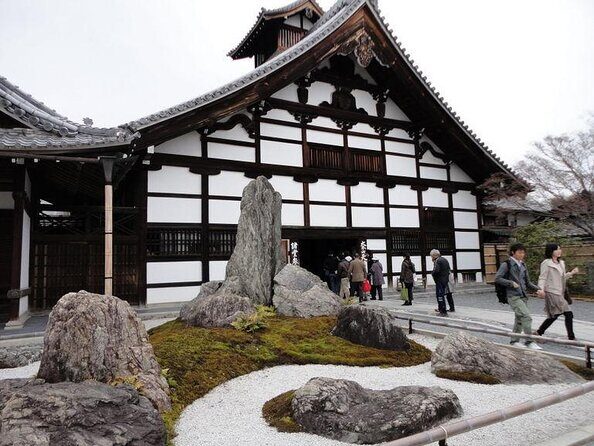
- Tenryu-ji Temple time for indoors-and-outdoors sightseeing and koi pond watching
- Togetsukyo Bridge photo timing for Katsura River views beyond the bamboo
- Monkey Park Iwatayama at the end with a rewarding hill-top look over Kyoto
Why Arashiyama Beyond the Bamboo Grove Actually Changes the Day
The Bamboo Forest is famous for a reason, but it’s also where many people stop—then head back the way they came. This tour changes the math. You start with the bamboo area, yes, but you also build in the quiet stuff right away: gardens, temple space, and viewpoints that don’t feel like a single long crowd funnel.
I like this approach because it gives you contrast. Bamboo can be loud in foot traffic; Tenryu-ji slows your eyes down; Okochi Sanso adds shade, seating, and a place to breathe before you keep moving. If you’re trying to understand Arashiyama as a neighborhood—not just a single attraction—that context matters.
The day is designed around walking time you can feel. You’ll cover a handful of key spots on foot, and the guide’s role is to keep the flow from turning into guesswork.
A few more Kyoto tours and experiences worth a look
Price and Value: What $89.54 Buys You (and What It Doesn’t)
At $89.54 per person, the value here comes from three things you’d otherwise pay for and coordinate yourself: the guide, and admission to multiple sites that can add up fast.
What’s included:
- Guide fee
- Okochi Sanso entrance
- Tenryuji entrance
- Monkey Park entrance
- Shopping and translation assistance
What’s not included:
- Lunch
- Shopping and souvenirs
For me, the best part isn’t only the included tickets—it’s that the tour handles the “what should I do next?” problem. You’re not trying to piece together temple hours, garden entry, and the best order to see the bridge and viewpoints. That’s real value if your Kyoto time is tight.
Meeting Point to End of Tour: How the Day Flows on Foot
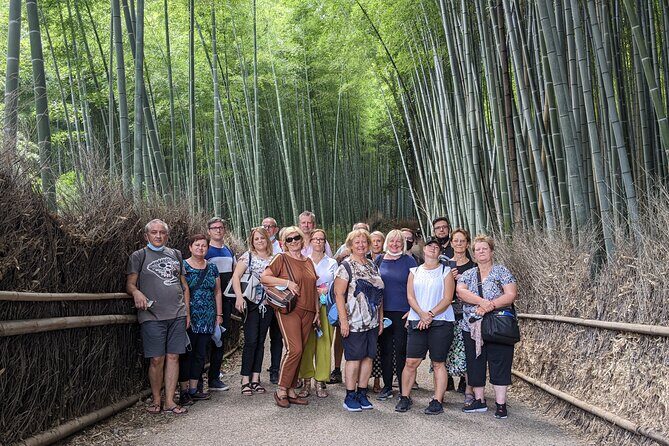
You meet at 18-12 Sagatenryūji Kurumamichichō, Ukyo Ward, Kyoto. The tour ends at Arashiyama Monkey Park Iwatayama, which matters because it shapes your energy planning. You’re not backtracking in a straight line after the hike—you finish at the viewpoint and can leave when you want.
A few logistics details are worth taking seriously:
- It’s mobile ticket based.
- You should arrive 15 minutes early since late arrivals can’t join.
- Since it’s a walking loop (not a bus tour), comfortable shoes are not optional.
- The tour is about 5 hours, with a possible difference of around 30 minutes.
If you’ve got a schedule after this (dinner reservations, a train ride, kid pickup), I’d build in a cushion. A walking day can stretch when it’s hot, rainy, or you’re stopping to take photos.
Stop 1: Arashiyama Park and the Bamboo Grove Lead-In
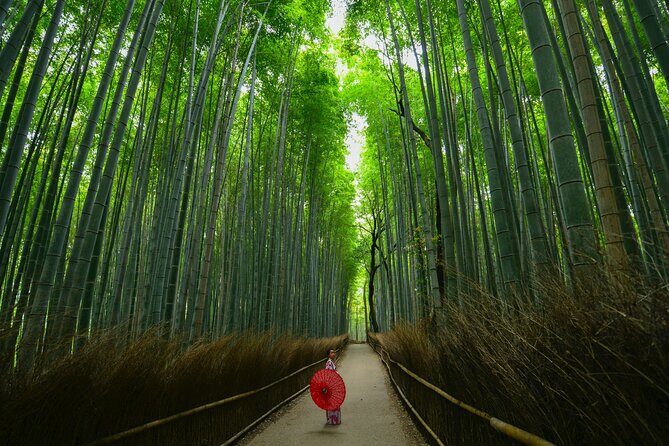
You begin at Arashiyama Park, Kameyama area, starting with the bamboo grove experience and then working your way toward higher ground in the park area. This timing is practical: you get into the bamboo without turning it into a rushed sprint.
There’s also a nice side benefit here. The bamboo grove is only one part of what makes the area feel special. As you move through the park, you get glimpses of structure, pathways, and that layered green that Kyoto does so well. Even if you’ve seen bamboo before, you’ll likely notice how the area changes as you gain elevation.
You’re looking at about one hour here, and it’s a good length—enough time to enjoy the “wow” moment without feeling like you’re on a conveyor belt.
Okochi Sanso Garden: The Private Calm With Warming Matcha
Next comes Okochi Sanso Garden, and this is the kind of stop that makes the tour feel different from the standard bamboo-only shuffle.
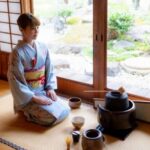
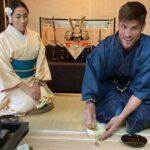
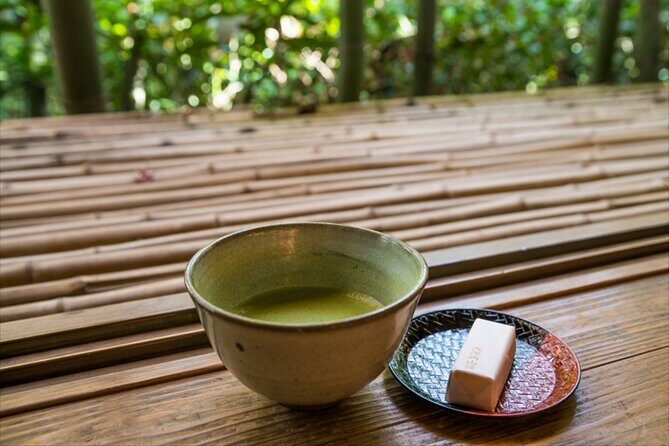
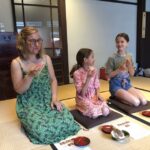
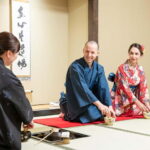
You get around 45 minutes to take your time. This is not just walking-through scenery. You’re entering a private garden with seating and a resting-style pause. Matcha is served as a warming bowl, and it’s noted as being in a former tea house that now functions as a rest area.
This stop is valuable for two reasons:
- It breaks up the day so you’re not sprinting from one crowd magnet to another.
- It’s where you can shift from “I’m seeing famous sights” to “I’m experiencing a place.”
I’d call this the emotional reset point of the tour. After bamboo and before temple time, it’s the pause that makes the rest of the day feel smoother.
A few more Kyoto tours and experiences worth a look

Tenryu-ji Temple: Koi Pond Watching Plus Indoors-and-Outdoors Time
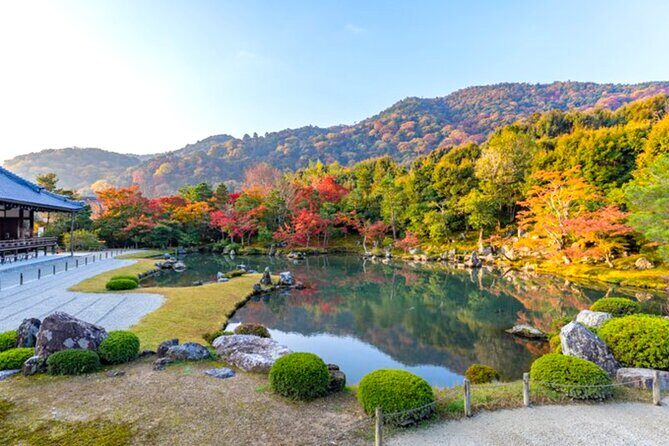
Then you head to Tenryu-ji Temple for about 45 minutes, with time for both indoors and outdoors viewing. This is where the tour balances the natural feel of Arashiyama with a more reflective temple rhythm.
What makes Tenryu-ji practical on a short day is that you can actually do temple sightseeing without it becoming vague. The koi pond is a key feature mentioned in the tour flow, and it’s one of those details that turns a temple stop into something you remember—not just a checklist photo.
You’ll also learn context from your guide as you move through the grounds. In past tour experiences like this, I’ve found that the best guide styles are the ones that explain what you’re looking at in plain terms—how the space is meant to be read, not just historical facts thrown at you. Here, that style seems to be part of the strong reputation.
Arashiyama Shopping Street: Guide Help Without Forcing You to Buy
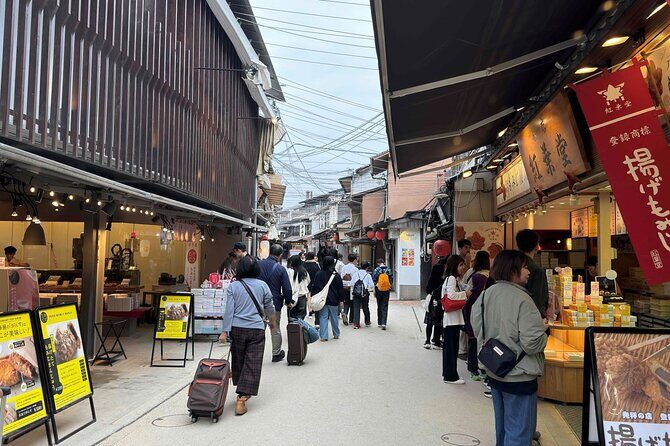
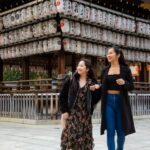
After Tenryu-ji, you spend about one hour on the Arashiyama shopping street. The big value is not shopping itself—it’s the built-in translation and assistance.
You can stop at shops that catch your eye, ask questions, and get help figuring out what something is and how to order. This is ideal if your Japanese isn’t strong and you still want to bring home something real, like a snack or small local item.
One practical tip: use this time to refuel lightly if you need it. Lunch isn’t included, so the street can help you handle that gap with something you can carry into the monkey-park hike.
Togetsukyo Bridge: The Iconic Katsura River View in a Short Photo Window
Next is Togetsukyo Bridge, one of the most recognizable spots for photos with the Katsura River. The time here is short—around 15 minutes—but that’s actually a smart design choice.
A quick bridge stop works because it keeps you from overheating on a long outdoor wait. It also gives you room to enjoy the view without rushing your way through everything else.
If you care about photos, this is where you’ll appreciate being in a guided group. The guide can help you focus on where to stand, what angle tends to work, and how to move without blocking other people.
Monkey Park Iwatayama: The Steep Hike That Pays Off
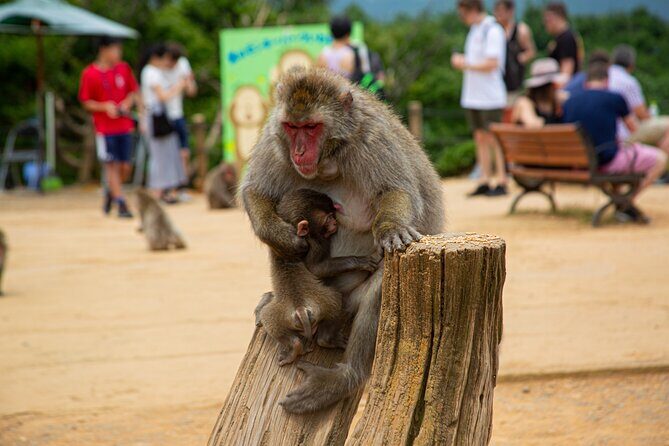
The final stop is Arashiyama Monkey Park Iwatayama, and it’s the part of the day with the most physical ask. You’ll leave your guide and hike up for about 15–20 minutes on a steep path.
If your knees run hot on steep stairs or you’re sensitive to heat, this is the piece to plan around. Wear shoes with grip and bring water. Going in summer can mean a serious uphill challenge, and the hike can feel longer than it sounds when it’s hot.
But here’s why it’s worth it:
- The views from the top are part of the draw.
- You’re there at the end of a structured walking day, so you’re finishing with a payoff moment.
- The park is especially appealing for kids and families, since watching monkeys do their thing is pure fun.
Also, your tour ends here—but you’re not forced to stay. The instructions say you can leave anytime after your visit begins. That flexibility matters if you need to rest or keep it short.
Guide Styles That Make or Break a Kyoto Walking Day
This is the kind of tour where the guide quality shows quickly. The strong pattern in the tour’s reputation is not just “good explanations,” but guides who keep things moving at a steady pace and treat the group like people, not just a schedule.
You’ll see hints of that in the guide experiences tied to the route—guides such as Francis, Toru, Karim, Augustin, Matthew, Tom, Remi, Toshiya-san, Tomio, and Diana get singled out for different reasons. Some bring humor and stories. Some help families and kids feel included. Some stay patient with seniors. One detail that stands out is guides helping people avoid stress, like guiding back to a station route after the tour in at least one case.
There’s also a practical “fun factor” element mentioned: a temple-related trick where a coin can be flipped onto a frog’s head, plus food pointers like snacks to try. These aren’t life-changing, but they add color to a day that could otherwise stay purely sightseeing.
Getting the Most Out of the Walking Style (Without Overdoing It)
Because this is a walking tour, you should pack smart and pace yourself.
What helps most:
- Comfortable shoes for a steep uphill final hike
- Sunscreen and a hat for hot weather days
- An umbrella for rain—Kyoto weather can shift fast
- A light snack from the shopping street if you need it, since lunch isn’t included
The other thing to keep in mind is timing. The tour is about 5 hours, but it can run roughly 30 minutes longer or shorter. That means you should avoid booking something tight right after the monkey-park viewpoint unless you like living on the edge.
Finally, download and use WhatsApp so the hotline can reach you on departure time if needed. It’s a small step that prevents last-minute confusion.
Who Should Book This Tour (and Who Should Skip It)
I think this tour is a great match if you:
- Want Arashiyama beyond the bamboo grove
- Like a guided day with a small group (max 12) and time to ask questions
- Care about temple and garden atmosphere, not only photos
- Want matcha and a more relaxed pause at Okochi Sanso
Skip it if you:
- Hate steep walking or you know you’ll struggle with a hill climb
- Want a bus-based “sit and go” style day
- Need a very short, low-footprint plan (this is not built that way)
Also, it’s not private. Even though the group is small, you’re still sharing the day with others, so keep your expectations aligned.
Should You Book? My Call
Book it if your goal is to understand Arashiyama as a full area—bamboo, temples, gardens, bridge views, and the monkey-park finale—without spending your time figuring out logistics. The biggest reasons are value and pacing: entrance tickets are handled, the group stays small, and the stops include the kind of calm interludes that make a Kyoto day feel worth it.
Don’t book it if you’re expecting an easy stroll. The final hike to Monkey Park is the reality check. If you can handle that steep segment, you’ll likely feel like this is one of the better ways to spend a half day in Kyoto.
FAQ
How long is the tour?
It’s approximately 5 hours, with possible variation of around 30 minutes before or after the estimated time.
Is this a private tour?
No. It’s a small group tour with a maximum of 12 travelers.
What does the ticket price include?
The price includes the guide fee and admission to Okochi Sanso, Tenryuji, and Monkey Park Iwatayama, plus shopping/translation assistance.
Does the tour involve walking or a bus?
It’s a walking tour, not a bus tour.
Is the Monkey Park hike difficult?
Yes, the access to the top includes a short hike (about 15–20 minutes) through a steep path, so comfortable shoes and reasonable physical condition are important.
Is lunch included?
No. Lunch is not included.