Kyoto bamboo looks best from a rickshaw seat. I love how the guide pulls you through the bamboo rickshaw route, and I love the photo-focused stops around Nonomiya and a small park. The tradeoff: you’ll spend most of the time seated, with only short windows to step off for pictures and a steep slope walk.
Early timing matters here. Starting in the morning helps you see more of Arashiyama without the worst crowd crush, and your guide can dial in the vibe with English commentary and photo help, like the great experiences people report with guides including Ocean, Yoshi, Kiko, and Hikaru.
In This Review
- Entering Arashiyama bamboo from a rickshaw lane
- Timing your ride: starting early for calmer bamboo photos
- The on-foot detour: where the best bamboo needs shoes
- Bamboo photo breaks: grove time, park stops, and shrine moments
- The haiku poet cottage stop you might not expect
- Photo help that feels like part of the tour, not an add-on
- Comfort, seats, and what the ride actually feels like
- Kids, timing, and the steep-slope factor
- Price value: what $86.88 buys you in 1–2 hours
- Where you start and how the route ends
- Rainy day reality and weather-proof bamboo time
- Who should book this rickshaw bamboo tour
- Should you book the Kyoto Arashiyama Rickshaw Tour with Bamboo Forest?
- FAQ
- How long is the Kyoto Arashiyama rickshaw tour?
- Is this tour private?
- What’s included in the price?
- What is not included?
- Can I customize what we see during the tour?
- Will the tour run in bad weather?
- Is there a child age limit or special seat rules?
- Where do we meet, and where does it end?
Entering Arashiyama bamboo from a rickshaw lane
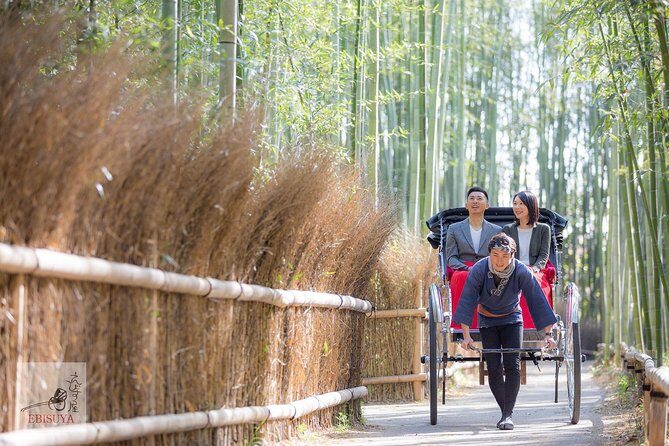
This is Kyoto Arashiyama, but you’re not doing it the usual way. You meet at Sagatenryūji and hop into a rickshaw, then your guide takes over. The first stretch is the big appeal: you get pulled along the bamboo path reserved for rickshaws, so you’re gliding through the forest without turning it into a long hike.
Why that matters: in peak season, the bamboo area can be a photo bottleneck. Sitting in the rickshaw keeps you moving, and it also helps you avoid the “stop, wait, shuffle, repeat” rhythm you get when you’re walking with everyone else.
Also, it’s not just scenery. Your guide’s job is to steer you through the highlights and keep the experience flowing. That’s why people rave about guides who can explain what you’re seeing and still keep the tour time on track.
Timing your ride: starting early for calmer bamboo photos
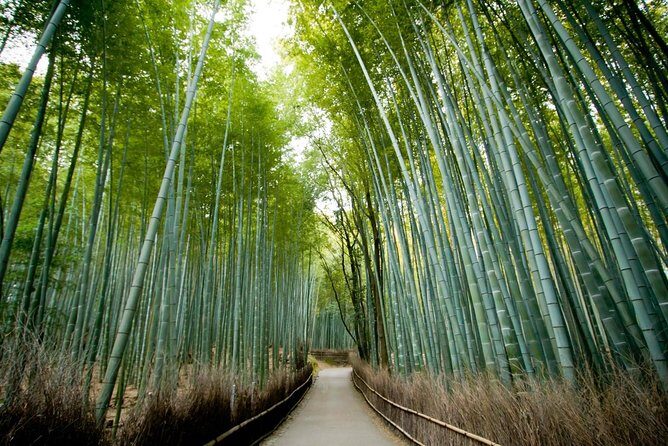
If you care about photos (and who doesn’t), your start time is half the battle. This tour is very clear that early morning is best to dodge crowds, and that advice lines up with how Arashiyama works in real life.
Here’s the practical part: going early means you’re more likely to get longer pauses in good spots instead of constantly moving out of the way. Even if the forest isn’t empty, the mood changes. You’ll have fewer groups clustering around the same camera angles.
If your plan is to arrive later and “figure it out,” you’ll usually lose time and patience. The rickshaw option fixes that by getting you into the bamboo route when conditions are still friendly.
A few more Kyoto tours and experiences worth a look

The on-foot detour: where the best bamboo needs shoes
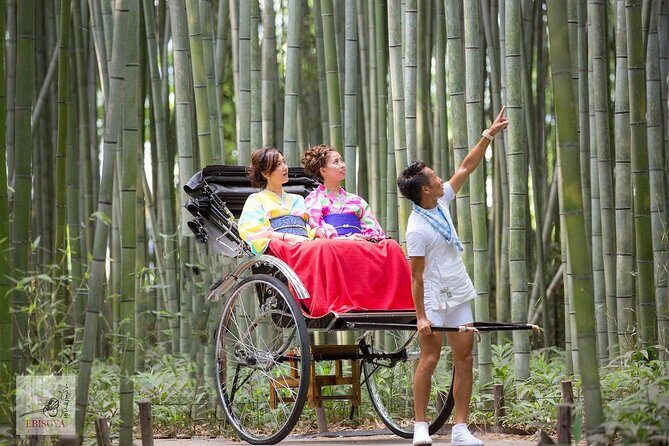
The tour doesn’t keep you in the rickshaw the entire time. The highlight walk is the part that separates this from a simple carriage ride.
At the first main stop, you get off to walk to the most famous bamboo section that can’t be accessed by rickshaw. The walk includes going up and down a steep slope, so it’s not a casual stroll. It’s short, but it’s real walking, and you’ll feel it in your legs if you’re not used to slopes.
What you gain by getting off the rickshaw:
- You reach the areas that feel more “inside” the bamboo, not just beside it.
- You get a brief chance to step into photo positions without the rickshaw lane constraints.
- You can linger a bit where the best shots are, then hop back into the ride rhythm afterward.
Quick tip: wear shoes with grip. Also, go slow on the slope. Bamboo photos are easier when you’re not rushing your footing.
Bamboo photo breaks: grove time, park stops, and shrine moments
After the initial bamboo walk, you’ll head back into the grove for more scenic passes and photo time. There’s a short bamboo grove segment built in for pictures, so you’re not stuck with only one “window” to shoot.
Along the way, you also make cultural stops:
- Nonomiya Shrine: you pass by it as part of the route, with a chance to see it during your bamboo flow.
- A small photo park stop: this is where you can reset—breathe, take group shots, and let the guide position you.
- A Shinto shrine set among the bamboo: this is part of the experience emphasis on the spiritual side of the area, not just greenery for photos.
One practical benefit: these pauses break up the ride so it doesn’t feel like a continuous motion blur. Even if you’re not a super serious photographer, the mix of ride + stop + walk helps you actually enjoy what you’re seeing.
The haiku poet cottage stop you might not expect
One of the neat surprises in the plan is a stop at a cottage associated with a famous haiku poet—built in a traditional pastoral style with a straw thatched roof.
Why it’s worth paying attention to: Arashiyama is often sold as bamboo first, but Kyoto is more than one famous view. This kind of stop adds texture. You see the bamboo, then you get a glimpse of the human scale—how poets and everyday life connected to landscapes like this.
Even if you’re not a haiku superfan, it’s a nice tonal change. You’re not just scanning for the perfect bamboo angle; you’re learning that the area has long been tied to art, nature, and seasonal mood.
Photo help that feels like part of the tour, not an add-on
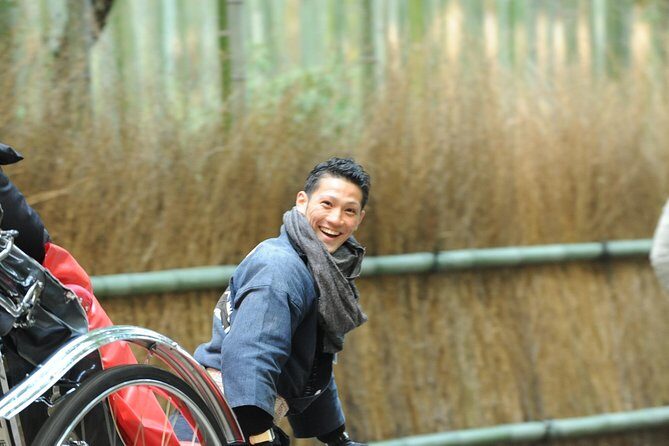
This tour’s reputation isn’t only about bamboo. A huge part of the praise is how guides handle pictures and keep the experience fun.
In the feedback people share, you’ll see patterns:
- Guides are praised for taking amazing photos, often using smartphones.
- Some guides are described as giving panorama photo coaching.
- There are reports of guides using iPhone skills to help you get better group framing.
- If you want photos that look less like a crowded street and more like you have the forest to yourself, the guide’s positioning really matters.
How to use this (practical mode):
- Bring your camera phone already set for the way you like to shoot (portrait mode, wide, etc.).
- Ask your guide to take a shot of your group in a way that includes depth of bamboo—don’t just aim at the closest stalk.
- If you’re traveling with family, tell the guide if you want mostly group photos or a mix of portraits and scenery.
The best outcome is when photo time feels built-in. Here, it does.
A few more Kyoto tours and experiences worth a look



Comfort, seats, and what the ride actually feels like
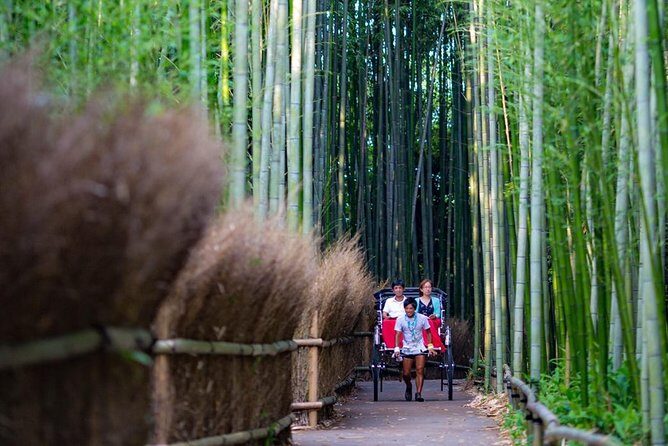
Rickshaw travel in Kyoto is a mix of calm and motion. You’re seated, and your guide is doing the work of pulling. Most people find it more comfortable than walking the whole time—especially on hot days.
A few comfort realities from the tour info:
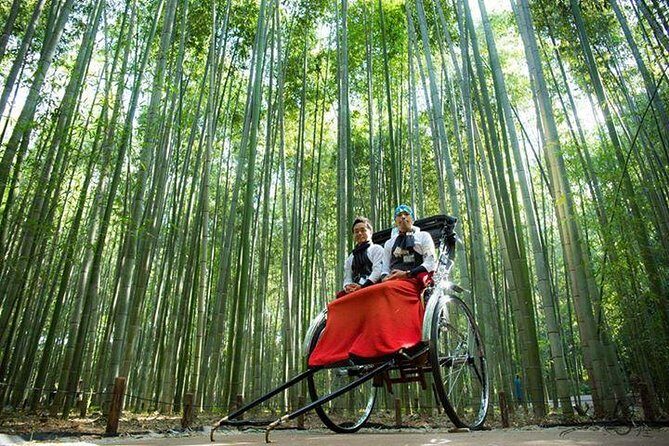
- Rickshaw seats measure 74 cm (29.1 in) wide, and they can accommodate up to two adults side by side.
- This is a private tour/activity, so it’s just your group.
- Tours operate rain or shine.
One smart note from the reviews: on hot days, rickshaws provide shade, and people report cold towels being offered. That’s not something you should count on like a guarantee, but it’s a strong sign the operators plan for weather comfort.
If you’re sensitive to heat or you just don’t want to sweat through bamboo, this rickshaw format can be a win.
Kids, timing, and the steep-slope factor
If you’re traveling with children, read this part carefully.
Child rules:
- Children 6 years and older must have a seat and pay the adult price.
- Children 5 years and under can ride for free if they sit on an adult’s lap (one child per adult, max two children per rickshaw).
- If a child 5 years is using one of the two seats, they must book as an adult.
There’s also a timing rule that’s worth knowing because it affects the pace:
- If you’re late, the amount of late time can be deducted from your tour duration.
- A delay of 10 minutes or more results in automatic cancellation.
This means the tour isn’t a “take your time and wander” option. It’s a scheduled experience, and the guide needs to keep moving to fit the route.
And since the plan includes a steep slope walk, kids (and adults) who struggle with uneven footing may find that portion challenging. The tour is still described as suitable for most travelers, but this part is the one to watch.
Price value: what $86.88 buys you in 1–2 hours
At $86.88 per person, you’re paying for convenience, guide service, and a route that blends ride + walk + stops.
What you get for that price:
- Use of the rickshaw
- All fees and taxes
- Gratuities are included
What’s not included:
- Admission fees for temples and shrines
- Transportation to and from the meeting place
So the real question isn’t the sticker price. It’s whether you value:
- Getting pulled through the bamboo on the rickshaw lane
- Having a guide handle timing and photo positioning
- Reaching the bamboo sections that require walking (including the slope) rather than trying to DIY your way through crowds
If you’re a couple or a small group who wants the bamboo experience without turning it into a workout, this price can feel very reasonable. If you’re a solo traveler who loves long walks and doesn’t care about photos, you might spend less doing it on your own—but you’ll also lose the guided stops and the photo help.
Also, people often talk about how the tour length hits a sweet spot: about 1–2 hours. You’ll get the main bamboo hits without using up a whole morning.
Where you start and how the route ends
You start at 1-1 Sagatenryūji Susukinobabachō, Ukyo Ward, Kyoto. The finishing location can be customized, and you can communicate preferences via email or talk directly with your guide.
Why that matters: Arashiyama is spread out, and your next stop might be somewhere else in Kyoto. Having a flexible finish can reduce the stress of squeezing in transit plans after your bamboo time.
Just keep in mind there can be an additional drop-off fee if you choose a finish location other than the operator’s rickshaw stand.
Rainy day reality and weather-proof bamboo time
This tour runs rain or shine, and you don’t need to cancel because the weather isn’t perfect. You’ll still get pulled through bamboo, and you’ll still do the short walking portions.
If it’s rainy, your main concern is footing on the slope. Bring shoes that handle wet conditions and keep your pace steady. And keep your camera phone protected, since bamboo areas often mean damp air and occasional mist.
If it’s extremely hot, the rickshaw shade helps. People report cold towels on hot days, which suggests you won’t be left to bake uncomfortably.
Who should book this rickshaw bamboo tour
I’d book this if you:
- Want a bamboo experience without spending the whole day walking
- Care about photos and want help getting good compositions
- Prefer a private group experience where the guide can adapt based on your selected tour duration
- Are visiting Kyoto for a short time and want the big Arashiyama highlights handled efficiently
I’d think twice if you:
- Have trouble with steep slopes and uneven ground
- Need a fully hands-off walking experience (this includes a short, uphill/downhill segment)
- Are traveling with a flexible schedule, because late arrivals can cut the tour time or cancel it at 10+ minutes
Should you book the Kyoto Arashiyama Rickshaw Tour with Bamboo Forest?
If your goal is to see Arashiyama bamboo in a way that feels guided, efficient, and photo-friendly, this is a strong pick. The combo of a rickshaw ride through the bamboo route plus a short on-foot segment lets you hit the spots you can’t access by rickshaw while still getting real comfort.
Book it if you’re excited about:
- Early morning crowd avoidance
- Guides who take photos and help with framing
- A focused 1–2 hour plan that fits easily into a Kyoto day
Skip it (or swap to a different style of outing) if you’d rather do long walks at your own pace and don’t care about guide-led photo stops.
If you’re unsure, you can also choose the tour duration and discuss customization with the operator, since the route can be adjusted depending on how much time you select.
FAQ
How long is the Kyoto Arashiyama rickshaw tour?
It runs about 1 to 2 hours total, depending on the selected tour duration and timing on the day.
Is this tour private?
Yes. Only your group participates.
What’s included in the price?
The price includes the rickshaw use, all fees and taxes, and gratuities.
What is not included?
Temple and shrine admission fees are not included, and transportation to and from the meeting point is also not included.
Can I customize what we see during the tour?
Yes. The tour can be customized, and the choice of attractions depends on the tour duration you select.
Will the tour run in bad weather?
Yes. The tour takes place rain or shine.
Is there a child age limit or special seat rules?
Yes. Children 6 years and older need a seat and pay the adult price. Children 5 years and under can ride for free if they sit on an adult’s lap. If a child 5 years uses a seat, they must book as an adult.
Where do we meet, and where does it end?
You meet at 1-1 Sagatenryūji Susukinobabachō, Ukyo Ward, Kyoto, and you can have the finishing location customized with communication to the operator or by talking to your guide.