Arashiyama can feel like a maze. This private, small-group day puts a guide in charge so you can follow the sights downhill without constantly checking your map. You’ll mix famous Kyoto highlights with calmer, more unusual stops that most people skip.
I especially like two things: Andrew’s garden and temple explanations that make the scenery feel planned, not random; and the sheer scale of the spiritual sites, like Otagi Nenbutsu-ji’s 1,200 stone Buddhas. It’s a full day, but the walking feels purposeful because each stop earns its place.
One thing to think about first: you’ll need 5,000 yen cash for admission tickets, plus lunch has a cost limit. Add in moderate walking, and you’ll want comfortable shoes and a steady pace.
In This Review
- Key Things You’ll Notice on This Arashiyama Day
- Why an Arashiyama Descending Route Beats the DIY Shuffle
- Togetsukyo Bridge: Start With an Icon, Then Get Smart
- Tenryu-ji Temple: Zen Garden Time Without Feeling Rushed
- Otagi Nenbutsu-ji: The 1,200 Stone Buddhas Moment
- Ayuchaya Hiranoya: Edo-Period Tea and Sweets Break
- Adashino Nembetsu-ji: 8,000 Memorial Stones and a Bamboo Pocket
- Gio-ji Temple: Moss Garden, Bamboo, and a Former Nunnery
- Okochi Sanso Garden: Viewpoints That Actually Earn the Walk
- Sagano Bamboo Grove Trail: Famous, Yes. Controlled, Also.
- Pottery Studio Time: Practical Art Break in the Middle of Temples
- Price and Value: $690 Per Group, Up to 4 People
- What to Expect From the Walking and Timing
- Who This Tour Suits Best (and Who Might Want Something Else)
- Practical Booking Tips Before You Go
- Should You Book This Kyoto: Descending Arashiyama (Private) Tour?
- FAQ
- How long is the Kyoto: Descending Arashiyama tour?
- Is this tour private?
- What group size should I expect?
- Where do we meet for the tour?
- What time does the tour start?
- Are admission tickets included?
- Is lunch included?
- Does the tour use a mobile ticket?
- Is this tour suitable for strollers or kids?
- What if the weather is bad?
- What is the cancellation policy?
Key Things You’ll Notice on This Arashiyama Day
- Private comfort with a small cap (up to 4 people priced per group, and max 7 travelers overall)
- Guided navigation across multiple temple sites so you don’t waste time second-guessing routes
- Otagi Nenbutsu-ji’s 1,200 stone Buddhas for a wow-you-can’t-look-away moment
- Adashino Nembetsu-ji’s 8,000 memorial stones plus a pretty bamboo pocket
- Gio-ji’s moss garden vibe with bamboo all around
- Sagano Bamboo Grove timing that stays manageable through a guided path
Why an Arashiyama Descending Route Beats the DIY Shuffle
Arashiyama is one of those places where you can hit the postcard spots fast, then suddenly realize you’ve done nothing but walk in circles. This tour avoids that. The day is built to take you from major landmarks to quieter, more specific temple-garden stops, with a guide helping you move efficiently.
What I like is the overall rhythm. You’re not just collecting photos. You’re also learning how each garden and temple space works, and why people cared enough to build it a certain way. That turns the day into more than a checklist.
Because it’s a guided route, you’ll also waste less energy on navigation. You’ll spend more energy on seeing. And in Kyoto, that’s a real quality-of-life upgrade.
A few more Kyoto tours and experiences worth a look


Togetsukyo Bridge: Start With an Icon, Then Get Smart
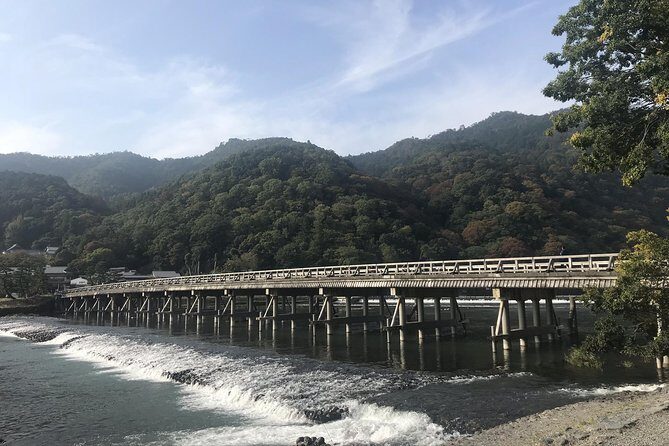
You begin at Togetsukyo Bridge, one of Kyoto’s most recognizable bridge views. It’s quick to reach and easy to spot, and it works well as a morning anchor. You get your first classic Arashiyama photo before the day gets busy with temples and trails.
Here’s a practical tip: stand where you can see the full sweep of the bridge and surrounding river views, then let your guide point out what to watch for next. Starting with an iconic spot also helps you build your sense of direction for the rest of the day.
This is also a good moment to get your bearings fast. After this, you’ll be hopping between several different temple grounds, cafes, and garden estates, so mentally mapping the day helps.
Tenryu-ji Temple: Zen Garden Time Without Feeling Rushed
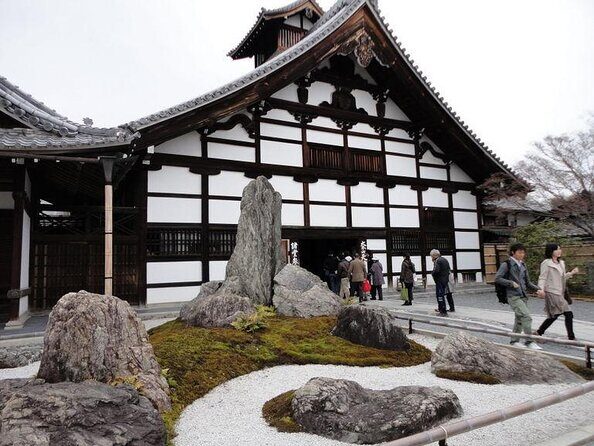
Next comes Tenryu-ji Temple, framed as one of the early Zen temples in Japan and known for its Zen garden. This is the kind of stop where your guide’s commentary changes what you notice. You start seeing the garden as a designed viewing experience, not just greenery.
Tenryu-ji is one of those places where a little context helps. You’re looking at patterns, sightlines, and garden structure that reflect how Zen spaces guide attention. If you’ve ever wondered why certain gardens feel calm even when they’re crowded, this is where you start getting answers.
Plan to take your time moving through the area. The garden effect is often subtle, and rushing the pace can make it feel like you just passed scenery. Your time here is about slow, focused sightseeing.
Otagi Nenbutsu-ji: The 1,200 Stone Buddhas Moment
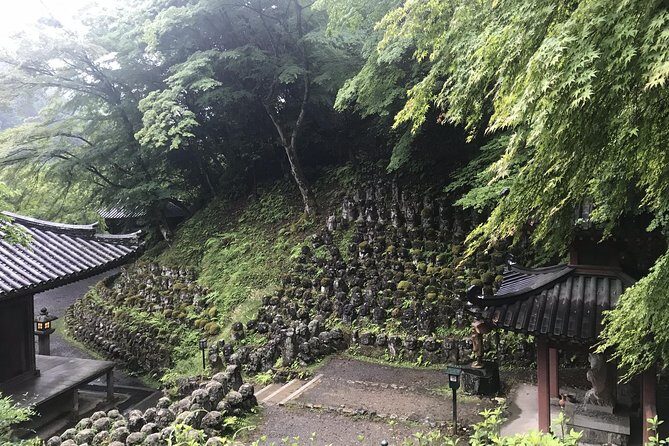
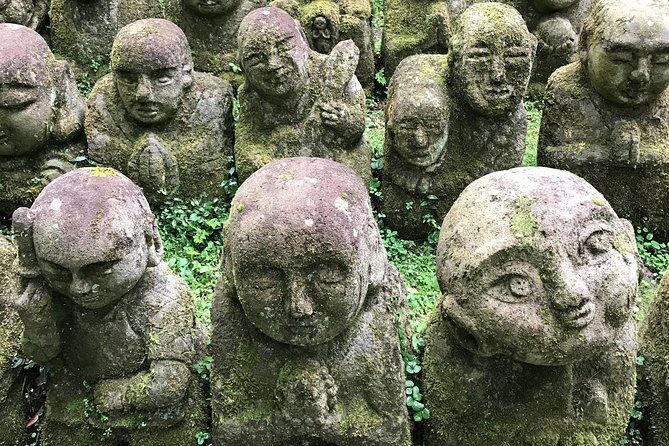
Then you reach Otagi Nenbutsu-ji Temple, where the big draw is the 1,200 stone Buddhas. It’s unusual, and that’s the point. Instead of a single statue or shrine corner, you’re walking among a dense field of stone figures, all arranged to create a strong visual statement.
This is also one of the stops where your guide’s explanations matter. The statues aren’t just decorative. They’re part of a larger tradition that connects faith, storytelling, and the landscape. Andrew’s style, based on what I’ve heard from guide-focused feedback, is to connect the garden spaces to meaning and to explain what you’re actually looking at while you’re looking at it.
Time spent here feels productive. You’re not waiting for the next photo opportunity; you’re absorbing a place that’s genuinely different from typical temple tourism.
If you don’t do well with crowds, still come. This site feels more like wandering through a spiritual installation than a busy shopping-mall temple area.
Ayuchaya Hiranoya: Edo-Period Tea and Sweets Break
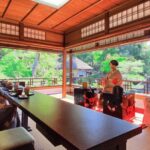
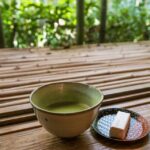
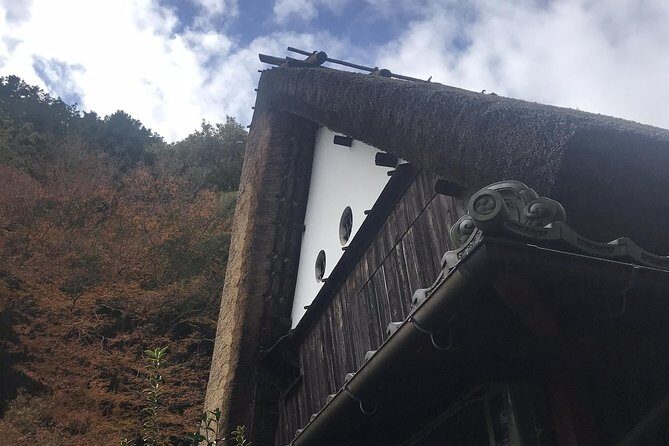
After walking, you get a breather at Ayuchaya Hiranoya, a cafe that originated in the Edo period. You’ll enjoy tea and sweets here, and it’s a smart pause in the middle of a long day.
I like these tea-stop breaks because they give your legs a reset without losing momentum. It’s also a chance to experience Kyoto in a quieter, slower format. A proper pause matters when your afternoon includes multiple temple grounds and garden viewpoints.
If you’re the type who usually skips dessert to save time, don’t. The point here is the pacing as much as the food. You’ll feel better for the next stretch.
Other private tours in Kyoto





Adashino Nembetsu-ji: 8,000 Memorial Stones and a Bamboo Pocket
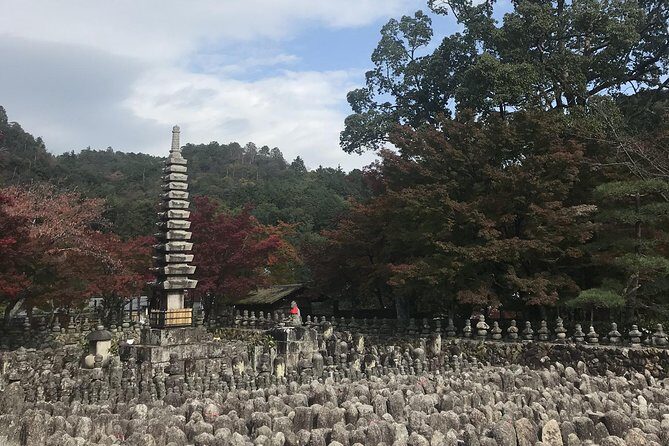
Adashino Nembetsu-ji is one of the most memorable stops because it’s so specific. You’ll see over 8,000 memorial stones gathered from the surrounding mountains and placed together on site. The scale is what hits you first, then the mood of the place starts to settle in.
What I appreciate is the balance: you don’t just see memorial stones. You also walk through a small but picturesque bamboo grove. That mix of solemn and scenic is part of why this stop doesn’t feel like a throwaway.
This is also a good stop to slow down and watch how people move. A memorial site changes your natural pace. You may find you’re quieter here without trying. Let that happen. It helps you actually experience what the site is.
If you’re traveling with anyone who likes nature, this is where the day gives you both atmosphere and beauty.
Gio-ji Temple: Moss Garden, Bamboo, and a Former Nunnery
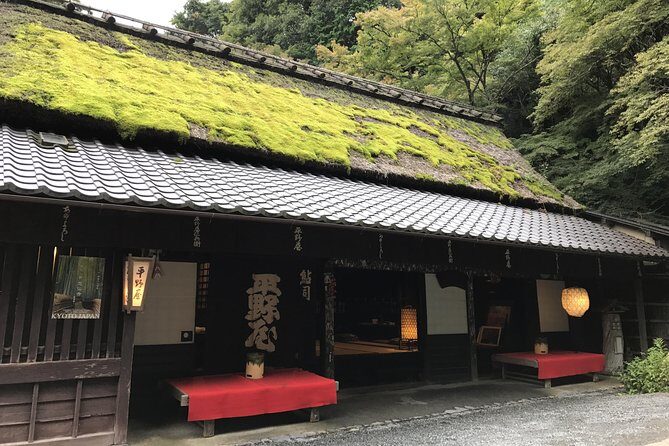
Next is Gio-ji Temple, once a nunnery founded by two ex-geisha. That origin story adds an unexpected layer. You’re not just walking through a pretty garden; you’re moving through a place tied to people and shifting roles.
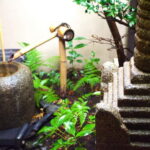
You’ll spend time walking through a moss garden surrounded by bamboo. Moss changes everything visually in a garden because it softens the look of paths and stone. With bamboo around it, the space can feel gently enclosed even though you’re still in open-air Kyoto.
This stop is only about 30 minutes, so you’ll want to keep your eyes open. Your guide can help you spot what matters in the short time. And because it’s a quick stop, you’ll still have energy for what comes next.
Okochi Sanso Garden: Viewpoints That Actually Earn the Walk
Then you move to Okochi Sanso Garden, an estate associated with a well-known silent film actor. The big payoff is the views. Arashiyama’s best look isn’t only about bamboo and bridges. It’s also about the way hills and garden structures frame sightlines.
This is a “slow down and look” stop. There’s a reason estates like this were built to be toured on foot. You’re meant to change your perspective as you move, not just look straight ahead the whole time.
If you get tired later in the day, this is still worth prioritizing. The views here are among the best in Arashiyama because they feel wide and planned, not accidental.
Sagano Bamboo Grove Trail: Famous, Yes. Controlled, Also.
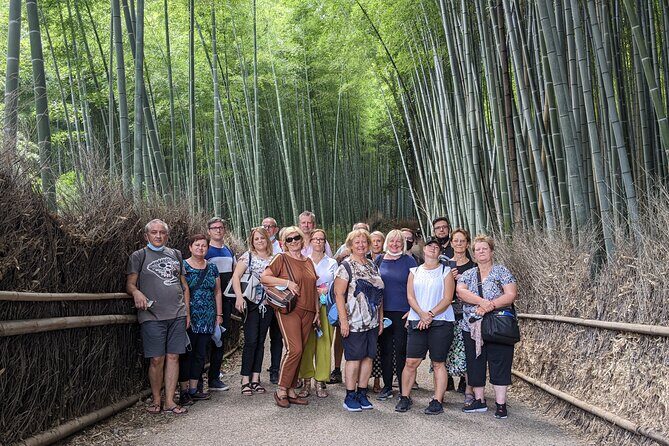
You end with the Bamboo Forest Trail through Sagano Bamboo Grove. This is the obvious Kyoto highlight, the one everyone hears about. But what matters is how you approach it.
In many bamboo-forest experiences, you get squeezed into a crowded line and spend more time dodging than viewing. Here, the guided day keeps you moving as a group along a defined route. That generally makes it easier to see without feeling like you’re just getting carried along.
You’ll also have earlier context from the temples and gardens. That matters because bamboo doesn’t only look pretty here. It also changes how the light behaves and how the air feels in the grove. You’re more likely to notice atmosphere when you’ve already spent the day thinking about garden design.
Give yourself a couple of quiet minutes to step back from the rush. Let your guide point out what to look for—then do it again yourself.
Pottery Studio Time: Practical Art Break in the Middle of Temples
The tour also includes a pottery studio stop, one of those “you’re in Kyoto, not just viewing Kyoto” moments. Even if you don’t buy anything, studio time adds a different kind of connection to the region.
Hands-on craft experiences can be tough when they’re rushed. This one works as a breather because you’re not chasing another temple gate or another viewpoint. You get to focus on process—how materials become objects—and that shifts the day in a good way.
If you’re a souvenir person, keep your eye out. Kyoto pottery can be excellent, but the best pieces are often the ones that feel personal or tied to the place you visited.
Price and Value: $690 Per Group, Up to 4 People
At $690 per group (up to 4), this isn’t a budget tour. But in Kyoto, a private guide plus a full day of coordinated stops can be good value when you compare it to what you’d pay for transportation, ticket lines, and the time you’d spend piecing together a route.
You’re not just buying access to the bamboo. You’re paying for navigation help across multiple sites, plus a guide-led day that connects the scenery to temple and garden context. That’s especially valuable here because Arashiyama is spread out and the differences between sites are real.
One more thing: admission tickets aren’t included. You’ll need 5,000 yen cash for those site fees. Your lunch is also not included, and there’s a guideline that lunch cost should not exceed 1,500 yen per guest.
So the real value question becomes this: does paying for a guide save you enough hassle to be worth it? If you want a day that feels planned and you’d rather not do route research, the price starts to make sense fast.
What to Expect From the Walking and Timing
This experience runs about 7 hours 30 minutes. That’s a full day, and you’ll move between multiple temple and garden locations.
Moderate physical fitness is recommended. That doesn’t mean it’s a hike day, but it does mean you should be comfortable walking for sustained periods and navigating uneven temple paths.
Strollers are available, but they will not be allowed inside the sites themselves. You can store strollers at reception desks of each site. If you’re bringing a stroller, this is a key detail because you’ll still be doing some carry-and-transfer style movement near entrances.
The timing is also part of why the tour stays fun. You’ll be at each major stop long enough to actually look, not just pass by. Then you move on before you get stuck waiting.
Who This Tour Suits Best (and Who Might Want Something Else)
This is a great fit if you want less tourist stress and more guide-led discovery. If you’ve looked at Arashiyama maps and thought, yeah, I could do this, but it might take forever to figure out, you’ll like this.
It’s also ideal if your group enjoys temples and gardens more than only taking landmark photos. The day mixes famous areas with quieter, story-heavy sites like the memorial-stone temple and the 1,200 stone Buddhas area.
If you’re a minimalist who wants to spend the whole day in one place—just bamboo, just photos, just one vibe—this may feel like too much variety. It’s designed to cover a lot of ground in one go.
And if you hate cash prep, note the admission-tickets requirement. You’ll need 5,000 yen cash on hand, so plan to withdraw early.
Practical Booking Tips Before You Go
Start with your comfort basics. Wear shoes that handle temple steps and garden paths. This isn’t a smooth sidewalk stroll.
Bring a bit of cash for the admission fees. The tour is set up for you to have that money ready when you arrive. If you’re trying to be cash-free on vacation, this tour asks you to make one exception.
Weather matters here. The experience requires good weather, and if it’s canceled due to poor weather you’ll either get a different date or a full refund. If you’re sensitive to rain plans, it’s smart to build flexibility into your Kyoto schedule.
Should You Book This Kyoto: Descending Arashiyama (Private) Tour?
My take: if you want a full Arashiyama day that feels organized, story-rich, and not overly chaotic, this is a strong choice.
It has a track record of high satisfaction, with a 5/5 rating across 24 reviews and 100% recommendation in the summary. The reasons are clear from the experience structure: you get a guide to help you move, you hit big-ticket temple-garden sights, and you also see off-center stops that make Arashiyama feel like more than bamboo.
Book it if:
- you prefer guided navigation over DIY routing
- you care about gardens and temple meaning, not only the postcard
- you want a day that’s paced with breaks like Edo-style tea
Consider skipping (or looking for a different style) if:
- you want total freedom to linger only at one or two places
- you don’t want to carry cash for admissions
- you’re not up for moderate walking across several sites
If your goal is a Kyoto day that feels thoughtful and efficient, this one delivers.
FAQ
How long is the Kyoto: Descending Arashiyama tour?
It runs about 7 hours 30 minutes.
Is this tour private?
Yes. It’s described as a private tour/activity, meaning only your group participates.
What group size should I expect?
The experience is small-group with a maximum of 7 travelers. Pricing is listed as per group up to 4.
Where do we meet for the tour?
You start at Randen Arashiyama Station Center, 20-2 Tsukurimichi-cho, 嵯峨天龍寺芒ノ馬場町 右京区 京都市 京都府 616-8384, Japan.
What time does the tour start?
The start time is 9:30 am.
Are admission tickets included?
No. You are required to bring an additional 5,000 yen (cash) for admission tickets.
Is lunch included?
No. Lunch is not included, and the lunch cost should not exceed 1,500 yen per guest.
Does the tour use a mobile ticket?
Yes. The tour includes a mobile ticket.
Is this tour suitable for strollers or kids?
Strollers are available, but they will not be allowed in the sites themselves. Strollers can be stored at the reception desk of each site. The tour also calls for a moderate physical fitness level.
What if the weather is bad?
This experience requires good weather. If it’s canceled due to poor weather, you’ll be offered a different date or a full refund.
What is the cancellation policy?
Free cancellation is available up to 24 hours in advance for a full refund, using the local time of the experience.