Kyoto in the morning feels like a different city. This private tour is built for that early window: you get a calmer look at big names like Fushimi Inari and Kiyomizu-dera, plus guide storytelling that helps the sights make sense instead of just looking pretty.
What I like most is the private format. You can usually choose 2–3 stops from the set list, so you’re not stuck marching in someone else’s plan. And I also appreciate how guides show up ready to manage the day—like Tomy starting at 6:30am so Kiyomizu-dera and Fushimi Inari were still quiet, or Rie planning a smooth sweep from about 7:00am to late morning.
One consideration: it’s a walking tour with no private vehicle included. If you pick far-apart areas (for example, mixing central sights with northern mountains), you’ll be spending more of the 4 hours traveling on your feet and via public transit.
In This Review
- Key Points That Make This Tour Worth Your Morning
- Early Morning in Kyoto: The Real Secret Is Timing
- Walking Meet-Up and Getting Around Without a Private Van
- Choosing Your Stops: How the Route Flexibility Works
- Fushimi Inari Shrine at Dawn: Torii Gates Without the Crush
- Nijo Castle: Edo-Era Power You Can Actually Sense
- Kiyomizu-dera and Higashiyama: The Classic Kyoto Walk
- Gion and Pontocho: Two Atmospheres, One Day
- Nishiki Market: If You Want Food Without Losing Your Shirt
- Zen Temples: Ginkakuji, Nanzenji, and the Art of Paying Attention
- Golden Pavilion (Kinkakuji): The Photo Stop That’s Still Worth It
- Arashiyama in the Morning: Bamboo, Bridges, and Temples
- Northern Mountain Options: Kibune, Kurama, and Scenic Slower Pace
- How the Guide Changes Everything (Even When You’ve Been to Kyoto Before)
- Price and Value: Is $101.82 for a Private 4-Hour Morning Fair?
- So, Should You Book This Early-Morning Private Tour?
- FAQ
- How long is the Kyoto early morning private tour?
- Is this tour private or shared?
- Can I customize which places we visit?
- Is admission included for temples and castles?
- What’s the meeting and transport style?
- Is there an English-speaking guide?
- Is the tour okay for most travelers?
- Is there free cancellation?
Key Points That Make This Tour Worth Your Morning

- Early start timing helps you see top Kyoto icons with far less crowd pressure
- Government-licensed English-speaking guides explain what you’re actually looking at
- Route flexibility lets you select 2–3 sites instead of a fixed bus-style itinerary
- Walking-first logistics keep it simple and efficient, especially for shrine-and-temple areas
- Custom stop choices work well if you want photos, markets, or calmer Zen gardens
- Guide guidance after the tour can save you time navigating on your own
Early Morning in Kyoto: The Real Secret Is Timing

The best part isn’t just the list of temples. It’s the hour you arrive. Kyoto’s most famous spots can turn into stampedes by late morning, so starting early changes the whole feel. You’re not fighting bodies in narrow alleys or jostling for steps under red torii gates. You move at a human pace, with space to look up and notice details.
I love how the tour naturally pushes you into that mindset. On one trip I based my planning on, Tomy described how the early timing left Kiyomizu-dera Temple and Fushimi Inari Shrine looking almost empty. That matters because Kyoto’s attractions often reward slow looking—wood textures, garden layouts, shrine rules, and small ritual scenes you’d miss while standing in a crowd.
Now, the flip side: early morning can mean cool-to-mild weather and then warmer air as you go. One guide advised that it can get busy and hot later in the morning, so you’ll want comfortable shoes and water ready even if you start feeling chilly.
Other guided tours in Kyoto
Walking Meet-Up and Getting Around Without a Private Van

This is set up as a private, walking-focused tour. You meet your guide within a designated area, and pickup is offered (the practical takeaway: plan on meeting near transit and be ready for a short approach on foot). A private vehicle is not included, so the tour leans on location clusters and efficient movement.
What this means for you: you’ll spend more time on the ground at each stop and less time waiting in traffic. But you should also understand your pacing. If you pick places that are far from each other, the walking and transit between sights can eat into your 4-hour window.
In the reviews, I saw a clear pattern: guides kept things smooth by using public transportation when needed. Yasu, for example, took a group to sites like the Bamboo Forest and Fushimi Inari by public transit, and that kind of smart routing is exactly what you want with limited time.
Choosing Your Stops: How the Route Flexibility Works

Even though there’s a big “what to expect” list, the tour experience is built around selecting 2–3 attractions. That’s the sweet spot for a 4-hour private morning: enough variety to feel like you covered Kyoto, but not so much that you rush through everything.
Here’s the practical way to choose:
- Pick sights in the same neighborhood (for example, Fushimi + Higashiyama, or Central Kyoto + Gion).
- If you want Arashiyama, consider pairing it with a nearby temple or garden rather than trying to force in far-off districts.
- If you’re tempted by northern mountain picks like Kibune or Kurama, plan for more time spent traveling, and decide if that travel is part of your enjoyment.
This flexibility is also where the government-licensed guide becomes more valuable than you might expect. A good guide can steer your choices toward what fits the morning light, crowd level, and the kind of photos you want.
Fushimi Inari Shrine at Dawn: Torii Gates Without the Crush
If you only pick one Kyoto name, make it Fushimi Inari Shrine. You’re famous for a reason: the red torii gates create a tunnel effect that feels cinematic even before you reach the deeper paths.
At this hour, it’s different. You can walk in rhythms you choose instead of flowing with tour groups. And the guide layer helps because Fushimi Inari is more than an Instagram corridor. It has stories tied to the shrine’s purpose and how people experience it—so even a short visit feels fuller when your guide explains what you’re seeing as you go.
From guide notes shared after tours, Kay highlighted how following the thousand torii gates early felt like walking through a set. That’s exactly what you’re buying: time to see the place work, not just to take the obligatory picture.
Practical tip: wear shoes with traction. The shrine paths can be uneven, and you’ll likely be walking more than you expect for a “quick stop.”
Nijo Castle: Edo-Era Power You Can Actually Sense

If you want something that breaks up temple wandering, Nijo Castle is a strong choice. It’s a UNESCO World Heritage site, built in 1603 as the Kyoto residence of Tokugawa Ieyasu, the first shogun of the Edo Period.
Here’s what makes it compelling on a private morning tour: you’re not just looking at walls. You’re learning why the place was designed the way it was—how authority lived, how spaces were organized, and what you should pay attention to as you move through rooms.
Possible drawback: some castle areas involve more indoor rules and slower walking than outdoor shrines. That’s not a dealbreaker, just something to factor if your group wants “maximum walking outdoors” energy.
Other private tours in Kyoto


Kiyomizu-dera and Higashiyama: The Classic Kyoto Walk

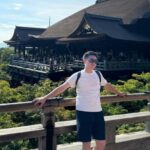
Kiyomizu-dera is one of those temples where crowd levels can shoot up fast. The early morning advantage here is huge. When you arrive before the crush, the grounds feel calmer, and you can understand the site as a layered experience—approach, main hall area, and viewpoints in a more coherent sequence.
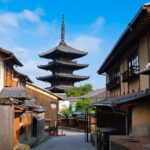
Pair it with Higashiyama and you get a classic old-streets vibe: narrow lanes, preserved-feeling neighborhoods, and the kind of strolling Kyoto is known for. One reason guides matter at this stop is that Kiyomizu-dera and Higashiyama aren’t just sights; they’re an entire cultural pattern—temple geography, pedestrian routes, and why the area became the iconic version of Kyoto.
Possible drawback: even in the morning, this region can become busy later. If your group is photo-heavy, you’ll want to choose whether your time goes to viewpoints, temple areas, or side streets—your guide can help you decide in real time.
Gion and Pontocho: Two Atmospheres, One Day

Gion is often daunting for first-time visitors because you can easily feel like you’re walking in the wrong direction. A guide solves that by helping you find the right streets without wasting time.
Then there’s Pontocho, a narrow dining alley area one block west of the Kamogawa River. It’s atmospheric, especially if you’re there at the start of the day when places are opening or still quiet.
The “private” value here is simple: you get orientation. Instead of scanning signs and backtracking, you’re moving with purpose. This is the part of Kyoto that can be confusing without help—where to walk, what to ignore, and how to read the vibe of each street.
Nishiki Market: If You Want Food Without Losing Your Shirt

Nishiki Market is known as a “kitchen” style shopping street—narrow, lively, and packed with small stands. On a private early tour, it can be a practical stop because you’re not stuck in a full-on lunchtime crowd.
Why it’s a good fit: your guide can point out what’s worth sampling and how to navigate without getting slowed by impulse lines. It also breaks up temple-heavy mornings with something sensory and immediate.
Tradeoff: markets are a time sponge if your group is food-shopping in earnest. The early timing helps, but if you add too many food stops, you may run out of time for your “big” temples.
Zen Temples: Ginkakuji, Nanzenji, and the Art of Paying Attention
If your group likes quiet, Zen settings, this tour can deliver it—especially when you pair one main Zen stop with a second calmer garden-like place.
- Ginkakuji (Silver Pavilion): a Zen temple with a retirement-villa backstory connected to shogun Ashikaga Yoshimasa. This is the kind of spot where you’ll feel the value of a guide explaining what you’re looking at.
- Nanzenji Suirokaku: part of Nanzenji Temple grounds at the base of the Higashiyama mountains. The setting gives you room to notice details without a constant crowd surge.
- Ryoan-ji: famous for Japan’s rock garden. This is a stop for patience. In private time, you can slow down and actually look instead of getting pulled along.
Possible drawback: Zen temples can feel repetitive if your group expects constant wow-factor action. The fix is selecting smart pairings—one dramatic main site plus one calmer add-on.
Golden Pavilion (Kinkakuji): The Photo Stop That’s Still Worth It
Kinkakuji (Golden Pavilion) is another top Kyoto icon. It’s formally known as Rokuonji and features top floors covered in gold leaf. Even if you’ve seen photos before, being there in person is the point.
A private early morning visit helps because your attention doesn’t get scattered by crowd pressure. You can frame your photos, walk the viewing paths, and then spend a few extra minutes letting the place make sense as architecture and atmosphere—not just a symbol.
If you’re the type who likes “one big icon and move on,” this is a great choice for your 2–3 stop plan.
Arashiyama in the Morning: Bamboo, Bridges, and Temples
Arashiyama is a favorite because it mixes scenery with famous landmarks. The big ones on the list include Tenryu-ji Temple, Togetsukyo Bridge, and the Bamboo Forest Street area.
Here’s what I think you should know before choosing it:
- Arashiyama can be touristy, so early timing matters.
- The best experience comes when you walk in a rhythm: bamboo area, temple/garden, then a viewpoint or bridge.
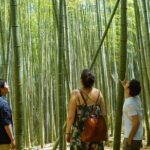
In the reviews, people loved the bamboo early in the day. One guide described it as magical, and another noted river-side views that made the morning feel like a movie scene. Even without a dramatic viewpoint, the bamboo walking paths do something special when the light and wind shift.
Practical drawback: Arashiyama is farther west than some central temples. If you select Arashiyama plus multiple central sights, your 4 hours can feel tight. Consider an Arashiyama-focused plan if that’s your main goal.
Northern Mountain Options: Kibune, Kurama, and Scenic Slower Pace
The tour list also includes northern mountain areas like Kibune (a forested valley town developed around Kifune Shrine) and Kurama-dera (a rural mountain temple area known for Kurama). If you choose these, you’re choosing a different Kyoto: less central, more nature-and-temple travel.
This can be a wonderful choice if your group loves walking outside the main city core. But it’s also the part that can quietly eat time. With only 4 hours, you’ll want your guide to shape the schedule so you still get your main sites rather than rushing scenery transitions.
How the Guide Changes Everything (Even When You’ve Been to Kyoto Before)
A private tour guide can do more than explain facts. The best part is practical interpretation: why people do what they do, what to notice in each place, and how to move through areas without getting stuck.
In the experiences shared after tours, guides reached out in advance, helped with planning, and adjusted for real needs. Mayumi added extra time when a partner had ankle trouble, and Bell emphasized how the guide helped them know how to navigate Kyoto after the tour ended. That kind of follow-through matters because Kyoto is big on neighborhoods, not just landmarks.
Also, guides mentioned in experiences include Rie, Tomy, Kay, Yasu, Nabet, Yoji, Maya, Mayumi, Bell, and Yoshi Tanizawa. The common thread: they didn’t treat the tour like a script.
Price and Value: Is $101.82 for a Private 4-Hour Morning Fair?
At $101.82 per person for about 4 hours, you’re paying for three things:
- A private, licensed guide in English
- A time-efficient early start so you don’t waste the best hours
- A custom route where you’re choosing 2–3 sites
Compared with group tours that herd you through a set plan, private value shows up fast—especially at places like Fushimi Inari, Kiyomizu-dera, and Gion where crowd flow can make the experience feel chaotic.
One financial detail to watch: entrance tickets and lunch are not included. The guide entry fees are covered only for sights listed in the expected selection, and some stops indicate admission is free while others don’t. In plain terms: you’ll likely pay entrance fees at certain temples/castles, but you won’t be paying guide-specific entry for every stop you select.
My advice: look at your top 2–3 choices first, then estimate which ones usually require paid admission. That’s how you judge true value.
So, Should You Book This Early-Morning Private Tour?
I’d book it if:
- you want crowd relief at the biggest Kyoto names
- your group wants a short, well-run morning with flexible stop choices
- you enjoy learning from a guide as you walk, not just taking photos
I would think twice if:
- you’re trying to cover too many far-apart districts in one 4-hour window
- your group hates walking and you’re likely to skip your “walking breaks” (because it is a walking tour)
- you need a super-fixed itinerary with zero decision-making, since the best part here is selecting your 2–3 stops
FAQ
How long is the Kyoto early morning private tour?
It runs for about 4 hours.
Is this tour private or shared?
It’s private. Only your group participates.
Can I customize which places we visit?
Yes. You can choose 2–3 sites from the tour’s list of expected stops.
Is admission included for temples and castles?
Admission ticket details vary by stop. Some are listed as free, while others note admission is not included. Guide entry fees are only covered for sights included in the selection of expected stops.
What’s the meeting and transport style?
It’s a walking tour. You meet your guide within a designated area, and it’s near public transportation. Pickup is offered, but it’s not described as a full private vehicle.
Is there an English-speaking guide?
Yes. The tour includes a licensed local English-speaking guide.
Is the tour okay for most travelers?
The tour indicates most travelers can participate.
Is there free cancellation?
Yes. You can cancel for a full refund if you cancel at least 24 hours before the experience starts.
If you tell me which 2–3 sites you’re considering (for example, Fushimi Inari + Kiyomizu-dera + Arashiyama), I can suggest the tightest morning plan so you don’t lose time between areas.