Kyoto evenings have a rhythm, and this tour rides it. You start at 5:00pm, cross the Kamogawa bridge, and walk through Gion’s preserved streets where you’ll learn how the tea-house world works and what to look for as geisha and maiko move between places. I especially like the small group size (max 10) and the 10-course kaiseki dinner, which is built around seasonal ingredients and ends with green tea and dessert.
One possible drawback: this is a guided evening plus a tasting-heavy meal, so if you’re expecting a big, Western-style portion, a few courses may feel light. Also, the experience depends on good weather, so come with flexible expectations.
In This Review
- Key things to know before you go
- Why a 5pm Gion-and-Kamo River route makes sense
- Meeting at Japan Kanji Museum & Library: your quick orientation jump-start
- Kamogawa to Pontocho: the river walk and geisha-zone context
- Gion’s main streets and back alleys: what you’re really learning
- Gion Shirakawa: shrines, bridges, and the Maiko–Geiko story
- The 10-course kaiseki dinner in Pontocho: how to enjoy it
- Price and value: $276 for a guide plus a full set meal
- Walking, weather, and what to wear for an evening food tour
- Who this Kyoto evening tour is best for
- Should you book the Kyoto Evening Gion Food Tour?
- FAQ
- FAQ
- How long is the Kyoto Evening Gion Food Tour?
- What time does the tour start, and where does it meet?
- Where does the tour end?
- What’s included with the Kaiseki dinner?
- Are there vegetarian or gluten-free options?
- Is alcohol included, and is there a minimum drinking age?
- What if the weather is bad or I need to cancel?
Key things to know before you go
- 5:00pm start means you’ll catch Gion and the river in that soft evening light
- Kamogawa terraces + crossing the bridge set the scene before you even hit Gion proper
- Gion Shirakawa focus gives you stories tied to specific spots like Tatsumi Bridge and Hanamikoji Street
- 10-course kaiseki includes green tea, dessert, and one drink
- Max 10 people keeps questions easy and the pace more human
- Dietary options listed (vegetarian, pescatarian, gluten-free friendly) make it easier than many set menus
Why a 5pm Gion-and-Kamo River route makes sense
This tour is timed to hit Kyoto when it feels most Kyoto. Late afternoon turns into that calm, slightly theatrical evening mood, and the Kamogawa area is where you start to feel it. You’ll walk past riverside terraces where locals relax, then head toward the geisha districts.
I like that the route doesn’t feel like a checklist. You get guided context as you move: what you’re seeing, why it matters, and what to notice so you’re not just hoping to spot a geisha from the sidewalk.
If you’re the type who likes photos but also likes meaning, this format works. If you’re strictly food-first and want minimal walking, you’ll want to weigh the tradeoff, since the day-to-night storytelling is part of the package.
A few more Kyoto tours and experiences worth a look

Meeting at Japan Kanji Museum & Library: your quick orientation jump-start
Your meet point is Japan Kanji Museum & Library (551 Gionmachi Minamigawa, Higashiyama Ward). It’s a short intro stop, but it helps you get oriented fast. You meet your guide and group, then start moving in the direction of the Kamo River.
This is where the evening’s tone gets set. A good guide makes Gion readable, not just pretty. In past groups, guides named Thomas, Sae, Yoshiko, Zae, Russ, Bernard, and Akari have been praised for strong English and clear explanations of both Gion culture and the kaiseki meal.
Kamogawa to Pontocho: the river walk and geisha-zone context
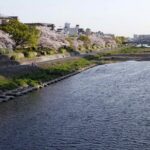
The early highlight is crossing the Kamogawa bridge, then strolling along the river terraces. This is more than a scenic warm-up. The river area is where you start understanding how Kyoto lives outdoors—people linger, snack, and chat as daylight fades.
From there, you head toward Pontocho, an area traditionally known as a geisha neighborhood since the 16th century. The idea here is to put you in the right mental frame. You’re not just walking toward dinner; you’re learning the geography of where entertainment districts operate.
One practical tip: watch for the details the guide teaches you—kimono movement, the rhythm of foot traffic between buildings, and how tea houses and restaurants are laid out. Even if you only catch glimpses, the stories make those moments feel earned instead of random.
Gion’s main streets and back alleys: what you’re really learning
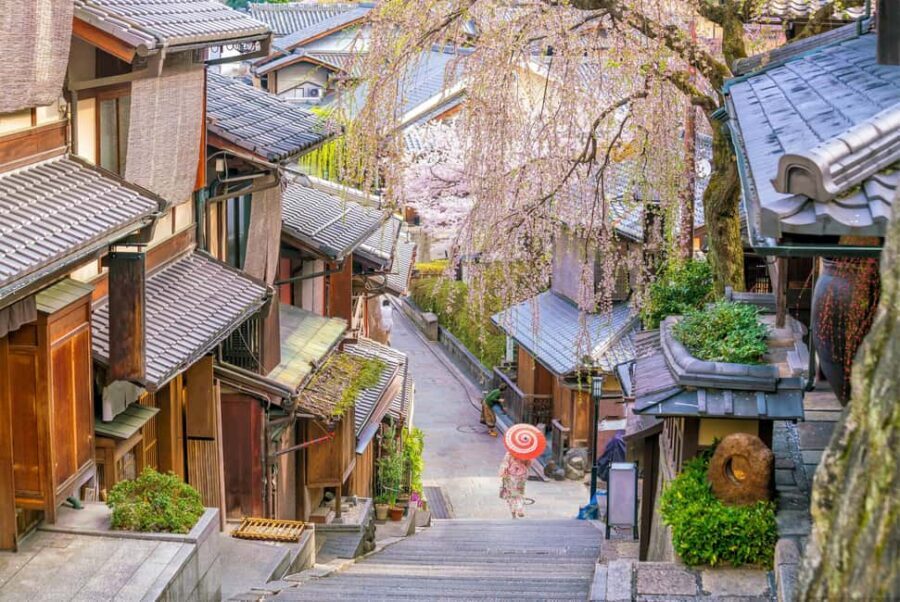
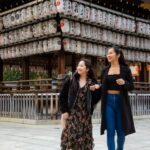
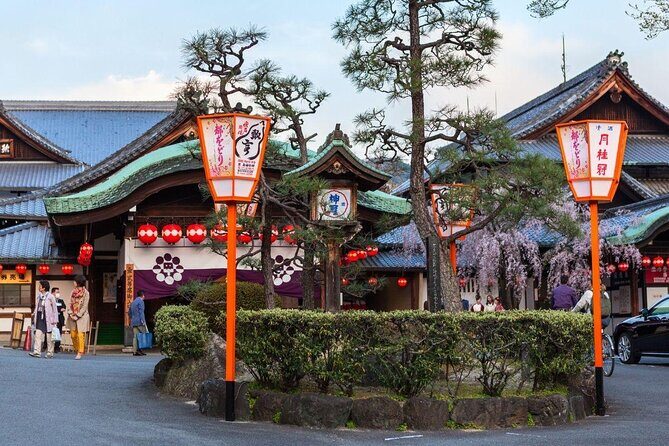
Gion is described as Kyoto’s center of entertainment and traditional arts, and you’ll experience it as a maze of old wooden buildings, teahouses, and very exclusive restaurants. Some of what you see is invitation-only, which means your guide’s job is partly to explain what you can access as a visitor and what the private side of the district means.
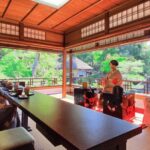
You’ll spend time moving through Gion at a comfortable pace, covering areas like Gionmachi and points around the Gion Shirakawa region. You also pass places connected to Gion Corner, a reference to the district’s role in performance culture.
What makes this stop valuable is pacing plus explanation. In a DIY walk, you can easily miss the “why” behind what you’re looking at. Here, your guide helps you connect the street layout to the entertainment history—then you carry that understanding into the dinner.
Potential drawback to plan for: if you’ve never been to Kyoto, Gion can feel like a film set. The tour helps you get past that by giving you cultural context, but you still may find the district busy around the main photo streets.
Gion Shirakawa: shrines, bridges, and the Maiko–Geiko story
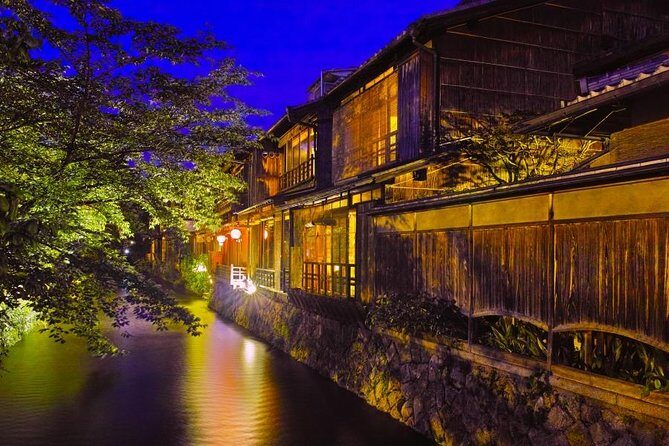
One of the most interesting parts of the evening is Gion Shirakawa. This neighborhood comes with quieter charm and a focused set of sights tied to the geisha and traditional arts world.
As you wander, you’ll be pointed toward specific places listed on the route, including:
- Tatsumi Daimyojin Shrine
- Statue of Izumo-no-Okuni
- Kyomizu Temple
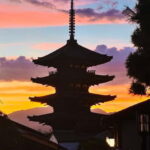
- Hōkanji Temple and Yasaka Pagoda
- Tatsumi Bridge
- Hanamikoji Street
The tour also includes a chance to whet your appetite with a special Kyoto treat while you walk. Based on what people report, that snack moment can include small bites like matcha cookies or a plum-shop-style tasting, but the key point is that you should expect at least one local sweet or snack stop—not just street sightseeing.
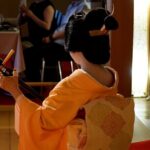
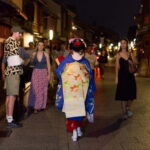
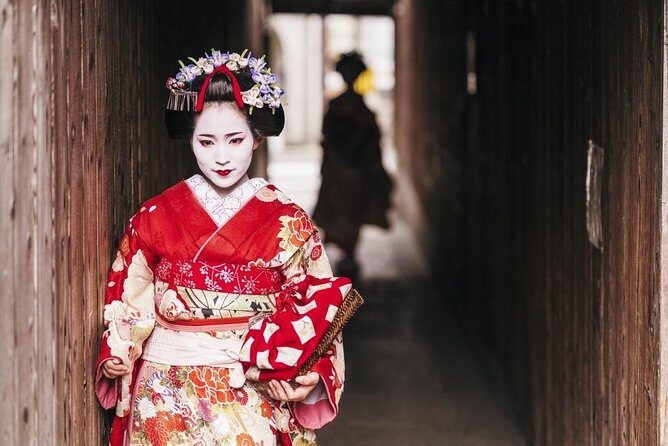
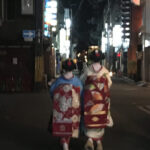
This is also where the guide’s storytelling matters most. You’ll learn about the life of Kyoto’s famous geisha figures—maiko and geiko—so that if you see a kimono-clad entertainer or hear the rhythms of the district, you understand what you’re looking at.
Tip for your evening: don’t spend the whole time staring up at buildings. Keep one eye on where people move through side lanes and courtyards. Kyoto’s old districts work like layers, and Shirakawa rewards attention.

The 10-course kaiseki dinner in Pontocho: how to enjoy it
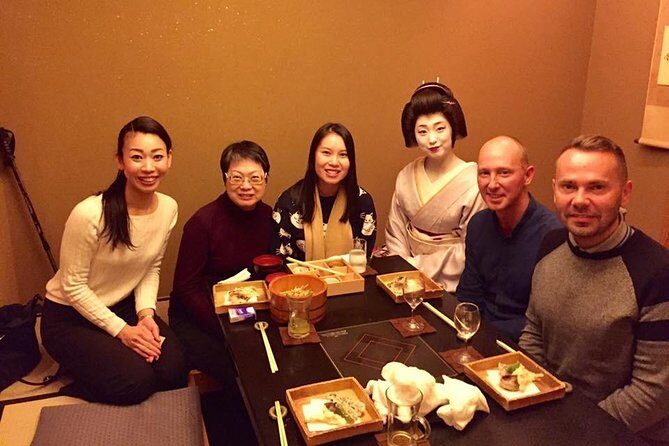
Your meal happens at the end point in the Pontocho area (Pontocho Idumoya, 173-2 Kashiwayachō, Nakagyo Ward). After the walking, you sit down for a 10-course kaiseki meal.
Here’s what’s included:
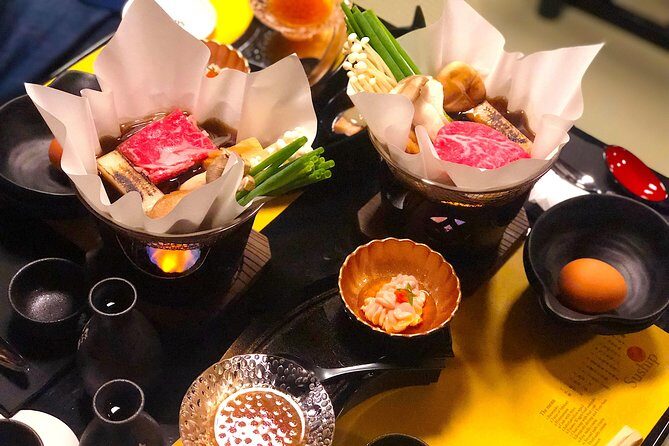
- 10-course dinner
- Green tea
- Dessert
- One included drink
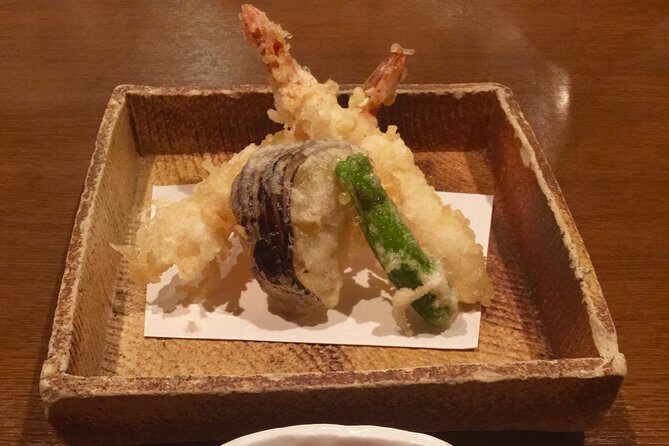
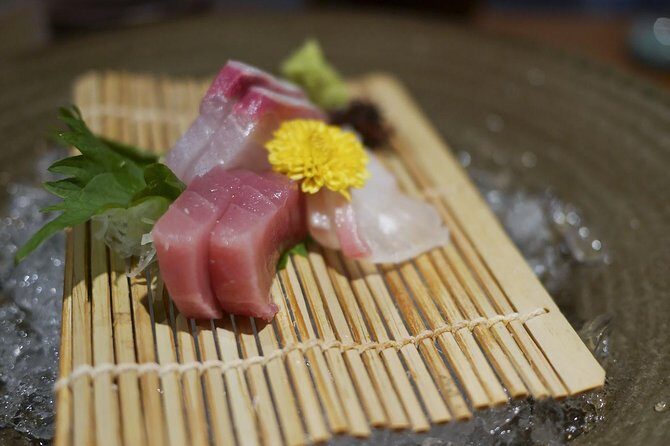
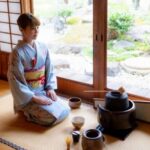
Kaiseki is all about seasonal ingredients and a carefully balanced flow of flavors. The point isn’t just taste—it’s the order, the presentation, and how each small course leads to the next. Many people describe the experience as memorable precisely because it’s structured, not random.
How to plan so you don’t feel disappointed:
- If you like variety and pacing, you’ll enjoy the set format.
- If you want a heavy meal that fills you up like a steak dinner, you may find the courses are lighter than you expected. One feedback note you should take seriously is that a few guests felt it wasn’t super filling for the price.
Dietary needs are listed as possible: vegetarian, pescatarian, and gluten-free friendly. That’s a big deal for Japan, where menu language can be tricky. If you’re sensitive, you’ll want to make sure your needs are clearly communicated ahead of time.
What you might notice in the room: kaiseki dinners are often quiet, respectful affairs. If you’re traveling with kids, the best results come from being patient and letting them experience the meal rather than rushing for quick satisfaction. Some families have praised how guides handled fussy situations politely.
Price and value: $276 for a guide plus a full set meal
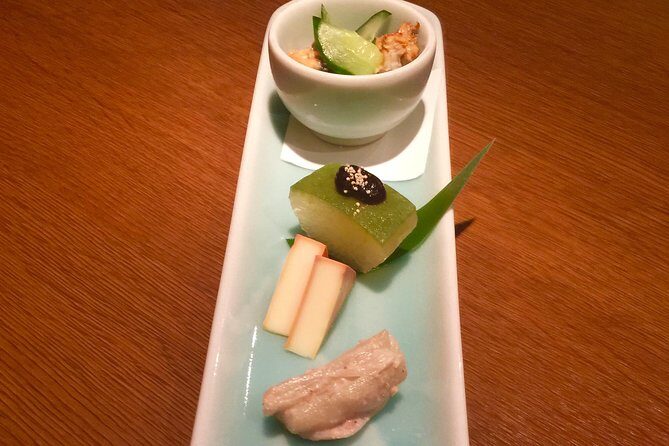
At $276 per person for about 3 hours, it’s not a budget dinner. But it’s also not just “pay for food.”
You’re paying for:
- A local guide who explains Gion and what to notice
- Multiple walking segments that turn sightseeing into understanding
- A 10-course kaiseki dinner with green tea and dessert
- A group capped at 10 people, which keeps the guide interaction practical
Where the value can wobble is expectations. If you treat this as mainly a dinner, you may judge it against other kaiseki meals you’ve had and compare portion size. If you treat it as a guided cultural evening plus a set menu, it tends to land better, because a chunk of the cost is the “read the district” part—getting context so you can recognize details you’d otherwise miss.
Think of it like this: you’re buying time, navigation, and interpretation, not just dinner tickets.
Walking, weather, and what to wear for an evening food tour
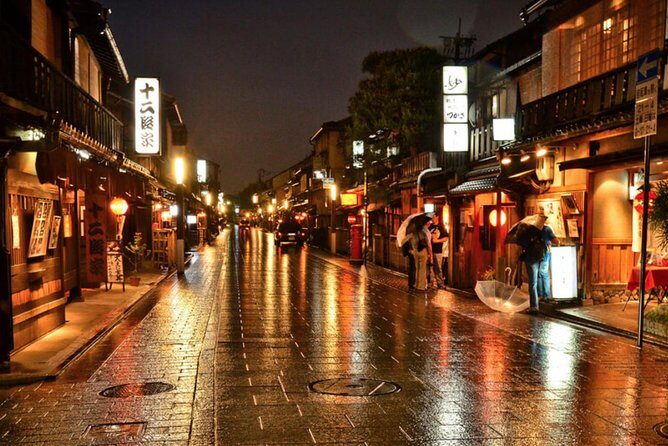
This tour is built on walking and includes a note that you should have a strong physical fitness level. Plan for uneven streets, some hills, and time moving between points in Gion.
It also requires good weather. If conditions are poor, the experience can be canceled and you’ll get offered a different date or a full refund. That matters because rain can make old-street walking less fun, especially if you’re juggling timing and photos.
What to wear:
- Comfortable shoes you can walk in for an extended evening
- Light layers, since Kyoto can feel cooler as the sun drops
- If you’re prone to getting cold, bring something warm; you’re outside first, then indoors to eat
Who this Kyoto evening tour is best for
I think this works best for you if:
- It’s your first time in Kyoto and you want Gion explained clearly
- You care about Japanese food traditions, not just trying a meal
- You want a guided evening that blends culture and eating instead of a restaurant-only experience
It may be less ideal if:
- You hate walking and want a mostly seated experience
- You already know kaiseki well and are only chasing the highest-end culinary bragging rights
- You want a loud, party-style night (this is more respectful, quieter, and story-led)
One other small plus: the tour caps at 10 people, and solo travelers can inquire by email for how it’s handled. That can make it feel more personal than big-bus city wandering.
Should you book the Kyoto Evening Gion Food Tour?
If you want a Kyoto evening that connects streets, stories, and a real kaiseki meal, I’d say book it. The best reason is the combination: you get the context of Gion and the geisha-world geography while you walk, then you get the full 10-course kaiseki experience at the end.
Book it especially if you’re comfortable with set menus and you like learning as you go. If you’re mainly hunting for the most filling dinner possible, compare your expectations first—and come ready for small, elegant portions that build through the courses.
FAQ
FAQ
How long is the Kyoto Evening Gion Food Tour?
The tour is about 3 hours.
What time does the tour start, and where does it meet?
It starts at 5:00pm. You meet at Japan Kanji Museum & Library, 551 Gionmachi Minamigawa, Higashiyama Ward, Kyoto.
Where does the tour end?
The tour ends in the Pontocho area at Pontocho Idumoya, 173-2 Kashiwayachō, Nakagyo Ward, Kyoto.
What’s included with the Kaiseki dinner?
The dinner includes a 10-course kaiseki meal, green tea, dessert, and one included drink.
Are there vegetarian or gluten-free options?
Yes. The tour is listed as vegetarian, pescatarian, and gluten-free friendly.
Is alcohol included, and is there a minimum drinking age?
The tour includes one drink. The minimum drinking age is 21 years.
What if the weather is bad or I need to cancel?
The experience requires good weather. If it’s canceled due to poor weather, you’ll be offered a different date or a full refund. You can cancel for a full refund up to 24 hours before the experience starts.