Kyoto slows you down here.
At Ankoan in Kyoto’s Kita Ward, you’ll start with a relaxed cup of welcome tea, get guided through Japanese tea manners, then watch the demonstration before you try the key steps yourself. I like that it’s hands-on, not just sitting and watching, and I also like the conversational pace that turns etiquette into something you can actually understand.
One of the real strengths is the host experience—Yuka welcomes you, explains what matters, and keeps English-friendly conversation going while you learn. You’re not stuck with a script; you get to ask about tea, culture, and everyday life as the session moves along.
The main catch to consider is physical: the experience isn’t recommended if you have knee pain, since the tea ceremony format involves sitting and kneeling-style posture for part of the process. If that’s a concern, you’ll want to think twice before booking.
In This Review
- The Ankoan Tea Ceremony Setup: Small Room, Real Focus
- Welcome Tea and Tea Etiquette with Yuka: Where the Session Starts
- Watch One, Do One: The Demonstration Becomes Your Practice
- Making Matcha, Then Sharing the Tea Space
- Where Does Ikebana Fit In?
- Duration, Group Size, and Timing: Plan for a Relaxed Reset
- Price and Value: What $32.84 Really Buys You
- Weather Matters (Yes, Even for Tea)
- Who Should Book Ankoan, and Who Might Hesitate
- Should You Book? A Simple Decision Guide
- FAQ
- How long is the Kyoto Japanese Tea Ceremony Experience in Ankoan?
- Where do I meet for the tea ceremony?
- What’s the price per person?
- How many people are in a group?
- Is private transportation included?
- What language is used during the experience?
- Do I have to pay for coffee or tea separately?
- Do you make matcha yourself?
- Can I take pictures indoors?
- Is this activity recommended if I have knee pain?
- What happens if it’s canceled due to poor weather?
- Is there free cancellation?
The Ankoan Tea Ceremony Setup: Small Room, Real Focus
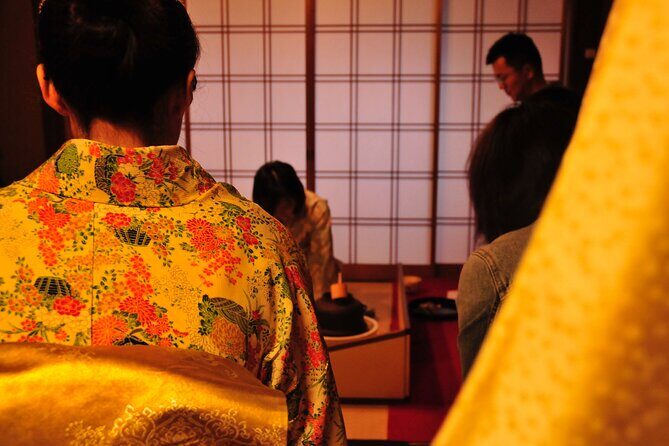
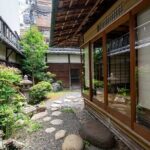
Ankoan is a studio-based experience, and it stays intentionally small—there’s a maximum of 8 people. That matters more than you’d think. With fewer people, you get clearer instructions, more time to practice, and less of that awkward feeling of being rushed through a traditional ritual.
You’ll meet at Tea ceremony Japan, 603-8216 Kyoto, Kita Ward, Murasakino Monzenchō, 63 暗香庵. It’s listed as near public transportation, which is helpful in Kyoto, where a 15-minute detour can become a 45-minute hunt if you’re relying on memory. Plan to arrive a bit early so you can settle in before the tea starts.
This is also the kind of activity that works well mid-day or as a palate cleanser after temple walking. The session is designed to “kick out fatigue” from travel—welcome tea first, then explanation, then practice. In practice, that flow tends to make the whole thing feel calm instead of formal for formal’s sake.
Welcome Tea and Tea Etiquette with Yuka: Where the Session Starts
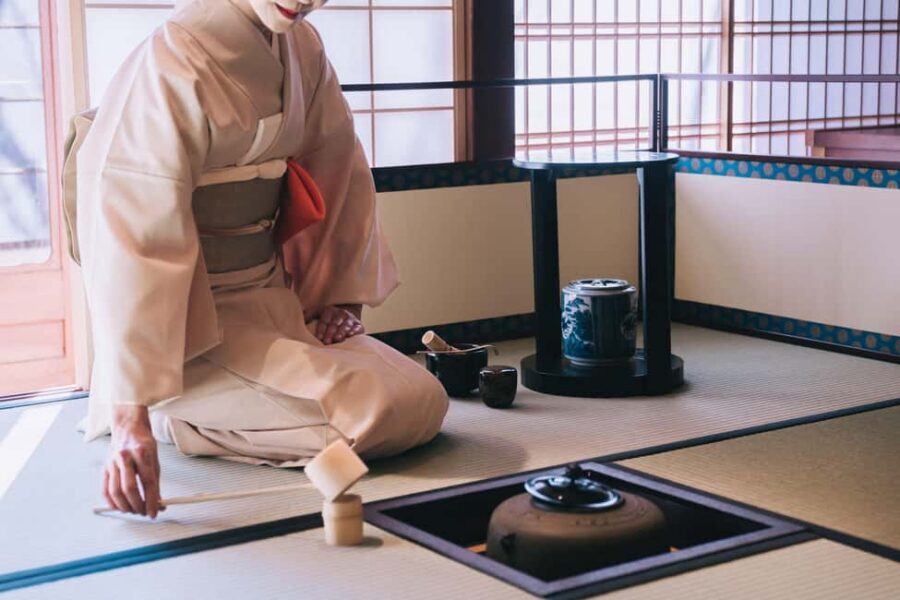
The experience begins with a cup of welcome tea and conversation. The idea is simple: you’ve traveled to get here, so take a breath first. While you’re drinking, Yuka talks through tea in Japan and other areas, then introduces the specific parts and manners behind the Japanese tea ceremony.
This is the part I value most if you’re new to tea. You don’t just learn what to do—you learn why it’s done that way. That context can turn matcha from an interesting drink into something you can read like a cultural language: attention, respect, and timing.
Language is handled with English-friendly support (and Chinese/English is indicated). In the room, that means you’re more likely to understand the “meaning” of gestures and steps, not just copy them.
A few more Kyoto tours and experiences worth a look
Watch One, Do One: The Demonstration Becomes Your Practice
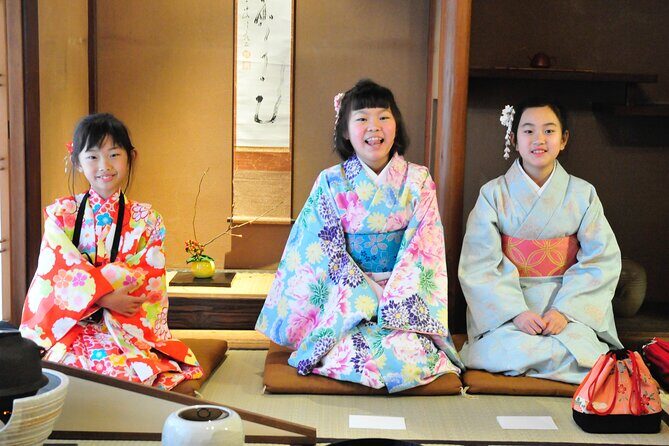
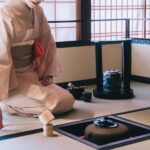
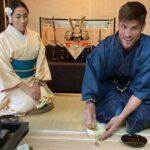
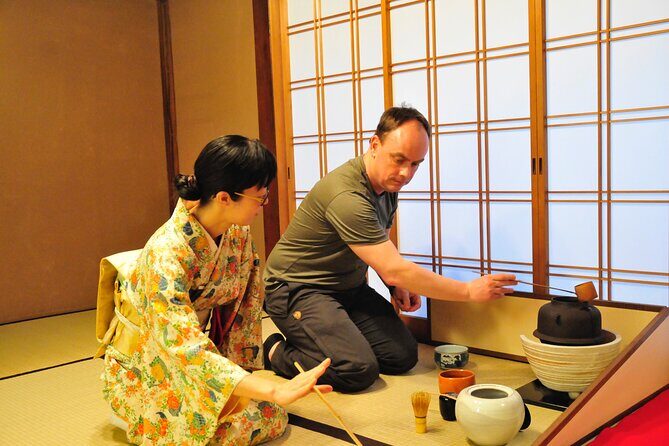
After the setup and explanation, you’ll see the tea master’s demonstration. Then you’ll model the procedure yourself, using the essential steps of the tea ceremony—especially the matcha-making process.
What makes this format feel good is that it’s not a one-and-done try. You get instruction and demonstration, then practice the key motions so the ritual sticks. One of the strongest practical elements in the teaching approach is the step-by-step guidance, which helps you avoid the classic tourist mistake: trying to imitate the form without understanding the flow.
You’ll also prepare the matcha yourself. That’s the core experience, and it’s why the session feels more memorable than a purely observational activity. Even if you’re awkward at first, the teacher is there to instruct and explain while you work.
This is also where the small group becomes a quiet advantage. With fewer people, the teacher can respond to what you’re doing in the moment, instead of only giving general tips at the start.
Making Matcha, Then Sharing the Tea Space
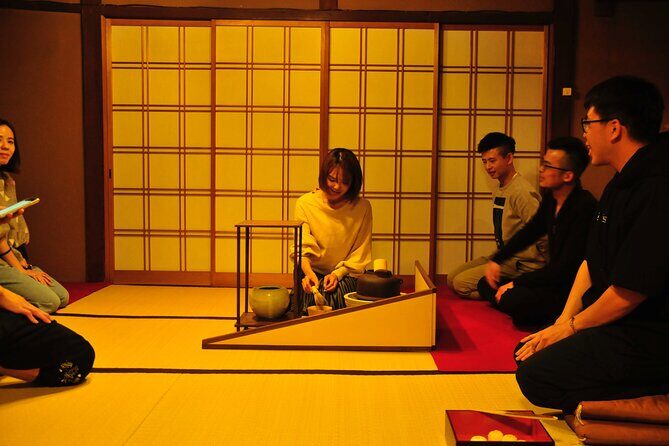
Once your matcha is prepared, the session continues with tasting. You’ll enjoy tasting the tea made by others in the harmonious tea space, which is part of how the ritual moves from individual steps into shared experience.
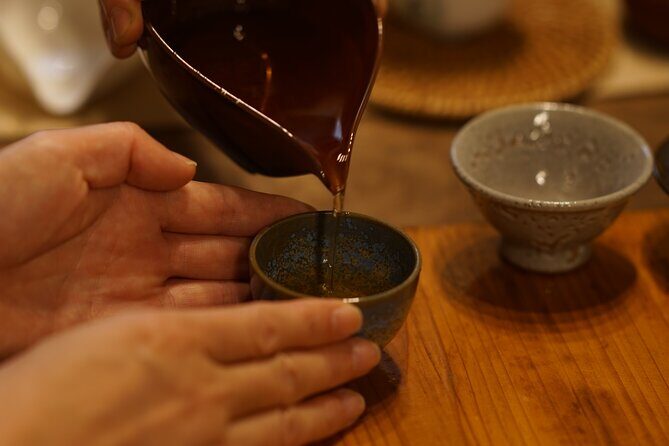
You’ll also taste wagashi—traditional sweets paired with tea. If you’ve never had the tea-and-sweet pairing before, this can be a fun way to understand how Japanese tea culture treats flavors as a balanced conversation, not just one strong taste at a time.
A practical perk: you can take pictures indoors freely. If you’re the type who likes a few photos for your trip log, this removes the usual stress of asking at the last second. Just be mindful of the pace—tea rooms usually work best when the whole group stays quiet and respectful.
Where Does Ikebana Fit In?
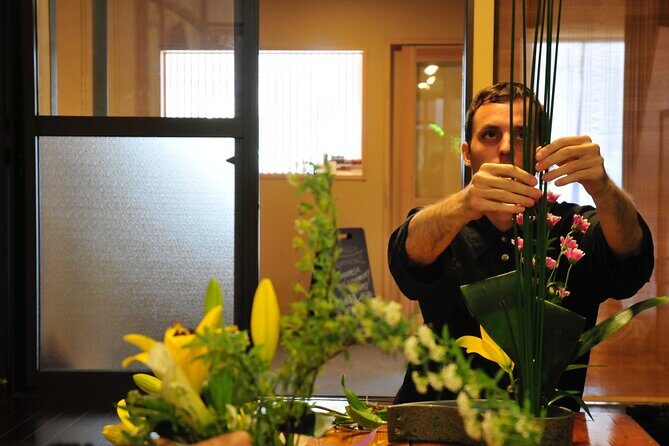
The studio experience is described as including both tea ceremony and ikebana. That means you should expect the session to connect tea culture with the broader arts of presentation and seasonal beauty.
One caution: the detailed steps and timing for ikebana aren’t broken out in the information you have here, and the duration varies by how the session runs. So treat it as part of the studio offering, not as a separate, long workshop you can plan around hour-by-hour.
If you love Japanese arts—tea, flowers, ceremony-as-craft—this combination can feel satisfying. If you only care about matcha, you’ll still get the main tea focus since matcha preparation and tasting are clearly central to the experience.
Duration, Group Size, and Timing: Plan for a Relaxed Reset
The experience duration is listed as 1 hour approximately, and the service is also described as 90 minutes. On the ground, some sessions may feel closer to a longer block (especially if you’re chatting, asking questions, or taking photos).
My advice: plan for about 1.5 to 2 hours if you want a comfortable buffer. Kyoto days move fast when you’re scheduling temples, buses, and trains. This helps you avoid the stress of rushing out before you finish tasting.
Group size is capped at 8, which usually supports a slower, more attentive pace. If you want a structured experience but also want time to understand what’s happening, this is a strong setup.



Price and Value: What $32.84 Really Buys You
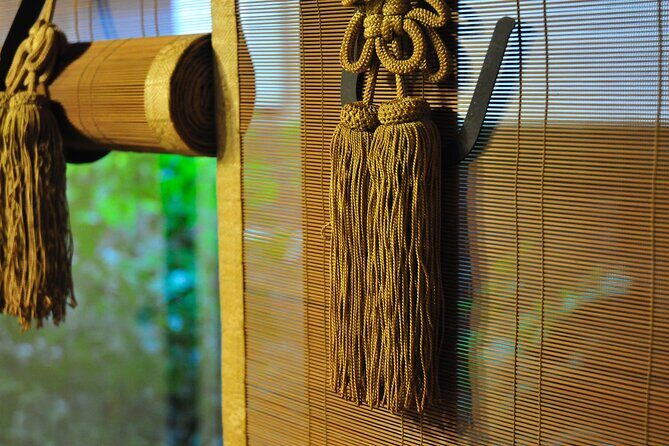
At $32.84 per person, this isn’t priced like a mass-market “show.” You’re paying for hands-on teaching in a real tea-room setting, including matcha preparation and tasting, plus coffee and/or tea.
Also, the host-led conversation is part of the value. You’re not only learning steps; you’re getting cultural context while you’re there. That’s the difference between collecting a souvenir and actually learning a ritual.
What you should budget separately: private transportation isn’t included. So factor in getting to Kita Ward. If you’re already near public transit, the “near public transportation” note helps keep costs down.
In short: the value is strongest if you want participation—making matcha yourself—rather than passive sightseeing.
Weather Matters (Yes, Even for Tea)
The experience requires good weather. That doesn’t mean rain always cancels everything, but it does mean the operator can adjust or cancel due to poor conditions.
If weather is uncertain on your travel dates, build in a little schedule flexibility. Kyoto can be rainy, and the last thing you want is to stack this experience tightly between two train transfers with no cushion.
Who Should Book Ankoan, and Who Might Hesitate

This experience suits you best if you want a calm Kyoto activity that teaches cultural manners through practice. The small-group size supports questions, and the session is structured so you watch, learn, and then do the matcha steps.
It can also be a good choice for families. The information you have suggests kids can participate, and that the host can be flexible with age-friendly participation.
The main reason to hesitate is knee pain. Since the format isn’t recommended for people with knee issues, you don’t want to gamble on comfort. If you’re unsure, you might ask before booking—especially if you’ve had knee problems in seated or kneeling positions before.
Should You Book? A Simple Decision Guide
Book it if you want a hands-on Kyoto tea ceremony experience with a warm, English-friendly host, clear instruction, and a real chance to make matcha yourself. The combination of etiquette context plus practical practice is what makes it feel worth the money.
Skip or reconsider if knee pain could be a problem for you, or if your schedule is so tight you can’t absorb weather-related changes. And if you hate sitting still for part of the process, you may find the ritual format more challenging than you expected.
FAQ
How long is the Kyoto Japanese Tea Ceremony Experience in Ankoan?
It’s listed as about 1 hour, and the service is also described as 90 minutes. Plan for roughly that range so you don’t feel rushed.
Where do I meet for the tea ceremony?
You meet at Tea ceremony Japan, 603-8216 Kyoto, Kita Ward, Murasakino Monzenchō, 63 暗香庵. The activity ends back at the meeting point.
What’s the price per person?
The price is $32.84 per person.
How many people are in a group?
The experience has a maximum of 8 travelers.
Is private transportation included?
No, private transportation is not included.
What language is used during the experience?
The provider notes Chinese/English OK, and the session is explained for participants in those languages.
Do I have to pay for coffee or tea separately?
Coffee and/or tea is included.
Do you make matcha yourself?
Yes. You watch the demonstration and then experience making matcha yourself, with instruction from the teacher.
Can I take pictures indoors?
Yes, you can take pictures indoor freely.
Is this activity recommended if I have knee pain?
It’s not recommended for those with knee pain.
What happens if it’s canceled due to poor weather?
If it’s canceled due to poor weather, you’ll be offered a different date or a full refund.
Is there free cancellation?
Yes. You can cancel for a full refund up to 24 hours in advance of the experience start time.