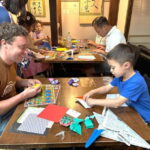
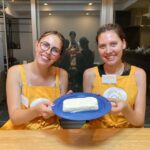
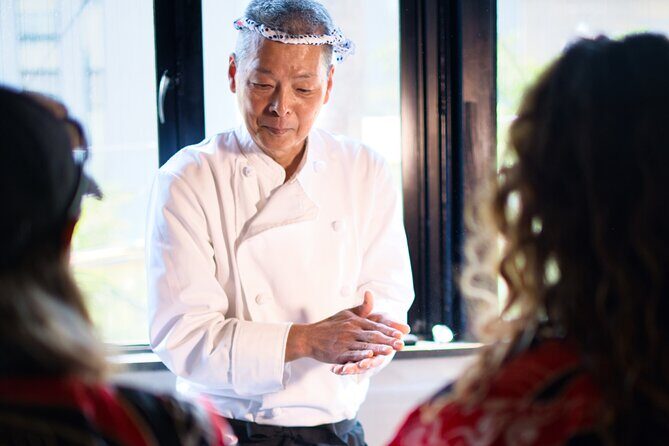
Wagyu sushi class in Kyoto is hands-on fun. You’ll move through the steps yourself, from hand-washing and making shari to building nigiri and rolls with guidance from Chef Yoshi. I like that it’s not just a cooking demo, it’s a real skill session where you see how technique changes the bite.
Two things I particularly liked: you make the sushi rice (shari) yourself, and the experience lands as a complete lunch with sushi plus tempura, red miso soup, pickles, and a soft drink. One heads-up: the meeting point is in a multi-elevator building, and it can be confusing which elevator to take at the start.
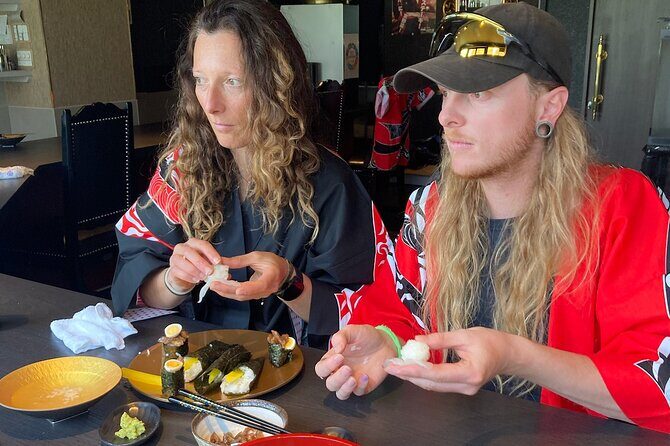
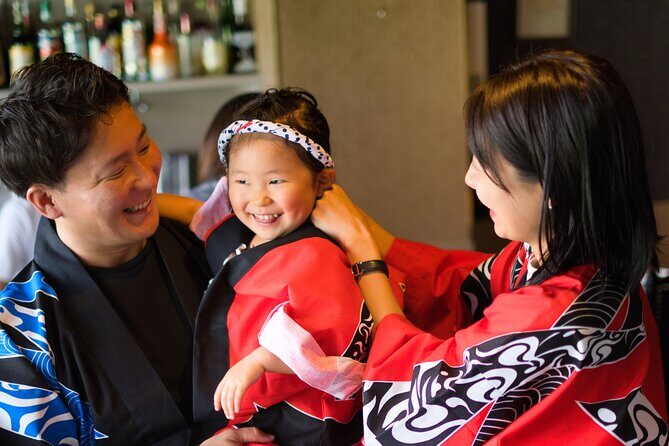
Because this is a 12:00 lunch-time class, you’ll want to be on time and ready to work. It’s family-friendly too, with special happi-style clothing provided and an activity that children can join.
In This Review
- Key Things to Know Before You Go
- A Hands-On Kyoto Wagyu Sushi Lunch at Cocotte Alpha
- Where the Class Starts: Pontocho’s Golden Building Confusion
- Inside the Workshop: Hands, Shari, and the First Technique Win
- Nigiri, Maki, and Gunkan: What Makes the Skills Different
- The Wagyu Angle and Chef Yoshi’s Role in Your Lunch
- The Finish: Itadakimasu and a Full Meal (Not a Snack)
- Timing and Group Size: Easy to Fit Into Your Day
- What to Tell the Staff: Allergies and Simple Expectations
- Who This Kyoto Wagyu Sushi Class Fits Best
- Booking Tip: Weather Matters
- Should You Book This Kyoto Wagyu Sushi Experience?
- FAQ
- How long is the Kyoto wagyu sushi making experience?
- What time does the class start?
- What’s the maximum group size?
- What’s included with lunch?
- Do I need to tell the provider about allergies?
- Is it refundable if I cancel, and what happens if weather is poor?
Key Things to Know Before You Go
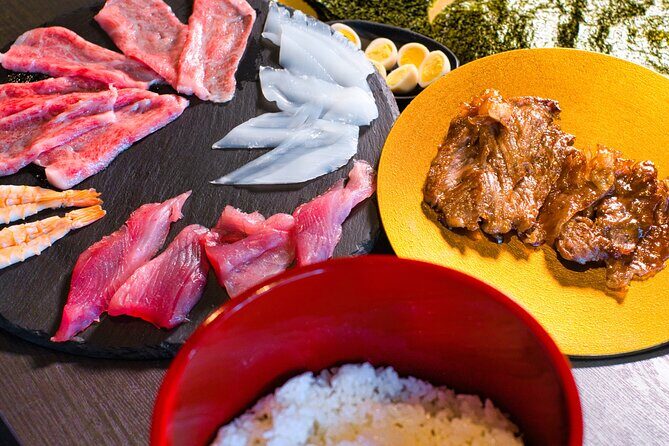
- You’ll make shari (sushi rice) yourself, not just assemble pieces
- Nigiri, maki, and gunkan all happen in about 1 hour 15 minutes
- Chef Yoshi guides the session, including ingredient selection and hands-on help
- Lunch is included: sushi plus tempura, red miso soup, pickles, and a soft drink
- Special happi-style clothing is provided for the class vibe
- Tell them about allergies in advance, especially egg or shrimp
A Hands-On Kyoto Wagyu Sushi Lunch at Cocotte Alpha
This is the kind of class that feels like a meal and a lesson at the same time. You’ll start with the basics that matter most for sushi: clean hands, proper shari, and a calm rhythm for building each piece.
What makes it interesting is the full loop. You make the components, shape nigiri and rolls, then sit down and eat what you made. You’re paying for the experience, but you’re also walking away with a finished lunch.
Price-wise, $70 per person is easier to swallow when you remember lunch is included. You’re not buying a tiny tasting plate; you’re building sushi with wagyu-focused ingredients and then eating a full set meal with sides.
If you're still narrowing it down, here are other tours in Kyoto we've reviewed.



Where the Class Starts: Pontocho’s Golden Building Confusion
The meeting point is Cocotte Alpha Premium Wagyu Teppanyaki Kyoto Pontocho, Kyoto Golden Building 3F. The address is 175 Zaimokuchō, Nakagyo Ward, Kyoto (604-8017), and it’s near public transportation.
Here’s the practical part: this building can be tricky to enter. One common problem is figuring out which elevator to take once you’re in the area, even with Google Maps guiding you to the right neighborhood.
My advice is simple: arrive a few minutes early and be willing to ask staff for the correct elevator or entrance route. Since this starts at 12:00, losing time at the building entrance can throw off your whole day.
Inside the Workshop: Hands, Shari, and the First Technique Win
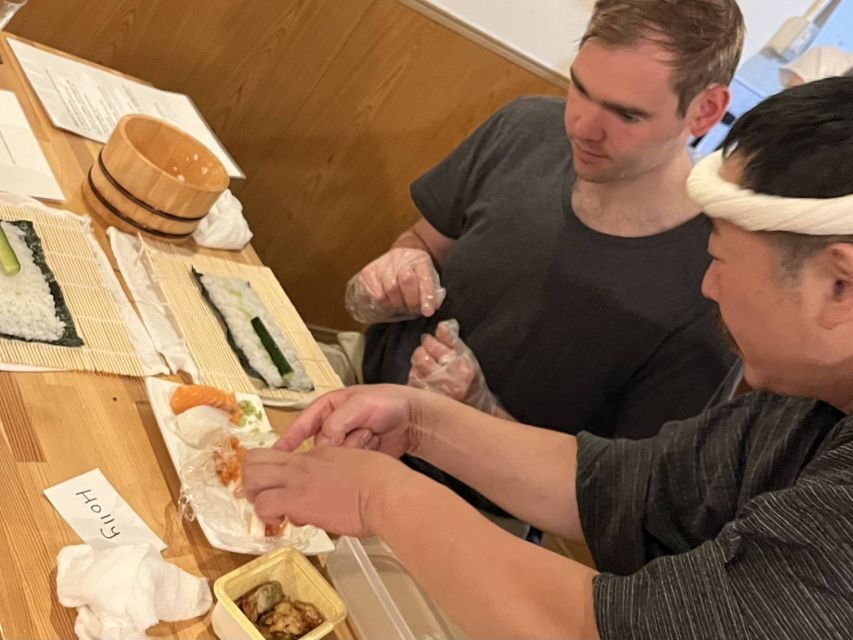
You’ll begin with hand-washing. It sounds basic, but it sets the tone: sushi is precise, and cleanliness is part of the craft.
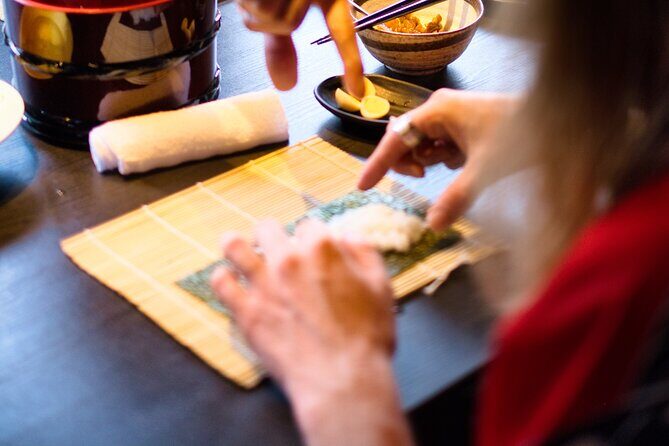
Then you’ll make shari, the sushi rice. This is one of the most valuable parts of the class for you, because shari is the foundation. When you get the timing and handling right, everything else feels easier, especially nigiri and rolls.
After that, you move to topping. You’ll learn how to place the neta (topping) on the rice and finish each nigiri. You can also add wasabi if you like, and that lets you adjust flavor to your own taste.
This section is also where you learn something you can carry beyond the class. Sushi skill is a chain of small actions, not one magic trick, and you’ll feel that as you work through each step.
Nigiri, Maki, and Gunkan: What Makes the Skills Different
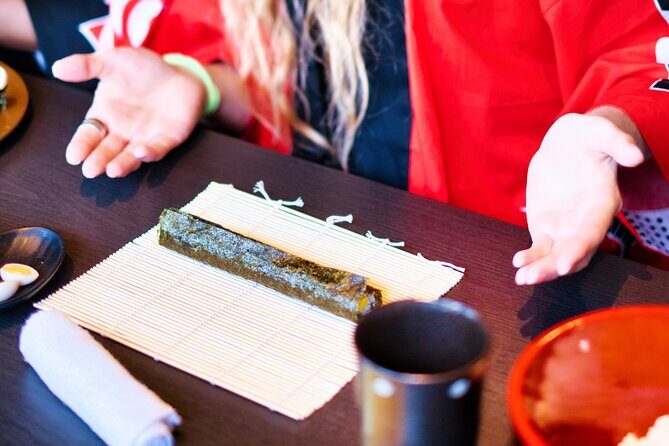
Once you’ve made the nigiri pieces, the class shifts into rolling. You’ll create maki (rolled sushi) next, and you’ll also make gunkan maki.
A detail that matters for results: the class emphasizes that different types use seaweed (nori) in different sizes. That’s not trivia. The nori size changes how the roll holds together and how it slices.
When your rolls are ready, the head chef cuts them for you. That’s a smart division of labor for a class like this: you get the rolling technique, while the expert finishing step helps keep the slices neat.
Finally, gunkan maki adds another texture and shape challenge. You’ll assemble it so the filling sits the way it should, rather than collapsing into a messy mound. This is a great moment to slow down and focus, because the shape is part of the eating experience.
The Wagyu Angle and Chef Yoshi’s Role in Your Lunch
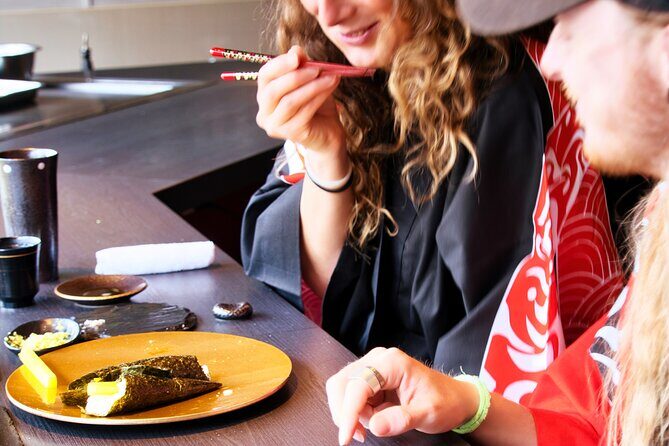
The theme is Kyoto wagyu sushi. Even if you already eat wagyu elsewhere, making it into sushi is a different experience because the delivery system changes how you taste it.
Chef Yoshi is the key human element here. In practice, that means ingredient selection happens with his direction, so you’re not guessing what goes together. For food-focused people, this is a big part of the value: you learn the logic behind the choices, not just the steps.
I like how the class connects cooking to eating. You’re not building random components; you’re building a lunch you’ll serve and enjoy right away.
And yes, this is where you can ask simple questions. If you’re curious why one approach works better than another, this format gives you chances to get answers in context, right while you’re making it.



The Finish: Itadakimasu and a Full Meal (Not a Snack)
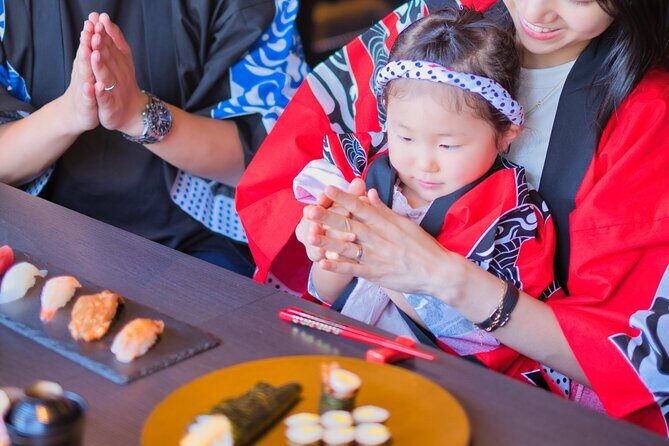
After all your sushi is made, you arrange it together and say itadakimasu. The point is communal, and it also keeps the flow smooth for a lunch session.
Then comes the included meal. Your lunch set includes sushi, tempura, red miso soup, pickles, and a soft drink. That mix matters because it balances the meal: sushi gives you bite-size variety, and tempura plus miso brings warmth and comfort.
This is also a nice change from classes that end with a tiny tasting. You leave with food you actually ate, which makes it easier to justify the price and makes the whole thing feel like a real Kyoto lunch plan.
Timing and Group Size: Easy to Fit Into Your Day
The session lasts about 1 hour 15 minutes and starts at 12:00 pm. Since it’s timed for lunch, it works well if you want a structured midday activity and fewer decisions later.
The group size is capped at 10 travelers. That matters for attention. In a small group, you’re more likely to get help when something feels tricky, especially for first-timers with rolling and shaping.
This is also a mobile-ticket experience. That’s helpful because you’re not scrambling for printed papers while navigating Kyoto streets and building entrances.
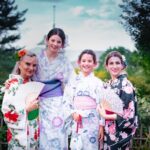
If you’re traveling with kids, this format can be a good win. It’s described as family-friendly and includes special happi-style clothing, and the activity is set up so children can join.
What to Tell the Staff: Allergies and Simple Expectations
The experience asks you to notify them in advance if you have allergies to egg or shrimp. Do that when you book, even if the allergy feels minor. Sushi classes need clear instructions to keep everyone safe.
Also think about your willingness to get hands-on. You’ll be working with sushi components, so this isn’t the kind of tour where you just watch. Come prepared to participate, and you’ll get more value from the time.
If you prefer minimal food work, you might find this active. But if you like making things with your hands, it’s a very satisfying lunch plan.
Who This Kyoto Wagyu Sushi Class Fits Best
You’ll enjoy this most if you want more than a meal. If your goal is learning technique you can reuse, the shari-to-nigiri-to-roll structure is exactly the kind of lesson that sticks.
It also fits food travelers who like hands-on, step-by-step experiences. You get a clear sequence and you finish with the payoff: your own sushi plus a full lunch set.
Families often do well here. Kids can join, and the provided happi-style clothing helps make it feel like an event rather than a lesson that’s only for adults.
For couples, it can be a fun date plan. The class format can feel small when the group is light, so it doesn’t have the vibe of a huge factory tour.
Booking Tip: Weather Matters
This experience requires good weather. If it’s canceled because of poor weather, you’ll be offered a different date or a full refund.
So if you’re traveling during a rainy stretch, keep some flexibility in your schedule. Lunch plans are easier to adjust than dinner plans, but you still want a backup day nearby.
Should You Book This Kyoto Wagyu Sushi Experience?
I’d book it if you want a structured, hands-on Kyoto lunch that includes real food and real technique. The best reasons are practical: you make shari, you build multiple sushi styles (nigiri, maki, gunkan), and you still sit down to a full set meal afterward.
Skip it only if you want a low-effort tasting or a pure sightseeing block, because you’ll be actively working with your hands for the whole 1 hour 15 minutes. Also consider the building logistics; go a bit early and don’t wait until the last minute to find the right elevator route.
If you’re in Kyoto around lunchtime, this is a smart use of time. You leave fed, you leave with skills, and you get to eat something you made moments earlier.
FAQ
How long is the Kyoto wagyu sushi making experience?
It lasts about 1 hour 15 minutes.
What time does the class start?
The start time is 12:00 pm.
What’s the maximum group size?
The group is limited to a maximum of 10 travelers.
What’s included with lunch?
Lunch includes sushi, tempura, red miso soup, pickles, and a soft drink.
Do I need to tell the provider about allergies?
Yes. If you have allergies to egg or shrimp, you should notify them in advance.
Is it refundable if I cancel, and what happens if weather is poor?
The experience is non-refundable and cannot be changed for any reason. If it’s canceled due to poor weather, you’ll be offered a different date or a full refund.
If you want, tell me your travel dates and whether you’re coming with kids, and I’ll suggest a smooth lunchtime schedule around it.