Private car days save Kyoto time. This day tour is interesting because it gives you a private English-speaking driver with a set route, while you still get the freedom to adjust the pacing. Two things I really like are the Wi‑Fi onboard (useful when you’re double-checking train times or hunting the best photo angle) and the planned stop order, which helps you avoid the most annoying transport shuffle. One drawback to consider: this can feel more like a driver-led route than a full, walking, history-deep guide at every stop, and entry fees are on you once you arrive.
If you want Kyoto’s big hitters without spending half the day on buses and subways, this format is built for you. You’ll typically start with meet and greet pickup, ride in an air-conditioned vehicle, and roll through major sights in one stretch of hours. It’s also priced for groups: $660.51 per group (up to 6), which can work out well if you fill the car.
With a 4.2 rating from 63 reviews, the experience looks strongest when you’re clear about what you want to see and you’re okay with “real world” timing. I’d also plan to keep expectations realistic if weather turns rough, since some stops may be impacted by access and parking.
In This Review
- Key things to know before you go
- Price and what it buys you for Kyoto, Osaka, or Nara
- Getting started: pickup, onboard Wi‑Fi, and a car that keeps your day moving
- How the 10-hour plan really works
- Kyoto full-day route: Arashiyama, Kinkakuji, Kiyomizu-dera, Fushimi Inari, Gion, and Nishiki
- Arashiyama (about 1 hour)
- Kinkakuji Temple (about 1 hour)
- Kiyomizu-dera Temple (about 1 hour)
- Fushimi Inari-taisha Shrine (about 1 hour)
- Gion (about 1 hour)
- Sanjusangendo Temple (about 1 hour)
- Ginkakuji Temple (about 1 hour)
- Nishiki Market shopping district (about 1 hour)
- Nara day tour: deer park, Todai-ji, Wakakusayama, Horyu-ji, Kasuga Taisha, and Naramachi
- Nara Deer Park (start with a wow factor)
- Todai-ji Temple and Nigatsudo Kuden (major temple focus)
- Wakakusayama Hill (about 1 hour)
- Horyu-ji Temple (classic temple stop)
- Kasuga Taisha Shrine (about 1 hour)
- Shinyakushiji Temple (about 1 hour)
- Naramachi street (about 1 hour)
- Osaka highlights: Osaka Castle, Shitennoji, Dotonbori, Sumiyoshi Taisha, Sakai views, and Daisen Park
- Osaka Castle (about 1 hour)
- Shitennoji Temple (about 1 hour)
- Osaka Dotonbori (about 1 hour)
- Sumiyoshi Taisha Shrine (about 1 hour)
- Sakai City Hall Observatory Flour (about 1 hour)
- Daisen Park (about 1 hour)
- Driver vs guide: how to get the best experience from an English driver
- What you should budget: entries and meals are extra
- Weather, timing, and why flexibility matters in Kyoto and Nara
- Who should book this private car tour
- Should you book this Kyoto, Osaka, Nara private car tour?
- FAQ
- What is the price for this Kyoto, Osaka, or Nara private tour?
- How long is the tour?
- Is Wi‑Fi provided during the tour?
- Is the tour private?
- Is pickup included?
- Are entry fees included?
- Are meals included?
- What cities or itineraries are available?
- Do I get tickets or confirmation at booking?
- Is the driver guided in English?
Key things to know before you go
- Choose Kyoto, Osaka, or Nara for the best use of time since a 10-hour day moves fast
- Onboard Wi‑Fi in the car helps you stay connected while hopping between neighborhoods
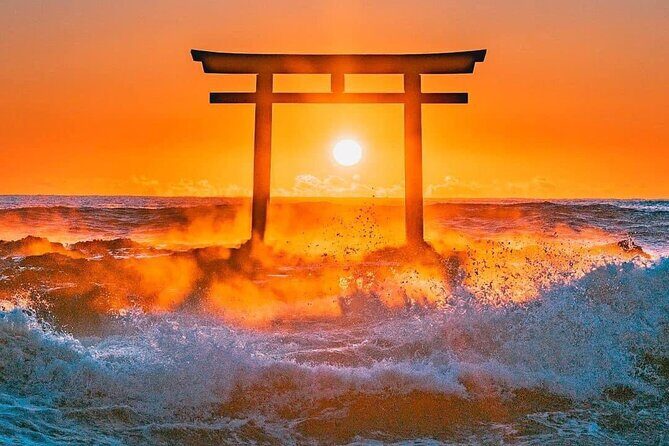
- Your route includes major icons like Fushimi Inari, Gion, Todai-ji, and Dotonbori
- Entry fees aren’t included, so bring a separate budget for temples and attractions
- Driver quality varies by person, with some (like Hassan, Khan, Hamza, Rana, and San) noted for strong support
Price and what it buys you for Kyoto, Osaka, or Nara
At $660.51 per group up to 6 people, this isn’t a “cheap day out.” It’s a buy-your-time option. If you divide it by 6, you’re around $110 per person for a full 10-hour day with a private car and an English-speaking driver.
For many groups, that math beats the alternative of hiring multiple taxis for long distances, then still trying to coordinate stops on your own. For others, the value depends on one thing: how organized you are. If you already know your must-see list and you want someone to handle the driving, timing, and getting you to the right entrances, the price starts to feel fair.
Just remember what you’re paying for: transportation, highway tolls, and the driver’s service. You are not paying for museum-style ticketing or meals. If you want everything fully guided inside each site, you may need to ask more questions in advance, because some drivers lean more into practical help than deep narration.
A few more Kyoto tours and experiences worth a look

Getting started: pickup, onboard Wi‑Fi, and a car that keeps your day moving
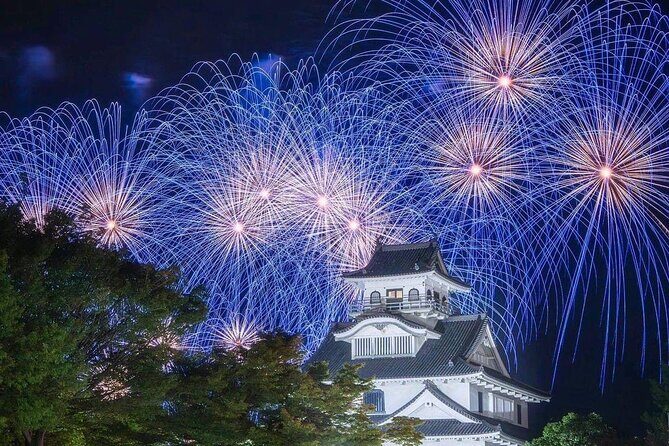
This tour is set up for low-friction starts. You get meet and greet, pickup offered, and a mobile ticket, plus an air-conditioned vehicle. That matters in Kansai, where you can go from hot sidewalks to temple lines to traffic-with-lights, and you don’t want to feel baked at every transfer.
I also like the simple perk: Wi‑Fi on board. It’s not flashy, but it’s genuinely useful when you’re juggling photos, mapping, and deciding whether you should add a quick stop for views or snacks.
A few of the drivers named for this experience include Hassan, Khan, Malik, Virk, Hamza, Rana, and San. The consistent theme is that the driver is your day’s “operating system”—they keep things moving and help you navigate where to be and when.
One practical note: pickup and timing are only as smooth as your meeting point. If your hotel lobby is confusing, you’ll want clear details and a backup landmark.
How the 10-hour plan really works
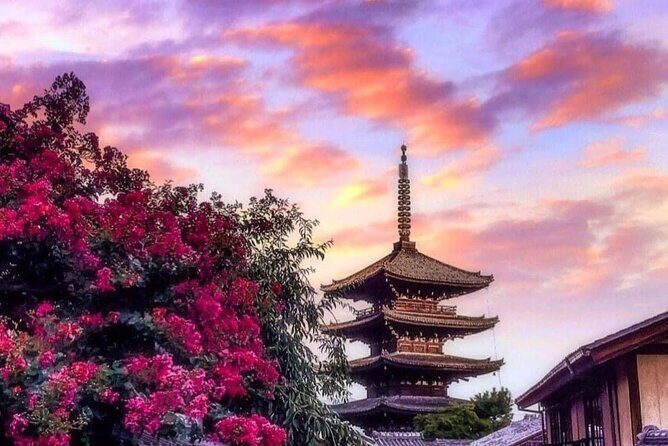
The tour is built around a 10-hour window, with major stops in a tight order. On paper, many stops are laid out as about an hour each. In real life, your actual time at each place depends on walking pace, queue lines, and whether you’re taking photos every few steps.
Here’s the strategy I’d use: pick one “anchor city” for the day. The tour options are designed as Kyoto OR Nara OR Osaka day tours. Some people try to stack multiple cities, and that usually turns the day into driving plus rushing, which kills the enjoyment.
You’ll also want to treat this as a route that’s planned but not rigid. If your driver is flexible, you’ll be able to adjust order or add small extras when time allows. If your driver is more route-focused, you’ll still get the value of point-to-point logistics with far less stress than public transport.
Kyoto full-day route: Arashiyama, Kinkakuji, Kiyomizu-dera, Fushimi Inari, Gion, and Nishiki
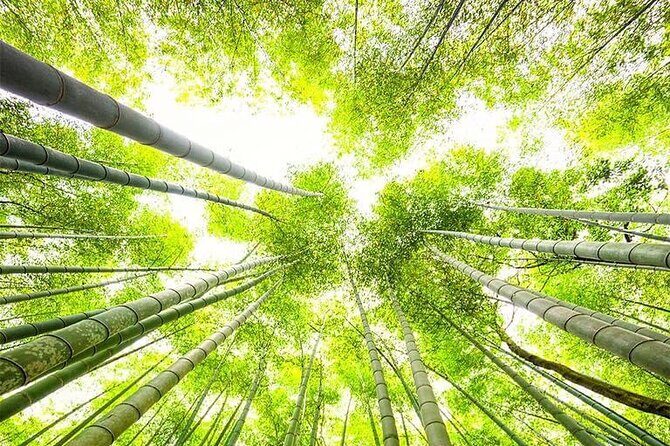
Kyoto in one day is a sprint, but it’s a fun one when the driving and ordering are handled for you. This Kyoto itinerary strings together the big icons in a smart way, mixing palace-temple highlights with neighborhoods where you can wander.
Arashiyama (about 1 hour)
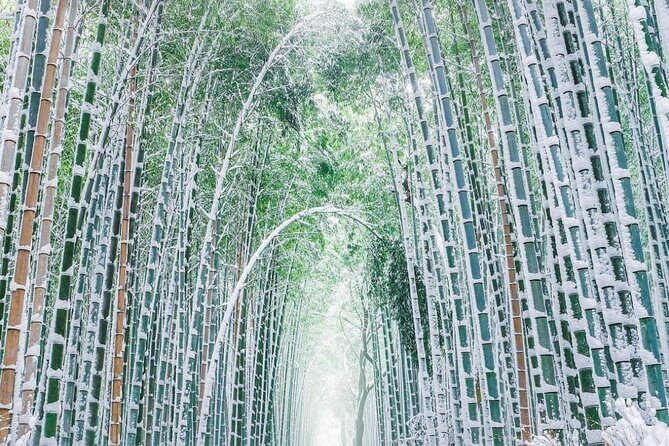
Arashiyama is a good opener because it sets your Kyoto mood right away—nature, footpaths, and classic photo moments. If you care about the iconic bamboo-area vibe, this is usually where your day starts to feel visually “Kyoto.”
Other guided tours in Kyoto


Kinkakuji Temple (about 1 hour)
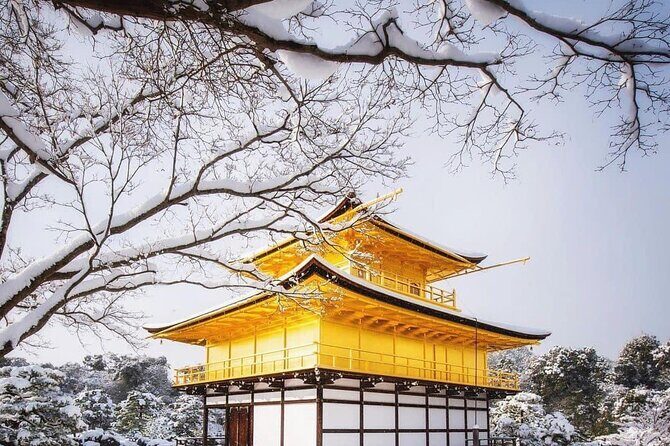
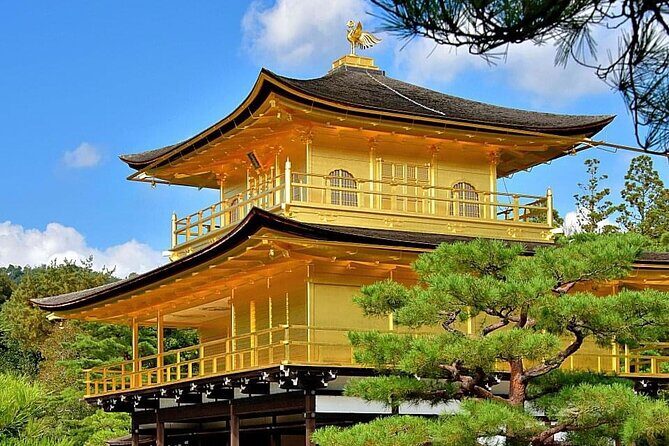
Kinkakuji, the Golden Pavilion, is a highlight for a reason. I love how quickly it delivers payoff: you arrive, you see the iconic look, and you can spend time at a few viewpoints without feeling lost.
Drawback: it can be crowded. Even with a driver handling arrival, you’ll still want to accept that you might spend some of your hour in line or bottlenecks.
Kiyomizu-dera Temple (about 1 hour)
Kiyomizu-dera is one of those stops where the approach matters as much as the temple itself. You’ll get that hillside feel and the sense that Kyoto’s old districts climb around you.
If your group wants photos, plan to spread out. The best images often involve stepping away from the main flow for a clean shot.
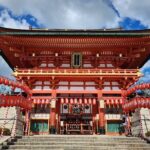
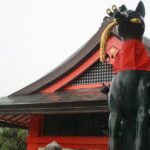
Fushimi Inari-taisha Shrine (about 1 hour)
Fushimi Inari’s torii gates are the kind of sight you remember. It’s also one of the most popular places on the planet, so the hour disappears fast if you stop every few steps.
Practical move: walk slowly, but don’t try to reach every far corner. Your driver can help you pick how deep to go so you still hit the rest of the day without panic.
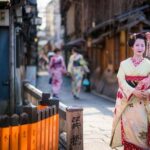
Gion (about 1 hour)
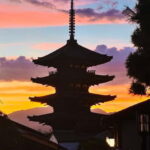
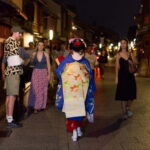
Gion is where Kyoto shifts from landmark “checklists” into street atmosphere. It’s ideal for slow wandering, people-watching, and snacking.
I’d use this hour for short loops rather than trying to cover every back street. Keep it fun and breathable.
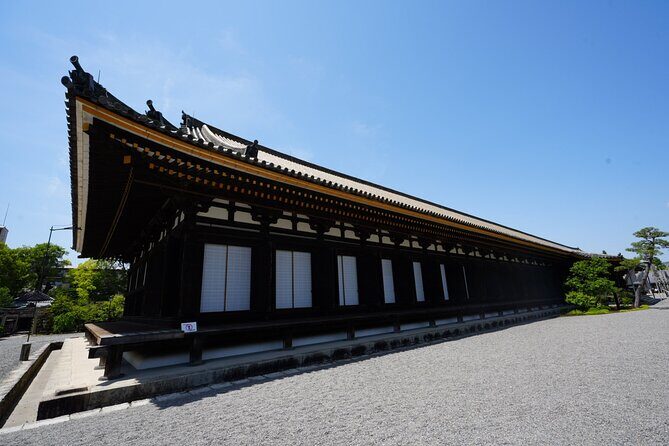
Sanjusangendo Temple (about 1 hour)
Sanjusangendo is a different flavor—more structured, more indoor, and a good break from outdoor walking. It’s also a strong stop for anyone who likes temple art and details rather than just views.
Consideration: if your group mainly wants scenery and photos, you might want to ensure you’re still energized for this one.
Ginkakuji Temple (about 1 hour)
Ginkakuji (Silver Pavilion) complements Kinkakuji nicely because it feels quieter and more contemplative. This stop can be a reset after Fushimi Inari’s intensity.
Nishiki Market shopping district (about 1 hour)
Nishiki Market is where you end Kyoto like a local—snacks, small buys, and easy browsing. This is often a favorite “do something with your hands” stop, especially if you’re traveling with kids.
My tip: decide early whether you’re doing a light snack crawl or a shopping hour. One hour goes quickly when you’re tasting.
Nara day tour: deer park, Todai-ji, Wakakusayama, Horyu-ji, Kasuga Taisha, and Naramachi
Nara is a smart counterpart to Kyoto because it feels less frantic. This day tour mixes famous temples with more open outdoor moments, then rounds off with a neighborhood stroll.
Nara Deer Park (start with a wow factor)
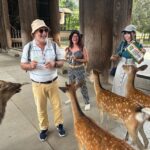
The deer park experience is instant joy. Feeding and watching the deer can be a high-energy start, especially for families.
Just be smart about it: keep your hands close and follow any on-site rules so you don’t get a surprise deer approach.
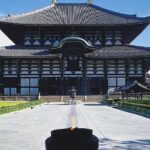
Todai-ji Temple and Nigatsudo Kuden (major temple focus)
Todai-ji is one of the biggest “must” stops in Nara. The itinerary specifically includes Todai-ji and Nigatsudo Kuden, so you’re not just ticking a box—you’re set up to see a broader temple complex experience.
This is a great place to slow down. If you’re the type who likes to linger and observe, you’ll appreciate having a private driver to keep you unhurried.
Wakakusayama Hill (about 1 hour)
Wakakusayama adds elevation and an outdoor feel, which helps balance the temple density. It’s also a nice change from the indoor/outdoor rhythm of temples.
Horyu-ji Temple (classic temple stop)
Horyu-ji is a strong follow-up that leans into the calm, temple-grounds vibe. It can feel like a whole different Nara side compared with the deer and Todai-ji excitement.
Kasuga Taisha Shrine (about 1 hour)
Kasuga Taisha brings you back into a shrine setting with strong atmosphere. It’s often a place where walking paths are part of the experience.
Shinyakushiji Temple (about 1 hour)
This stop keeps your day layered. It’s useful if you want more than just the headline monuments and you like having variety.
Naramachi street (about 1 hour)
Naramachi is where you finish with neighborhood feel: street life, casual strolling, and a chance to buy simple souvenirs. It’s a good “close the day” area.
Osaka highlights: Osaka Castle, Shitennoji, Dotonbori, Sumiyoshi Taisha, Sakai views, and Daisen Park
Osaka gives you a different energy: famous city landmarks plus food-and-night-life intensity. This itinerary leans into variety, so you don’t spend the whole day in one mood.
Osaka Castle (about 1 hour)
Osaka Castle is the big visual anchor. Even if you’re not a history buff, it’s a major city landmark that gives your Osaka day a clear center point.
Shitennoji Temple (about 1 hour)
Shitennoji helps Osaka feel more grounded. It’s a calming contrast to the city-energy you’ll hit later in the day.
Osaka Dotonbori (about 1 hour)
Dotonbori is the postcard Osaka moment for many people. It’s a great place to eat, wander, and absorb the lights and crowds—though you’ll still want to manage your expectations about how long it takes to move around.
Sumiyoshi Taisha Shrine (about 1 hour)
This shrine adds a cultural breath between Dotonbori and your other stops. It’s also a place where you can slow your pace and get perspective.
Sakai City Hall Observatory Flour (about 1 hour)
An observatory stop is an underrated inclusion. Even in a tight day, it can help you understand Osaka’s scale and geography from above.
Daisen Park (about 1 hour)
Daisen Park is your outdoor reset. It’s a practical way to end without feeling like your entire day was indoor crowds and heavy sidewalks.
Driver vs guide: how to get the best experience from an English driver
Here’s the truth: this tour is sold as a private car experience with an English-speaking driver/guide, but the “how guided it feels” depends heavily on the person driving you. Some guides were noted for escorting you, helping with photo spots, and timing visits for lighter crowds.
For example, Hassan is repeatedly described as highly accommodating, including suggestions for cherry blossoms timing and helping with where to take pictures. Hamza was highlighted for suggesting extra stops like Monkey Park when it wasn’t on the core list, which is the kind of practical flexibility that makes a day feel personal.
At the same time, some people felt the service was more driver than full interpretive guide at each site. The pattern was that the driver would take you to the right locations but not always provide deep details unless asked.
So how do you win? Bring a short list of what you care about and ask direct questions at each stop. Not vague questions—specific ones like, What is the main thing I should notice here, or Is this the best angle to get a good photo without fighting crowds?
If your top priority is narration at every stop, confirm that focus before you go. If your priority is convenience plus the ability to choose how long you linger, you’re likely to be happier with this format.
What you should budget: entries and meals are extra
The big included items are clear: air-conditioned private transportation, Wi‑Fi on board, highway tolls, gas/patrol cost, and an English speaking driver in person. You also get meet and greet.
What’s not included: meal or food or drink costs, entry fees of any place, and entry fee of any ride. That means your final day budget will depend on how many sites you enter and whether you choose extra paid attractions.
If you’re traveling with kids, think in advance about how much you want to spend on entry tickets versus snacks and downtime. A private car saves you energy, but it doesn’t make tickets free.
Weather, timing, and why flexibility matters in Kyoto and Nara
Japan weather can change your day fast. One concern that comes up: heavy rain can affect parking access and whether your driver can stay with you inside every stop. Even if the driver still helps you reach the sites, you might lose time to closures or restrictions.
I’d pack the basics: a small umbrella or poncho, comfy shoes, and a plan for re-routes if a place is delayed. If you’re aiming for photo-heavy stops like Fushimi Inari or Arashiyama, build in a little buffer and don’t schedule your most demanding walking hour right at the end of the day.
Also remember: temples and attractions have operating hours. When you’re in a tight 10-hour schedule, late starts can squeeze your most important visit.
Who should book this private car tour
You’ll likely love this tour if you:
- Want a private, driver-handled day in Kyoto, Osaka, or Nara without wrestling buses and transfers
- Travel with kids or people who don’t want to do marathon station walking
- Prefer control over your pacing, with the driver helping you adjust on the fly
- Value Wi‑Fi and comfort during movement time
I’d be more cautious if you:
- Expect a full-time, deeply interpretive guide who stays with you for every single detail inside each stop
- Are hoping entry fees and attraction costs are included
- Want to cram multiple cities in one day, because the driving portion can eat your sightseeing time
Should you book this Kyoto, Osaka, Nara private car tour?
Yes, if you treat it like a private route day: you’ll give it your must-see list, and you’ll use the driver to handle timing, parking, and point-to-point movement. The value is strongest for groups up to 6, especially when you’re splitting the cost and you want comfort plus control.
Book it with a smart checklist: pick Kyoto OR Osaka OR Nara for the day, decide what you want to see most, and ask your driver questions when you arrive. If you do that, you’ll get the best of what this format is good at—less stress, better logistics, and a smoother path through Japan’s top sights.
FAQ
What is the price for this Kyoto, Osaka, or Nara private tour?
It costs $660.51 per group, up to 6 people.
How long is the tour?
The tour is approximately 10 hours.
Is Wi‑Fi provided during the tour?
Yes, the vehicle has Wi‑Fi access.
Is the tour private?
Yes. It is a private tour/activity, and only your group participates.
Is pickup included?
Pickup is offered, and the tour includes meet and greet.
Are entry fees included?
No. Entry fees of any place are not included.
Are meals included?
No. Meal or food or drink costs are not included.
What cities or itineraries are available?
You can choose a day tour focused on Kyoto, Nara, or Osaka, with different listed stops for each.
Do I get tickets or confirmation at booking?
Confirmation is received at the time of booking, and you receive a mobile ticket.
Is the driver guided in English?
Yes. The tour includes an English speaking driver in person.