Kyoto from a rickshaw is a fun switch from walking. You get the old-town feel fast, rolling past narrow lanes, wooden town houses, and temple-and-shrine stops with a local English guide. Two things I really like: you can pick your tour length so the route fits your energy, and your guide-driver team usually knows how to park you for photos along the way, even around the Geisha area.
You’ll also enjoy how flexible the experience can be, with guides able to adjust what you focus on. One thing to consider is the rickshaw seat size: each ride is narrow (about 29.1 inches wide), so if you’re traveling with comfort needs or a bigger frame, you may want to book a separate rickshaw.
In This Review
- Key highlights at a glance
- Why a rickshaw makes Kyoto feel personal (and faster)
- Start at Ebisuya Higashiyama: where the ride actually begins
- The Higashiyama-to-Gion route: what each stop gives you
- Getting oriented in Higashiyama
- Geisha district streets and traditional wooden town houses
- A small bridge and the “Kyoto in miniature” feeling
- A beautiful temple with a garden
- An impressive temple stop
- A large shrine in Gion (often a good New Year timing idea)
- Ending with old cobblestone street energy
- How long should you book: the 30 minutes to 3 hours decision
- Guide-driver teams: the names you’ll keep hearing
- Comfort and reality checks: seat width, motion, and weather
- The rickshaw is narrow
- Children and lap-riding
- Rain or shine
- Timing matters
- Price and value: why $39.79 can still be a smart move
- Practical tips that make your ride better
- Who should book this Kyoto rickshaw tour
- Should you book the Kyoto Rickshaw Tour with Ebisuya?
- FAQ
- What does the tour include?
- Where do I meet for the tour?
- Where does the tour end?
- How long is the rickshaw tour?
- Is there hotel pickup or drop-off?
- Does the tour include Arashiyama Bamboo Forest?
- Can I customize the route?
- What if it rains?
- How does seating work for children?
- Can I ride more than two adults in one rickshaw?
- Is this a private tour?
Key highlights at a glance
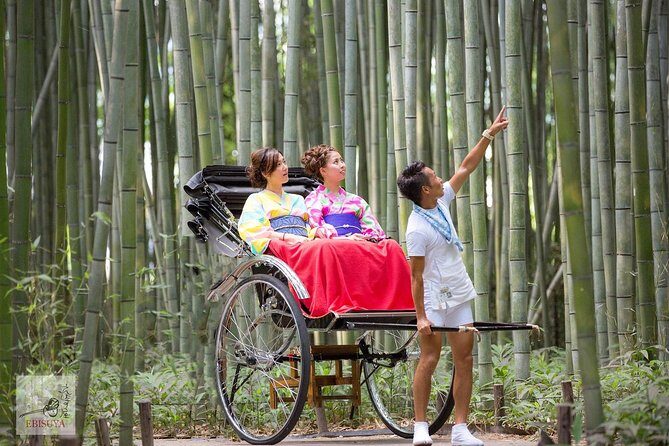
- Higashiyama + Gion focus: a classic Kyoto walkthrough made mobile
- English-speaking guide + rickshaw ride included in the ticket
- Photo-friendly pacing in old cobblestone streets and temple lanes
- Guides get named a lot: Fumi, Kai, Yoshi, Hina, Kanta, Kota, Shuhei, Fuji
- Short or long options: 30 minutes to about 3 hours, route varies by time
- Rain or shine: the tour runs, with weather coverage noted if it’s canceled
Why a rickshaw makes Kyoto feel personal (and faster)
Kyoto’s charm is in the details: doorways, stone steps, wooden facades, and the way streets curve where you can’t see the end. A rickshaw is a cheat code for that. You’re not just looking from street level while walking past crowds. You’re moving slowly through the narrow pieces of the city, which makes the whole area feel calmer and more readable.
I also like the practical side. The tour is designed to cover famous-feeling spots without you having to plan every turn. You get a local guide to connect the dots on what you’re seeing, and you’re pushed along at a human pace that’s easier on your feet than doing it all by yourself. If you have limited time, or if you want a first-timer overview, this style of tour works fast.
There’s also a charm factor that’s hard to fake. When you’re gliding through old cobblestone streets in a wooden rickshaw, Kyoto looks different. It’s more like you’re traveling back in time than doing a standard sightseeing circuit.
If you're still narrowing it down, here are other tours in Kyoto we've reviewed.


Start at Ebisuya Higashiyama: where the ride actually begins
The meeting point is at Ebisuya Higashiyama Rickshaw, 483 Shimokawarachō, Higashiyama Ward, Kyoto, 605-0825. The activity ends back at the same stand, which is helpful when you’re planning the rest of your day.
A small but important detail: the tour is described as private, meaning only your group rides (no mixing with other parties). That matters for comfort and for how smoothly the guide can manage stops and photo breaks. It also makes it easier if you’re traveling as a family.
Another practical upside: it’s near public transportation, so you can build it into a day without stressing about getting a car or a hotel pickup. Hotel pickup and drop-off aren’t included, so you’ll want to arrive on your own at the stand.
The Higashiyama-to-Gion route: what each stop gives you
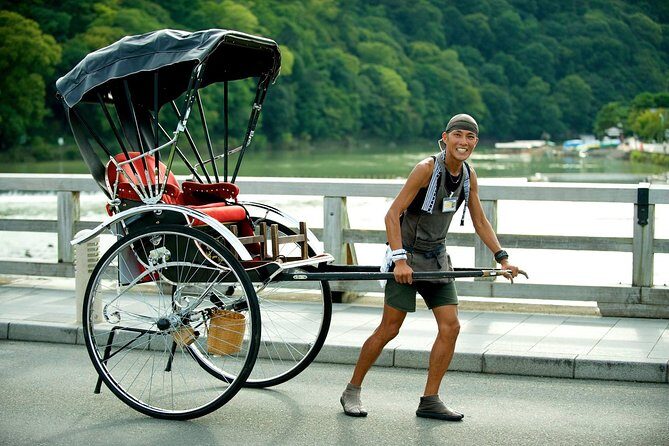
Your route centers on the Higashiyama area, with time options that can stretch toward Gion. Exact coverage depends on the tour length you choose, and you should expect that shorter options may not hit every landmark. Here’s what the route is built to deliver, stop by stop.
Getting oriented in Higashiyama
Early on, you start around the tour operator area for Higashiyama and then move toward a Higashiyama landmark. Think of this as your orientation phase: you settle into the rhythm of the streets and the guide starts linking what you see to how the district developed.
The value here is simple: Kyoto can feel confusing fast if you’re only using maps. A guide gives you a mental map while you’re still close to the starting point.
Geisha district streets and traditional wooden town houses
Next comes the heart of the experience: the geisha district area with traditional wooden town houses. This is where a rickshaw really pays off. You can observe the architecture and street proportions without constantly turning your head as you walk.
If you’re curious about the etiquette and everyday life in these areas, this is usually the point where your guide’s stories start making everything click. Some routes also aim for chances to spot local performers or traditional looks when timing allows.


A small bridge and the “Kyoto in miniature” feeling
Then you roll past a small bridge in the traditional district. It sounds minor, but these are the pieces that make Kyoto Kyoto. The guide can point out why certain spots feel significant, and you’ll usually get a clean moment for photos because the pace is slow.
A beautiful temple with a garden
After that, you’re taken to a beautiful temple with a garden. Garden temples in Kyoto often work like visual pauses. Even if you don’t go into every space, the setting helps you understand why people build and live around these sacred landscapes.
One possible drawback: depending on the season and the time you booked, you might get shorter viewing windows here. If you love gardens, consider booking the longer duration so you don’t feel rushed.
An impressive temple stop
Then comes an impressive temple. If you’re doing the tour as a first intro, this stop is usually the “wow” factor temple that anchors the whole ride. Your guide’s job is to explain what you’re seeing and how it connects to local beliefs and history.
I like that the ride keeps moving, but you still get a few moments to look closely. You’re not stuck on a single photo spot for long.
A large shrine in Gion (often a good New Year timing idea)
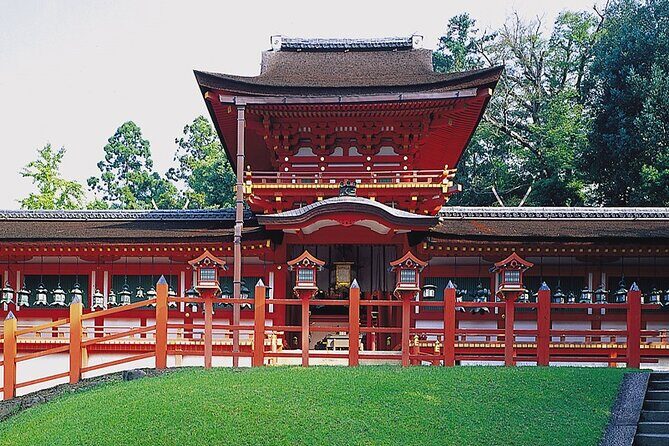
The ride can also reach a large shrine in the Gion area. The tour description notes it’s worth visiting during New Year, before or after your rickshaw ride. That’s a useful tip for planning: you can use this tour to get into the right zone, then add shrine time around the dates that matter.
There’s one more subtle benefit here: Gion is one of those Kyoto districts where walking can get slow due to crowds. A rickshaw helps you see more without wearing yourself out before evening plans.
Ending with old cobblestone street energy
Finally, you get that steady “feel the history” moment as you travel on old cobblestone streets. This is the sensory payoff of the whole tour. Even if you’ve seen photos of Kyoto, cobblestones and narrow lanes change the mood in real life.
How long should you book: the 30 minutes to 3 hours decision
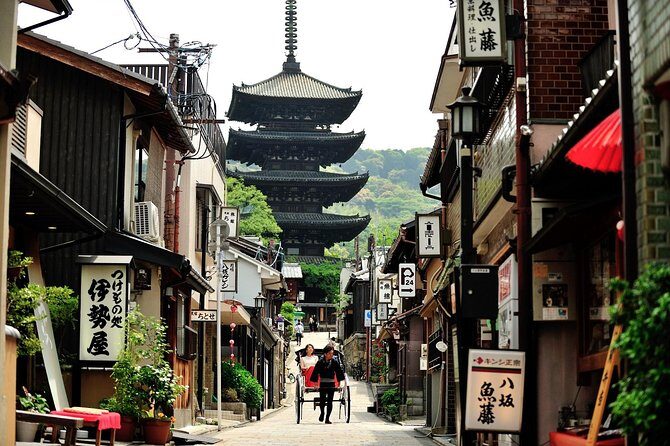
The tour duration is listed as 30 minutes to about 3 hours, depending on what you book. Here’s the decision rule I’d use if I were planning your day: choose the length that matches your walking tolerance and your photo patience.
- Shorter options (around 30–70 minutes) work best if you want a quick hit: a taste of Higashiyama lanes, a couple landmark moments, and a smooth introduction to Gion vibes.
- Longer options (1.5–3 hours) give your guide more time to include additional temples and district segments, plus more breathing room to stop and explore specific spots.
One practical note: the tour info also says not every landmark can be covered by shorter options, so if there are two must-sees (for example, a specific temple you care about), mention it early and talk through what length fits.
Guide-driver teams: the names you’ll keep hearing
A big reason this tour gets such strong praise is the human factor. In the guide lineup, names come up again and again in feedback: Fumi, Kai, Yoshi, Hina, Kanta, Kota, Shuhei, and Fuji. While your exact guide depends on availability, the style is consistent: English explanation plus storytelling that connects what you see to how people live around these places.
In several experiences, guides also acted like unofficial photo directors, helping you get good angles and timing. That matters because Kyoto alleys can hide perfect viewpoints until you’re positioned correctly. A good guide knows where the street opens just enough for a clean shot without blocking others.
If you’re the type who likes asking questions, you’ll probably enjoy this format. Your guide can answer while you’re moving, and you don’t have to stop your whole day to find a museum or a guidebook section.
Comfort and reality checks: seat width, motion, and weather
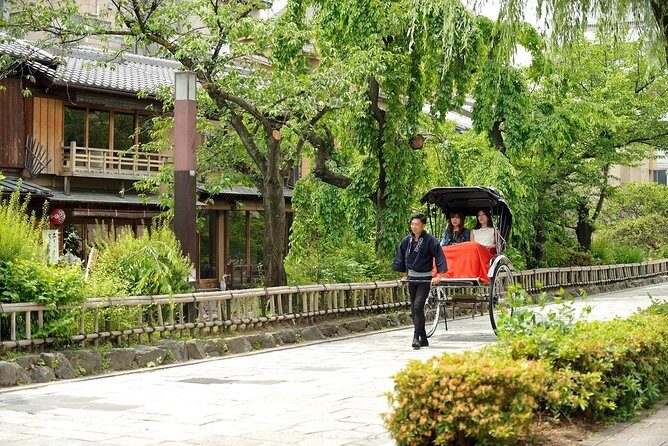
Let’s talk comfort, because it’s the one area where this tour needs honest expectations.
The rickshaw is narrow
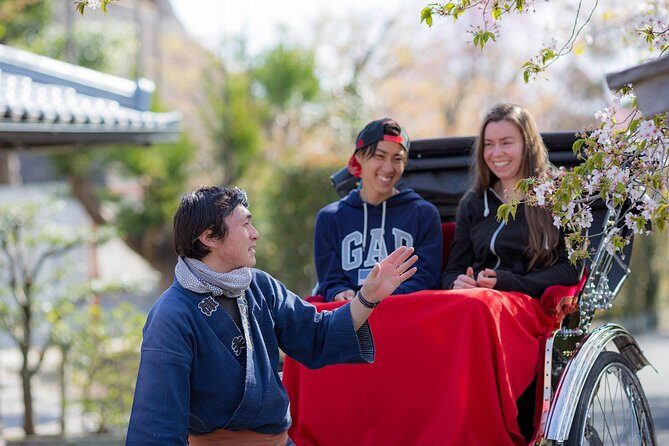
Each rickshaw is about 29.1 inches (74 cm) wide. The rules also limit rides to a maximum of 2 adults per rickshaw. For comfort, the tour guidance specifically recommends booking individual rickshaws for larger passengers.
If you’re traveling with someone who runs small and someone who needs more space, consider splitting. It’s often cheaper than you think in the end if you’re preventing a miserable ride.
Children and lap-riding
For kids: children 5 and under may sit on an adult’s lap. The policy says one child per adult. If a child uses one of the two seats, the child must be booked as an adult. So when you’re booking as a family, you’ll want to match the seating plan to your child’s size and your comfort.
Rain or shine
The tour runs rain or shine. If poor weather cancels things, you’re offered a different date or a full refund. That’s a helpful safety net for planning.
Also, weather means the cobblestones and alleys can feel slick. Wear shoes you trust. Keep your jacket handy, and you’ll be fine.
Timing matters
If you’re late, your tour time gets affected. The info says a delay of 10 minutes or more results in automatic cancellation. Build in buffer time so you don’t gamble with your schedule.
Price and value: why $39.79 can still be a smart move
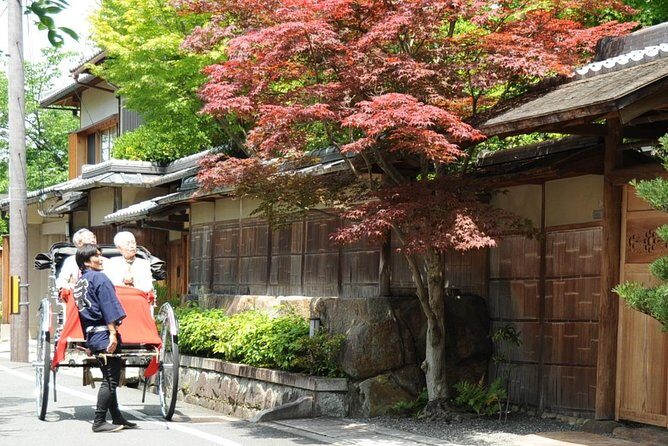
The listed price is $39.79 per person. On paper, a rickshaw can seem like a splurge. In practice, it can be good value if you treat it like this:
- You pay for transportation through the tightest streets without the fatigue of walking.
- You pay for an English-speaking local guide who reduces guesswork about where to go and what you’re seeing.
- You gain time. Kyoto is big, and walking between districts can eat your day.
So the value depends on your style. If you’re the type who loves DIY and you already have a detailed plan, the guide and the rickshaw ride may feel optional. But if you want your first Kyoto day to feel smooth and guided, this price often lands in the sweet spot.
One thing to consider: you can customize the experience, and the duration changes the route coverage. If you want temples plus deeper district time, longer bookings will feel more “worth it” than a tiny taste.
Practical tips that make your ride better
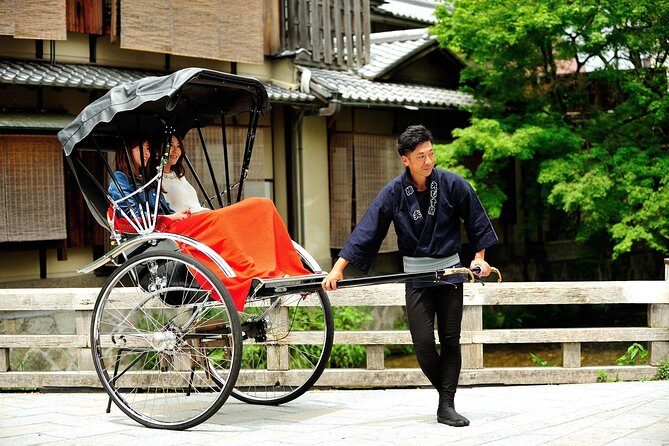
Here are the small choices that help your tour feel effortless.
- Decide what you want most: quick geisha-area snapshots and street views, or temple-and-shrine stops with more time to linger.
- Bring a camera that handles motion. A rickshaw move is slower than a car, but you’ll still get motion.
- Plan your day around the end point since you return to the meeting stand.
- Skip expecting the Arashiyama Bamboo Forest. This tour does not include it, so if bamboo is your priority, plan that separately.
- Ask about landmark coverage early if you’re booking a shorter option. Not all places can fit in less time.
Who should book this Kyoto rickshaw tour
This is a great fit if you:
- Are visiting Kyoto for the first time and want a guided introduction to Higashiyama and Gion
- Prefer an experience where you can sit, look, and ask questions
- Want photos in old streets without constantly stopping and starting
- Have limited mobility or fatigue and still want to experience the districts in motion
It’s less ideal if you’re trying to pack in a super tight schedule where missing a few minutes would derail everything, since timing rules are strict.
And if you’re sensitive to cramped seating, take the 29.1-inch width guidance seriously and consider booking separate rickshaws for comfort.
Should you book the Kyoto Rickshaw Tour with Ebisuya?
Yes, I think you should book it if your goal is classic Kyoto atmosphere with minimal planning and strong guide support. The combination of Higashiyama + Gion coverage, English explanations, and a paced route through temples, shrines, bridges, and cobblestone streets is exactly the kind of sightseeing that feels different from walking between major landmarks.
Skip it only if you’re expecting full-day coverage of Kyoto highlights, or if you’re not comfortable with narrow seating. If you choose your duration wisely and show up on time, this tour is one of the easiest ways to get your bearings fast and see Kyoto’s old districts in a way that feels almost storybook.
FAQ
What does the tour include?
The ticket includes a local English-speaking guide and a rickshaw ride.
Where do I meet for the tour?
You meet at Ebisuya Higashiyama Rickshaw, 483 Shimokawarachō, Higashiyama Ward, Kyoto.
Where does the tour end?
The tour ends back at the meeting point.
How long is the rickshaw tour?
The duration ranges from about 30 minutes to about 3 hours, depending on what you book.
Is there hotel pickup or drop-off?
No. Hotel pickup and drop-off aren’t included.
Does the tour include Arashiyama Bamboo Forest?
No. Arashiyama Bamboo Forest is not included.
Can I customize the route?
Yes. The tour can be customized depending on your interests.
What if it rains?
The tour takes place rain or shine. If it’s canceled due to poor weather, you’ll be offered a different date or a full refund.
How does seating work for children?
Children 5 and under may sit on an adult’s lap (one child per adult). If a child will use one of the two seats, they must be booked as an adult.
Can I ride more than two adults in one rickshaw?
No. There’s a maximum of 2 adults per rickshaw. If you need more space or don’t both fit comfortably, you may need to book additional rickshaws.
Is this a private tour?
Yes. It’s listed as a private tour/activity, so only your group participates.