First you get a simple crash course in sake. This Kyoto tour pairs brewery visits with the Gekkeikan Okura Sake Museum so you can connect what you taste with what you’re seeing. It also includes a calm stroll through the Fushimi-Momoyama area, plus local stops that make the whole day feel grounded in the neighborhood—not just the tasting room.
I especially like the balance here: multiple tastings paired with a real meal, and visits that let you compare small-scale and large-scale production. I also like that you’re not stuck in one building all day—you walk, you look, and you get context for why Fushimi is such a big deal for sake.
One consideration: active brewing areas are inaccessible, so you’ll learn the process from what you can see and from the guide’s materials rather than wandering through working production floors. If you prefer lots of hands-on detail, you might wish you could get closer to the active steps.
In This Review
- Key takeaways before you go
- Finding the Softbank Meeting Point in Otesuji Shotengai
- Fushimi-Momoyama Walk: Temples, Park Breaks, and Real Neighborhood Stops
- Two Brewery Visits: Small-Scale vs Large-Scale Sake Production
- The Gekkeikan Okura Sake Museum Since 1637
- Lunch With Yakitori Paired With Sake
- Sake Tastings: How to Sample Without Losing the Plot
- Price and Value: What $227 Covers in Real Terms
- Who This Kyoto Tour Fits Best (And Who Might Want Another Option)
- Practical Tips for a Smooth 11:00am Start
- Should You Book This Kyoto Sake Brewery Tour?
- FAQ
- How long is the Kyoto sake brewery tour?
- What time does the tour start?
- What’s included in the price?
- Is lunch included, and what will I eat?
- Is there an age limit for sake on this tour?
- Can the tour accommodate dietary restrictions?
- Are active brewing areas accessible during the brewery visits?
- How many people are in the group?
- If bad weather cancels the tour, what happens?
Key takeaways before you go
- Two-scale brewery comparison: you’ll see what changes when sake is made on a smaller versus larger scale
- Gekkeikan Okura Museum since 1637: a structured way to understand techniques and tradition
- Yakitori lunch + sake: a meal built into the experience, not an afterthought
- Max group size of 10: small enough to hear explanations clearly
- Diet-friendly options: vegan, vegetarian, pescetarian, and gluten-free friendly
Finding the Softbank Meeting Point in Otesuji Shotengai
You start at 11:00 am, and the meeting point is delightfully specific: in front of a Softbank shop in Otesuji Shotengai. It’s the kind of landmark that helps you get oriented fast, and it also signals you’re in a real local shopping strip, not a tourist-only corridor.
The tour runs about 3 hours, and it stays walk-and-look paced. That matters because you’re not just “doing a tasting”; you’re watching how this neighborhood fits into sake culture.
Also note the tour uses a mobile ticket, so keep your phone charged and easy to access.
Other sake brewery and tasting tours in Kyoto


Fushimi-Momoyama Walk: Temples, Park Breaks, and Real Neighborhood Stops
This is a walking tour through parts of Kyoto’s Fushimi district, and you’ll pass through several local waypoints. Along the way, you get the sense that sake isn’t a sealed-off industry—it sits inside a living, working district with temples and everyday streets.
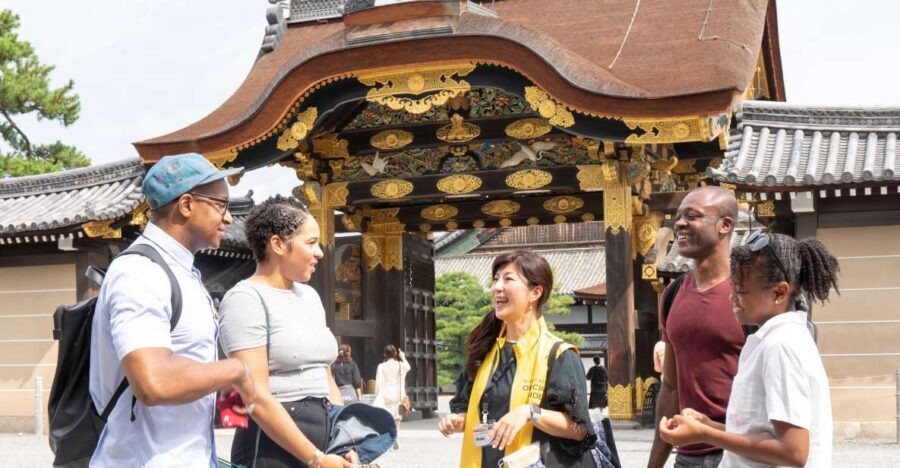
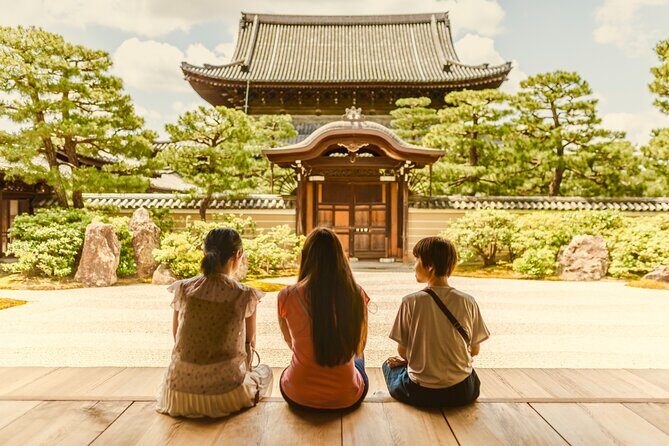
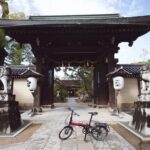
Stops you can expect along the route include Chokenji temple, Fushimi Park, Teradaya, and Daigo-ji. Even if you’re not trying to “collect” temples, these stops give you a rhythm: walk, look, pause, then return to the sake theme.
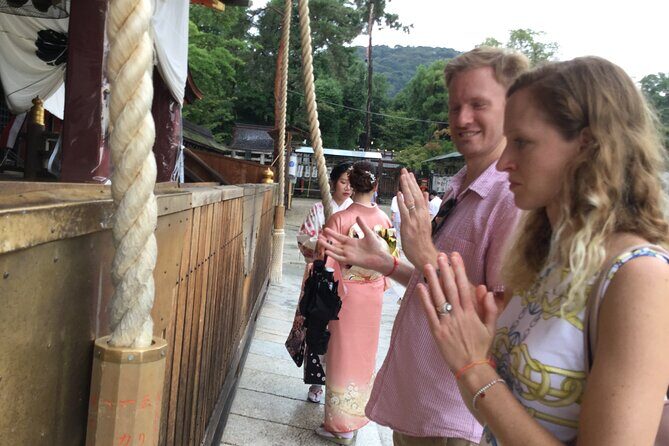
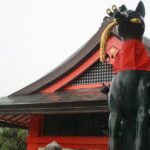
The tour also includes Fushimi Inari Taisha in the flow. This is a major visual draw in the area, but the key value for this tour is how it sets the scene for why you’re here: Fushimi is not just a brewery district—it’s Kyoto’s layered culture in one place.
Two Brewery Visits: Small-Scale vs Large-Scale Sake Production
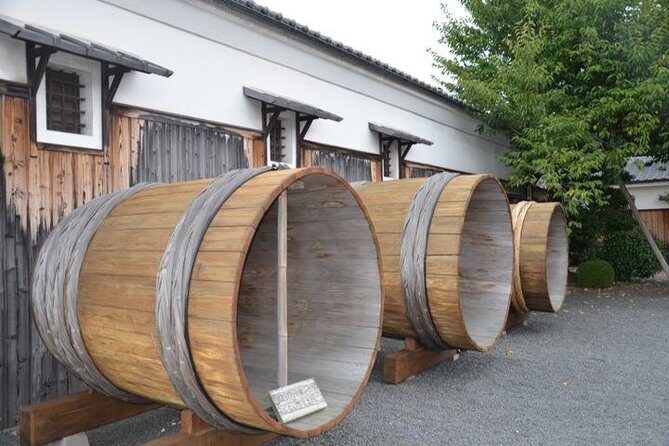
The heart of the experience is visiting both a smaller and a larger sake brewery. That contrast is more useful than you might think, because sake is one of those foods where people often imagine it’s all the same—until they see what changes with scale.
You also get the idea that production is not magic. You’ll learn what goes into the process of making rice wine, and you’ll get a chance to try sake and other produced items from the breweries you visit.
One important reality check: actual active brewing areas are inaccessible. So you won’t see every working step up close. Instead, you’ll see what the tour allows, and you’ll rely on the guide’s explanations and materials to fill in the rest.
This matters for your expectations. If you come for a behind-the-scenes factory tour, you might feel a little blocked. If you come for context plus tastings, this format works well.
The Gekkeikan Okura Sake Museum Since 1637
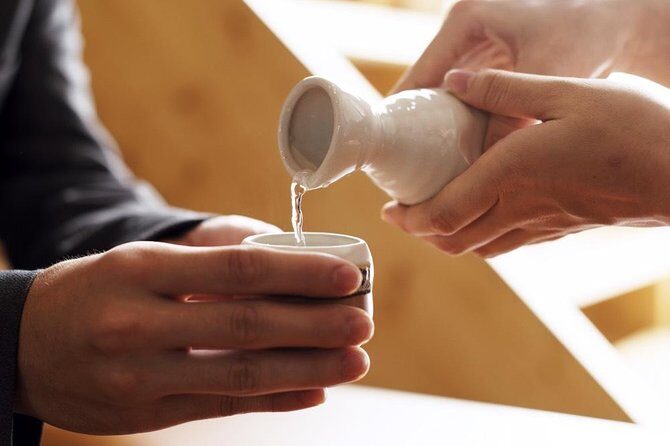
After the walk and brewery time, you head to the Gekkeikan Okura Sake Museum. The standout here is the framing: it’s designed so you can understand a brief history of Japanese sake and the techniques behind it—right before you and your taste buds are asked to pay attention.
Gekkeikan Okura has been making sake since 1637, and that long-run continuity is part of why the museum feels practical rather than purely decorative. It gives you a timeline for how techniques and traditions have been preserved, adapted, and explained.
Expect this to be a guided stop with a more structured explanation style. One consideration from real-world experience is that the guide may lean on printed or laminated materials during the brewing and history explanations. If you love interactive storytelling, you might prefer more back-and-forth. If you like clear visuals and a steady pace, that format can actually help you follow along.
Lunch With Yakitori Paired With Sake
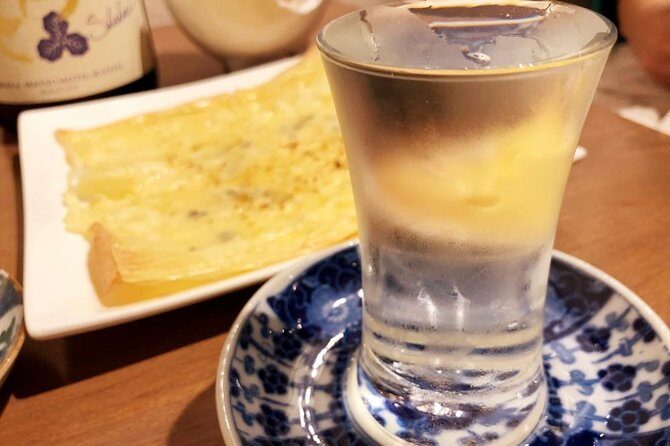
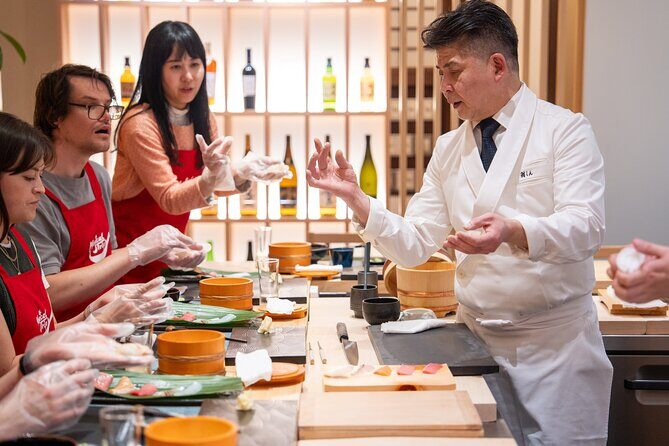
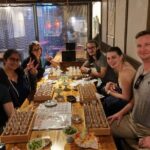
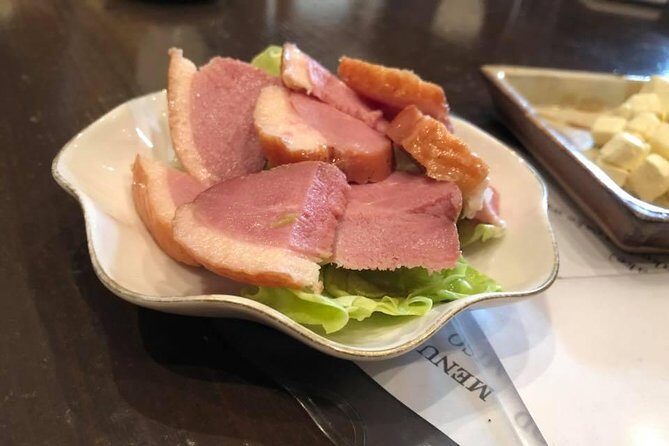
Lunch is included, and it’s not just a checkbox. You’ll eat a seasonal lunch in a local restaurant, and it’s paired with sake. The food you should expect is Yakitori paired with delicious sake, which is a classic match: savory char + crisp, varied sake profiles.
Why this pairing is valuable: it turns your tastings into something you can taste through. Instead of sipping sake in isolation, you learn how flavors shift when you add smoke, salt, and protein from the meal.
Lunch timing is also smart. It gives you a break after the first stretch of walking and brewery context, then keeps you energized for the museum section.
Diet notes: the tour is listed as vegan, vegetarian, pescetarian, gluten-free friendly. That doesn’t guarantee every course is identical to what others get, but it does mean you should be able to eat comfortably and not feel stuck on plain sides.



Sake Tastings: How to Sample Without Losing the Plot
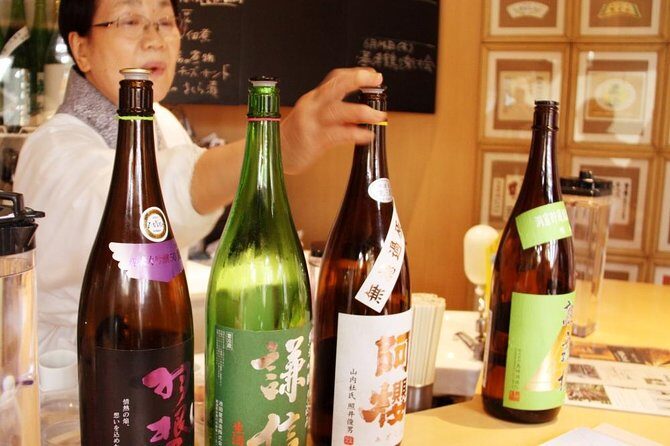
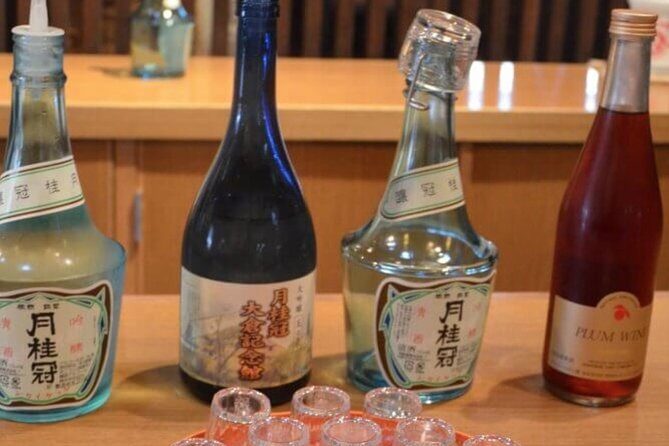
You’ll have several sake tastings across the tour. The best way to enjoy these tastings is to treat them like a mini course: start with the lighter, easier pours if they’re offered that way, and pay attention to how each one changes after lunch.
You’ll get the most out of the sampling if you connect taste to technique. That’s where the museum visit helps, because it gives you words for what you’re noticing—how rice wine changes with process decisions.
Also remember the rules: minimum drinking age is 21. If anyone in your group is under that age, they won’t be participating in sake drinking, so it’s worth planning accordingly.
And because this is a guided group experience, pace yourself. The goal isn’t to finish every glass—it’s to learn. A calmer pace makes the brewery explanations stick.
Price and Value: What $227 Covers in Real Terms
At $227 per person, this tour isn’t the cheapest thing in Kyoto. But the value comes from stacking several items that are usually separate on your own: multiple tastings, a museum visit, and a meal with sake pairing included.
You’re also getting a local English speaking guide, and the tour is capped at 10 travelers, which helps the experience stay conversational rather than like a lecture hall.
A good way to think about value: if you were to piece together tastings, a museum visit, and lunch (plus guide time), the cost would likely rise quickly—especially in a central area. Here, the cost bundles the planning into a short, guided half-day.
One more practical value point: the tour uses a mobile ticket and is near public transportation. That reduces hassle for you on the day-of.
Who This Kyoto Tour Fits Best (And Who Might Want Another Option)
I think this tour fits best if you:
- want a guided learning path for sake without needing to research everything yourself
- like small groups and a steady itinerary (about 3 hours)
- enjoy pairing food with drink and want that built in
It’s also a good fit for people who are new to sake. The museum and brewery contrast are designed to clear up the mystery for first-timers by connecting tasting to process.
Who might hesitate:
- If you’re expecting a full working brewery walk-through, remember active brewing areas are inaccessible.
- If you strongly prefer museum-style exhibits or hands-on brewing visuals, the explanation format may feel more classroom-like (including the laminated-sheet style mentioned in feedback).
That said, the walk around the Fushimi-Momoyama area helps make the day feel more like Kyoto than like a single indoor activity.
Practical Tips for a Smooth 11:00am Start
This tour includes a moderate walking rhythm, and the operator notes you should have a moderate physical fitness level. You won’t need hiking boots, but you should wear shoes you trust on sidewalks and temple-stair areas.
Weather matters. The tour requires good weather, and if it’s canceled due to poor conditions you’ll be offered a different date or a full refund. That’s worth taking seriously because the experience is partly outdoors as you move between points.
Finally, you don’t have hotel pickup. You’ll meet at Softbank in Otesuji Shotengai (near 4-chōme-291 Ryōgaemachi, Fushimi Ward) and finish around the Fushimi-Momoyama Station area. Plan to get there with public transportation.
Should You Book This Kyoto Sake Brewery Tour?
If you want a short, guided day that connects sake tasting with how sake is made, I’d say it’s a strong choice. The combo of two brewery visits, the Gekkeikan Okura Museum (since 1637), and lunch with Yakitori paired with sake is exactly the kind of “learning plus enjoying” format that makes tours worth it.
I’d book it especially if you’re traveling with only a half-day available and you don’t want to stitch together tastings, lunch, and museum stops on your own. The small group size and English-speaking guidance are big pluses.
I’d think twice only if your top priority is seeing active brewing areas up close. Since those working areas are inaccessible, you’ll get process education and tastings—not a full factory floor pass. If that matches your expectations, this tour can be a satisfying way to experience Kyoto’s sake world in one guided run.
FAQ
How long is the Kyoto sake brewery tour?
It lasts about 3 hours.
What time does the tour start?
The tour starts at 11:00 am.
What’s included in the price?
You get several sake tastings, a local lunch in a restaurant, and a local English-speaking guide.
Is lunch included, and what will I eat?
Yes. You’ll have a seasonal lunch at a local restaurant, and the lunch includes Yakitori paired with sake.
Is there an age limit for sake on this tour?
Yes. The minimum drinking age is 21 years old.
Can the tour accommodate dietary restrictions?
The tour is listed as vegan, vegetarian, pescetarian, and gluten-free friendly.
Are active brewing areas accessible during the brewery visits?
No. Actual active brewing areas are inaccessible.
How many people are in the group?
The tour has a maximum of 10 travelers.
If bad weather cancels the tour, what happens?
If it’s canceled due to poor weather, you’ll be offered a different date or a full refund. You also get free cancellation up to 24 hours before the start time for a full refund.