Katana practice meets quiet Zen in Kyoto.
This Kyoto Samurai Experience puts you inside a real samurai house (meet at Waraku111 in Nakagyo Ward) for a hands-on session that mixes etiquette, sword drills, and philosophy. I love that the setting feels like part of the lesson, not just a backdrop, and you get a kimono try-on before you step into training mode.
I also like the way the instruction blends Bushido ideas with what your body is doing—so you’re not just copying moves. After the sword basics, you’ll also take part in a Zen meditation session, which makes the whole experience feel balanced rather than all adrenaline.
One possible drawback: this is an athletic activity. You’ll want comfortable footwear and you should have a moderate fitness level, since you’ll be moving while wearing traditional clothing. If you prefer seated, low-movement experiences, this may not feel like the right fit.
In This Review
- Key Highlights I’d Prioritize
- A Samurai House in Kyoto Starts With Where You Stand
- Kimono Try-On: Fun, But Also Part of the Training
- Sword Basics and Bushido: The Mental Side of the Moves
- A note on intensity
- Zen Meditation After the Strikes (A Surprisingly Good Reset)
- The House Itself Makes the Lesson Stick
- Weather, Comfort, and the Small Things That Matter
- Price and Value: What $119.38 Buys in Real Life
- Who This Samurai Experience Is Best For
- Practical Tips Before You Go
- Should You Book Kyoto Samurai Experience?
- FAQ
- How long is the Kyoto Samurai Experience?
- Where is the meeting point for the tour?
- What time options are available?
- Is this a small group tour?
- Do I need to bring a physical ticket?
- Is the activity suitable for beginners?
- What fitness level do I need?
- What should I wear?
- Can children join?
- What is the cancellation policy?
Key Highlights I’d Prioritize
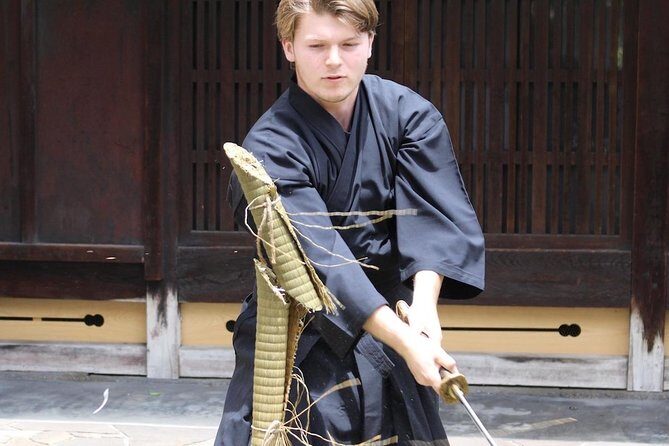
- Small-group size (max 14) keeps questions from getting lost and makes instruction more personal
- Kimono try-on adds a real sense of being inside the culture, not just watching it
- Hands-on sword basics with a martial arts training sword under an expert instructor’s guidance
- Bushido + Zen meditation gives the class a mental rhythm, not only physical drills
- Staff care on weather days (tea and warmth in cold, water and cooling help in heat, based on conditions)
A Samurai House in Kyoto Starts With Where You Stand
The biggest reason this experience works is also the simplest: you begin it in the right place. You meet at Kyoto Samurai Experience / Waraku111 (Inabachō, Nakagyo Ward, Kyoto), and from there the staff guide the flow as you enter the space like you’re stepping into a private lesson, not joining a big line of tourists.
The tour ends back at the meeting point, so you’re not left with a scattered itinerary or a long trek afterward. That matters in Kyoto, where the day can already feel like a moving jigsaw puzzle.
Also, the mobile ticket is a practical touch. Kyoto is busy, and anything that reduces friction at the start is a win.
A few more Kyoto tours and experiences worth a look


Kimono Try-On: Fun, But Also Part of the Training
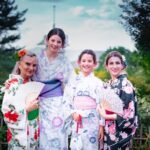
Changing into a kimono isn’t just a photo moment here. It sets the tone for the whole session. When you dress in traditional clothing, you instantly feel how samurai-era life involved discipline and restraint—how you move, how you sit, how you prepare.
Before sword practice, you’ll get guidance on the basics of what to wear and how to handle yourself. The staff also explain the session structure, so you’re not guessing what’s happening next.
Quick practical tip: bring or wear comfortable clothes underneath if you can, and plan on footwear that won’t slip. Even if you’re excited, your feet still need to be steady when you’re learning controlled movements.
Sword Basics and Bushido: The Mental Side of the Moves
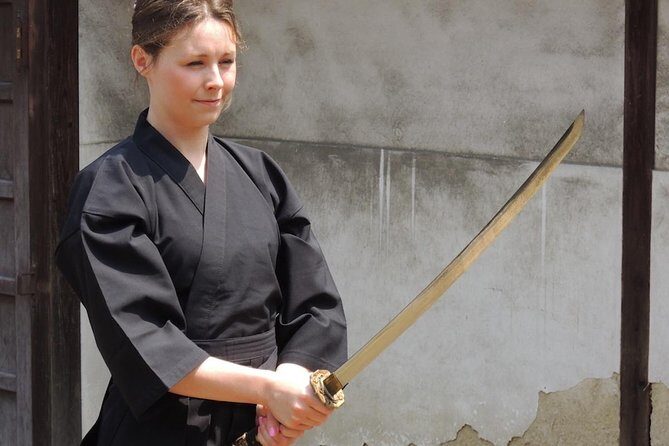
This is the core of the class: sword practice guided by an expert sword instructor, plus explanation of samurai philosophy. You’ll learn the ideas behind Bushido—the Way of the Warrior—then practice swordsmanship basics using a martial arts training sword.
What I like about this format is that it doesn’t treat sword training as pure showmanship. The instruction is meant to make the techniques understandable. You’re guided step-by-step, and you get time to ask questions and reset when you need it.
From the reviews, one of the strongest themes is patience and clarity: many people praised the instructor for teaching in a way that feels hands-on, supportive, and not rushed. That’s important, because sword work can intimidate first-timers. Here, the lesson is structured so you can actually follow along.
You also get a real sense of why Bushido isn’t just a slogan. The philosophy is presented alongside the practical side—how a warrior thinks, how they prepare, and how they stay calm while doing hard things.
A note on intensity
You’re not signing up for full martial arts sparring. But you are doing an athletic activity. If you have shoulder or balance issues, be upfront with the staff when you arrive, so they can guide you into the safest version of each drill.
Zen Meditation After the Strikes (A Surprisingly Good Reset)
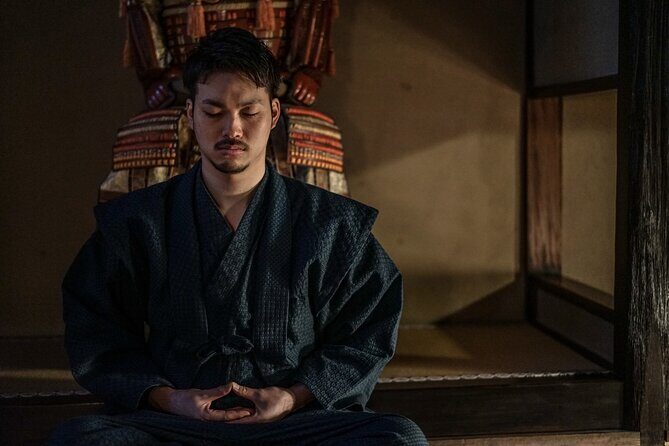
After sword basics, the session includes a Zen meditation moment. This part often becomes the unexpected favorite. It gives your brain a place to land after the physical work, and it turns the experience from entertainment into something more reflective.
Even if you’re skeptical about meditation, the format helps. You’re already thinking about control and discipline from the sword work. Meditation isn’t tacked on at the end—it feels like the next step in the same theme: steadiness.
Also, in cold or hot conditions, the staff tend to keep you comfortable during the session’s slower moments. Reviews mention things like hot tea and hand warmers on colder days, and on hot days there were water and cooling items while participants waited their turn. That kind of care makes the meditation and waiting parts feel less like downtime and more like a calm chapter.


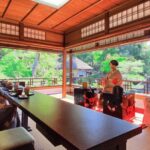

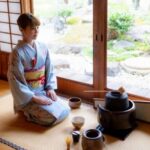

The House Itself Makes the Lesson Stick
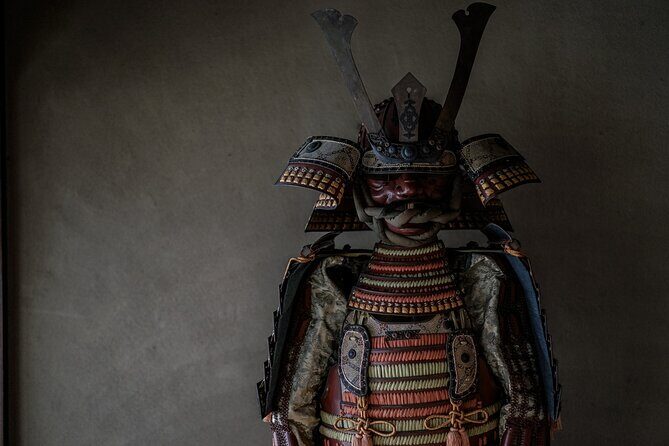
Some experiences sell you the idea of history. This one leans on reality. You’re taught inside a traditional samurai house environment, and that changes how the explanations land.
A historical house does two things at once:
1) It creates atmosphere without needing gimmicks.
2) It makes the cultural details feel grounded in place.
People praised the preserved samurai house setting, saying it added real authenticity. When the setting matches the content, you remember more. You also take better photos—yes, but not the shallow kind. Think better framing because you’re standing where the stories belong.
Depending on your day, you might also encounter small touches like music or traditional instruments performed by staff. One review mentioned an old drum and another mentioned a short traditional string instrument moment. Don’t count on it as a guaranteed feature, but if it happens, it’s a nice extra layer.
Weather, Comfort, and the Small Things That Matter
Kyoto weather can be tricky, and this experience is weather-aware. Reviews mention:
- Cold days: hand warmers and hot tea during an outdoor portion
- Hot days: water, wet cloths, and electrolyte candies while participants were watching their turns
That might sound minor, but it changes the experience a lot. Sword sessions depend on focus. If you’re freezing or overheated, you’ll rush. When the staff actively help you stay comfortable, you get better attention and better learning.
Another small, high-value detail: photos. Reviews mention staff taking photos and sharing them quickly. If you care about having solid shots without setting up your own camera every time, this is a practical plus.
Price and Value: What $119.38 Buys in Real Life
At $119.38 per person for about 1 hour 45 minutes, you’re paying for more than “a fun activity.” You’re paying for:
- a small-group setup (max 14)
- kimono time
- guided sword instruction with a training sword
- explanation of Bushido and a Zen meditation session
- use of a traditional samurai house setting
In Kyoto, a lot of paid experiences either give you time in a place or time with an instructor. This tries to give you both. That’s the value math: fewer people sharing attention, plus more instruction time per person, plus a setting that supports the theme.
Is it expensive compared to buying a ticket for a museum? Sure. But museums don’t teach you how posture and calm matter while holding a sword. If you want hands-on cultural immersion with guided structure, the price starts to make sense fast.
Who This Samurai Experience Is Best For
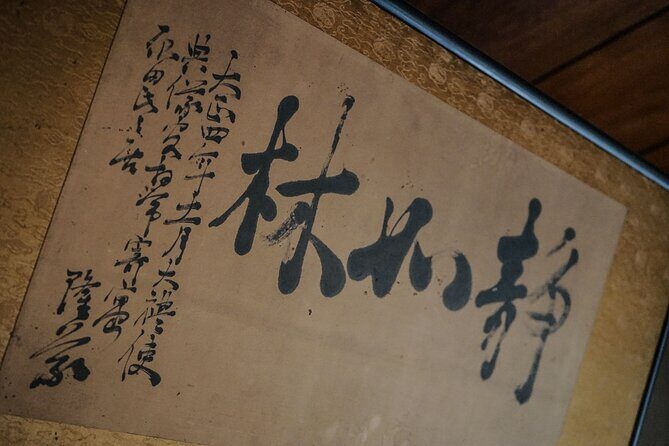
This is a great match if you want:
- a hands-on Kyoto cultural activity
- sword training basics without needing prior experience
- a calm ending with meditation instead of a hard stop
- a small group rather than a large crowd vibe
It also sounds like a solid choice for families, with reviews mentioning adult and child enjoyment. The rule is straightforward: minors must be accompanied by an adult.
You might want to skip (or at least think twice) if:
- you dislike athletic activities, even mild ones
- you’re unwilling to wear traditional clothing
- you have mobility or balance constraints and don’t want to risk awkward footwear or movement
Practical Tips Before You Go
A few simple moves can make this smoother:
- Wear comfortable clothes and appropriate footwear for an athletic activity. Even if it’s cold or rainy, don’t show up in shoes that slip.
- Plan to move while dressed in kimono-style clothing. Bring a calm mindset; the goal is learning, not perfection.
- Pick morning or afternoon based on your energy. The tour offers both, so choose the slot that fits when you’re most likely to stay focused.
- Show up ready to listen. The staff explain the structure, and the class flows best when you’re present.
Should You Book Kyoto Samurai Experience?
I’d book it if you want a Kyoto activity that combines place, instruction, and meaning. The best part isn’t the sword alone. It’s the pairing: sword basics plus Bushido thinking plus Zen meditation, all delivered in a small-group format inside a traditional samurai house.
I’d skip it if you’re mainly looking for passive sightseeing, or if athletic movement is a hard no for you. This is a doing experience.
If you’re on the fence, use this quick checklist:
Do you want to try a kimono, handle a martial arts training sword, and finish with Zen practice? If yes, this is one of the most direct ways to get that kind of Kyoto story in a short window.
FAQ
How long is the Kyoto Samurai Experience?
It lasts about 1 hour 45 minutes.
Where is the meeting point for the tour?
You meet at Kyoto Samurai Experience / Waraku111, Inabachō, Nakagyo Ward, Kyoto, 604-8803, Japan.
What time options are available?
You can choose either a morning or afternoon departure time.
Is this a small group tour?
Yes. The tour has a maximum of 14 travelers.
Do I need to bring a physical ticket?
No. You’ll receive a mobile ticket.
Is the activity suitable for beginners?
The session focuses on swordsmanship basics, so it’s designed to be approachable.
What fitness level do I need?
Travelers should have a moderate physical fitness level, since it’s an athletic activity.
What should I wear?
Wear comfortable clothes and appropriate footwear for an athletic activity.
Can children join?
Minors must be accompanied by an adult.
What is the cancellation policy?
You can cancel for free up to 24 hours in advance for a full refund. If you cancel less than 24 hours before the start time, the amount paid is not refunded.