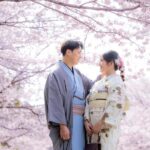
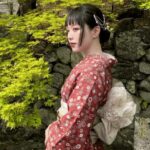
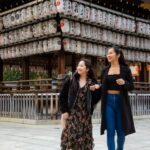
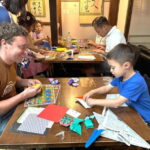
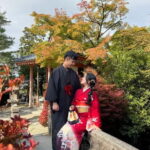
Kimono photos, minus the hassle. This private Kyoto street-shot session pairs a free original kimono rental with direction from female photographers, so you’re not wandering around Gion hoping the lighting lines up. I like that the team handles the whole flow, including kimono fitting and on-the-spot photo guidance. I also like the way they target seasonal moments (think cherry blossoms and autumn leaves) so your pictures feel like a specific day in Kyoto, not just generic travel snaps. One thing to plan around: the kimono rental is free for two people, but hair set and makeup cost extra, so the final price can creep up if you want a fully styled look.
What you get is simple and focused: a short itinerary through classic Higashiyama sights, quick shooting stops, and photo data delivered later. You’ll receive all the unmodified photos taken during the service time, then edited images are sent by email two to three weeks later. If you’re doing this during busy periods, do expect the route can shift due to weather or congestion, so build a little flexibility into your day.
In This Review
- Key highlights you’ll actually care about
- Price and time: is $235.33 per group good value?
- The free kimono rule: what’s included and what costs extra
- What the photographers do for you (and why that’s the point)
- Meeting in Higashiyama: show up early so you’re not rushing
- Stop 1: Gion Shirakawa street photos with seasonal timing
- Stop 2: Yasaka Shrine area for iconic Kyoto gate-and-street shots
- Stop 3: Maruyama Park for a calmer finish
- Photo delivery: unmodified files now, edited email later
- Weather, umbrellas, and route changes: how to keep the day working
- Taxis, entrance fees, and what you pay if you go off-script
- Price breakdown: where the money really goes
- Who this Kyoto street shot session is best for
- Should you book? My practical take
- FAQ
- Does the free kimono include hair and makeup?
- How many edited photos will I get, and when are they sent?
- Do I get the photos right away?
- What if it rains or the area is crowded?
- Is an umbrella included?
- Can I add more kimono people on site?
Key highlights you’ll actually care about
![[Kyoto Street Shot] Recording every wonderful moment of travel with shutter (free kimono experience) - Key highlights you’ll actually care about](https://kyotoguide.info/wp-content/uploads/2026/05/kyoto-street-shot-recording-every-wonderful-moment-of-travel-with-shutter-free-kimono-experience-1.jpg)
- Free kimono rental for up to 2 people (limited quantity), with add-on kimono possible on site from 4000 yen
- Female photographers who speak at least two languages, so you can communicate easily about poses and pacing
- Photo coverage includes all unmodified shots, plus edited images emailed 2–3 weeks later
- Route through Gion Shirakawa, Yasaka Shrine area, and Maruyama Park, with seasonal spot selection
- Weather and crowd adjustments are part of the plan, including possible changes to Shirakawa
Price and time: is $235.33 per group good value?
![[Kyoto Street Shot] Recording every wonderful moment of travel with shutter (free kimono experience) - Price and time: is $235.33 per group good value?](https://kyotoguide.info/wp-content/uploads/2026/05/kyoto-street-shot-recording-every-wonderful-moment-of-travel-with-shutter-free-kimono-experience-2.jpg)
The price is $235.33 per group for up to 6 people, and it’s a private activity, so you’re not sharing your kimono session and photo coaching with strangers. That matters in Kyoto, where a little extra personal attention can turn a chaotic photo day into something calm and doable.
Time is listed two ways, so here’s how I’d think about it: you’ll have about 1 hour for kimono dressing and about 1 hour shooting, but the overall duration is also listed as “about 1 hour.” In real life, I’d plan for a longer block than the “about 1 hour” label, because dressing takes real time and you’ll want time for transit and photos.
If you’re traveling as a small group (friends, siblings, a couple plus a helper), this is one of those “group math” deals. If you’re just two people, it can still be worth it, especially because you’re not just getting photos—you’re getting coached street photography in kimono, which is harder to manage on your own.
A few more Kyoto tours and experiences worth a look
The free kimono rule: what’s included and what costs extra
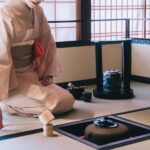
Here’s the key detail that changes everything: the kimono rental is free for 2 people, and the quantity is limited. You’ll likely need to pay for styling if you want the full look, because hair set and makeup are not included in the free kimono.
Based on the info provided:
- Hair set: 1800 yen per person
- Simple makeup: 3000 yen per person
- Full makeup: 5000 yen per person
So your total cost depends on how “ready for photos” you want to look. If you’re fine with a more minimal appearance, you can keep costs down. If you want that classic Kyoto photo finish, budget for hair and makeup.
You can also add kimono on site. The fee is situation-dependent, starting from 4000 yen. That’s helpful if you show up with a larger group than the included two-person free rental.
One more practical note: there’s no umbrella provided. If you’re going in shoulder season or spring rain, bring a rain cover you can use quickly.
What the photographers do for you (and why that’s the point)
![[Kyoto Street Shot] Recording every wonderful moment of travel with shutter (free kimono experience) - What the photographers do for you (and why that’s the point)](https://kyotoguide.info/wp-content/uploads/2026/05/kyoto-street-shot-recording-every-wonderful-moment-of-travel-with-shutter-free-kimono-experience.jpg)
This is not a “walk and hope” photo experience. The staff are female photographers, and they can speak at least two languages, which makes instructions feel easy rather than awkward.
From how the session is structured, you should expect:
- Kimono dressing support before you start shooting
- Photo direction during the walk (where to stand, how to angle, when to pause)
- Seasonal spot selection, so the pictures match the moment (not just the landmark)
And one thing that comes up clearly in the experience details: they bring you to nearby, recognizable places like Gion Shirakawa, Yasaka Shrine, and Maruyama Park. These are all areas where a good photographer can help you avoid the “everyone looks lost” problem. You get the rhythm: get dressed, move as a pair/group, shoot efficiently, then wrap up.
Meeting in Higashiyama: show up early so you’re not rushing
![[Kyoto Street Shot] Recording every wonderful moment of travel with shutter (free kimono experience) - Meeting in Higashiyama: show up early so you’re not rushing](https://kyotoguide.info/wp-content/uploads/2026/05/kyoto-street-shot-recording-every-wonderful-moment-of-travel-with-shutter-free-kimono-experience-4.jpg)
The meeting point is in Higashiyama Ward at Sueyoshichō, 90 in the Umebuila building area (and the end point is at the Yasaka Jinja Minami-romon Tower Gate area). It’s close to public transportation, which is helpful because Kyoto can be a walking city.
Timing is important: you should arrive at least one hour before kimono dressing. That isn’t “nice to have.” Kimono dressing needs time, and you don’t want your photo session to start late with everyone stressed.
Also, this is a private tour/activity, so you’ll only have your group. That usually makes the session feel smoother, especially if you need a moment to adjust hair or sleeves before shooting.
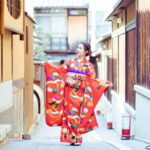
Stop 1: Gion Shirakawa street photos with seasonal timing
![[Kyoto Street Shot] Recording every wonderful moment of travel with shutter (free kimono experience) - Stop 1: Gion Shirakawa street photos with seasonal timing](https://kyotoguide.info/wp-content/uploads/2026/05/kyoto-street-shot-recording-every-wonderful-moment-of-travel-with-shutter-free-kimono-experience-5.jpg)
Your first stop is Gion Shirakawa, one of Kyoto’s most photogenic streetscape areas. The itinerary gives you about 20 minutes, and admission is listed as free.
Why this stop works:
- It’s a classic Kyoto scene, so your kimono instantly fits the setting.
- A photographer can time you for the right angle, instead of you fighting crowds and camera shake.
- It’s one of the places where seasonal color matters a lot, so the “seasonal spot” promise becomes real.
A heads-up: the route may change based on weather or congestion, and Shirakawa is specifically mentioned as a possible change example. If it’s packed, rainy, or visibility is poor, the team may shift where you shoot. That’s not a dealbreaker—it’s usually better than forcing photos in bad conditions.


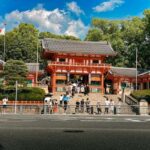
Stop 2: Yasaka Shrine area for iconic Kyoto gate-and-street shots
![[Kyoto Street Shot] Recording every wonderful moment of travel with shutter (free kimono experience) - Stop 2: Yasaka Shrine area for iconic Kyoto gate-and-street shots](https://kyotoguide.info/wp-content/uploads/2026/05/kyoto-street-shot-recording-every-wonderful-moment-of-travel-with-shutter-free-kimono-experience-6.jpg)
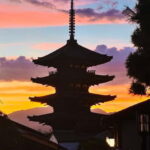
Next you’ll head to the Yasaka Shrine area, again with about 20 minutes and free admission listed for the stop.
This is the part of Kyoto where you’ll get photos that feel unmistakably Kyoto: shrine gates, traditional street views, and that “I’m really here” moment. Since the session includes guided shooting, you’re not just snapping at random. You can expect the photographer to position you so you’re not constantly competing with passing pedestrians.
Drawback to consider: Yasaka Shrine is a popular area. Even if entry fees are free for the stop, crowds can slow things down. That’s exactly why the session includes a flexible plan. When crowds spike, the photographer’s job becomes even more valuable: keep your session moving while still getting strong frames.
Stop 3: Maruyama Park for a calmer finish
![[Kyoto Street Shot] Recording every wonderful moment of travel with shutter (free kimono experience) - Stop 3: Maruyama Park for a calmer finish](https://kyotoguide.info/wp-content/uploads/2026/05/kyoto-street-shot-recording-every-wonderful-moment-of-travel-with-shutter-free-kimono-experience-7.jpg)
Your final photo stop is Maruyama Park, with about 10 minutes and free admission noted.
This stop is short on purpose. Think of it as your “final postcard shot” phase. Parks can give you visual breathing room after denser streets—more space for composition, a chance for portraits that aren’t immediately boxed in by buildings, and an easier walk pace to finish.
It’s also a good place to get a last look at seasonal details. If blossoms or autumn tones are out, this is where you can capture that softer background effect without spending half your day hunting for it.
Photo delivery: unmodified files now, edited email later
![[Kyoto Street Shot] Recording every wonderful moment of travel with shutter (free kimono experience) - Photo delivery: unmodified files now, edited email later](https://kyotoguide.info/wp-content/uploads/2026/05/kyoto-street-shot-recording-every-wonderful-moment-of-travel-with-shutter-free-kimono-experience-8.jpg)
Here’s what you should understand about the photo package before you book:
- You’ll receive all unmodified photos taken during the service time.
- The edited photo data is sent by email two to three weeks later.
This split is useful. Unmodified photos let you quickly review your session and pick favorites even if you’re traveling again soon. Then the edited set gives you the polished images you’ll want for sharing or printing.
One timing note from a rainy session: I’ve seen cases where the edited photos arrived faster than the listed window (around 3 days). That’s not guaranteed, but it does suggest their process can move quickly when everything’s ready.
Weather, umbrellas, and route changes: how to keep the day working
You’re in Japan, and the weather can flip fast. The experience explicitly says the shooting location may be changed depending on weather or congestion (with an example that includes Shirakawa).
So plan like this:
- Bring your own rain cover, since an umbrella isn’t provided.
- Keep your schedule flexible so you’re not mad if they swap a street or short stop.
- Wear layers you can manage under a kimono setup. You don’t want to fight sweat or cold while you’re trying to look relaxed for the camera.
If it’s truly pouring, the team can still shoot. Kimono photography in rain can look dramatic, but it takes care and timing. That’s where having photographers managing the whole flow is worth paying for.
Taxis, entrance fees, and what you pay if you go off-script
The session is described as sightseeing shooting. If you want to take a taxi or shoot at a place with an entrance fee, you’ll need to pay those costs yourself—including the photographer’s cost.
Also, this service is for sightseeing photography, not wedding photography. If your goal is something formal and event-based (wedding-style), this may not be the right fit.
In other words: if you’re happy with classic public-area Kyoto spots, you’ll keep costs predictable. If you want paid attractions or special locations, you should expect extra expenses.
Price breakdown: where the money really goes
At $235.33 per group (up to 6), you’re paying for:
- Kimono rental value (free for up to 2 people)
- A guided photo session with professional photographers
- Digital photo deliverables (unmodified + edited)
- A route through well-known Higashiyama sights
The biggest variable is styling. The kimono rental is only part of the cost equation because hair set and makeup are additional. If you want the full styled look, you’re basically buying convenience plus photo expertise plus a complete kimono presentation.
So, for best value:
- If you’re traveling in a group, split the base cost across multiple people.
- If you’re two people and you’ll do hair and makeup, this becomes a pretty straightforward “pay once, get the result” plan.
- If you only want basic photos and don’t care about glam styling, you can keep the extra costs smaller.
Who this Kyoto street shot session is best for
This is a strong match if you want:
- Photos that look like they belong in a Kyoto travel album
- Someone to handle the hard parts (kimono fitting, photo direction, timing)
- A short, focused experience that hits classic spots in Higashiyama
It’s also good for people who don’t want to manage camera settings or pose coaching themselves. Even if you’ve taken photos before, kimono photography adds friction. This experience removes that friction.
You might skip it if:
- You want a long, wander-at-your-own-pace photo day
- You don’t want any extra styling costs
- You’re extremely sensitive to route changes due to crowds or weather
Should you book? My practical take
If you like the idea of wearing a kimono in Gion Shirakawa and getting coached portraits in a short window, this is an easy yes. The value comes from the combination of kimono support, professional guidance, and clear photo deliverables. It’s the kind of experience that turns Kyoto photos from something you hope happens into something you can plan.
Just book with eyes open about two things: the free kimono is limited (and only covers 2 people), and hair/makeup costs extra. If that’s fine for your style, you’ll get a smooth, photo-focused day with minimal stress and better results than a solo attempt.
FAQ
Does the free kimono include hair and makeup?
No. The free kimono rental does not include hair set or makeup. Hair set is 1800 yen per person, simple makeup is 3000 yen per person, and full makeup is 5000 yen per person.
How many edited photos will I get, and when are they sent?
You’ll receive edited photo data by email two to three weeks later. The exact number of edited photos isn’t stated in the information provided.
Do I get the photos right away?
You’ll be provided with all unmodified photos taken during the service time. Edited photos are sent later by email.
What if it rains or the area is crowded?
The shooting location may be changed depending on weather or congestion. Shirakawa is specifically mentioned as a location that may change.
Is an umbrella included?
No. Umbrellas are not included.
Can I add more kimono people on site?
Yes. Kimono can be added on site. The fee depends on the situation and starts from 4000 yen.