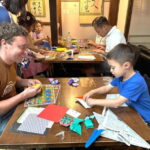
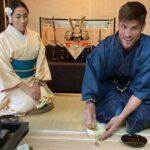
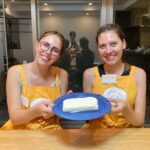
Peaceful crafting in Kyoto, one sweet at a time. This Nerikiri and matcha class in Kyoto teaches you step by step, so you can actually build the skills behind those tea-ceremony confections. You’ll learn Nerikiri shaping techniques, then make matcha table-style, and finally taste what you made.
I especially like the hands-on focus: you create five different Nerikiri designs instead of just doing one. I also like that the session feels calming and therapeutic while the instructor stays precise and organized. One thing to consider: this is a tight small group and it’s for participants only, with an age minimum of 10.
In This Review
- Key things to know before you go
- Why Nerikiri Is the Perfect Kyoto Skill to Learn
- Meeting at Matsugasaki Station: The Simple Start
- What You Do in 2 Hours 30 Minutes
- Nerikiri Dough and Tools: How You Learn by Doing
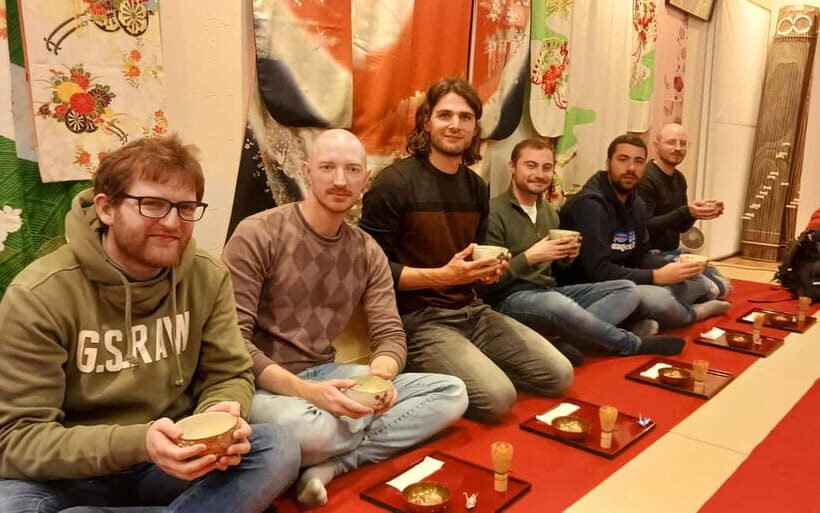
- Making Table-Style Matcha (Then Tasting It)
- Your Take-Home Box and the Recipe Email Option
- Small Group Size: Why It Feels Unrushed
- Price and Value: Is $84.92 Reasonable?
- Who Should Book This Class (and Who Might Not)
- Should You Book Nerikiri and Matcha Making with Nariko’s Kitchen?
- FAQ
- Where is the class meeting point in Kyoto?
- What time does the Nerikiri and matcha class start?
- How long is the experience?
- Is matcha included, or do I bring it?
- How many Nerikiri sweets will I make?
- Is the Nerikiri dough prepared during the class, or beforehand?
- Can I take the Nerikiri home?
- Is there an age requirement?
- What is the group size limit?
- Are spectators allowed to watch the class?
Key things to know before you go
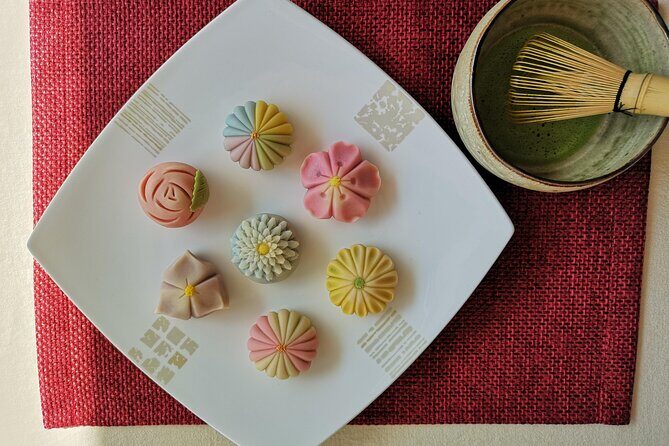
- Five Nerikiri designs: you practice shaping in multiple styles during one class
- Dough handled first: the instructor prepares the dough so you spend your time forming and learning
- Matcha table-style: you make and taste matcha as part of the same experience
- Small group size: limited to a maximum of 8 people, so you get real guidance
- Take-home container: you can bring leftover Nerikiri home
- Recipe follow-up: you can request two Nerikiri dough recipe versions by email
Why Nerikiri Is the Perfect Kyoto Skill to Learn
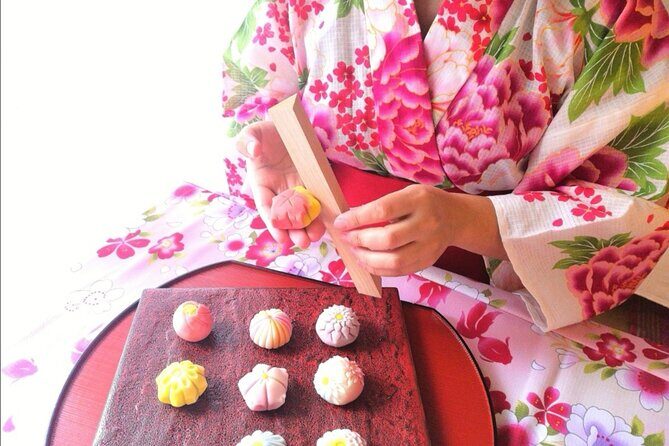
Nerikiri are Japanese sweets tied to the tea-ceremony world. They’re made mainly with sweet white bean paste and shaped into detailed designs. The best part for your own learning curve is that Nerikiri isn’t just about eating something pretty. It’s about hands, pressure, shaping, and using tools with intention.
In this class, you’re not stuck watching someone else work. You learn the process in a sequence: dough basics first, then shaping, then matcha and tasting. That pacing matters. If you’ve tried crafts on vacation before, you know how often classes jump straight to the artistic part without teaching the fundamentals. This one is set up to reduce that frustration.
Also, the tone here leans calm. The confections are delicate, and that kind of work does better when you slow down. The session is designed to be peaceful and therapeutic, not a race.
A few more Kyoto tours and experiences worth a look

Meeting at Matsugasaki Station: The Simple Start
You start at 10:00 am at Matsugasaki Station (Matsugasaki Rokunotsubocho, Sakyo Ward, Kyoto). The activity ends back at the meeting point, so you don’t have to map out a return plan after you’re done.
This start location is practical for Kyoto days. Matsugasaki is on public transport, so you can usually fit this into your schedule without building a whole separate transportation plan. You’ll get a mobile ticket, which makes day-of logistics easier.
What I’d plan for: arrive a few minutes early. When a class is small (max 8), getting settled fast helps the instructor get everyone working smoothly.
What You Do in 2 Hours 30 Minutes
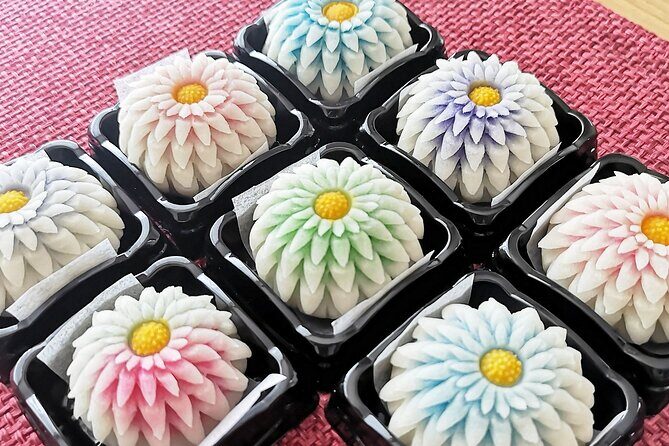
The full class runs about 2 hours 30 minutes. That’s a sweet spot. Long enough for real guidance and five finished Nerikiri designs, but not so long that you feel mentally drained.
Here’s the overall flow:
- Learn Nerikiri dough basics (with the instructor explaining how the dough works)
- Make five Nerikiri designs using different shaping techniques and tools
- Make matcha tea in a table-style setup
- Taste your matcha and Nerikiri
Because you’re doing both Nerikiri and matcha, you get a satisfying payoff: craft skill plus a cultural drink. And since you get to taste what you made, it’s not just a take-a-photo-and-leave moment.
Nerikiri Dough and Tools: How You Learn by Doing
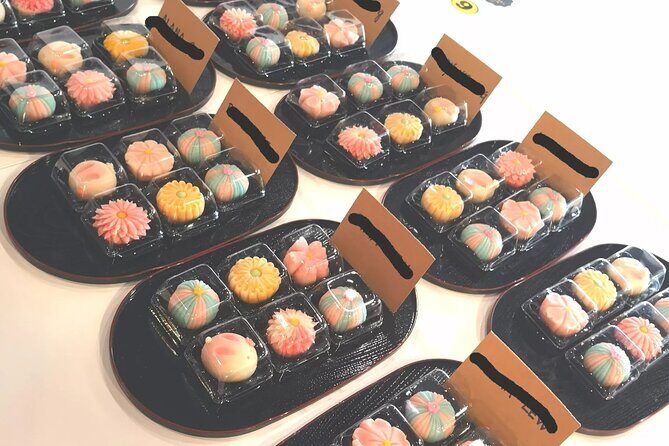
The instructor prepares the Nerikiri dough ahead of time. That’s a big deal for your experience. Instead of spending the class on dough prep, you get right to what you came for: shaping and technique.
You start with an explanation of how the dough is handled and shaped. The class then moves into your hands-on portion, where you create five designs. Each design is a chance to practice a different method.
You’ll also use various Nerikiri tools. Tools in Nerikiri aren’t just fancy accessories. They help you control edges, seams, and the kind of detail that makes these sweets look like small sculptures. When the instructor shows how to hold and use the tools, you’ll understand what to aim for—and what to avoid.
This is where the class earns its high marks. You learn delicacy without feeling helpless. The shaping is delicate, but it’s doable when someone is guiding you with clear, organized steps.
Practical tip: keep your expectations realistic. You’re learning a craft in one session. Your goal is progress and technique, not perfection like a professional wagashi artist. You’ll still end up with five sweet pieces you can take home.
Making Table-Style Matcha (Then Tasting It)
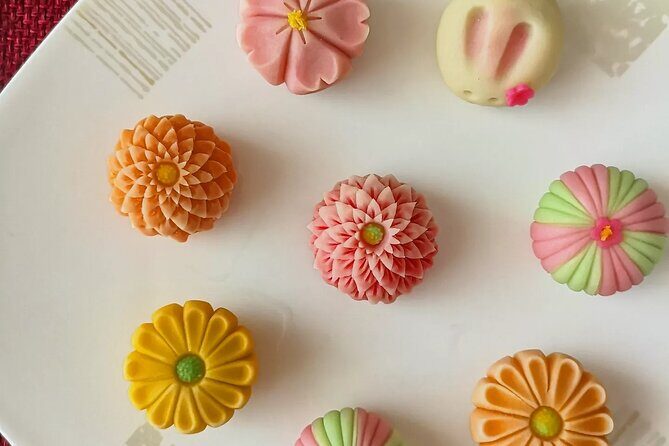
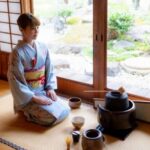
After the Nerikiri work, you shift to matcha. You’ll make matcha tea in a table-style format. That means you’re not just mixing in the abstract—you’re practicing the real motion at the table with the group.
This part adds balance. Nerikiri uses fine hand movements and concentration. Matcha is rhythm and focus too, just in a different way. By the time you taste, you’ll understand how the tea experience connects to the sweets.
Tasting matters here because it turns technique into context. When you eat what you made, you get a fuller sense of why Nerikiri are served in tea settings: the texture, the sweetness, and the pairing with matcha all work together.
And you don’t have to worry about bringing special gear. Matcha is included, and the class setup handles the tea portion.
A few more Kyoto tours and experiences worth a look



Your Take-Home Box and the Recipe Email Option
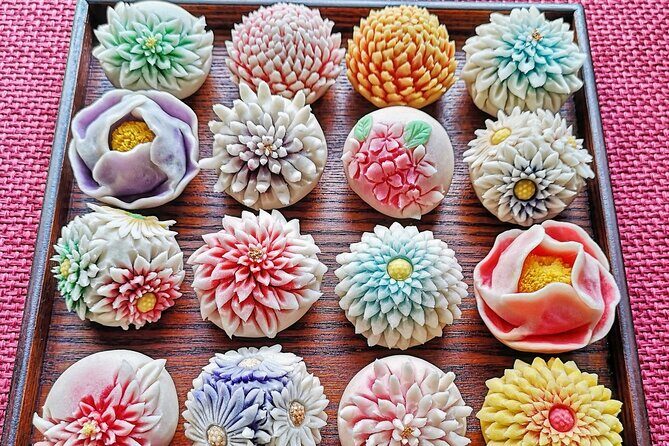
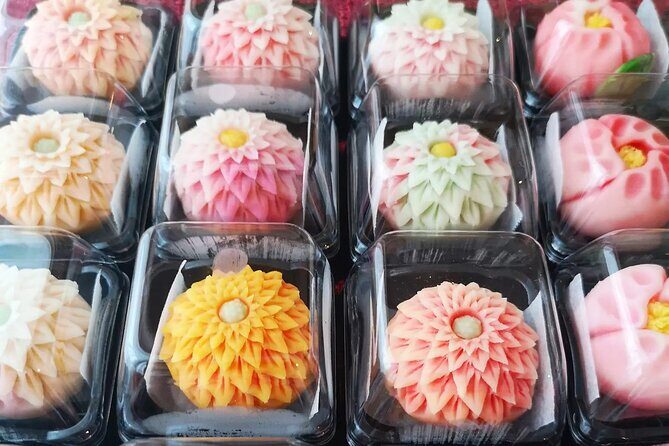
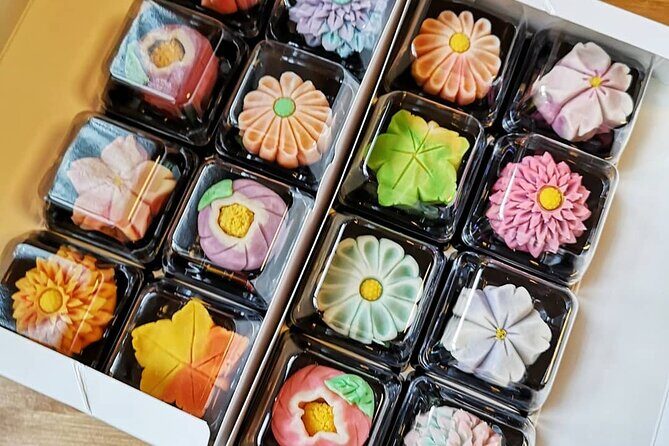
You’ll be able to take the rest of the Nerikiri home. A container is provided, which is convenient if you’re leaving Kyoto later in the day or want something sweet for tomorrow.
That take-home piece also explains why the class is worth it for many people. You’re paying not only for instructions, but for materials, tools, and the finished result. Five Nerikiri is a tangible return on your time.
There’s another helpful bonus: after the class, the instructor will send you two versions of Nerikiri dough recipes by email. To get them, you need to provide your email address. This matters if you want to keep practicing at home and not just collect a one-day souvenir.
Small Group Size: Why It Feels Unrushed
This class caps at 8 travelers. That small size changes the experience. You’re not competing for attention or guessing whether you’re doing something “right enough.” The instructor can watch your shaping and correct your technique before it hardens into bad habits.
It also supports the calm tone. Nerikiri work is easier when the room isn’t noisy or crowded. Many craft classes feel stressful because the pace is too fast. Here, you’re given time to learn.
If you’re the kind of person who likes structure with a gentle pace, this class fits well. If you’re looking for chaotic fun, this isn’t that. It’s focused, precise, and guided.
Price and Value: Is $84.92 Reasonable?
At $84.92 per person, it’s not a budget activity. But it’s also not “expensive just because Kyoto.” You’re paying for several concrete things that add up:
- Five Nerikiri included (not one token sample)
- Matcha included, including making it as part of the class
- Tools and instruction for multiple designs
- A take-home container so you actually leave with sweets
- A recipe follow-up via email with two dough versions
For many people, the value comes from the skill transfer. Even if your first attempt at Nerikiri at home isn’t perfect, you’ll have a starting point that matches how the instructor teaches. The class also covers both sides of the tea experience: sweets and matcha.
The duration is about 2 hours 30 minutes, so you get a real session rather than a quick demo. When you combine hands-on making with tasting and take-home results, the price can feel fair.
Who Should Book This Class (and Who Might Not)
This experience is best for you if you want a unique Kyoto activity that teaches real technique. It’s also a strong match if you like crafts that reward patience and careful handwork.
It’s especially good if you want:
- a relaxing session that still feels productive
- step-by-step shaping instruction for delicate sweets
- both a food craft and a tea moment in one package
- a take-home result you can share (or save)
Two practical constraints from the class details:
- You must be older than 10.
- It’s for participants only, so no spectators due to limited space.
If you’re traveling with someone who wants to watch without joining, this may not fit. In that case, plan your schedule so only the people taking the class are at the session.
Should You Book Nerikiri and Matcha Making with Nariko’s Kitchen?
If you enjoy learning by doing, I think you should book it. The combination of five Nerikiri designs, table-style matcha making, and a calm, organized teaching approach is a strong recipe for a satisfying class day.
I’d book this one if you want something more meaningful than a standard museum stop. You’ll come away with edible art, a better understanding of how Nerikiri shaping works, and matcha practice you can remember when you spot good matcha back home.
FAQ
Where is the class meeting point in Kyoto?
The class starts at Matsugasaki Station in Sakyo Ward, Kyoto (Matsugasaki Rokunotsubocho, Sakyo Ward, Kyoto, 606-0915, Japan).
What time does the Nerikiri and matcha class start?
The start time is 10:00 am.
How long is the experience?
It lasts about 2 hours 30 minutes.
Is matcha included, or do I bring it?
Matcha is included in the class, along with the Nerikiri.
How many Nerikiri sweets will I make?
You will learn to make five Nerikiri designs during the class.
Is the Nerikiri dough prepared during the class, or beforehand?
The instructor prepares the Nerikiri dough before the class. You’ll learn and shape the designs during the session.
Can I take the Nerikiri home?
Yes. A container is provided, and you can take the rest of the Nerikiri home.
Is there an age requirement?
Yes. Participants must be older than 10.
What is the group size limit?
The class has a maximum of 8 travelers.
Are spectators allowed to watch the class?
No. Only people participating in the class may attend due to limited space.