Kyoto clicks into place fast. This private Kyoto kickstart is built for first timers who want context, quick orientation, and a plan you can actually use, starting right at Shijo Bridge. You’ll cover major sights like Kennin-ji Temple and Yasaka Shrine, plus stops your host chooses along the way to help you understand where to go next and what to skip. Two things I especially like: the undivided attention of a local guide and the steady stream of practical local tips you can turn into a smarter itinerary immediately.
The main trade-off is time. At about 2 hours, the tour is an introduction, not a full day of temple-studying. It’s ideal if you want direction and less ideal if you’re hoping to linger deeply at just one place.
In This Review
- Key highlights at a glance
- Private, Not Cookie-Cutter: How This Kyoto Kickstart Works
- Starting at Shijo Bridge: Orientation in Your First 20 Minutes
- Kennin-ji Temple: A Zen Primer Without the Ticket Hassle
- Yasaka Shrine and the Big Kyoto Shrines: What to Look For
- Maruyama Park and Shijo Bridge Views: Kyoto at Street Level
- The Real Payoff: Local Tips You Can Use Right Away
- How Much It Costs and Why It Can Be Good Value
- Who This Tour Fits Best (and Who Might Want More Time)
- When to Book and What to Expect After
- Should You Book This Private City Kickstart Tour Kyoto?
- FAQ
- How long is the Kyoto private kickstart tour?
- Is this tour private?
- What’s included in the tour price?
- Do I need to pay for admission at the stops?
- What areas are on the route?
- Where do we meet and how does it end?
- Is food included?
- Do I get a ticket on my phone?
- What is the cancellation policy?
- Is the tour suitable for most people?
Key highlights at a glance
- Private 1:1 time with a local host for questions and route tailoring
- Free entry at Kennin-ji Temple and Yasaka Shrine during the short stops
- Route themes often include Gion vibes, Maruyama Park, and viewpoints from Shijo Bridge
- City orientation focused on where things are and how to plan efficiently
- A mobile ticket plus a simple meet-up near public transport
Private, Not Cookie-Cutter: How This Kyoto Kickstart Works
This is the kind of tour that makes a big difference on day one. Kyoto can feel like a puzzle—neighborhoods, shrine lanes, temple approaches, and streets that look similar until you’re suddenly lost. Instead of throwing you into a group walk with a fixed script, this experience pairs you with a local guide for a private route, so your pace and interests matter.
You’re not just getting a list of famous places. You’re getting help building a Kyoto “game plan.” The tour’s focus is city orientation: what each area is good for, how to move between highlights, and where tourist crowds can make things less enjoyable. That can save you from spending your limited time zig-zagging across the city.
And yes, you’ll see recognizable landmarks—but the real value is the “why” behind them. When a guide explains what you’re looking at and how the area developed, you start noticing patterns. For example, Kyoto’s major shrine/temple zones often connect to the city’s older street networks, and knowing that early helps you navigate without second-guessing every turn later.
You’ll also appreciate the private format for simple reasons: you can ask questions as you go. Want to know the best time for a specific temple? Curious about how far a walk really is? Need a rest stop idea? With only you and your guide, the answers come fast.
Other city tours we've reviewed in Kyoto


Starting at Shijo Bridge: Orientation in Your First 20 Minutes
Your tour starts at the meeting point near 四条大橋 (Shijo Bridge) in Shimogyo Ward (600-8012). That’s a smart anchor because it puts you in a central zone where multiple classic neighborhoods radiate outward. You’re also near public transportation, so if you’re arriving from elsewhere in Kyoto, you’re not fighting a complicated meetup.
In practical terms, this start helps you understand Kyoto’s layout early. Shijo Bridge is a recognizable reference point. Once you can mentally place it, you stop thinking of the city as a single huge mass of streets and start seeing it as connected areas.
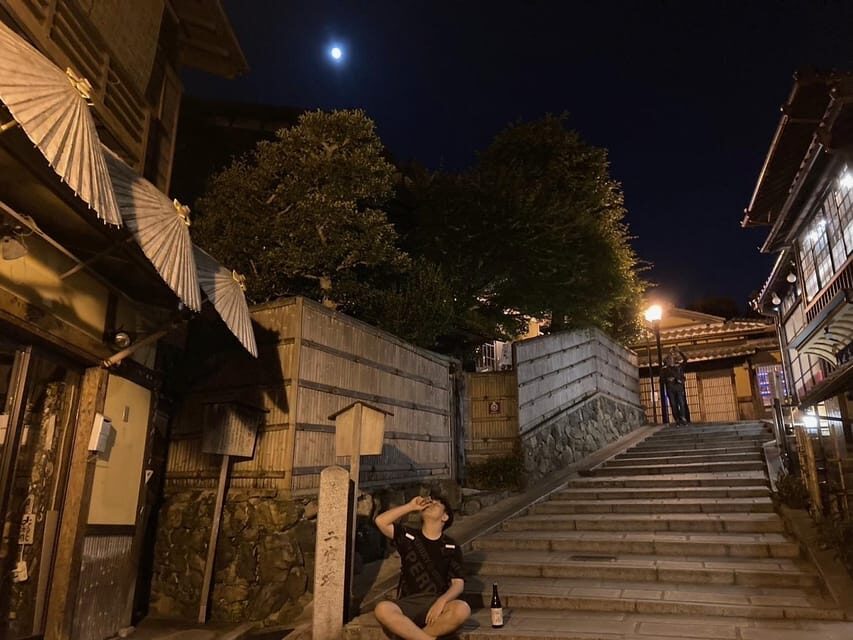
In many cases, your route can take you toward Gion as well. One guide example mentioned a walk that led through Gion and up to the entrance area for Kiyomizu-dera (even though the exact route can vary by host). Even if your particular itinerary differs, the goal stays the same: show you how these districts relate and what to consider next.
A subtle but important part of the first minutes: your guide may ask what you want from Kyoto. At least one guide, Maha, coordinated the tour based on guests’ wishes for their stay. That kind of question isn’t just “nice.” It directly changes what you see, how long you linger, and which advice you get afterward for the rest of your trip.
Kennin-ji Temple: A Zen Primer Without the Ticket Hassle
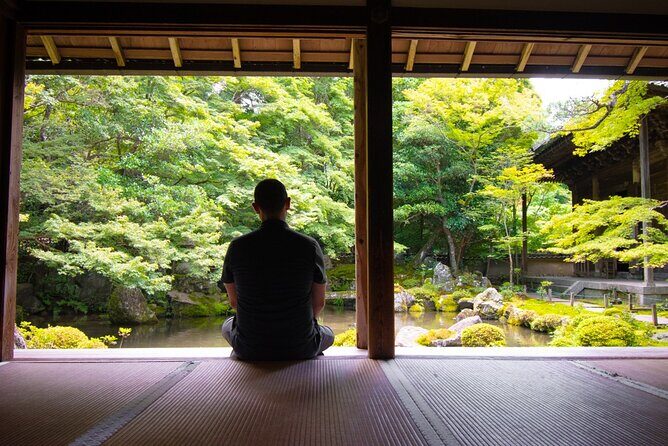
One of your stops is Kennin-ji Temple, a major Zen temple in Kyoto’s network of important Zen sites. It’s listed as one of the so-called Kyoto Gozan, the five most important Zen temples of Kyoto. Even if you’re not a temple-history person, it helps to start with a place that frames Kyoto’s religious and cultural roots.
The stop is short—about 15 minutes—and admission is free. That combination matters. Free entry means you can enjoy the atmosphere without budgeting extra time (or extra money) just to get through the gate. And the time limit keeps you from burning the most valuable part of your tour on one location.
What should you do with a short temple visit? Treat it like orientation for your senses:
- Look at how the entrance/approach sets the mood.
- Notice the layout cues that help you spot temple spaces quickly later.
- Pay attention to what your guide says about the temple’s role in Kyoto’s broader Zen tradition.
Because the tour is private, you can ask a question like what kind of vibe you should expect from other Zen temples on your own. Or you can ask how to handle the timing if you’re planning to return later. With only you and the guide, you won’t get a rushed answer between group members.
Also, this stop is a good reminder that Kyoto isn’t only about the “big ticket” photo sites. A strong intro includes the quieter, older layers too.
Yasaka Shrine and the Big Kyoto Shrines: What to Look For
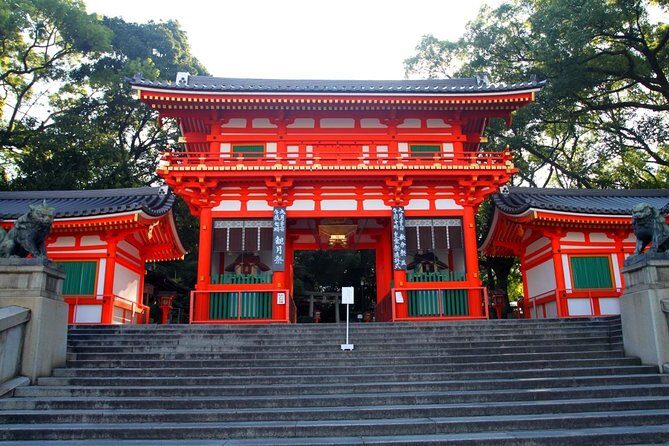
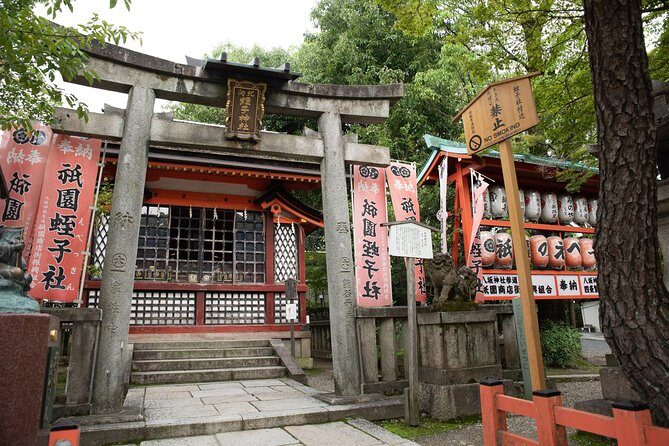
Next comes Yasaka Shrine, one of Kyoto’s famous shrines with origins said to go back over 1,350 years. This is the kind of stop that helps you understand how Kyoto’s spiritual landmarks sit inside everyday city life—not off in a remote corner.
Again, admission is free, and the stop is also about 15 minutes. That’s the same logic as Kennin-ji: a quick, meaningful stop that gives you context without turning the whole experience into one temple marathon.
At a place like Yasaka Shrine, what often surprises first-timers is how much there is to notice beyond the main hall. You’ll likely encounter small details—stonework, pathways, and shrine architecture cues—that help you “read” other shrine spaces later. Your guide can also help you understand what to observe and what not to overthink.
A helpful approach for you: don’t force yourself to memorize details in a short stop. Instead, use the guide to build a mental checklist:
- What does the shrine’s setting tell you about the surrounding district?
- What elements are most distinctive here compared with other shrines?
- What would be a smart next step if you want more shrine time later?
Since your host may connect this day with nearby areas like Gion (depending on the route), Yasaka Shrine can also function as a bridge into the neighborhood vibe—where you’ll start seeing how Kyoto’s iconic streets and shrine zones feed into each other.
Maruyama Park and Shijo Bridge Views: Kyoto at Street Level
One of the tour’s highlighted experiences is views from Shijo Bridge, plus a stop that may include Maruyama Park. These aren’t just “pretty add-ons.” They’re how you learn Kyoto’s scale and street rhythms.
Why do I like these parts? Because they show you Kyoto in motion. Temples and shrines give you history and symbolism. Viewpoints and parks help you understand geography—where hills sit, how neighborhoods spread, and how far you’ll really walk between points.
Maruyama Park is often a useful stop because it’s a “breather” from the temple/shrine intensity. It can also help you learn how Kyoto’s public spaces fit into the tourist routes. You get a sense of the flow of people—when it feels calm, when it feels busy, and what that means for your timing later.
Shijo Bridge viewpoints are a great way to re-anchor your navigation. When you start the tour at Shijo Bridge and later see views there again (depending on your host’s route), you’re not just sightseeing—you’re building a map in your head. That’s exactly what a kickstart tour should do.
Other private tours in Kyoto



The Real Payoff: Local Tips You Can Use Right Away
This tour’s promise isn’t only about sights. It’s about practical guidance—things that make your next days smoother.
Here’s what I think you’ll get most value from:
- Which tourist traps to bypass. Not because tourists are bad, but because crowds can swallow your time and energy.
- Off-the-beaten-track site suggestions. These are the locations that help Kyoto feel more personal, even if you’re still visiting classic areas.
- A clearer plan for after the tour. In one guide example, Ted helped plan itineraries for the rest of the stay. That kind of forward planning is where this experience justifies itself.
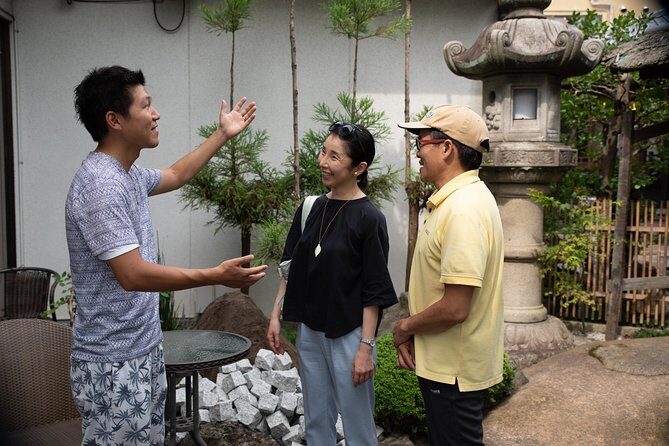
One guide example also mentioned Shohei sharing lots of Kyoto and Japan tidbits that you can’t get from guidebooks. That’s the spirit to watch for: advice tied to what you see right now. If you’re standing somewhere and your guide explains how people used to move through that area, or what timing works best, you’re getting information that changes your decisions immediately.
Also, private means you can ask follow-up questions. If you’re interested in a specific kind of experience—more shrines, more neighborhoods, more viewpoints—your guide can steer you and then give you a realistic next-day plan.
You’ll leave with a better sense of how much walking to expect, where the clusters are, and how to structure your time so you’re not just reacting to crowds.
How Much It Costs and Why It Can Be Good Value
The price is $93.70 per person for a tour of about 2 hours, with a private local guide. At first glance, it’s not “cheap.” But for Kyoto, short private orientation can be good value if it prevents you from making expensive mistakes with your limited time.
Think of it this way: if you use the tour to avoid one bad scheduling choice—like choosing a time for a popular area that’s overcrowded—or if it helps you design a day that runs smoothly end-to-end, it can pay you back in comfort and time.
A private guide also saves mental energy. Kyoto navigation can get exhausting. Instead of spending your first day translating train maps and guessing which areas connect best, you get a simple starting structure. That’s worth something.
One extra detail: the listing notes group discounts. Since this is described as private (only you and your guide), that discount likely matters most if you’re booking with someone else in your group. If you’re traveling with a friend or family member, the per-person cost advantage can improve.
Finally, the tour includes local tips and tricks plus city orientation. Those are exactly the ingredients that help you get more out of every ticket you buy later.
Who This Tour Fits Best (and Who Might Want More Time)
This tour fits best if you:
- Have only a day or two in Kyoto and want direction fast.
- Like asking questions in real time.
- Want a route that adapts to your interests rather than a group schedule.
- Prefer short, meaningful stops over long, exhausting walks.
It might not fit as well if you:
- Want deep time at one major site (15 minutes goes quickly).
- Are happy wandering with minimal guidance and no planning help.
- Expect a full day of temple visits. This is a kickstart, not a replacement for longer sightseeing days.
That said, it’s a smart first step even if you later book other tours or plan solo days. The knowledge you gain here helps you decide where to spend your most energetic hours.
When to Book and What to Expect After
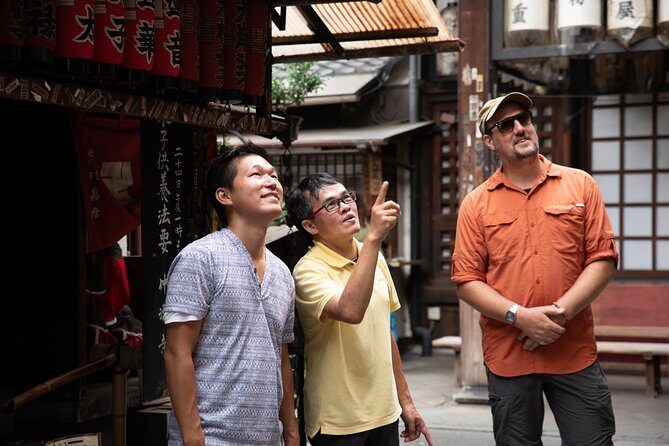
You’re booking with Withlocals, and confirmation is received at booking time. The tour uses a mobile ticket, and the meeting point is near public transportation at Shijo Bridge area. The experience ends back at the meeting point, so you’re not stuck figuring out how to get home from the far end of a walk.
Because it’s a private tour for only you and your local guide, your time feels focused. You’re not competing with other people’s schedules or dealing with the “slowest walker in the group” effect.
If you’re traveling during peak periods, consider booking early. The average booking window is about 22 days in advance, which is a hint that popular dates can go quickly.
If you want maximum usefulness from the tour, come with at least one or two interests in mind—shrines vs. temples, neighborhoods vs. viewpoints, photos vs. atmosphere—and be ready to ask questions. Your guide can turn that into a route you’ll actually enjoy.
Should You Book This Private City Kickstart Tour Kyoto?
If you’re a first-time visitor and you want Kyoto to feel understandable quickly, I’d say yes. The combination of private time, free temple/shrine stops like Kennin-ji and Yasaka Shrine, and practical planning advice makes this a solid foundation.
I’d skip it only if you already have a tight itinerary built and you don’t care about route coaching. Also, if you want long time at fewer sites, you’ll likely feel the 2-hour structure is too short.
For most people, though, this is a smart way to start: you get oriented, you see a few key highlights, and you leave with a better plan for the rest of Kyoto.
FAQ
How long is the Kyoto private kickstart tour?
It’s about 2 hours.
Is this tour private?
Yes. It’s described as a private tour with only you and your local guide.
What’s included in the tour price?
The tour includes a private tour, a local guide, local tips and tricks, and city orientation.
Do I need to pay for admission at the stops?
Kennin-ji Temple and Yasaka Shrine are listed with free admission for the tour stops.
What areas are on the route?
The tour highlights include Kennin-ji Temple, Maruyama Park, Yasaka Shrine, and views from Shijo Bridge. The exact route can vary by your host.
Where do we meet and how does it end?
The tour starts at 四条大橋 (Shijo Bridge) in Kyoto and ends back at the meeting point.
Is food included?
Food and beverages are not listed as included.
Do I get a ticket on my phone?
Yes, the tour is listed as having a mobile ticket.
What is the cancellation policy?
You can cancel for a full refund up to 24 hours in advance. If you cancel less than 24 hours before the start time, the amount paid is not refunded.
Is the tour suitable for most people?
It says most travelers can participate.