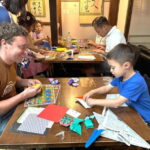
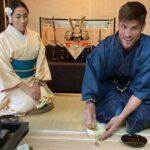
Udon starts as flour and water. In this private cooking class, you’ll learn to make handmade udon in a restored traditional Kyomachiya style house right near Nishi Honganji Temple. Expect a hands-on noodle lesson, then you’ll eat what you made in the same Kyoto setting.
What I like most is that you do the real work of hands-on udon making (stretching, knife-cutting, and shaping), while the instructor keeps the boiling step teacher-only so it stays smooth and kid-friendly. I also like the teaching style—locals such as Tanaka San (with assistance from family) explain in clear English and keep everyone comfortable, from kids to adults.
One thing to plan for: the class is about 1 hour, but you should allow extra time to eat and relax after, since the meal part matters. Also, the experience requires good weather, so consider having a flexible plan for rain on your Kyoto day.
In This Review
- Key things to know before you book
- A 130-year Kyoto house for handmade udon
- Meet at Momijichō: how to get there on time
- Your udon-making flow: salt water, footsteps, and the knife-cut
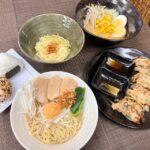
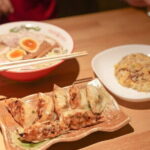
- Lunch with your noodles: tempura, dashi, ginger, and toppings
- Why the teaching feels Kyoto, not just a cooking demo
- Who this private udon class fits best
- Price and value for a 12:00 private class near Kyoto Station
- Should you book this private udon class in Kyoto?
- FAQ
- How long is the private udon cooking class?
- What’s included in the $60.43 price?
- Do I make the tempura and udon broth too?
- Where is the meeting point?
- What time does the class start?
- Is this private or shared with other groups?
- When will I get confirmation after booking, and is cancellation refundable?
Key things to know before you book

- A 120-year-old classroom in a working Kyomachiya house that feels like old Kyoto, with antique furniture and traditional music
- You make the noodles from scratch, including stretching and knife-cutting, but you do not boil them
- A private format means your group cooks and eats together with no shared class crowd
- Lunch is built in with a tempura set plus dipping broth and toppings to dress your udon
- You get a recipe to cook again at home, so the class doesn’t end when you leave Kyoto
A 130-year Kyoto house for handmade udon

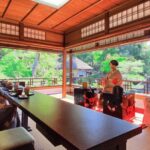
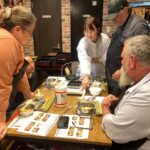
This is the kind of experience that works because it’s simple: you learn udon by doing it, then you eat it right away. The location helps. The class takes place in a beautifully restored traditional Japanese house dating back about 130 years, set up as a teaching space inside a Kyoto Kyomachiya-style home.
What you feel walking in is part of the value. Antique furniture and older artifacts fill the rooms, and there’s traditional music in the background. It’s not a museum show. It’s a working classroom in an old house, so the setting helps you focus on the food instead of just watching.
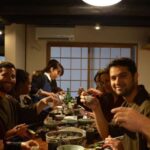
You’ll also get local instruction. The teachers are based in Kyoto and bring that practical, everyday knowledge that food classes sometimes miss. In this case, they guide you through the process at a pace that suits a mixed group—kids, teens, and even multigenerational families.
Other private tours in Kyoto

Meet at Momijichō: how to get there on time

The meeting point is at 364 Momijichō, Shimogyo Ward, Kyoto, 600-8345, Japan, starting at 12:00 pm. The activity ends back at the meeting point.
Location is a real advantage here. You’re about a 12-minute walk from Kyoto Station and around a 2-minute walk from Nishi Honganji Temple. That matters because it keeps the day from turning into a timing puzzle. If you’re arriving from Osaka or another city, you can often get to this area quickly.
A few practical tips to make it easy:
- Aim to arrive 5–10 minutes early so you can settle in before the lesson starts.
- If you’re using transit, give yourself a little buffer for walking time around Kyoto Station.
- Bring what you need for comfort. You’ll be working at a table and likely changing textures (flour on hands is normal).
Your ticket is mobile, so have it ready on your phone.
Your udon-making flow: salt water, footsteps, and the knife-cut

This lesson is structured as a step-by-step noodle process, and it’s the heart of the experience. Your class follows a clear sequence: making saltwater, rinsing, “footsteps” (a tactile kneading step), maturing/resting, stretching the dough like fabric, then the knife cut before boiling.
Here’s what that means for you, in plain terms:
- Making saltwater
You start by preparing the salty water that affects dough texture and flavor. This is where the class begins feeling like cooking, not just mixing.
- Rinse the water
You work with water in a way that prepares the dough. The teacher keeps it methodical so you don’t need to guess.
- Footsteps
Yes, it’s kneading done with your body (not just your hands). It’s a fun moment and also why this class is such a good fit for families. Kids can participate without being stuck on “watch only.”
- Mature (rest)
Resting is essential. It helps the dough develop the right feel for stretching.
- Stretch the fabric
This part teaches technique. When the dough stretches cleanly, you understand why udon is udon.
- Knife cut
The cut is where you see the noodles become real. It’s also the point that makes you feel capable afterward, since you did it yourself.
- It’s boiling
Here’s a key detail: you don’t boil the udon. The teachers handle the boiling and timing so the noodles come out properly.
That last point is a big deal for comfort. It keeps the class on schedule and it keeps things child-friendly. One of the best reviews-style takeaways from the experience is that you can participate fully without needing to manage hot surfaces.
Also, you don’t need to make tempura as part of the noodle steps. The meals come as a separate set.
Lunch with your noodles: tempura, dashi, ginger, and toppings

After you finish your noodle work, the next part is eating—because food lessons should end with actual food in front of you. You’ll relax and enjoy what you made in a Kyomachiya-style dining setup.
The meal structure is straightforward:
- Your freshly made udon is served after the teachers complete the boiling.
- A tempura set comes with the meal (vegetable tempura is typical).
- You also get condiments and toppings such as grated ginger and minced green onion.
- There’s dashi for dipping (and the udon comes with sauce or broth components depending on the meal setup).
This matters for value. Many cooking classes teach technique but leave you eating something else. Here, the noodles you cut become lunch.
One more practical perk: you can take the udon process home. The class provides a recipe so you can recreate the flavor and steps later, not just remember what you did.
Why the teaching feels Kyoto, not just a cooking demo

Cooking classes often fall into two categories: either you follow directions in a modern kitchen, or you watch someone perform while you take a few photos. This class lands in between—in a good way.
The setting helps you slow down. The house is traditional, and the antique furnishings and older artifacts create a “this is how it used to be” atmosphere. Traditional music in the background adds to the tone without turning it into a performance.
Then there’s the teaching style. The instructors (Kyoto locals) explain in English and are patient about steps. Names you may hear during your class include Tanaka San, and assistants from the family often support the process. In some sessions, the energy includes fun elements like learning an udon dance, which sounds silly until you experience how it keeps the lesson light and memorable.
You may also get short context about udon itself—some explanations touch on how udon originated (including references to origins in China). You don’t need a textbook. You just leave with a little perspective that makes your meal taste more meaningful.
In short, you’re not just learning a recipe. You’re learning how people think about noodle texture, timing, and dough handling in a Kyoto kitchen environment.
Other cooking classes in Kyoto


Who this private udon class fits best

This is one of those rare food experiences that works for a wide age range.
It’s especially good if:
- You’re traveling with kids and want them to do real tasks (stretching, kneading steps, cutting noodles).
- Your group includes mixed ages—some reviews include everything from younger children to teens and older adults.
- You want something more hands-on than typical sightseeing, without needing advanced cooking skills.
- You’d like a skill you can repeat at home with the recipe provided.
Because it’s private, you also get less pressure. Your group cooks together with your own instructor attention instead of sharing one class space with strangers.
One more reason it works: the boiling step is teacher-only. That’s safer and it keeps the class moving. It also means the core learning stays focused on technique, not on heat management.
Price and value for a 12:00 private class near Kyoto Station

The price is $60.43 per person for a private cooking class, with an approximate 1 hour session. In reality, plan for more time because the experience includes eating and time to settle in afterward—some groups stay longer after the meal.
So is it worth it? For most people, the value comes from three bundled items:
- Handmade noodles you actually cut and shape yourself
- Lunch included with your udon plus tempura and broth/toppings
- A recipe so you can cook again later
If you’re comparing this to paying for udon meals plus a cooking activity separately, the math often improves because lunch is part of the lesson. And since it’s private, you’re not paying for shared attention—your group is the group.
One logistical note: this class tends to get booked ahead. On average, it’s typically reserved about 16 days in advance, so if you have a specific date in mind, book earlier rather than later.
Should you book this private udon class in Kyoto?

I’d book it if you want a practical, hands-on Kyoto food experience with lunch built in. The mix of a traditional 130-year-old home setting, step-by-step noodle teaching, and a meal that’s tied directly to your work makes this feel satisfying. It’s also friendly for families because you can participate without dealing with the boiling part.
Skip or reconsider if:
- You only want a quick food stop and don’t care about technique.
- Your schedule is tight and you can’t spare extra time beyond the “about 1 hour” class window.
- Rain is likely on your day and you don’t want to deal with a weather requirement.
If you’re the type of traveler who likes learning something you can repeat at home, this is an easy yes.
FAQ
How long is the private udon cooking class?
It runs for about 1 hour (approx.), and you should also allow extra time for the meal afterward.
What’s included in the $60.43 price?
You’ll make handmade udon in a private setting, and after the class you’ll eat a meal that includes a tempura set along with your udon.
Do I make the tempura and udon broth too?
No. The tempura is provided as a separate set, and you don’t boil the udon yourself.
Where is the meeting point?
The meeting point is 364 Momijichō, Shimogyo Ward, Kyoto, 600-8345, Japan. The class ends back at the same location.
What time does the class start?
The start time is 12:00 pm.
Is this private or shared with other groups?
It’s private. Only your group participates.
When will I get confirmation after booking, and is cancellation refundable?
You’ll receive confirmation within 48 hours of booking (subject to availability). Cancellation is free up to 24 hours in advance for a full refund.