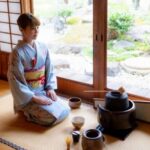
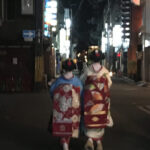
A geiko dinner feels like time travel. I love the Gion walking tour with an English-speaking guide (many people mention Mia or Miyah), and I also love the one-on-one conversation part with a maiko or geiko during dinner. It’s a rare look at Kyoto etiquette and storytelling you won’t get from a quick stop-in photo.
The big thing to consider is the food. This experience centers on a set kaiseki meal (and it may be very traditional and seafood-forward), and while you can advise dietary needs at booking, the menu may not be easy to swap.
In This Review
- Key Things I’d Prioritize
- Starting at 5:00 pm: Minamiza Kabuki Theatre to Gion
- The Gion Walk: what you’ll actually notice on the streets
- Kaiseki Dinner in a Private Setting: what the meal experience feels like
- The Geiko or Maiko Moment: conversation, music, and dance
- Drinks, tea house style, and the 20+ rule
- Guide Impact: why Mia/Miyah are getting named again and again
- Price and value: is $381.49 per person worth it?
- Food reality check: kaiseki can be amazing or a mismatch
- Who this is best for (and who should think twice)
- Should you book Private Dinner with a Geisha?
- FAQ
- Where does the tour start?
- How long is the experience?
- What is included in the price?
- Does the private tea house option include drinks?
- Is this experience suitable for children?
- Can I get a refund if I cancel?
Key Things I’d Prioritize
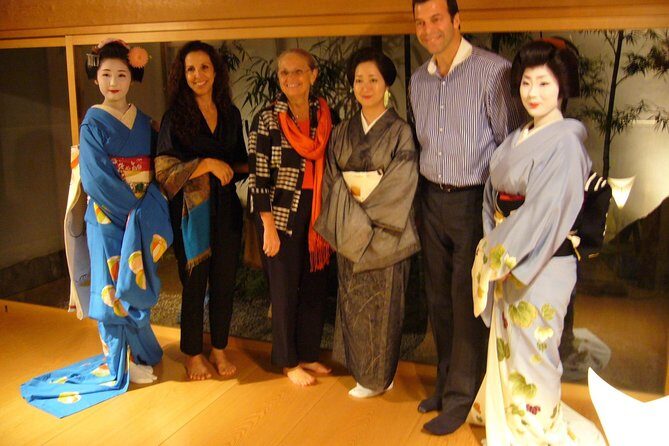
- Gion first, then dinner in a private room: you get context before you sit down
- Maiko or geiko companionship during the meal: singing, instruments, and dance
- English-speaking guidance: helps you understand what you’re seeing and why it matters
- Private tea house option includes drinks: sake and beer are part of that choice
- Meet at Minamiza Kabuki Theatre at 5:00 pm: a clear, easy starting point
- Food is the one variable: go in ready for classic kaiseki, not buffet-style options
Starting at 5:00 pm: Minamiza Kabuki Theatre to Gion
This evening begins at the main gate of the Minamiza Kabuki Theatre, facing Shijo street. If your tour starts at 5:00 pm, plan to arrive a few minutes early so you’re not rushing when the guide is doing the welcome and getting everyone oriented.
Why this matters: Gion is one of those places where the details are the point. Starting near a landmark like Minamiza helps you get oriented fast, and it sets a calm pace for what comes next—an evening that’s more conversation and craft than sightseeing.
The tour is about 3 hours 30 minutes total (roughly a walking portion plus dinner time). Even better, it’s private, so the evening doesn’t feel chopped up by other groups.
A few more Kyoto tours and experiences worth a look

The Gion Walk: what you’ll actually notice on the streets
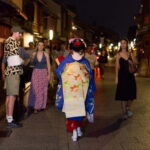
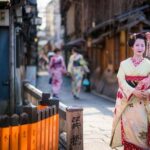
Depending on the option you choose, you’ll either start straight with the dining portion, or (more often) you’ll meet your guide and take a walking tour through Gion, Kyoto’s historic geiko district.
On the walk, your guide helps you understand the culture behind what you see: the space between buildings, the rhythms of neighborhood life, and how geiko and maiko traditions fit into Kyoto’s social world. People consistently praise guides like Mia/Miyah for being funny, friendly, and good at answering questions—even from younger travelers in the group.
What to do on the walk: don’t treat it like a photo mission. Instead, ask your guide specific things you’re curious about, like etiquette, training, and the difference between geiko and maiko. The better you use this time, the more your dinner conversation will click.
A practical note: some evenings can feel lively at the venue, and the walk groups can also include more than just a whisper. If you’re sensitive to noise, bring a calm mindset and rely on your guide for the key explanations.
Kaiseki Dinner in a Private Setting: what the meal experience feels like
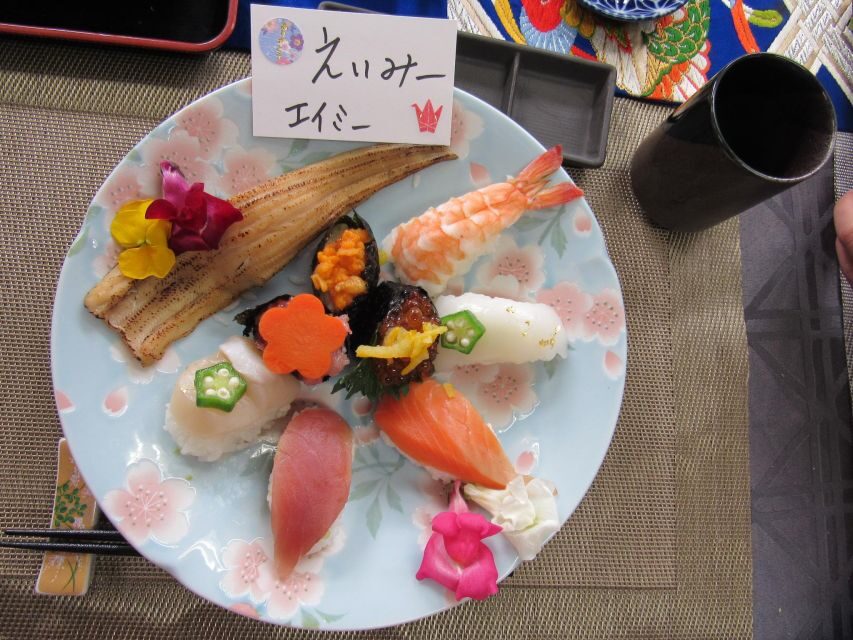
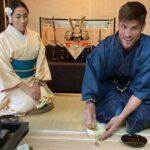
After the walk, you head to a Japanese restaurant or tea house for kaiseki. Kaiseki is a full-course meal designed around seasonality and careful presentation. Here, the meal is described as half or full kaiseki, typically with multiple courses that may include tempura, seafood, and vegetables.
If you choose the private tea house option, expect drinks like sake and beer to be included with the meal.
Why this is valuable (beyond eating): kaiseki is part of the same cultural system as the geiko/maiko world. You’re not just watching a performance; you’re experiencing the pacing, order, and attention to detail that guide the whole evening. When the room is private, you can actually hear explanations and questions without constant interruption.
One heads-up: the experience is not framed as a “pick what you want” dinner. It’s built around a traditional menu. That’s great if you’re adventurous, but it’s not ideal if you’re strict about ingredients or you avoid certain foods.
The Geiko or Maiko Moment: conversation, music, and dance
This is the heart of the booking. During dinner time, a geiko, maiko, or both entertain you. That can include singing, musical instruments, and dancing. It’s not a distant show where you admire from across the room. You’re seated close enough for conversation, and the mood stays personal rather than stagey.
One-on-one talk is a standout. People describe feeling honored and humbled to ask questions directly—things like daily life, training, kimono details, and how performers handle the rhythm of their schedule. Some evenings include game-style interaction, where you’ll be pulled gently into the fun and your glasses keep getting filled.
And then there’s the performance itself. The dance is a key highlight of the night, often described as elegant and memorable. The timing can feel “brief” depending on room layout, but the moments you do see tend to be tightly focused and skill-driven.
If you want the most from this part: come with 3–5 questions. Don’t worry about sounding too formal. Questions about everyday life, training, and what traditions mean today tend to land well and give you real answers, not just general compliments.
Drinks, tea house style, and the 20+ rule
Only the private tea house option includes drinks as part of the experience (sake and beer). If you’re choosing that tier, plan responsibly and note the minimum drinking age in Japan is 20.
Even if you’re not drinking, the tea house environment often feels more intimate. The included alcohol can also make the conversation warmer and more relaxed, especially if the geiko/maiko is guiding a game or singing portion.
Other private tours in Kyoto




Guide Impact: why Mia/Miyah are getting named again and again
A lot of the value here comes from the guide. Guides like Mia or Miyah get praised for doing more than translating. They set expectations, explain what you’re looking at, and help you avoid awkward moments when you’re interacting with someone who follows strict cultural norms.
A good guide also helps the evening feel balanced. It’s easy to book something like this expecting only entertainment. But the best nights include meaningful context—how geiko/maiko culture works, what’s tradition versus myth, and why certain courtesies matter.
If you’re nervous about etiquette, this is where the guide makes the night smoother. You’ll spend less time wondering what to do and more time listening.
Price and value: is $381.49 per person worth it?
At $381.49 per person, this isn’t a budget add-on. But it’s also not just a dinner. You’re paying for four things that normally cost separately in Kyoto:
- An expert guide for the evening
- A private dinner setting with a structured kaiseki meal
- Geiko/maiko companionship during the meal
- A dance/performance component during dinner time
In plain terms: you’re buying access to the social side of Japanese tradition, not just a meal. That’s why people describe it as a highlight of their trip.
How to judge if it’s worth it for you:
- If you want the geiko/maiko experience as the main event, it tends to feel like strong value.
- If you’re mainly hunting for food and you’re picky, the fixed menu can make it feel less worth it.
- If you’re hoping for a flexible, diet-friendly restaurant experience, it may not match your expectations.
Also, this type of booking is in demand. The experience is commonly booked about 38 days in advance, so if you want a specific day, don’t wait until the last minute.
Food reality check: kaiseki can be amazing or a mismatch
Here’s the honest part: the reviews include both praise and complaints about food, and the pattern is clear. When people love the meal, they call it outstanding—traditional, delicious, and plenty of courses. When people dislike it, it’s usually because the dinner is traditional and not easily modified.
So how should you handle this as a traveler?
- If you eat seafood and enjoy trying new flavors, you’re likely to have a great time.
- If you’re vegetarian, highly restrictive, or you avoid certain textures/ingredients, treat the menu as fixed and confirm your dietary needs early.
- If you’re sensitive to raw fish, tell your operator ahead of time and think carefully before booking.
Also, one person noted service quirks like water being requested multiple times, and another mentioned a room where movement for performance was limited. Those are not deal-breakers for everyone, but they explain why the “show” aspect can feel more intimate than theatrical.
Who this is best for (and who should think twice)
This experience fits best if you:
- Want a cultural dinner where tradition and conversation are the point
- Like asking questions and learning directly from someone in the tradition
- Plan for a set, traditional meal style
- Appreciate Kyoto etiquette and atmosphere more than big-city nightlife vibes
It may not be the best fit if you:
- Need major diet customization or expect menu flexibility
- Are looking for a relaxed, casual meal where you control every choice
- Dislike that some performance moments can feel brief due to the setting
Should you book Private Dinner with a Geisha?
I’d book it if you’re prioritizing a real geiko/maiko evening—especially the Gion context, the conversation, and the dance during dinner. The structure makes sense: walk first, then sit down, then talk and perform. That flow is exactly what turns it from a show into a meaningful cultural encounter.
I’d think twice or plan extra carefully if food flexibility is your main requirement. This is built around a traditional kaiseki dinner, and while dietary needs can be mentioned at booking, the experience is not advertised as fully customizable.
If you’re the type who loves Kyoto details and you’re open to traditional courses, this is the kind of splurge that often becomes a top memory.
FAQ
Where does the tour start?
The tour meets in front of the main gate of the Minamiza Kabuki Theatre, facing Shijo street, with a start time of 5:00 pm.
How long is the experience?
It runs about 3 hours 30 minutes on average, with a walking portion plus the dinner entertainment.
What is included in the price?
Included are a professional guide, dinner, and geiko or maiko accompaniment, plus the geisha’s dance performance at dinner time. Mobile tickets are included as well.
Does the private tea house option include drinks?
Yes. If you select the private tea house option, drinks are included (sake and beer).
Is this experience suitable for children?
Children must be accompanied by an adult, and the tour notes that most travelers can participate.
Can I get a refund if I cancel?
No. This experience is non-refundable and cannot be changed, and cancellations or amendments do not receive a refund. Confirmation is typically received within 48 hours of booking.