Kyoto can taste like quiet tradition. This private class focuses on Shojin-ryori, the Buddhist vegan cooking that builds flavor from seasonal vegetables, tofu, grains, seaweed, and fermented ingredients. I love that you learn the food as a system, not just a list of recipes, and that the lesson is hands-on from the first prep step.
I also love the ending: you cook enough to enjoy a beautiful, flavorful plate lunch you made yourself. The main drawback is simple: there’s no private transportation, so plan on getting to the meeting point on your own using public transit.
In This Review
- Key things that make this Kyoto cooking class worth your time
- Shojin-ryori in Kyoto: vegan cooking with a reason behind it
- How the 2.5-hour lesson is paced (and why that matters)
- Temple stops first: Enkoji, Shisendo, and Ginkakuji in one morning
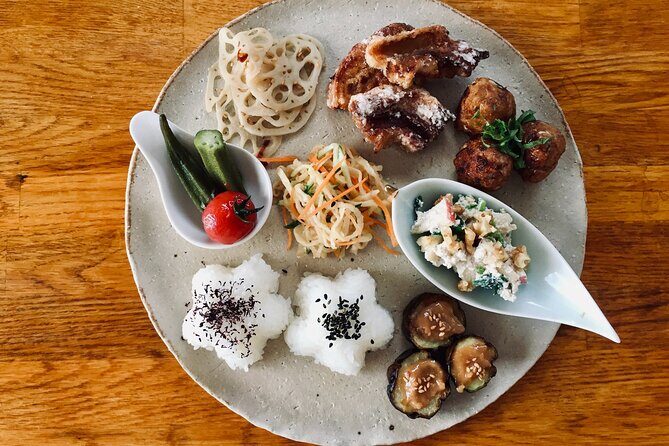
- The seven Shojin-ryori dishes (plus rice balls) you’ll make
- Simmered seasonal vegetables
- Dried strips of daikon salad
- Kinpira of lotus (braised thinly sliced lotus)
- Nasu dengaku (miso-grazed eggplant)
- Shiraae (mashed tofu salad)
- Spicy teriyaki balls
- Vegetarian fried chicken using wheat gluten
- Two rice balls
- What makes this class different from eating vegan in Kyoto
- Value check: is $70.94 per person a fair deal?
- Who this Kyoto Buddhist cooking experience fits best
- Practical logistics you should plan for
- Should you book this Shojin-ryori cooking class in Kyoto?
- FAQ
- What kind of food is taught in this Kyoto cooking class?
- How long is the experience?
- What do we cook and eat?
- Are dietary restrictions like gluten-free possible?
- What’s included in the price?
- Where does it start and when?
Key things that make this Kyoto cooking class worth your time
- A private group with Yukari as your guide: only your group participates.
- Temple stop trio: you visit Enkoji Temple, Shisendo Temple, and Ginkakuji Temple.
- Seven Shojin-ryori dishes plus rice balls: you’ll make the meal, not just watch.
- Kyoto ingredient focus: seasonal vegetables and Kyoto-style staples like tofu, daikon, lotus root, eggplant, and wheat gluten.
- Recipe handoff included: you get written recipes to recreate the dishes later.
- Dietary flexibility: gluten-free is accepted if you let them know.
Shojin-ryori in Kyoto: vegan cooking with a reason behind it
If you’ve ever ordered vegan in Japan and felt like it was mostly “salad with good manners,” this class is different. Shojin-ryori isn’t just plant-based. It’s temple food shaped by Buddhist rules that avoid harming animals. So the dishes lean hard into what nature and preservation can provide: tofu from soybeans, grains, seaweed, and fermented flavors that add depth without needing meat or fish.
What I like about the approach here is that it feels Kyoto-specific, not generic “Japan cooking.” You’re taught how these flavors work together—sweet, savory, and lightly tangy—through techniques you can reuse. And since you’re cooking, you’ll notice the small details that usually disappear in a restaurant setting: how vegetables are cut so they cook evenly, how sauces cling, and how seasoning balances without animal broth.
This is also a great choice if you want to eat something “authentic” in the practical sense. Restaurant dishes often simplify. Temple-style cooking tends to respect ingredient character. Here, the class leans into that idea, with modern twists while staying rooted in the classic methods.
Other guided tours in Kyoto

How the 2.5-hour lesson is paced (and why that matters)
The total time is about 2 hours 30 minutes, starting at 10:00 am. That’s a sweet spot: long enough to learn real technique and make a full meal, short enough that it won’t eat your whole day in Kyoto.
The class flow is straightforward:
- You start with an intro to Shojin-ryori and local ingredients.
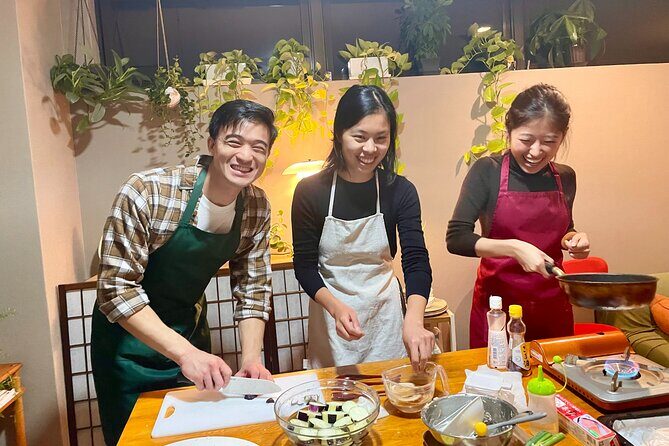
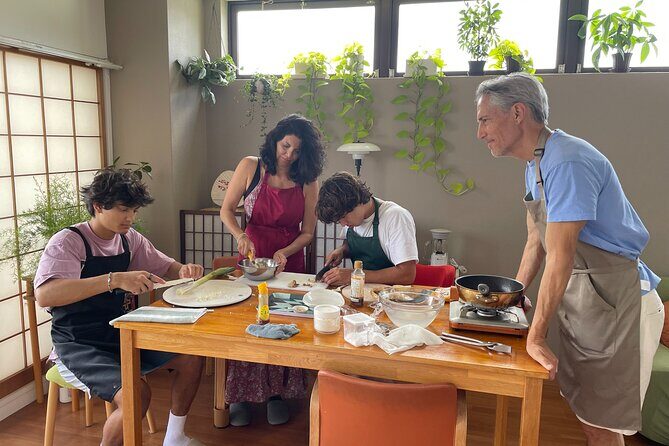
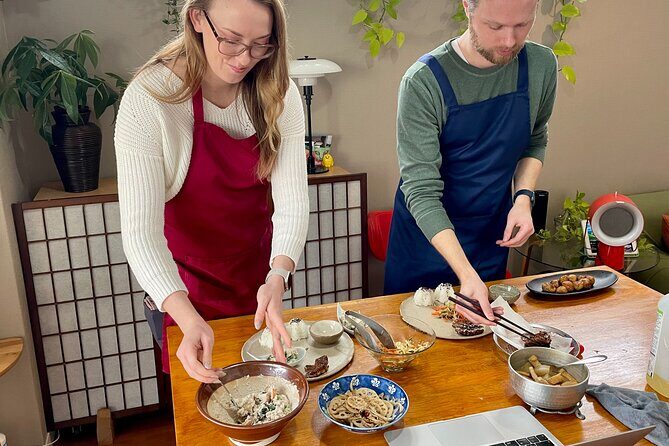
- You put on aprons and cook together, step-by-step.
- You end by eating a shared plate lunch built from what you made.
I like this pacing because it avoids the “stand and watch” problem that plagues some cooking tours. You’re not just sampling; you’re learning by doing. And because the recipes are included, you’re not stuck relying on memory the moment you get home.
Also, note what’s not included: private transportation. That means you should budget time to reach the meeting point yourself and arrive ready to begin.
Temple stops first: Enkoji, Shisendo, and Ginkakuji in one morning
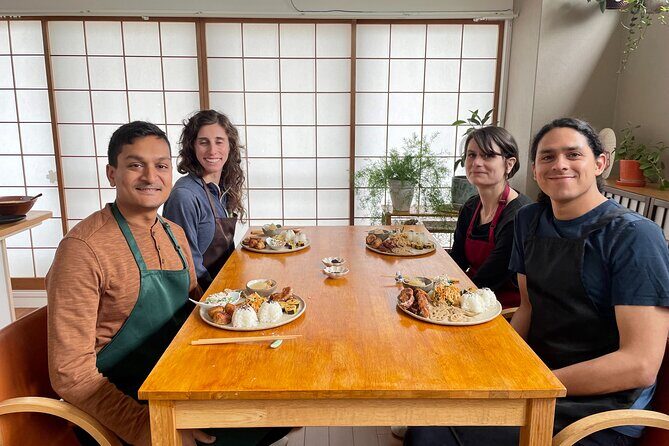
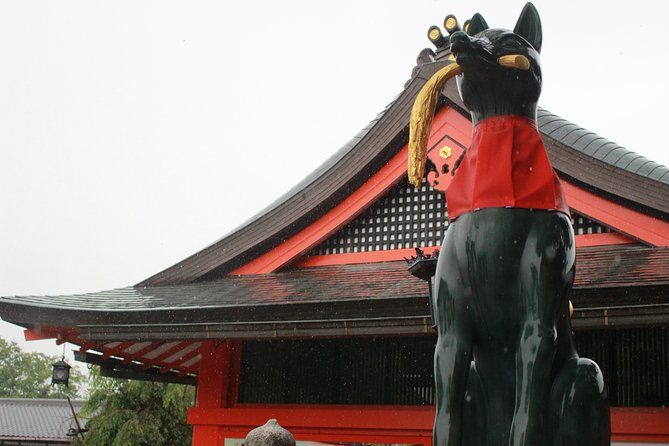
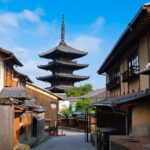
Instead of starting with a kitchen and calling it culture, this experience uses temples to frame the food. You visit Enkoji Temple, Shisendo Temple, and Ginkakuji Temple during the tour.
Here’s what that adds for you as a cook and eater. Shojin-ryori can sound like a food trend until you connect it to the environment that shaped it. Buddhist cuisine developed where meat and fish weren’t part of the diet rules, so the pantry became smarter: more legumes, more preserved ingredients, more seasonal produce. Walking through temple settings helps the lesson feel grounded, not like a cooking workshop pasted onto sightseeing.
A practical thought: you’ll be moving between locations, and you’ll still need the energy to cook afterward. Wear comfortable shoes and keep your bags light. This is the kind of outing where you’ll thank yourself later for not hauling a heavy daypack.
The seven Shojin-ryori dishes (plus rice balls) you’ll make
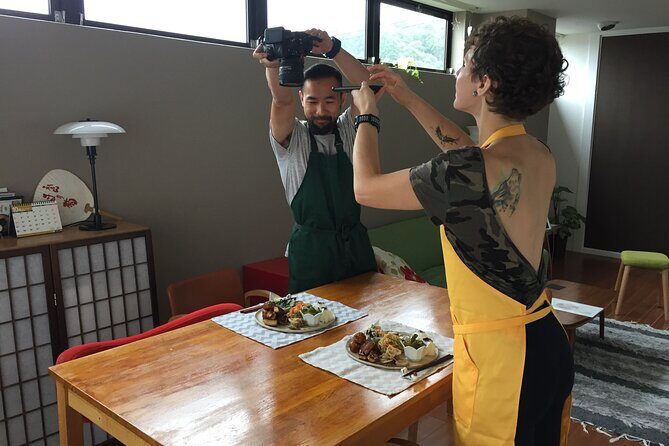
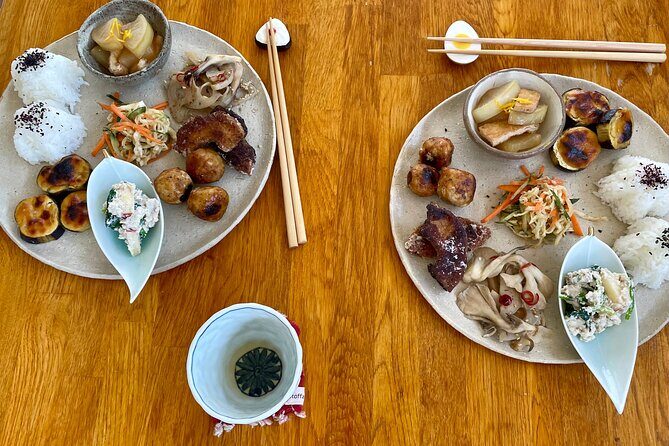
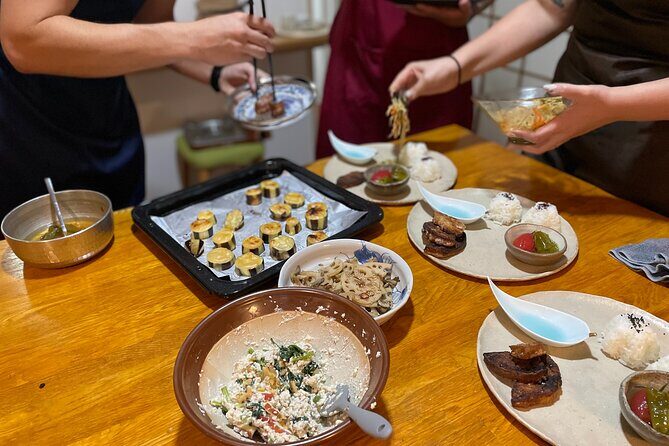
The class includes hands-on cooking of seven dishes, plus two rice balls. You’ll learn techniques that repeat across the menu, so by the end you’ll see the logic of the cuisine.
Here’s what’s on the menu and what to pay attention to:
Simmered seasonal vegetables
This is where Shojin-ryori shows its calm confidence. Instead of chasing one big flavor, simmering makes vegetables taste like vegetables—but better seasoned and more coherent. Watch for how the broth/sauce clings and how the vegetables stay tender rather than turning mushy.
Other private tours in Kyoto



Dried strips of daikon salad
Daikon can be bland if treated casually. In a shojin-style preparation, dried strips get a more concentrated character. You’ll learn how to handle texture—salads are often judged by mouthfeel—so the dish feels refreshing after heavier items on the table.
Kinpira of lotus (braised thinly sliced lotus)
Lotus root is a perfect example of the cuisine’s respect for ingredient texture. Thin slices braise until they’re tender but not collapsed. This dish teaches you the balance of sweetness and savoriness that makes plant-based food feel satisfying without shortcuts.
Nasu dengaku (miso-grazed eggplant)
Eggplant soaks up sauce like it’s been waiting for it. The miso glaze is the technique focus here: you’re not just seasoning, you’re building a coating that turns glossy and fragrant. If you’ve ever thought miso is only for soups, this shows another side of it.
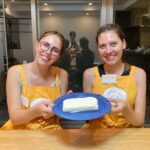
Shiraae (mashed tofu salad)
This is one of the most educational dishes because tofu can go in so many directions. Shiraae teaches a specific balance: creamy tofu mashed with seasonings so it becomes silky and cohesive. It’s also a great “gateway” dish if you’re new to tofu-based Japanese cooking.
Spicy teriyaki balls
Teriyaki usually makes you think meat, but here the “balls” show how sauce technique transfers. You’ll learn how to build sticky flavor without relying on animal fat. The spice element helps too—it prevents the plate from feeling flat or overly gentle.
Vegetarian fried chicken using wheat gluten
This one is a crowd favorite category, but the point isn’t just mock-meat. Wheat gluten fried properly can turn chewy and crisp in a way that actually feels like a real bite, not a gimmick. You’ll see how batter/coating or seasoning choices change the whole result.
Two rice balls
Rice balls are the final anchor. They finish the meal with something simple and grounding, and they also make the dishes feel cohesive—savory, saucy, and then mellow rice to balance it all.
At the end, you’ll sit down and enjoy everything as a shared plate lunch. That matters because shojin-ryori is about harmony across dishes, not one standout bowl.
What makes this class different from eating vegan in Kyoto
Plenty of places in Kyoto offer vegan-friendly options. This class adds something you can’t get from ordering off a menu: technique you can repeat.
Here are the skills you’ll come away with, even if you don’t plan to cook like a chef:
- How seasoning works without animal broth (you learn where flavor comes from instead)
- How textures are managed (daikon strips, lotus slices, eggplant, tofu mash, gluten)
- How sauces behave (miso glaze, teriyaki-style sticky flavor)
- How to think seasonally since several dishes revolve around seasonal vegetables
One more smart detail: you receive recipes. In my experience, that’s often what separates a fun morning from something you can actually use later. Here you’ll have written guidance so you can recreate the dishes without guessing.
Value check: is $70.94 per person a fair deal?
At $70.94 per person for about 2.5 hours, this can feel either like a splurge or like a bargain depending on what’s included. The good news is that it’s not just “a teacher and a countertop.”
Included are:
- ingredients for the meal
- a drink (water or tea)
- apron, all equipment, and utility/facility fees
- recipes
Not included:
- private transportation
For you, the value comes from the combination: a private guided experience, multiple temple stops, and a full hands-on cooking session where you leave with recipes. If you’ve paid for cooking classes before, you’ll know the cost usually rises fast once you want a private instructor and a meal that’s more than a single dish. This one gives you a structured morning with real payoff.
If you’re traveling as a couple or small group, the private format can be especially good value because the class runs around your needs. If you’re solo, you still get the same full structure, but you’ll be paying the per-person rate like everyone else.
Who this Kyoto Buddhist cooking experience fits best
This is a great fit if:
- you want a Kyoto-based food experience rooted in local tradition
- you’re interested in vegan cooking that’s not just salad logic
- you like hands-on learning, not passive tours
- you want recipes to bring home
It’s also a strong match for families who appreciate patience and clear guidance. One of the useful signals from the class experience is that the host’s teaching style is described as welcoming, kind, and detailed, with explanations and support that work for different ages.
One note: gluten-free is accepted, but only if you let them know in advance. So if that matters for you, say it when you book.
Practical logistics you should plan for
A few details that make your day smoother:
- Start time is 10:00 am, and it ends back at the meeting point.
- The meeting point is in Kyoto, Sakyo Ward (Ichijōji Nodachō, Fairmont Building).
- It’s near public transportation, so you should be able to reach it without a taxi if you plan ahead.
- You’ll get a mobile ticket.
- Service animals are allowed.
Because there’s no private transportation included, I recommend you confirm your transit plan before the day of the class. Kyoto can be walkable, but temple-area routes can be a bit stop-and-start, especially in the morning.
Should you book this Shojin-ryori cooking class in Kyoto?
Book it if you want a morning that mixes temple context with real kitchen learning and a full vegan meal you can actually replicate. The standout strength here is the format: you cook seven dishes plus rice balls and then eat the result, with written recipes to carry the flavors home.
Skip it only if you’re looking for a quick food sample or you don’t want to cook. This isn’t a tasting-only experience. It’s built around making, learning, and sharing a plate lunch at the end.
If Shojin-ryori has been calling your name, this is the kind of class that turns curiosity into skill. And in Kyoto, that’s a rare souvenir you can keep using long after the trip ends.
FAQ
What kind of food is taught in this Kyoto cooking class?
It teaches Shojin-ryori, traditional Buddhist cooking in Japan made without animal products. The dishes focus on ingredients like seasonal vegetables, tofu, grains, seaweed, and fermented foods.
How long is the experience?
The class runs about 2 hours 30 minutes.
What do we cook and eat?
You cook seven dishes and also make two rice balls, then enjoy a shared plate lunch at the end.
Are dietary restrictions like gluten-free possible?
Yes. The class can accept gluten-free needs if you let them know ahead of time.
What’s included in the price?
Included are lunch ingredients and a drink (water or tea), an apron, all equipment, utility charges, facility fee, and recipes.
Where does it start and when?
It starts at 10:00 am at Japan, 606-8165 Kyoto, Sakyo Ward, Ichijōji Nodachō, 16 フェアモントビル, and it ends back at the meeting point.