Kyoto can feel like a maze. This private highlights tour helps you hit the big sights with a plan and a real guide. You choose a northbound or southbound route, and the pacing is built around practical touring, not rushed photo stops.
What I like most is the undivided attention from a professional English-speaking guide (max 8 people). The other big win is that you’re guided through Kyoto’s must-sees in a logical order using local transit from Hotel Granvia Kyoto.
The one thing to keep in mind: expect a lot of walking and some serious stairs. Kiyomizu-dera’s area and Fushimi Inari both ask you to climb, and your lunch is on your own.
In This Review
- Key things that make this Kyoto day tour worth your time
- Picking the right route: northwest vs southeast highlights in Kyoto
- Hotel Granvia Kyoto start: getting your bearings fast
- Kinkaku-ji and Kiyomizu-dera: the two temple anchors of the day
- Kinkaku-ji (Golden Pavilion)
- Kiyomizu-dera
- Nijo Castle and Sanjusangendo: when Kyoto turns from pretty to powerful
- Nijo Castle
- Sanjusangendo
- Arashiyama Park, Bamboo Forest Street, and Ryoan-ji: zen views and photo dreams
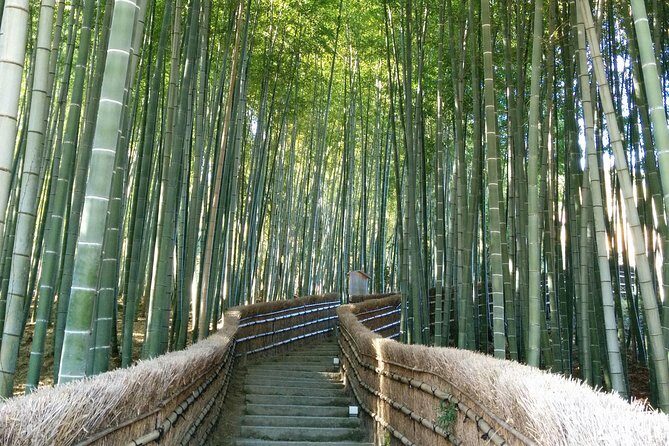
- Bamboo Forest Street (and nearby bamboo time)
- Ryoan-ji zen rock garden
- Fushimi Inari and the red torii climb: plan for steps
- Gion ending: where the day’s energy lands
- Food choices: you decide lunch, and you still get context
- Tickets and what’s actually included
- Small group pacing: why “private” here feels different
- Price and value: is $151.20 worth it?
- Weather, crowds, and your day’s comfort
- Who this Kyoto highlights tour is for (and who should skip it)
- The decision: should you book this Kyoto highlights day?
- FAQ
- Where does the tour start?
- What time does the tour begin?
- Are there different routes to choose from?
- How long is the tour?
- What’s included in the price?
- Is lunch included?
- How big is the group?
- FAQ
- Is cancellation free?
- Does the tour include the major temple/castle entrances?
- Is hotel pickup offered?
- What kind of transport do we use?
- Is the tour for families?
- Are service animals allowed?
Key things that make this Kyoto day tour worth your time
- Two route styles: northwest (Arashiyama + Kinkaku-ji) or southeast (Fushimi Inari + Gion), both finishing in Gion
- Small group cap (up to 8) with a private-guide feel and steady pacing
- Public-transport approach with a one-day city bus pass you can keep using after
- Major landmarks with included tickets like Kinkaku-ji, Kiyomizu-dera, Nijo Castle, Sanjusangendo, and Ryoan-ji
- Cultural contrast in one day: castles, zen gardens, shrine climbing, and a sake museum stop
- Weather-aware touring with a backup date or full refund if it’s canceled due to poor weather
Picking the right route: northwest vs southeast highlights in Kyoto
This tour is designed around two different “greatest hits” patterns, so you can match your interests to your energy level.
Northwest-bound route tends to start with Arashiyama Park (bamboo groves and nearby temple sights), then moves toward the Golden Pavilion area. In this version, you’ll commonly see Kinkaku-ji and you’ll have choices like Nishiki Food Market or Nijo Castle depending on how the day flows. You also end up with classic zen-garden time at Ryoan-ji, which is one of those places that makes you pause even when your feet are tired.
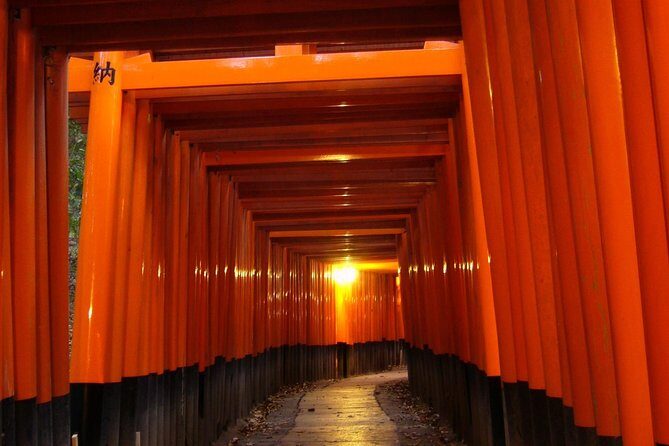
Southeast-bound route leans into Kyoto’s shrine and old-street atmosphere. You’ll visit Fushimi Inari-taisha with its thousands of red torii gates, then head to Kiyomizu-dera and the surrounding streets with steep, historic lanes (the famous Sannenzaka and Ninenzaka areas). The day typically culminates in Gion, Kyoto’s most iconic old-quarters vibe.
Both options are structured as a single full day (about 7 hours) with a smart end point: Gion. That matters because you can keep exploring without hauling your energy back toward your hotel.
Other private tours in Kyoto
Hotel Granvia Kyoto start: getting your bearings fast
The meeting point is at Hotel Granvia Kyoto, near Kyoto Station (JR Kyoto Station Central Entrance). That’s a practical choice. If you’re arriving from Tokyo or a different region, this makes your Kyoto day easier to start without guessing how to reach a far-off neighborhood.
You’ll ride public transportation with the guide, which is a big part of why this tour feels “local” instead of like a checklist of isolated stops. You also get a one-day city bus pass, and the best part is you can keep using it after the tour. That’s useful if you want to get from Gion to another district later without buying tickets again.
You’ll also receive your confirmation after booking (within 48 hours, subject to availability). The company uses a mobile ticket, which usually means less fiddling with paper.
And yes, it’s private in the way that counts: a guide focused on your group, not a giant crowd herding everyone like a school bus.
Kinkaku-ji and Kiyomizu-dera: the two temple anchors of the day
If Kyoto is new to you, you want two things: the big icons and the context that makes them click. This tour gives you both.
Kinkaku-ji (Golden Pavilion)
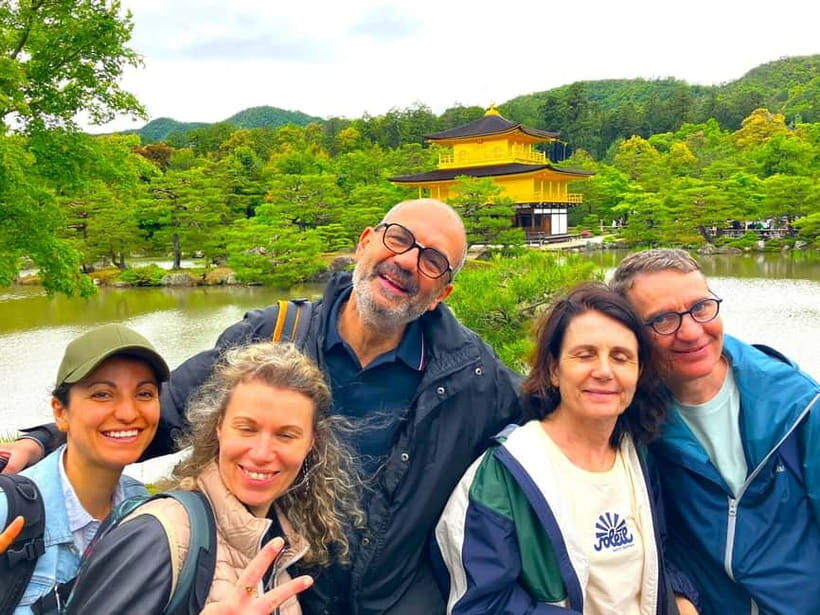
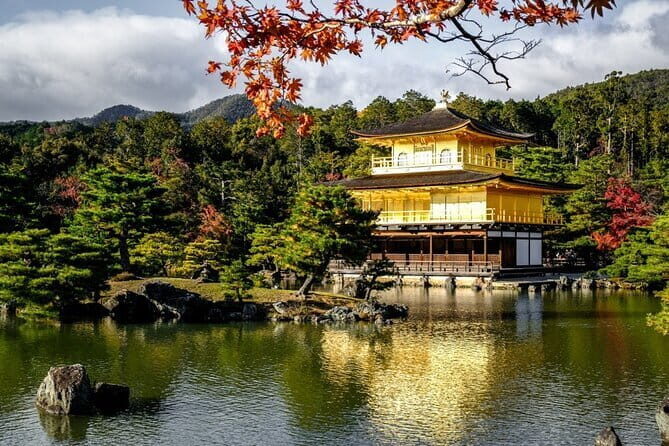
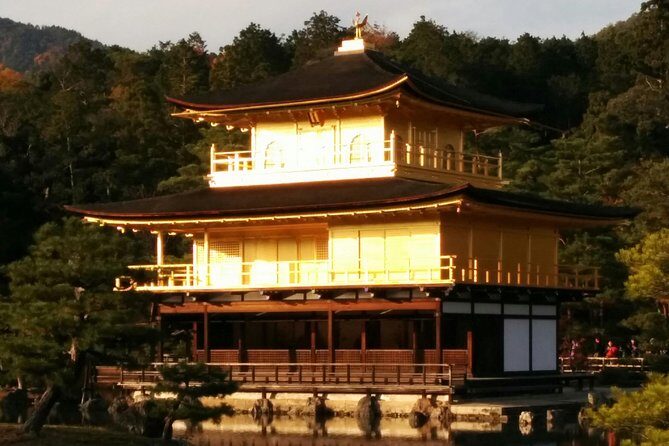
Kinkaku-ji is the headliner on one side of the itinerary. You’ll get about 50 minutes here, with admission included. The temple is covered in gold leaf and sits in a setting designed for reflection—so it rewards you if you slow down for a minute and look at the pond and surrounding forest, not just the building.
A guided visit also helps because Kinkaku-ji is widely photographed, but the meaningful details can get lost. Your guide can point out what to notice and how to interpret what you’re seeing.
Kiyomizu-dera
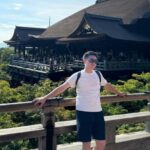
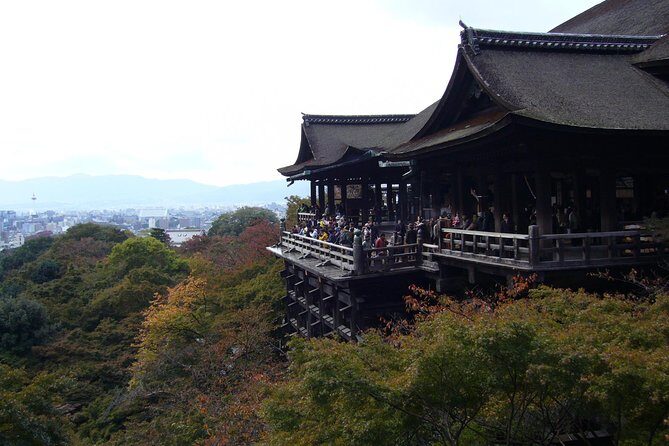
Kiyomizu-dera is the other anchor. You’ll get around 50 minutes and admission is included. This hilltop temple dates back to the 8th century and has that iconic stage/balcony view over Kyoto—often the kind of shot you’ve seen on postcards.
Then comes the part that changes the feel of the day: you go from temple to neighborhood. Expect to walk up and around the steep historic streets around Kiyomizu-dera, including the paths near Ninenzaka and Sannenzaka, where you can see views over the city between stairways and lanes.
Practical tip: bring shoes you trust. The terrain is part of the experience, but it can also feel like more work than people expect when planning from a hotel room.



Nijo Castle and Sanjusangendo: when Kyoto turns from pretty to powerful
This is where the tour gives you variety. You’re not only chasing scenery; you also get architecture, symbolism, and history.
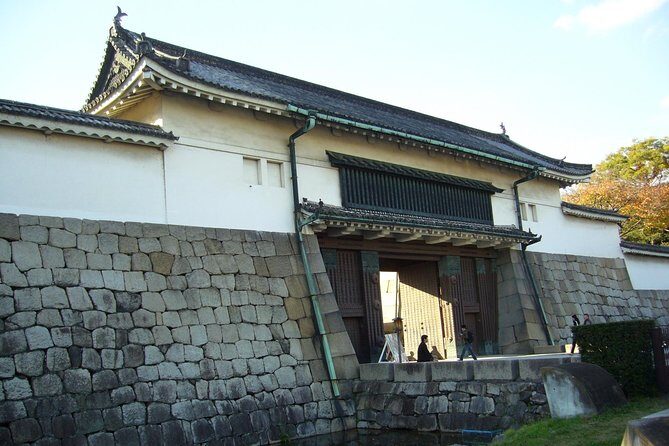
Nijo Castle
Nijo Castle gets about 50 minutes, with admission included. The standout here is that it’s tied to the Tokugawa shogunate period in the early 1600s. The highlight is touring the original living quarters associated with the shogun.
You also get decorative details explained to you—like walls with gold leaf and elaborate sketches—so the place doesn’t stay a blur of rooms and corridors. It becomes legible.
Sanjusangendo
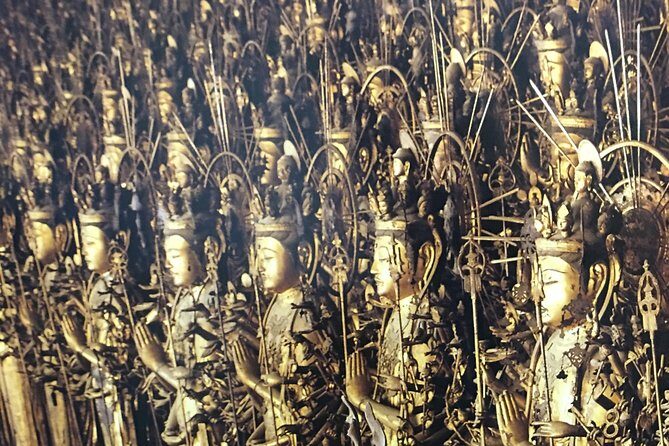
Sanjusangendo is a completely different mood. You’ll have around 50 minutes and admission is included. The big wow factor is 1001 kannon statues, which is the kind of number that’s hard to picture until you’re standing there seeing them in person. The guide can help you understand what you’re looking at beyond the headline.
If you only visit temples that look great in a photo, you’ll miss stops like this. Sanjusangendo is one of those Kyoto moments where the scale of religious art hits you quietly, then stays with you.
Arashiyama Park, Bamboo Forest Street, and Ryoan-ji: zen views and photo dreams
Arashiyama and the bamboo areas are where Kyoto turns into book covers.
Bamboo Forest Street (and nearby bamboo time)
You’ll get a chance to walk through the world-famous bamboo forest area, including Bamboo Forest Street. Time here is around 30 minutes, and it’s listed as free. You don’t need a long sermon in your ear to understand why people come—light filters through poles, and it’s easy to see why the scene shows up in guidebooks again and again.
There’s also a mention of the Togetsukyo bridge, near the bamboo forest. That’s often part of the “frame” for Arashiyama photos, and seeing it in person helps you understand how the area is shaped around walking and lingering.
Ryoan-ji zen rock garden
Then you hit Ryoan-ji, another included-ticket stop. You’ll spend about 30 minutes. The garden is famous for its rock arrangement with 15 stones—the kind of layout that invites you to find patterns that aren’t literally “drawn” as patterns.
Guided time helps because Ryoan-ji can feel mysterious in the best way, but if you don’t know what to notice, you might just stare for 10 minutes and move on. With a guide, you get a framework for thinking about the garden while you look.
Fushimi Inari and the red torii climb: plan for steps
If you choose the southeast route, the first big shrine stop is Fushimi Inari-taisha. Even if you choose the northwest route, Fushimi Inari still shows up on the overall flow of stops.
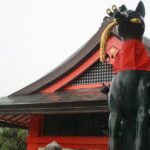
You’ll get about 50 minutes at Fushimi Inari, and admission is free. The shrine is famous for the thousands of red torii gates that cover the mountain, plus the presence of foxes and smaller shrines along the way.
This is not just an aesthetic stop. It’s also a physical one. The paths can be steep and the steps add up. If you’re traveling with kids or anyone who hates stairs, you’ll want to pace carefully, and your guide should be able to help you choose how far to go during that time.
Gion ending: where the day’s energy lands
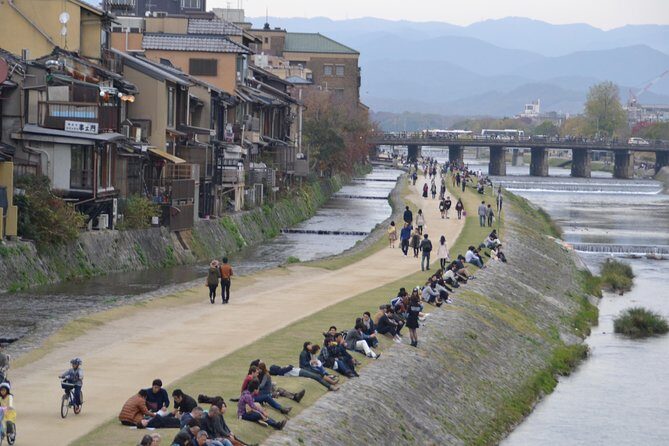
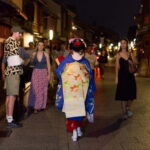
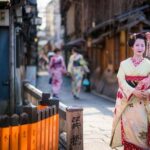
All routes conclude in Gion (after roughly 7 hours). Gion is Kyoto’s best-known neighborhood for its geisha tradition, though what you’ll see depends on the time of day and the street layout you walk through.
This is the right place to end because it sets you up for an evening in a historic-feeling part of town. The tour also notes you can join another Gion-focused tour that starts at 6:00 pm, which is handy if you want to extend your day without trying to plan from scratch.
Food choices: you decide lunch, and you still get context
One clear point: lunch isn’t included. You’ll take a lunch break on your own (own expense). That’s not automatically a bad thing. It means you can eat where your tastes and dietary needs fit, instead of being pushed toward one pre-chosen place.
The tour does include food-related context in a different way. On the northwest route, there’s a stop tied to Nishiki Food Market (noted as either a stop choice or part of the flow). That’s ideal for snacks and quick browsing, especially if you want Kyoto street flavors without committing to a long sit-down meal.
If you’re a first-timer, I’d still plan lunch early. You’ll have a lot of movement packed into the day, and waiting too long can make food choices feel limited.
Tickets and what’s actually included
This tour covers key entrances, which is part of how the price stays reasonable for a full day.
Included tickets (based on the described itinerary) include:
- Kinkaku-ji (Golden Pavilion)
- Kiyomizu-dera
- Nijo Castle
- Sanjusangendo Temple
- Ryoan-ji
- Gekkeikan Okura Sake Museum (for the route that includes the sake stop)
Free stops include:
- Gion
- Bamboo Forest Street
- Fushimi Inari-taisha (shrine area entrance is listed as free)
You also get:
- A professional English-speaking guide
- Public transportation support with routing
- One-day city bus pass
Not included:
- Food and drinks
- Lunch
- Hotel pickup/drop-off (meeting is at Hotel Granvia Kyoto)
Small group pacing: why “private” here feels different
This is a maximum 8 travelers setup. That small size shows up in how the day works. You’re not just following a route; the guide can explain what you’re seeing in a way that fits your questions and your speed.
The reviews you’ll hear about this kind of tour are consistent: good guides keep the tempo right, give context you couldn’t guess yourself, and handle questions without making you feel rushed. I also like that the tour is described as flexible, because Kyoto can change fast with crowd levels and weather.
There’s also a practical hint from the structure: stops are typically 50 minutes at major sights and 30 minutes at the smaller hits. That helps you avoid the all-day “drive-by sightseeing” problem.
Price and value: is $151.20 worth it?
At $151.20 per person for about 7 hours, you’re paying for three things at once:
1) a guide who organizes time and context,
2) key admissions, and
3) transit help using local buses/trains (plus a bus pass you keep using afterward).
For first-time Kyoto visitors, the value is mostly about time saved. Kyoto is dense, and getting from point A to point B while also understanding what you’re seeing is where tours become money well spent. The alternative is DIY planning and ticket managing while crowds and confusion stack up.
For repeat visitors, the value depends on your interests. If you already know the story behind Kiyomizu and Nijo Castle and you just want the vibe, you might prefer free-form exploring. But if you’re trying to see the biggest icons with less guesswork, this price makes more sense.
And the best part is the “private guide” feel for a group that stays small.
Weather, crowds, and your day’s comfort
Kyoto’s crowds can be intense around the famous sights, and the tour notes it requires good weather. If it’s canceled due to poor weather, you’re offered a different date or a full refund.
In real life, rain in Japan often means slippery sidewalks and extra line pressure. I’d pack for that: a light rain layer, a small umbrella if you prefer it, and shoes that don’t mind wet steps. Bamboo and temple areas can become muddy or slick, so your footwear matters more than you expect.
Also, remember you’re spending a big chunk of the day outdoors and moving between neighborhoods. If you’re prone to ankle fatigue, take the pace seriously from stop one.
Who this Kyoto highlights tour is for (and who should skip it)
This tour fits you best if:
- You’re in Kyoto for a limited time and want the major sights in one day
- You like your temples explained, not just photographed
- You prefer public transport over car transfers
- You want a smaller-group experience with real guide attention
- You’re planning to end in Gion and keep exploring afterward
You might want a different plan if:
- You don’t want to climb stairs or walk a lot (Kiyomizu and Fushimi Inari are active stops)
- You want a fully lunch-included day with zero on-your-own decisions
The decision: should you book this Kyoto highlights day?
I’d book it if you’re a first-time visitor and you want a smart route with included entrances and a guide who can translate Kyoto’s symbols into plain language. The route choice (northwest vs southeast) is also genuinely useful because it changes the mood of the day: bamboo and zen garden on one side, torii gates and classic hillside streets on the other.
If you’re traveling with someone who wants a smoother experience than DIY planning—especially someone who benefits from clear timing and explanations—this tour is a strong option.
FAQ
Where does the tour start?
It starts at Hotel Granvia Kyoto, at JR Kyoto Station Central Entrance.
What time does the tour begin?
The start time is 9:00 am.
Are there different routes to choose from?
Yes. You can choose between two itineraries: a northwest-bound route (Arashiyama Park, Golden Pavilion, etc.) or a southeast-bound route (Fushimi Inari, Kiyomizu Temple, Gion, etc.).
How long is the tour?
It runs for about 7 hours.
What’s included in the price?
Included items are a professional English-speaking guide, public transportation, and a one-day city bus pass. Some temple/castle admissions are also included depending on the stop.
Is lunch included?
No. Food and drinks and lunch are not included, and lunch is on your own expense during the break.
How big is the group?
The tour has a maximum of 8 travelers.
FAQ
Is cancellation free?
Yes, you can cancel for a full refund up to 24 hours before the experience starts.
Does the tour include the major temple/castle entrances?
Many of the core sites listed in the itinerary include admission tickets (like Kinkaku-ji, Kiyomizu-dera, Nijo Castle, Sanjusangendo, and Ryoan-ji), while some stops like Gion and Fushimi Inari are listed as free.
Is hotel pickup offered?
No. The tour does not include hotel pickup and drop-off; it uses the meeting point at Hotel Granvia Kyoto.
What kind of transport do we use?
You use public transportation, and you receive a one-day city bus pass that can be used continuously after the tour.
Is the tour for families?
The tour notes that most travelers can participate, and there are child rules: child rate applies only when sharing with 2 paying adults, and children must be accompanied by an adult.
Are service animals allowed?
Yes, service animals are allowed.