Sakura season needs a plan. I like that this is a private, personalized host-led walk and that you get to choose your Daimaru depachika obento for a picnic under the trees. The one thing to consider is the pace: it’s a walking outing, so comfy shoes matter.
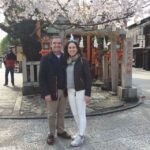
You start at Maruyama Park, where your host helps you find calmer hanami spots before the main crowd moves in. The outing also aims for yozakura at night, with weeping cherries lit against the sky when the timing works.
You’ll meet near Kyoto Gion300 at FamilyMart, and the tour ends back there. For about $290.79 per person over roughly 4 hours, I think the mobile ticket and food choices are part of the value, but getting to the start point isn’t included.
In This Review
- Key things that make this Kyoto sakura experience work
- Why Kyoto’s sakura season feels different with a local host
- Maruyama Park: starting the day with real hanami calm
- Kyoto Gyoen National Garden: quiet blossoms away from the main routes
- Daimaru’s depachika: choosing an obento that fits the moment
- Your private picnic: how to enjoy hanami without rushing
- Yozakura planning: evening blossoms and illuminated weeping cherries
- Price and value: what $290.79 per person buys you
- Logistics that matter for a smooth sakura afternoon
- Who this Kyoto sakura experience suits best
- Should you book this Kyoto sakura experience?
- FAQ
- How long is the Kyoto cherry blossom experience?
- Where does the tour start and end?
- What is the price per person?
- Is this a private tour?
- What’s included in the picnic?
- Do I need to pay for additional food or drinks?
- Are transportation costs included?
- Is there a mobile ticket?
- Is free cancellation available?
- Are service animals allowed?
Key things that make this Kyoto sakura experience work
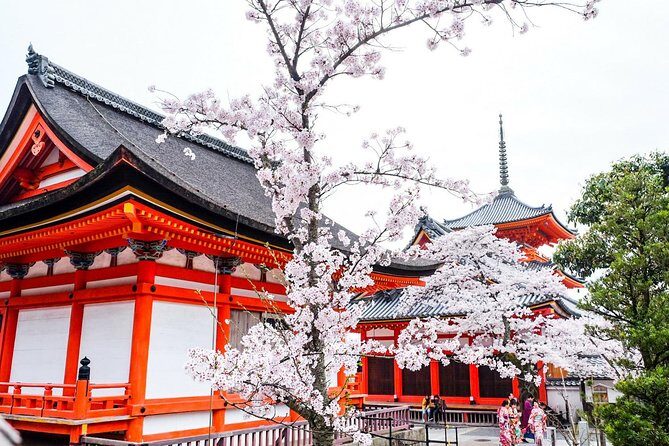
- Maruyama Park first, then quieter Kyoto Gyoen: a smart flow for seeing blossoms without feeling packed in.
- Daimaru depachika food-hall selection: your host helps you pick an obento and drinks that fit the season.
- A private hanami picnic setup: bento plus a shared sushi platter, sweets, and two drinks are built in.
- Day-to-night blossom viewing plan: yo zakura (nighttime weeping cherry viewing) is part of the season focus.
- Guides that tailor to your preferences: the host approach ranges from relaxed and friendly to history- and culture-focused (names you may hear include Jose, Afifa, Fatima, and Eva).
Why Kyoto’s sakura season feels different with a local host
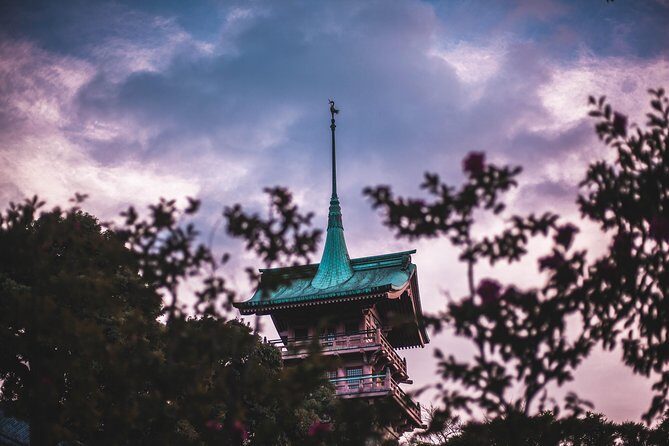
Kyoto’s cherry blossom season can feel like a highlight reel with crowds attached. This experience is designed to soften that. You get a local host who sets the pace, helps you read the scene, and steers you toward spots that feel less like a line in an app and more like a quiet moment shared with the season.
I also like that the day is built around the whole sakura rhythm. You’re not just hunting photos; you’re doing hanami (daytime blossom viewing) with a picnic, then shifting your attention toward evening blossoms, which are often the most magical part of the season.
One more practical plus: because it’s private, your host can adjust to what you care about—views, history, food, or finding a particular shade of bloom—without the whole group slowing down or speeding up on your account.
Other private tours in Kyoto
Maruyama Park: starting the day with real hanami calm
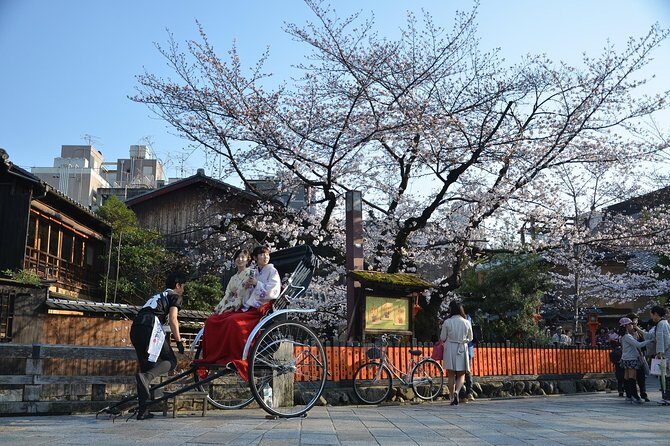
Maruyama Park is a classic Kyoto sakura stop for a reason. It has that iconic park-and-street energy where the blossoms feel like the main character. Starting there is a great move because you get a strong sense of the season right away.
What makes this version feel more rewarding is the way you enter the park. Your host guides you toward peaceful viewing angles inside the park, not just the busiest edge. That means you spend less time weaving through congestion and more time actually sitting with the trees.
A host-led start also helps with timing. Even within the same park, earlier and later pockets can feel completely different. If you care about photos, you’ll usually get better results when someone helps you choose where to stand, not just where the map says to stand.
Kyoto Gyoen National Garden: quiet blossoms away from the main routes
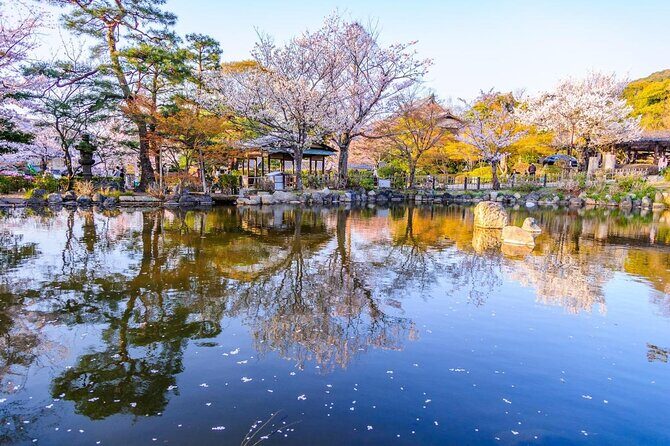
After the first big blossom view, the itinerary moves to Kyoto Gyoen National Garden, which is a nice shift in mood. This is where sakura viewing turns more like a slow walk with the season overhead.
The value here is simple: less commotion, more breathing room. In a typical sightseeing day, you can end up spending your energy dodging people. In Kyoto Gyoen, the atmosphere is calmer, and that makes your hanami experience feel more like an escape.
It’s also a good spot for anyone who wants variety. Maruyama Park gives you the loud, postcard side of sakura. Kyoto Gyoen gives you the gentle, garden side—still gorgeous, just with a different tempo.
If you get even slightly tired of constant photo stops, this middle section usually refreshes your energy. It’s the kind of place where you can actually enjoy a conversation, because the surroundings let you.
Daimaru’s depachika: choosing an obento that fits the moment
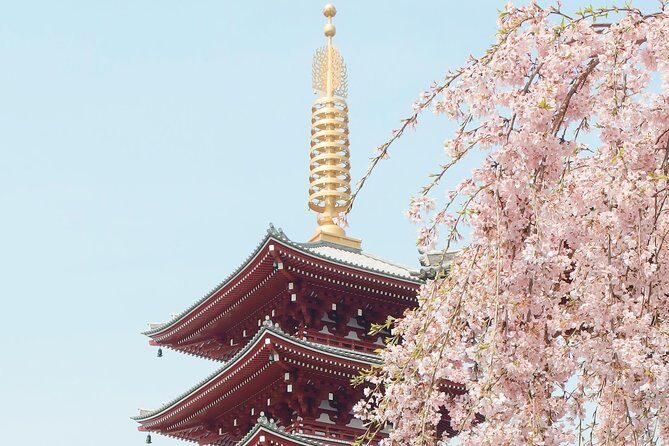
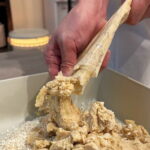
Here’s where this tour quietly becomes a food tour too. Your host takes you to Daimaru’s depachika (the department store food hall), where you select your picnic meal.
I love this part because it solves a real Kyoto problem. During peak sakura season, regular restaurants can be hard to book or ridiculously slow. A depachika obento is a low-stress plan. You get choices that look good, travel well for a picnic, and taste like Japan without needing to do detective work.
Your host also helps you pick drinks and handles the practical “what should we get?” part. The picnic is designed around that selection, and it keeps the whole afternoon flowing instead of turning into a scramble.
Tip for you: go in with a flexible attitude about what you’ll eat. If you’re the type who wants to over-optimize every bite, you might feel impatient. If you like the fun of choosing from lots of small, tempting options, this stop will feel like part of the adventure.
Your private picnic: how to enjoy hanami without rushing
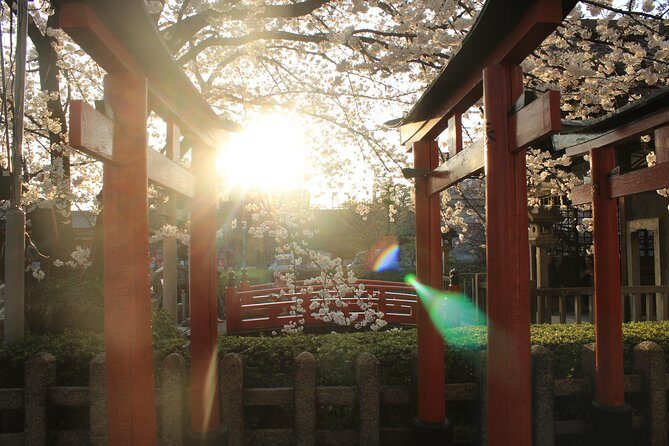
The picnic setup is one of the strongest reasons to book. You’re provided with a traditional Japanese picnic, including:
- bento box
- shared sushi platter
- Japanese sweets
- two drinks
Then your host leads you to an intimate hanami picnic spot in a secluded area of the park or another quieter location. The exact spot can vary, but the purpose is consistent: you get a sheltered, comfortable moment under the blossoms.
This is where the “private and personalized” part actually matters. In a group tour, everyone piles in at the same time and you spend the meal bracing for the next photo stop. Here, your host can help you time the picnic so you’re not eating while people constantly stream by.
Also, the food isn’t just there for calories. It’s part of the season story. Eating Japanese picnic fare during sakura season makes the whole experience feel more local and less like sightseeing homework.
If you’re sensitive to walking fatigue, you’ll want to pace yourself before the picnic so you’re ready to settle in. This is the segment that pays off when you arrive calm.






Yozakura planning: evening blossoms and illuminated weeping cherries
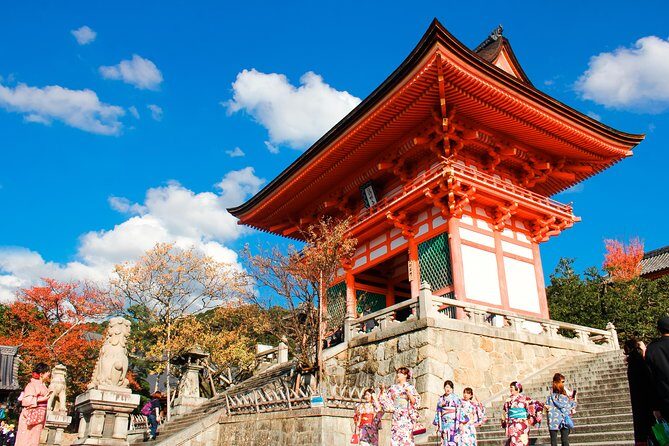
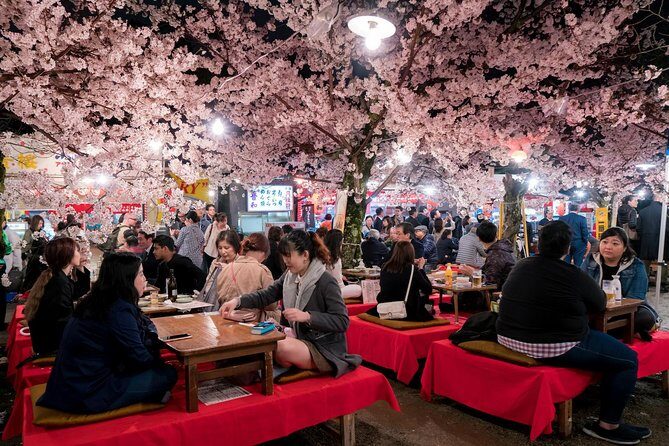
The season focus includes both daytime hanami and nighttime blossom viewing, often called yozakura. The idea is to see weeping cherry trees illuminated against the sky.
A key thing to know: yo zakura depends on timing. This experience is about a roughly 4-hour window, and the exact night-viewing moment can vary with how your evening unfolds. Still, it’s not a random bonus tacked on at the end. Night sakura is part of the design.
If you’ve never seen illuminated sakura in Kyoto, it’s a different atmosphere from the daytime version. You trade bright daylight color for a softer, glowing look—plus that evening quiet that makes sakura feel almost cinematic.
Your host’s role is important here. They can help you shift your attention from street-level viewing to the kinds of angles that work better at night.
If you’re planning your day around a specific blossom event, keep expectations flexible. The best sakura moments happen when you let the timing work with you, not against you.
Price and value: what $290.79 per person buys you
At $290.79 per person for about 4 hours, this isn’t a budget sakura walk. You’re paying for a few things that are hard to replicate on your own during peak season:
- Private pacing with a local host
- guided movement to calmer viewing spots
- help choosing food at a depachika
- a structured picnic with multiple items included (bento, sushi platter, sweets, and two drinks)
So the real value question is: do you want your sakura day to run like a plan, or like a search? If you’re comfortable wandering on your own, you could build a DIY day. But DIY usually turns into time spent sorting through crowds, figuring out food logistics, and guessing where quieter spots might be.
With a host, you trade some money for reduced friction. And in Kyoto during sakura season, reduced friction is often worth it.
If you’re traveling solo, private experiences can feel expensive—yet this one includes a full picnic package and guided food selection, which helps justify the price. If you’re going with a small group, private pacing tends to feel even more cost-effective because you’re not splitting time with strangers.
Logistics that matter for a smooth sakura afternoon
This is built as a walking experience. Even if you’re not clocking huge distances, you’ll be on your feet through parks and garden paths. Wear shoes you trust.
You’ll start at FamilyMart near Kyoto Gion300 (Gionmachi Kitagawa, Higashiyama Ward) and return back to the meeting point. That helps with planning. You don’t have to figure out a second transportation step after your picnic.
Transportation costs aren’t included. The tour is near public transportation, so you can keep transit simple. Still, it’s on you to get to the start point.
You’ll also get a mobile ticket, and the booking allows free cancellation up to 24 hours in advance. That’s useful when blossom timing is uncertain and your Kyoto schedule might shift.
If you’re the type who likes a “start on time” plan, try to arrive a few minutes early at the meeting spot. It gives your host a clean start and prevents the first stop from feeling rushed.
Who this Kyoto sakura experience suits best
This tour fits best when you want a guided sakura day that feels personal rather than crowded.
You’ll likely enjoy it if:
- you want hanami plus food, not just photo stops
- you care about calmer viewing angles and smoother pacing
- you like the idea of choosing an obento and sweets at a depachika
- you’re interested in Gion-area cultural stories and local context (some hosts are especially strong on traditions and life in Japan)
You might hesitate if:
- you hate walking or don’t want to spend time moving between parks and food halls
- you’re trying to do a super-tight schedule where timing flexibility is zero
- you’d rather pay less and handle food choices yourself
Should you book this Kyoto sakura experience?
If you’re spending limited time in Kyoto and you want sakura season to feel meaningful—not chaotic—this is a smart pick. The strongest reasons to book are the private host pacing, the depachika food selection, and the full picnic package under the blossoms.
I’d book it if your priority is a day that runs smoothly: parks first, food chosen with help, then a calm place to eat and enjoy the trees. Skip it if you’re determined to DIY every step and you’re fine sacrificing comfort and clarity for cost.
If you go, come with a flexible appetite and a good attitude about walking. The payoff is a sakura day that feels like Kyoto, not like a checklist.
FAQ
How long is the Kyoto cherry blossom experience?
It lasts about 4 hours.
Where does the tour start and end?
It starts at FamilyMart near Kyoto Gion300 and ends back at the meeting point.
What is the price per person?
The price is $290.79 per person.
Is this a private tour?
Yes. It’s private, and only your group participates.
What’s included in the picnic?
You get a bento box, a shared sushi platter, Japanese sweets, and two drinks.
Do I need to pay for additional food or drinks?
Additional food and drinks are not included, though the picnic includes food, sweets, and two drinks.
Are transportation costs included?
No. Transportation costs are not included, though the meeting point is near public transportation.
Is there a mobile ticket?
Yes, the tour uses a mobile ticket.
Is free cancellation available?
Yes. You can cancel up to 24 hours in advance for a full refund.
Are service animals allowed?
Yes, service animals are allowed, and most people can participate.