Pedal Kyoto without the map headache. This gentle south Kyoto bike tour rolls you through classic sights on quieter backstreets, not the slow shuffle of buses and big walking crowds. I love the guided route that keeps you out of map-planning mode, and I love the small-group pace that makes stops feel human instead of rushed. One thing to consider: the itinerary packs several top sites into a few hours, so photo breaks can feel short if you’re the linger-a-lot type.
You’ll start at Cycle Kyoto, get fitted, and roll out at 9:00 am. The bike and helmet are included, along with bottled water, so you don’t waste time hunting gear in a city where directions can make your brain itch.
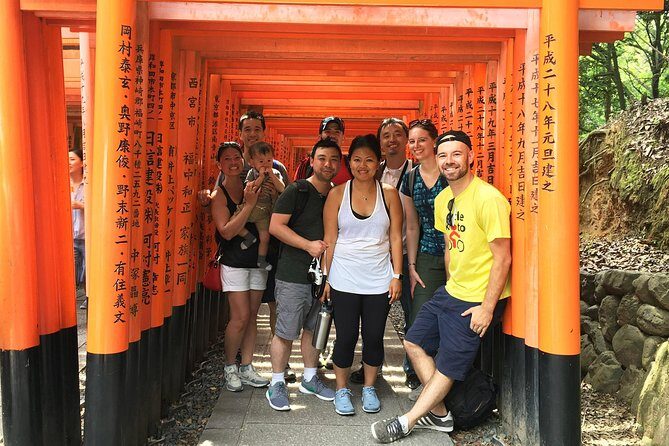
The route focuses on south Kyoto icons plus less-frequented stops: Nishi Honganji, Takase Canal, Gion, Tofuku-ji, and Fushimi Inari-taisha Shrine. It’s for riders age 13+ who feel comfortable biking, and the group size max is 8, which helps the guide manage traffic and keep everyone together.
In This Review
- Key things I’d bet on
- Why south Kyoto by bike beats walking and buses
- Starting at Cycle Kyoto: a smooth setup before the sights
- Nishi Honganji: scale, silence, and a temple you can miss
- Takase Canal on two wheels: easy photos and real Kyoto calm
- Gion by bike: seeing the geisha district without being trapped
- Tofuku-ji: a short stop with big views
- Fushimi Inari-taisha: navigating crowds with a guide’s path
- Pace, crowd control, and how your guide can change your day
- Price and value: why $79.59 can be a smart buy
- Who should book this south Kyoto bike tour
- Should you book? My straight answer
- FAQ
- FAQ
- How long is the South Kyoto bike tour?
- What’s included with the tour price?
- Which major sights does the tour visit?
- What’s the minimum age to join?
- Do I need to have biking experience?
- How big is the group?
- What happens if the weather is poor?
Key things I’d bet on
- Small group (max 8): you get more guidance and fewer bottlenecks at stops
- Bike + helmet + water included: you arrive ready to ride, not to troubleshoot gear
- Backstreets, not just main roads: easier access to viewpoints and calmer streets for photos
- Fushimi Inari crowd strategy: you follow the guide’s path through peak congestion
- Route hits variety: temple scale, canal scenery, geisha-district streets, then shrine energy
Why south Kyoto by bike beats walking and buses
Kyoto is gorgeous, but getting around can turn into a full-time job. On a bike tour like this, you trade the map scrolling and sidewalk navigation for steady movement. You cover real distance without feeling like you’re “speed-running” sightseeing.
This also matters at the big-name stops. Fushimi Inari-taisha can feel like an obstacle course, especially when tour groups stack up. Having a guide pick a workable path helps you spend time seeing, not waiting in a human bottleneck.
And the vibe is calmer than you might expect for a city tour. The emphasis is on gentle riding and quiet backstreet access, including streets that aren’t ideal for bus tours. You end up seeing more of how Kyoto feels day-to-day.
Other cycling tours in Kyoto


Starting at Cycle Kyoto: a smooth setup before the sights
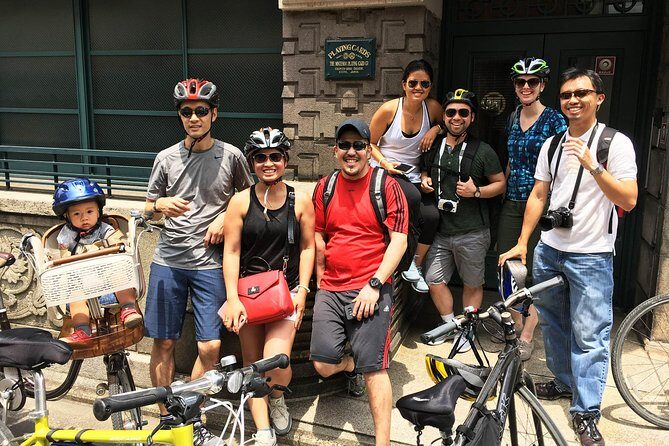
Your tour begins at Cycle Kyoto in Minami Ward (7 Higashikujō Nishisannōchō, Kyoto 601-8003). You meet your guide and the other riders, then get your bike fitted. This first step is more important than it sounds: a proper fit makes the whole ride easier and reduces stop-and-start adjustments later.
Timing starts with about 15 minutes for the shop meet-up and bike fitting. Then you roll out with bottled water in hand. That small detail helps on a morning ride, especially on warmer days (some riders noted hot weather, and the guide still kept things moving at a comfortable pace).
Bikes are high-quality Cannondale models, which is a big deal for comfort. You’re not wobbling around on a bargain rental that turns every turn into a mini workout.
Nishi Honganji: scale, silence, and a temple you can miss
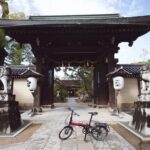
One of the best parts of this tour is that it starts with Nishi Honganji, one of those places people skip because it’s not as loud on the usual hit-list. The stop lasts about 15 minutes, which is short enough to avoid turning it into a museum marathon.
What you get here is the feeling of stepping into a massive wooden religious space. The tour description highlights it as one of the largest wooden buildings in the world, and that scale is exactly why I like including it early. It gives you a strong Kyoto “anchor” before the ride shifts into neighborhoods and photo stops.
Practical tip: expect some standing and walking around within the temple area. Bring your attention to the details you can see quickly—rooflines, big interior spans, and the mood of the space—because you won’t have hours here.
Takase Canal on two wheels: easy photos and real Kyoto calm
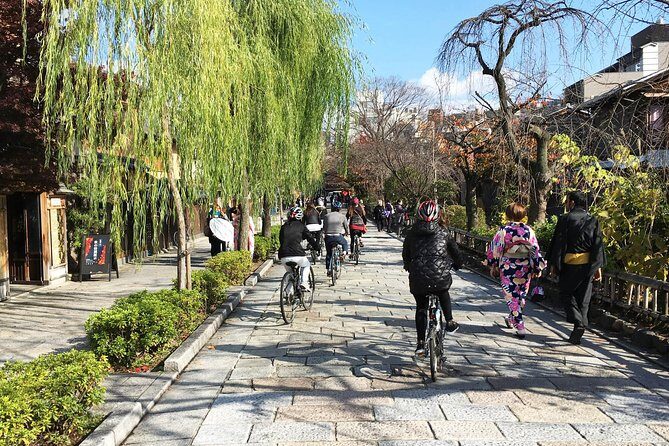
After the first temple stop, you follow the serene Takase Canal on your bike. This section is where the tour earns its “gentle” reputation. The canal area tends to feel more relaxed than the high-traffic zones, and cycling lets you glide past scenes without constantly stopping and starting like on foot.
This is also one of the easiest parts for photos because you’re moving slowly enough to frame shots but not stuck in a crowd. You learn about the canal’s place in Kyoto’s history while you ride, so it’s not just pretty water and bridges.
What to watch for: canal paths can still have pedestrians. The guide’s job is to keep you safe and coordinated, including clear instructions for interacting with bikes and foot traffic. Several past guides were specifically praised for giving straightforward traffic guidance, which is exactly what you want on a city ride.
Gion by bike: seeing the geisha district without being trapped
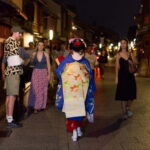
Gion is the famous part, but it can be rough to experience if you’re wandering on your own. This tour approaches it from the riding perspective, which means you can pass through streets and see the layout without spending half your time negotiating sidewalks.
The Gion stop is about 15 minutes. That’s plenty for a quick feel—street character, traditional facades, and the sense of being in one of Kyoto’s most storied neighborhoods—without turning it into a long, tiring slog.
The tour description also hints at the possibility of catching a glimpse of geiko or maiko hidden away. Reality check: you can’t plan on it, and you shouldn’t try to force it. What you can count on is atmosphere.
A drawback to keep in mind: some riders felt the Gion portion could be rushed for photos. If you love photography, be ready to work with the group timing. The best strategy is to identify your must-shoot corner early in the stop, then use the remaining minutes for “walk-by” observation and quick shots.


Tofuku-ji: a short stop with big views
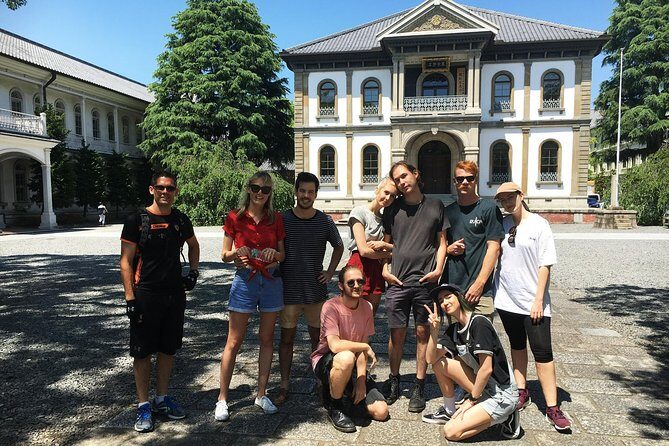
Tofuku-ji Temple is a quick hit—about 5 minutes in this plan—but it’s a smart choice. You get to swing by, then focus on the standout: views from the bridge and the spacious surroundings.
This is the kind of stop that works well on a bike tour. You’re not stuck spending time reading every sign or walking long internal routes. Instead, you get the essential visual impression that makes Tofuku-ji special, then you’re back on the bike for the next highlight.
If you’re the sort of traveler who likes “taste first, explore later,” this timing is ideal. You’ll likely want to come back to Tofuku-ji again on your own with more time—and that’s a good outcome.
Fushimi Inari-taisha: navigating crowds with a guide’s path
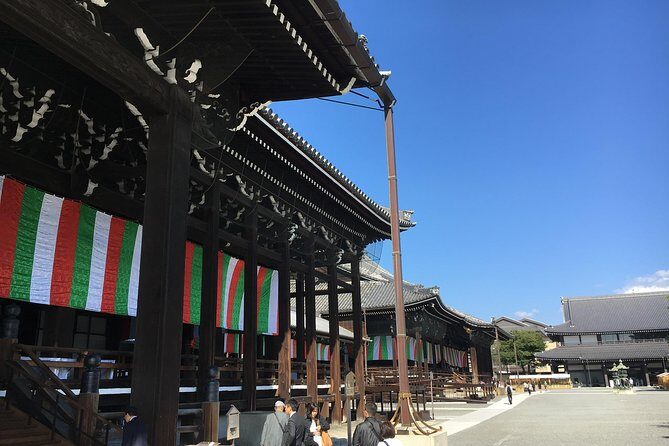
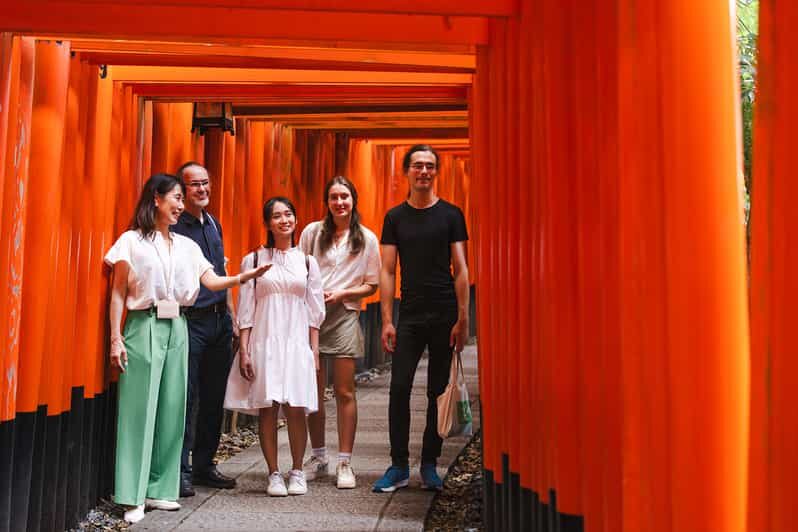
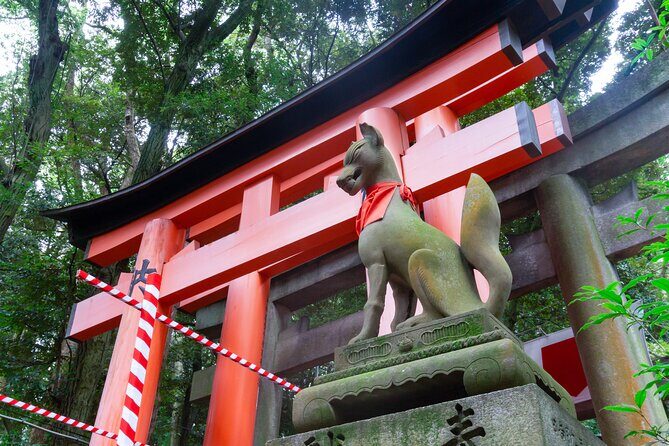
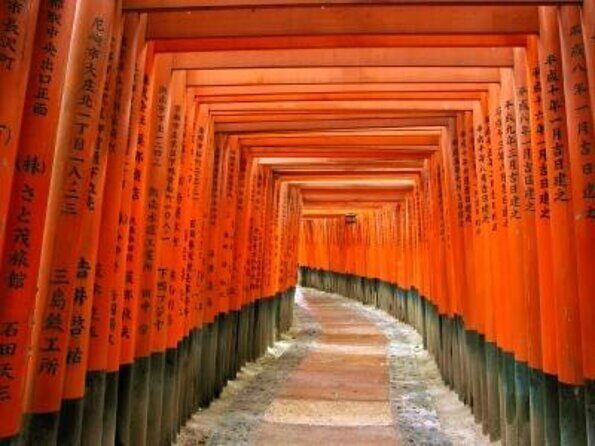
Fushimi Inari-taisha Shrine is the star attraction on this route, and the tour dedicates about 25 minutes to it. The big advantage here is not just the shrine itself—it’s the plan for dealing with crowds.
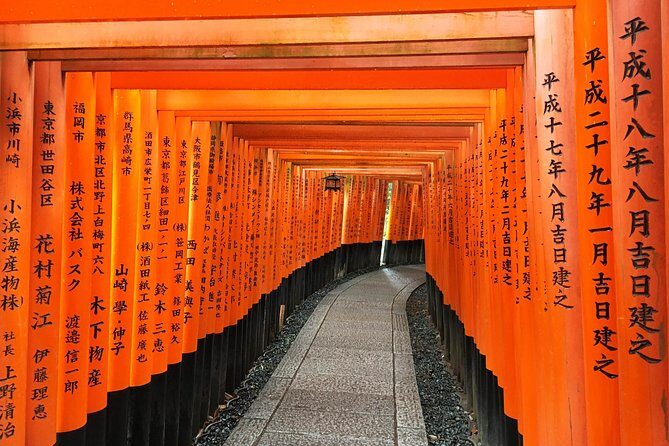
The tour description is direct: guides pick a path between crowds so you can enjoy the experience rather than spend it elbow-to-elbow. In practice, this means you’re more likely to see the torii passageway rhythm without losing your whole time budget to congestion.
Even if you’ve seen photos of Fushimi Inari, there’s a different energy when you’re there in real life—walking the repeating gates, noticing perspective changes, and feeling how the space pulls you forward.
Practical photo advice: torii lines look great from a few angles. If you see a view that works, take it quickly. Then move. On a guided tour, your best photos often come from acting fast and trusting that the route continues to open new angles.
Pace, crowd control, and how your guide can change your day
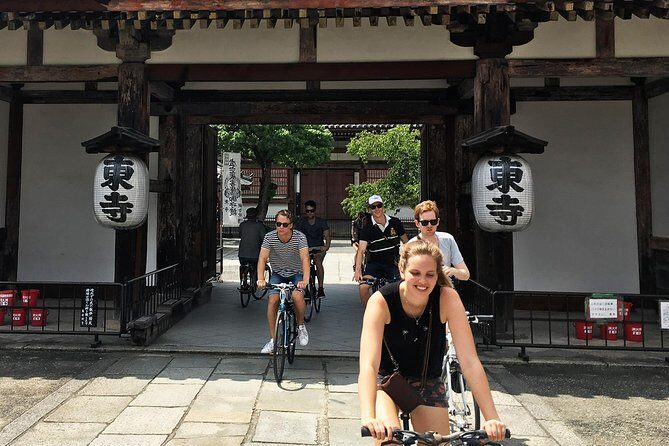
The overall duration is about 3 to 4 hours, which is a sweet spot for south Kyoto. It’s long enough to hit major sights, but short enough that you’re not exhausted by the end.
One reason this works is flexibility. Some guides were praised for adjusting based on crowds and even your personal schedule. Others were praised for clear instructions on safe riding and how to handle pedestrians and traffic. That’s huge—if a guide is good at pacing, the tour feels smooth even when the city isn’t.
That said, there’s a reality check. Several stops are short by design, and that can feel rushed if you want to linger. If you’re traveling with a group, it’s even more important to be ready to move when the guide signals.
A simple way to get more from the day: come with a few priorities. If you care most about Fushimi Inari photos, put your attention there and treat other stops as “experience and snapshot” moments.
Price and value: why $79.59 can be a smart buy
At $79.59 per person for a 3 to 4 hour guided bike experience, you’re paying for three things: time savings, convenience, and a guided route through friction points.
First, you’re not spending time researching the logistics of where to bike and how to connect sights efficiently. Second, the bike and helmet are included, plus bottled water. That means no last-minute rental hunting, no surprise costs, and no wasted energy.
Third, you’re getting help where it matters most: crowd navigation at Fushimi Inari and the day-to-day bike safety instructions around pedestrians and traffic. For many people, that alone justifies the price because it turns Kyoto into a smooth morning rather than a stressful scavenger hunt.
Also, the small group size (max 8) improves the value. You’re not stuck in a large pack where the guide can’t slow down for questions or manage riding rhythms.
Who should book this south Kyoto bike tour
This tour fits best if you:
- Want to cover multiple top sights in one half-day without long waits
- Prefer calmer backstreet riding over walking the whole time
- Like learning from a guide’s explanations, not just checking sights off a list
- Ride comfortably and can handle city traffic safely with instructions
It may not be ideal if you:
- Want long, unhurried time at each stop
- Need lots of solo roaming time to feel satisfied
- Are not comfortable biking in busy pedestrian areas
You’ll also get a better experience if you’re okay with the idea that the guide’s plan sets the tempo. This is less about自由 roaming (free wandering) and more about a well-paced route.
Should you book? My straight answer
Book it if you want a practical, low-stress way to see south Kyoto and you’re happy riding a bike for several hours with a guide leading the way. The included bike and helmet, the small group size, and the crowd-handling at Fushimi Inari make this feel like good value, not a luxury add-on.
Skip it or think twice if you’re the type who needs 45 to 90 minutes per major stop to feel calm. The tour’s strength is efficiency plus smart photo windows, and that means you may not get unlimited linger time.
If you’re doing Kyoto for the first time or you’re short on time, this is one of the easiest ways to get an overview while still feeling like you’re moving through real neighborhoods.
FAQ
FAQ
How long is the South Kyoto bike tour?
The tour runs about 3 to 4 hours.
What’s included with the tour price?
The tour includes a high-quality Cannondale bike, a helmet, bottled water, and use of the bicycle.
Which major sights does the tour visit?
You’ll stop at Nishi Honganji, Takase Canal, Gion, Tofuku-ji Temple, and Fushimi Inari-taisha Shrine.
What’s the minimum age to join?
Riders must be at least 13 years old.
Do I need to have biking experience?
Most travelers can participate, as long as you are comfortable riding a bike.
How big is the group?
This tour has a maximum of 8 travelers.
What happens if the weather is poor?
The experience requires good weather. If it’s canceled due to poor weather, you’ll be offered a different date or a full refund.