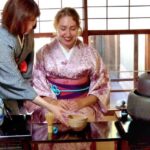
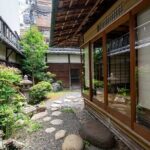
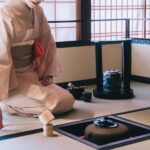
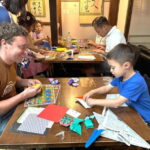
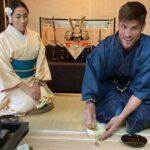
A private tea ceremony in Kyoto can feel surprisingly personal. At Camellia Garden Teahouse, you get a tea moment that’s designed to keep you away from crowds, with traditional garden views right outside the room. If you end up with Yumiko as your host, you’ll get a friendly, clear walkthrough of the history of tea and the ritual behind each movement.
What I love most is the hands-on part. You don’t just watch. You learn the practical techniques of using a whisk, scoop, and bowl to make matcha. And you also get a proper start with a small ritual-style welcome in a sofa room overlooking the front garden, along with seasonal sweets from a well-regarded Kyoto confectioner.
One possible drawback: this is a very focused, one-hour experience. It’s not trying to be a full-day immersion, so if you’re looking for a long, drawn-out deep cultural program, you might want something longer. Also, kimono rental isn’t available at this location, even though there’s a kimono dresser on site.
In This Review
- Key highlights you’ll actually feel
- Where Camellia Garden Teahouse sits in Kyoto’s tea world
- Arriving: the sofa room welcome and your first ritual cues
- Watching the ceremony in the main tearoom with the garden backdrop
- Hands-on matcha making: whisk, scoop, bowl, repeat
- Questions, photos, and the pace of a one-hour private session
- About kimono dressing: what’s available and what isn’t
- Who this tea ceremony suits best
- Price and value: $118.60 per person, and what you’re paying for
- Practical tips to help your hour go smoothly
- Should you book Camellia Garden Teahouse Private Tea Ceremony?
- FAQ
- How long is the tea ceremony experience?
- Is this experience private or shared with other people?
- Where do we meet for the tea ceremony?
- What is included for matcha making?
- Is kimono rental included?
- Will I be able to sit if I don’t want to sit on the floor?
- Do I need to worry about weather?
- Is the instructor’s English explained to visitors?
- Is the teahouse near public transportation?
- Are service animals allowed?
Key highlights you’ll actually feel
- Private by design: your party stays together, with no strangers sharing your session
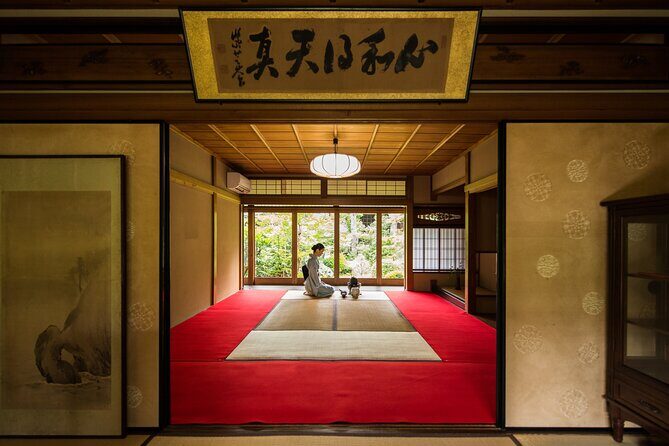
- Garden-backed tea room: watch and drink with a main garden as your backdrop
- Matcha practice with real tools: whisk, scoop, and bowl are provided so you can do it yourself
- History + ritual, not just performance: your instructor explains what you’re seeing and why
- Sweets first, then matcha: you’ll be welcomed with seasonal sweets before the ceremony proper
Where Camellia Garden Teahouse sits in Kyoto’s tea world
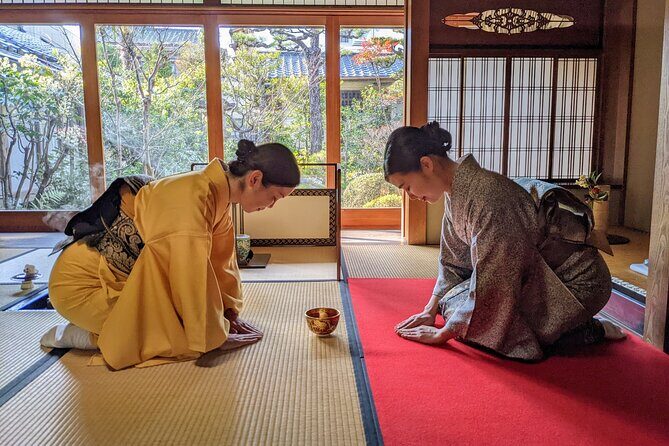
This experience takes place at a teahouse connected in spirit and setting to the Ryōan-ji area. The meeting point is at Tea Ceremony Camellia GARDEN, located at 18 Ryōanji Ikenoshitachō in Ukyo Ward, and it’s positioned across the road from Ryōan-ji. That matters because you’re not just booking tea in a generic space. You’re stepping into a quieter corner of Kyoto that already feels tied to contemplation.
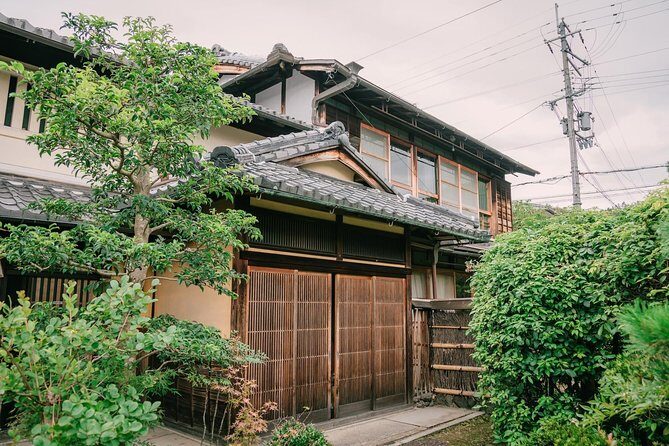
The property itself is described as a 100-year-old place, surrounded by two traditional Japanese gardens. That’s not just decoration. In a tea ceremony, atmosphere is part of the lesson. The gardens frame what “calm” looks like in practice: clean sightlines, thoughtful silence, and the sense that you’re in the right place for slow movement.
Another practical win: it’s close to public transportation. Kyoto can be a walking-and-transit maze, and being near transit makes it easier to plan around other sights like Ryōan-ji and the surrounding temple area.
A few more Kyoto tours and experiences worth a look
Arriving: the sofa room welcome and your first ritual cues
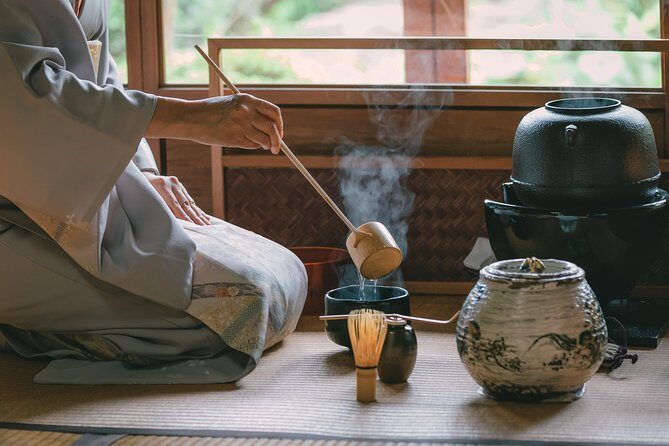
Your session begins in a sofa room that looks out toward the front garden. Instead of jumping straight into whisking, the instructor starts with an introduction. This is where you get context for what you’re about to do.
You’ll hear about the history and culture surrounding tea. Then you get a welcome that’s very on-brand for Kyoto: seasonal sweets served from one of the city’s well-known confectioners. These sweets are more than a snack. They help you settle your senses before matcha hits. Also, since it’s Kyoto, the sweets tend to set expectations for taste, texture, and presentation.
This opening time is also where you’ll find out how your host will guide you through the ceremony. If you’re the type who worries about doing things wrong, this is reassuring. You’re given the structure first, then you move into the ceremony with fewer question marks.
Watching the ceremony in the main tearoom with the garden backdrop
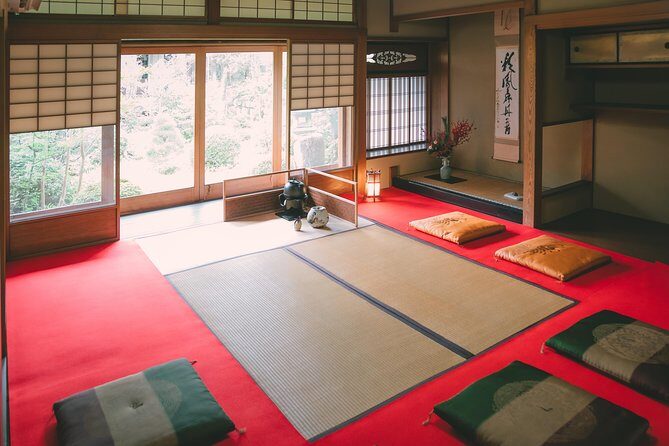
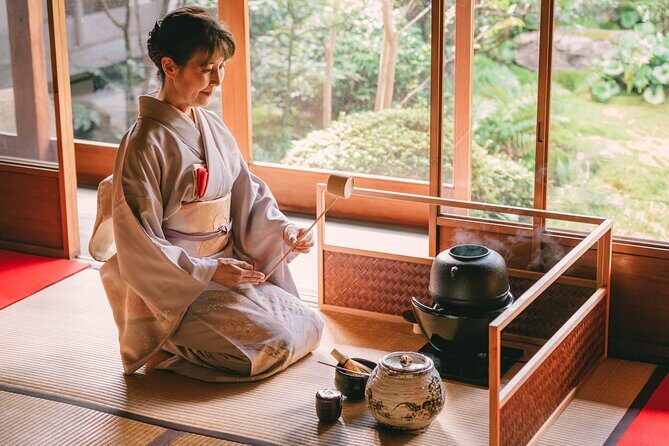
Next, you’ll move to the tearoom itself. This is the part where the setting really does its job: the main garden becomes a visual backdrop while the ceremony unfolds.
A tea ceremony isn’t only about tea flavor. It’s about timing and attention. Watching from the right spot helps you notice details you’d miss if this were just a cooking class. You see how the movements connect—how the whisking, scooping, serving, and drinking all fit together as one controlled sequence.
After you’re served tea, you’ll have time to enjoy it. If you’re new to matcha, this is often the moment where matcha stops being a trend and starts being a real beverage experience. You’ll taste the style of matcha you’re working with, and you’ll start to understand why preparation matters so much.
Hands-on matcha making: whisk, scoop, bowl, repeat
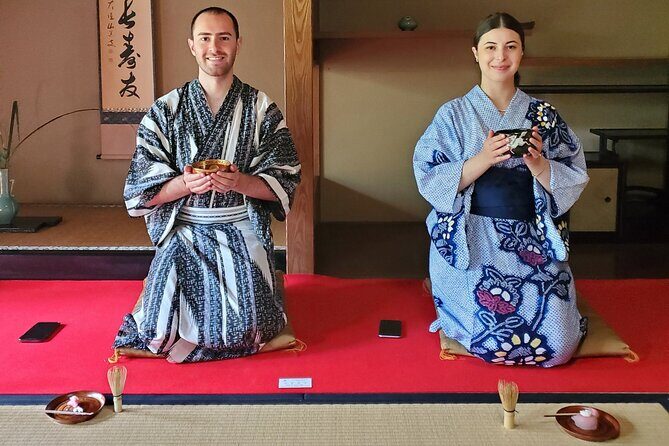
Now comes the fun part: you get the chance to make your own bowl of matcha. Tools are provided, including tea bowls, tea scoops, and tea whisks, so you’re not scrambling for anything before you arrive.
This is where the experience becomes practical. The instructor shows you how to use the whisk and how the scoop and bowl fit into the process. Then you get to do it yourself. You’re not expected to be perfect on your first attempt, either. The goal is learning the method in a way that makes sense for your own hands.
A good private session means you can ask questions while you’re still in the middle of learning. That’s where the ceremony becomes less “watch and hope” and more “you can actually do this.” It’s also where the experience turns into a memory you can carry home. Even if you never become a matcha artist, you’ll likely remember the logic of the movements.
Questions, photos, and the pace of a one-hour private session
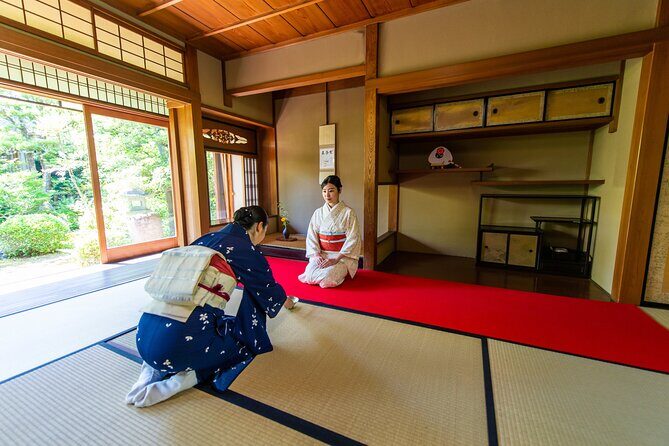
One of the underrated values here is pacing. Your session is about one hour, which means you get a complete experience without dragging it out. The time structure helps you stay focused: welcome and context, viewing and tasting, then making your own matcha, then questions.
You’ll also have plenty of time to ask questions and take photographs. If you care about getting garden-and-tea-room shots without feeling rushed, this is a big plus. The private format helps too. You’re not fighting with other parties for the best angle.
Also worth noting: there’s a chair option available. If you’d rather not sit on the floor, chairs are provided. That helps a lot in Kyoto, where floor seating can be fine for some people and difficult for others.
Other private tours in Kyoto





About kimono dressing: what’s available and what isn’t
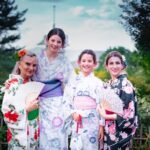
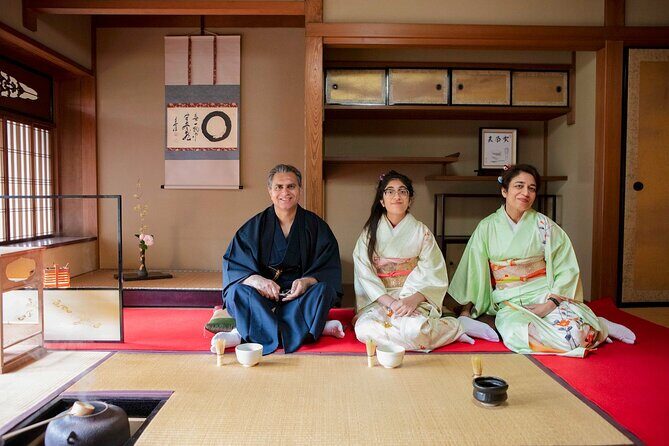
There’s a dedicated kimono dresser on site. If you want to dress in kimono for your experience, let them know during checkout. That’s a nice cultural touch if you plan ahead.
One caution: kimono rental is not available at this location. So if you’re hoping the experience handles everything for you, you’ll want to confirm how you’ll source the kimono if you want to wear one.
Who this tea ceremony suits best
This is a strong fit if you want:
- A calm, structured activity that’s still hands-on
- An intro to Japanese tea ceremony with clear guidance
- A private experience where you can ask questions without timing pressure
- A cultural activity near Ryōan-ji, without the hassle of crowds
It’s also a good option if you’re traveling with someone who doesn’t love long tours. The one-hour format feels complete. You get a beginning, middle, and end that makes sense.
If you’re the type who enjoys food experiences that aren’t just tasting, you’ll likely like this too. You start with seasonal sweets, then move into matcha tasting and making. It’s a layered experience, not a single-note one.
Price and value: $118.60 per person, and what you’re paying for
At $118.60 per person for an approximately one-hour private session, the price isn’t low. This is one of those experiences where value comes from what’s included and what’s avoided.
You’re paying for:
- A private session for your party (no sharing time with strangers)
- A dedicated instructor guiding you through ritual and technique
- Provided matcha tools (bowls, scoops, whisks)
- Tea service plus seasonal sweets during the welcome
There’s also mention of group discounts, so if you’re traveling with more people, the per-person math can improve. And the experience uses a mobile ticket, which usually means smoother day-of entry.
In practice, this kind of price makes sense when you want more than a generic activity. You’re buying attention, privacy, and a guided “do it yourself” outcome.
Practical tips to help your hour go smoothly
- Wear shoes you can easily slip off, since you’ll be in a traditional setting.
- If you’re sensitive to sitting on the floor, choose a session where you’ll use the chairs option.
- Go into matcha-making curious, not competitive. Your first bowl won’t need to be museum-level.
- If you’re running late, this operation has shown flexibility in changing times for a party that was delayed. It’s still best to be on time, but it’s reassuring to know they handle schedule issues thoughtfully.
Should you book Camellia Garden Teahouse Private Tea Ceremony?
Book it if you want a quiet, private matcha experience with real instruction and a garden setting that actually supports the mood. The hands-on bowl-making is the part that gives this tour staying power. You’ll leave knowing what you did, not just what you watched.
Skip it (or look for a different format) if you want a long, multi-hour tour or if kimono dressing is your top priority and you need kimono rental included. With that said, if you’re here for the tea ritual and the calm, Camellia Garden Teahouse is a great use of an hour.
FAQ
How long is the tea ceremony experience?
The session is approximately 1 hour.
Is this experience private or shared with other people?
It’s private. Only your group will participate.
Where do we meet for the tea ceremony?
The meeting point is Tea Ceremony Camellia GARDEN, 18 Ryōanji Ikenoshitachō, Ukyo Ward, Kyoto, 616-8003, Japan.
What is included for matcha making?
Tea bowls, tea scoops, and tea whisks are provided so you can make your own bowl of matcha.
Is kimono rental included?
No. Kimono rental is not available at this location, though there is a dedicated kimono dresser on site.
Will I be able to sit if I don’t want to sit on the floor?
Yes. Chairs are available for those who would prefer not to sit on the floor.
Do I need to worry about weather?
Good weather is required. If it’s canceled due to poor weather, you’ll be offered a different date or a full refund.
Is the instructor’s English explained to visitors?
Your instructor is described as well spoken in English in participant feedback.
Is the teahouse near public transportation?
Yes, it’s near public transportation.
Are service animals allowed?
Service animals are allowed.