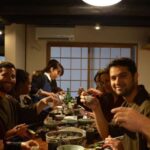
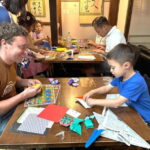
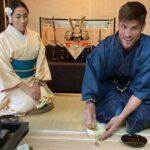
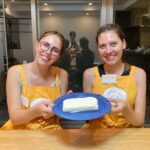
A sushi lesson in someone’s home. The experience at Roujiya in Kyoto is built around hands-on cooking plus the stuff that matters at the table, like etiquette and taste. Led by Kaori, it stays relaxed because it’s a small group.
I love that you leave with a recipe handout and a clear sense of what to do step by step, not just a plate of food. I also like the way the meal connects to technique—soup, sushi rice, and pickled ginger are all part of the same flow.
One thing to plan for: meeting up can be a little fiddly in Kyoto. There’s no hotel pickup, and the address/pin can be confusing for some rideshare drivers, so give yourself extra time.
In This Review
- Key highlights to expect
- Sushi in Kyoto, Done the Hands-On Way
- What You’ll Cook: Sushi Rice, Dashi Soup, and Pickled Ginger
- Japanese Table Manners You Can Use the Same Day
- The Lesson Style: English Instructions, Small Group Attention
- Drinks, Extras, and What Counts as Included
- Price and Value: Why $72.67 Can Make Sense
- Location and Timing: Finding Roujiya in Kyoto
- Who This Class Is Best For
- What You Take Home (Besides Full Stomachs)
- Should You Book Roujiya Sushi Cooking Class in Kyoto?
- FAQ
- How long is the sushi cooking class?
- What does the class cost?
- What’s included in the price?
- Is hotel pickup and drop-off included?
- Where do I meet for the class?
- What time does the class start?
- Is the class taught in English?
- Do I need prior sushi experience?
- Are dietary needs accommodated?
- Is the group small?
- Can I cancel for a refund?
Key highlights to expect
- Kaori’s kitchen, small-group pace: intimate class size with plenty of attention while you cook
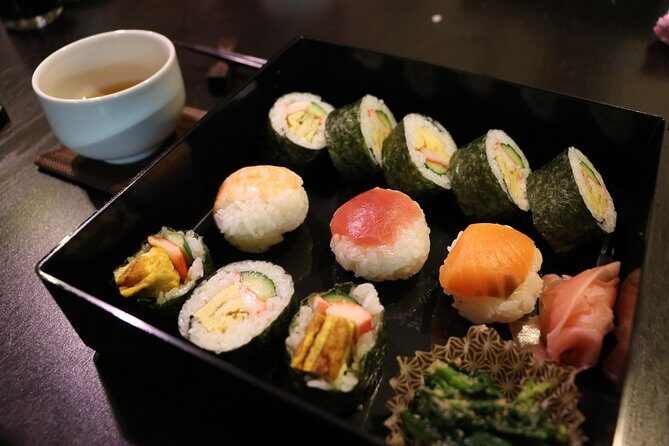
- Real sushi basics you can repeat at home: sushi rice, dashi soup, and pickled ginger
- Table manners built into the lesson: not just how to make sushi, but how to eat it properly
- Taste lessons like umami and dashi: you’ll learn why flavors work together, not only the steps
- Recipes in English: a take-home guide so you can practice later
Sushi in Kyoto, Done the Hands-On Way
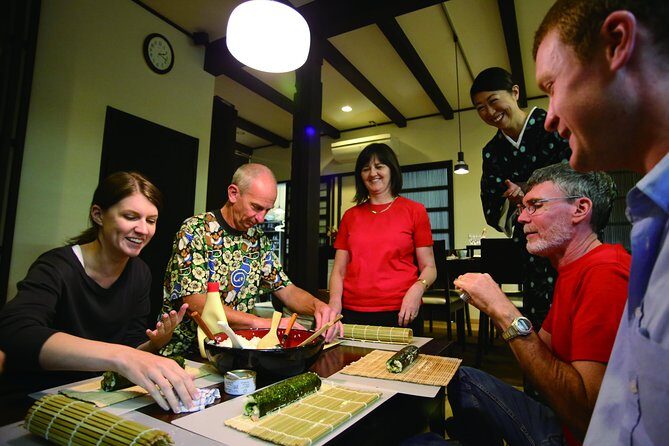
Kyoto is great for food, but this class gives you something more valuable than another meal: the ability to recreate sushi with confidence. You’re not sitting on the sidelines. You’re working at the cutting board and rice bowl, learning how Japanese cooking is paced, portioned, and seasoned.
The setting helps, too. It’s at Roujiya, in a home-kitchen style space in Nakagyo Ward (22-58 Nishinokyō Ikenouchichō). More than once, you’ll hear the logic behind techniques—especially around sushi rice and dashi—so the food isn’t a mystery. You also get an aperitif and Japanese green tea to complement the meal, which turns the class into an actual dining experience, not a workshop you rush through.
Other cooking classes in Kyoto


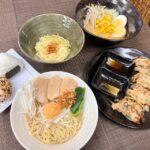
What You’ll Cook: Sushi Rice, Dashi Soup, and Pickled Ginger
The food part is practical and very “you can do this again.” The class focuses on making several types of sushi along with Japanese soup and pickled ginger. You’ll also handle key ingredients and seasonings, which is where most people struggle when they try sushi at home.
A common flow in the class goes something like this:
- You start with a bowl of Japanese soup (dashi is often mentioned).
- Then you move into sushi rice: how it’s mixed, seasoned, and handled.
- After that, you make sushi and prepare or portion pickled ginger.
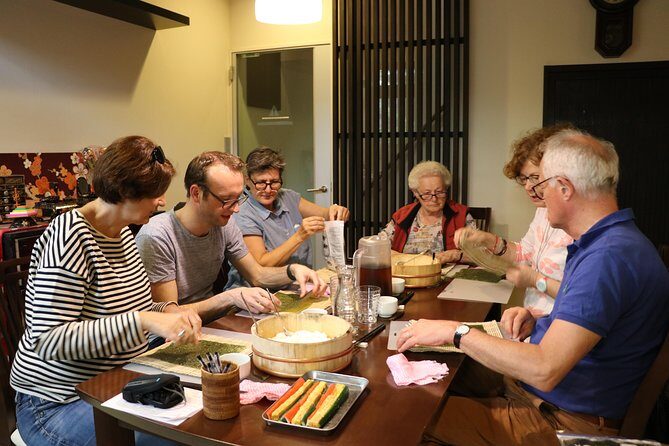
One detail that showed up again and again: the importance of sushi rice texture. You’ll learn the technique of fanning the rice while it’s readying, which helps with temperature and stickiness. It sounds small, but it’s the kind of thing that makes sushi rice behave the way you want instead of turning into a sticky mess you can’t shape.
You’ll also learn why Japanese cooking leans so hard on umami. Expect talk about what umami tastes like and how ingredients build it—especially with dashi made from seaweed and bonito flakes. That doesn’t just feel educational; it gives you a mental shortcut for future cooking. When you understand the flavor structure, you stop guessing.
Japanese Table Manners You Can Use the Same Day
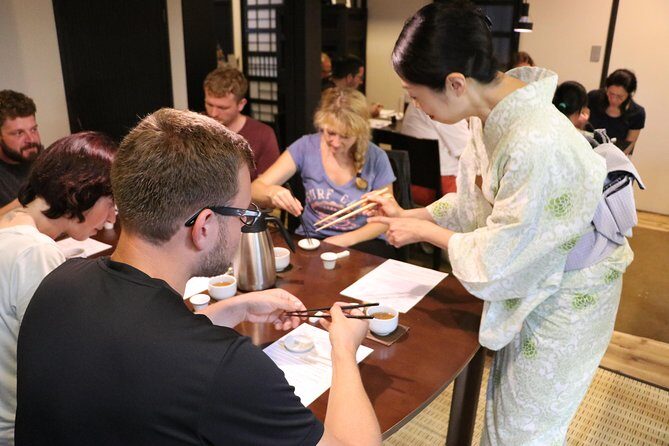
This is not only a “make sushi” class. It’s also a Japanese etiquette class in food form. You’ll learn table manners specifically tied to sushi dining, and you’ll get background culture around Japanese cuisine while you eat.
From the class content shared in the materials, you’ll see that manners aren’t treated as decoration. They’re practical:
- how chopsticks are handled and why the style differs in Japan,
- how to approach sushi so you don’t break the flow of the meal,
- how ingredients and small touches (like pickled ginger) fit into the experience.
One fun cultural detail you may hear: why Japanese chopsticks are shorter than Chinese ones. It’s the kind of fact that makes your meal feel more grounded in everyday life, not a tourist performance.
If you’ve ever felt awkward ordering or eating Japanese food because you don’t know the “rules,” this part helps fast. You’ll feel less like you’re trying to copy a TV scene and more like you’re participating normally.
The Lesson Style: English Instructions, Small Group Attention
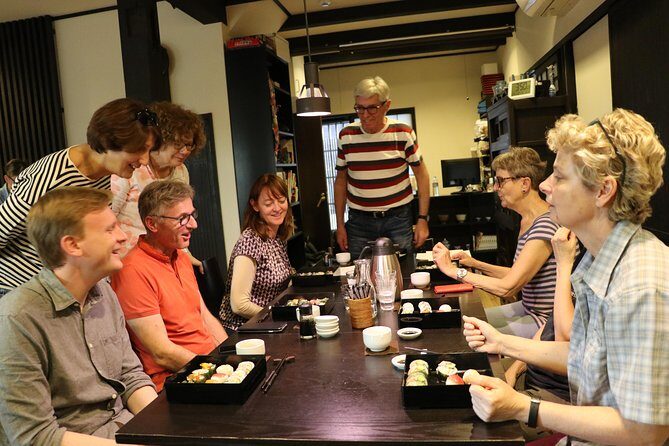
The class is built for a small group. The description highlights a cap at eight people, and the booking info also lists a maximum of 12 travelers. Either way, it’s clearly not the large, assembly-line style where you watch someone else do everything.
That small-group size is a big reason people leave happy. You’re not just told what to do—you’re corrected while you’re doing it. Kaori’s teaching style comes through in the feedback: she walks you through each stage, checks that you’re following steps correctly, and adjusts when your sushi rice or shaping needs a tweak.
Another practical win: the class has time for both cooking and tasting. Some people say the pace includes a good mix of watching and participating, which matters. If you want to learn, you need enough hands-on time to repeat the actions yourself.
English instruction is included. That doesn’t sound special until you’re standing in a kitchen in a new country trying to understand why your rice looks different than the person next to you. Clear explanation helps, and the class materials (recipes in English) support what you learn in the moment.
Drinks, Extras, and What Counts as Included
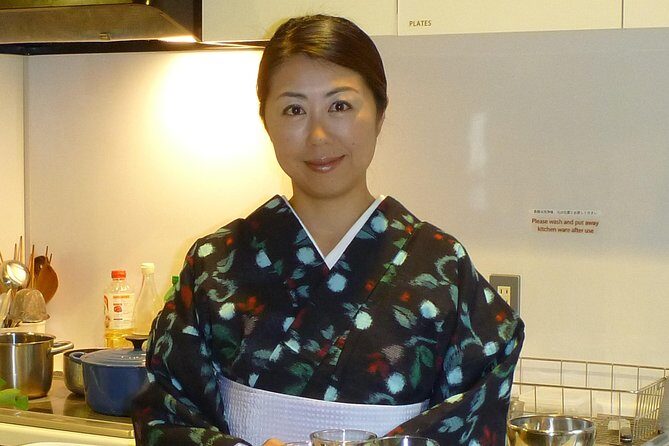
In the included package, you get a meal, all ingredients, an English-speaking cooking instructor, recipes to take away, and both an aperitif plus Japanese green tea. For value, this matters because you’re paying for the full cooking workflow, not just a tasting.
Aperitif and tea also help the class feel complete. You’re not only learning flavor theory with dashi; you’re eating with it. The green tea and the way the food is served makes the class feel like a real Japanese meal structure.
One additional note: some people mention sake and beer offered after you’ve made the sushi, as an extra expense. So, if you drink alcohol, decide in advance whether you want that add-on and keep it in your mental budget.
A few more Kyoto tours and experiences worth a look



Price and Value: Why $72.67 Can Make Sense
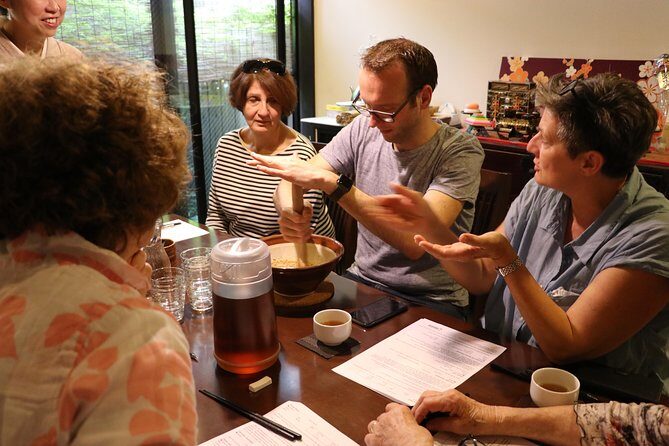
At $72.67 per person for about two hours, the price lands in the mid-range for experiences. The question is what you get for that money, and here the answer is clear: you get skills plus ingredients plus a take-home guide.
A few things that make the math feel fair:
- Ingredients are included, so you’re not thinking about what you still need at home.
- You eat what you make, so there’s no mismatch between “lesson time” and “meal value.”
- You receive recipes to take home, which turns the experience into a future cooking session.
- You learn sushi dining etiquette, which you can use long after the class ends.
The biggest value is psychological. Once you’ve shaped sushi, made sushi rice, and understood dashi, your next restaurant meal feels different. You notice technique and seasoning patterns instead of only enjoying the taste.
Location and Timing: Finding Roujiya in Kyoto
Start time is 11:30 am, and it runs about two hours. It’s a good midday plan if you want a structured activity without losing your whole afternoon.
The meeting point is Roujiya at 22-58 Nishinokyō Ikenouchichō, Nakagyo Ward. The location is described as near public transportation, and the activity uses a mobile ticket.
Still, Kyoto addresses can be confusing for drivers. One hiccup reported was related to rideshare getting lost with the address. My practical advice: confirm the pin or directions you’re given before you leave, and build in a little buffer time. Showing up slightly early is the easiest way to protect your schedule.
Also, since there’s no hotel pickup and drop-off, plan to reach the meeting spot on your own.
Who This Class Is Best For
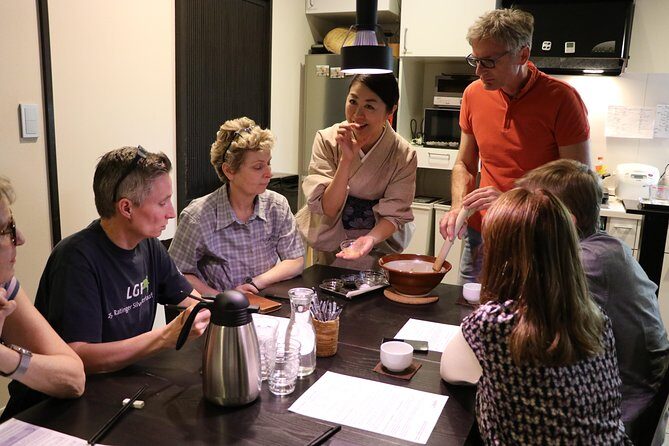
This class fits a wide range of people because it’s hands-on but not technical-gym hardcore. You can go in with no sushi background and still get results—people specifically mentioned starting knowing nothing and leaving able to make sushi.
You’ll likely enjoy it most if:
- you want a real souvenir skill, not just photos,
- you like learning the “why” behind cooking steps (umami, dashi, rice handling),
- you care about proper Japanese table manners,
- you’re traveling as a couple, a small group of friends, or family.
Family-friendly came up in the feedback, and there’s also mention of gluten-friendly needs. The key move is to advise any dietary requirements at the time of booking so Kaori and the team can plan.
What You Take Home (Besides Full Stomachs)
The obvious takeaway is the food you eat during the class: sushi you make, plus Japanese soup and pickled ginger. But the better takeaway is what you can reproduce at home.
The class provides recipes, and the paper guide format stood out in feedback. One person noted a 4-page guide covering Japanese manners and recipes for sushi rice, soup, and pickled ginger. Even if your guide format feels slightly different that day, the point is the same: you’re not leaving empty-handed.
You’ll also take home a clearer mental model of sushi flavor:
- dashi as the base for depth,
- umami as a guiding concept,
- sushi rice handling as the difference between okay and legit.
And if you’ve ever watched a sushi video online and thought, yeah, but how do they get that texture, this class trains that exact part—rice preparation and shaping.
Should You Book Roujiya Sushi Cooking Class in Kyoto?
I’d book it if you want a true Kyoto food memory—one you can cook again. The combination of hands-on sushi making, Japanese etiquette, and take-home recipes is a rare mix. You get more than a meal: you get a repeatable skill and a better understanding of how sushi dining works.
I wouldn’t book it if you’re tight on time or hate the idea of locating a specific address on your own. Also, if you don’t want any cultural/etiquette component and only want food tasting, you might find this more instructional than expected.
If you do book: go hungry, arrive a little early to account for Kyoto addressing quirks, and tell them your dietary needs upfront. Then enjoy the process. Sushi gets easier the moment you stop treating it like magic.
FAQ
How long is the sushi cooking class?
It’s approximately 2 hours.
What does the class cost?
The price is $72.67 per person.
What’s included in the price?
You get the meal, all ingredients, an English-speaking instructor, recipes, an aperitif, and Japanese green tea.
Is hotel pickup and drop-off included?
No. You’ll need to get to the meeting point on your own.
Where do I meet for the class?
Start is at Roujiya, 22-58 Nishinokyō Ikenouchichō, Nakagyo Ward, Kyoto 604-8375, Japan.
What time does the class start?
The start time is 11:30 am.
Is the class taught in English?
Yes, the cooking instructor speaks English.
Do I need prior sushi experience?
No prior experience is required based on how the class is described and the outcomes shared in feedback. You learn sushi rice, soup, and pickled ginger during the session.
Are dietary needs accommodated?
You can advise specific dietary requirements at booking. One review specifically mentions gluten-friendly support, but you should still share your needs ahead of time.
Is the group small?
Yes. It’s capped at eight people, and the maximum listed for the experience is up to 12 travelers.
Can I cancel for a refund?
Yes. Free cancellation is available up to 24 hours before the experience starts for a full refund.