Kyoto looks different at bike speed. This private ride is built for the parts of the city cars and buses miss, with a local host guiding you through classic neighborhoods like Gion and quieter lanes near the river. You also get break time to hear what you’re actually seeing, not just a checklist of stops.
Two things I really like: private, no-rush attention from your guide and a route that mixes famous Kyoto with the smaller streets where the city feels lived-in. One possible drawback to plan for is biking in traffic and around busy pedestrian zones, so you’ll want to feel comfortable on a bike and follow your host’s pace.
In This Review
- Key points to know before you pedal Kyoto
- Why a private bike tour works so well in Kyoto
- Getting started at J-Cycle and what 2.5 hours really covers
- Pedaling from the start toward Higashiyama’s slower, prettier rhythm
- Philosopher’s Path: the stone path you’ll want more time on
- Gion shinbashi and Shirakawa river: old Kyoto at the street level
- Kamogawa River: why the duck river name fits the mood
- The “may include” stops: how flexible routes help you see more
- How guides like Naoki, Sebastian, and Eiji shape the day
- Price and value: is $162.05 worth it?
- Who this bike tour suits best (and who might not love it)
- FAQ
- Do I ride a bike the whole time?
- How long is the tour?
- Where do I meet the guide?
- Does the tour end at the same meeting point?
- Is this tour private?
- What’s included besides the guide?
- What sights does the tour cover?
- Are admission tickets required for the stops?
- Is hotel pick-up included?
- Can I cancel for a full refund?
- Should you book this private Kyoto bike tour?
Key points to know before you pedal Kyoto
- Private guide, real time so you can ask questions and move at your speed
- Bike access to streets that feel awkward by bus or too far on foot
- Short sight stops + breathing breaks so you don’t burn out after 10 minutes of photos
- Philosopher’s Path, Gion, Kamogawa River are the core scenery
- Bike rental + local snack or drink are included, so you start with fewer hassles
- Flexible extra stops may be added depending on your host and timing
Why a private bike tour works so well in Kyoto
Kyoto can feel like a choose-your-own-adventure city, but most sightseeing formats are one-size-fits-all. This is different. You get a private setup and a guide who can steer you away from the worst crowds at that moment.
The best part is the undivided attention. If you want more time looking at a bridge, street layout, or neighborhood rhythm, you can usually ask. If you’re tired, you can slow down. That matters because Kyoto isn’t about racing from landmark to landmark. It’s about getting your bearings so the rest of your trip makes sense.
Other cycling tours in Kyoto


Getting started at J-Cycle and what 2.5 hours really covers
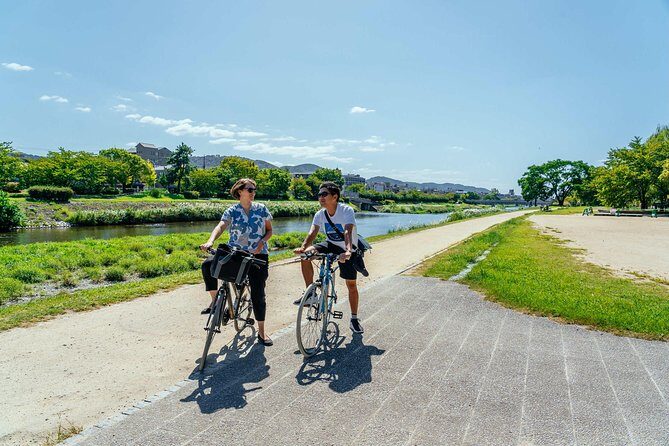
You meet outside J-Cycle in Shimogyo Ward (192 Nakanonochō), and the tour loops back to the same spot when you’re done. The full experience runs about 2 hours 30 minutes, which is long enough to feel like you did something meaningful, but short enough to keep the day from collapsing.
Bike rental is included, and the tone of the tour is practical. You’re not just sitting on a bus waiting for the next stop. You’re learning how to move through Kyoto, which helps later when you’re planning where to walk.
You might also be offered an e-bike option if you want one. That’s useful in Kyoto’s heat and humidity, or if you just want an easy ride without thinking about gears.
Two notes to keep in mind:
- Hotel pick-up and drop-off aren’t included, so you’ll need to get yourself to the meeting point.
- This is generally doable for most people, but you’re still sharing road space with bikes, pedestrians, and cars in busy areas. Dress for comfort and expect short stretches where you’re alert more than relaxed.
Pedaling from the start toward Higashiyama’s slower, prettier rhythm
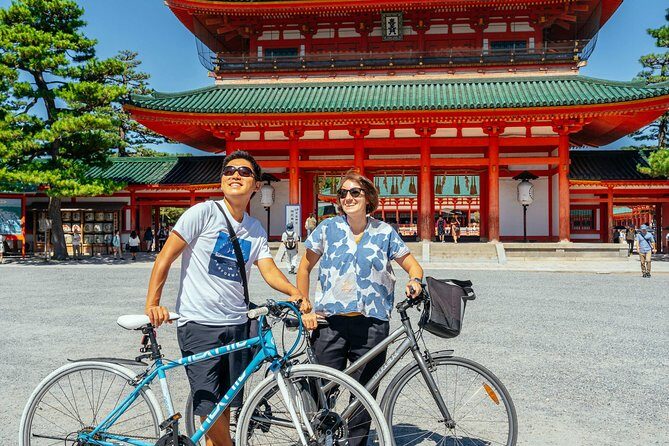
Once you roll out, the tour’s logic becomes clear: it favors the kind of streets that feel “Kyoto” without requiring you to do a full day of walking. You’ll see how your guide reads the city—where to turn, when to wait, and where the best views appear with just a slight change in angle.
The route is designed around neighborhood texture: riverside edges, old-street corridors, and classic districts that feel like they were made for strolling. Bike breaks also matter here. You’re not stuck listening while moving at constant speed. Your guide can explain what’s important during pauses.
Also, this tour is listed as carbon neutral, and that’s a nice bonus if you like to align sightseeing with lower-impact choices. The bigger point though is the format itself: you’re covering ground efficiently without flattening Kyoto into a rushed walking tour.
Philosopher’s Path: the stone path you’ll want more time on
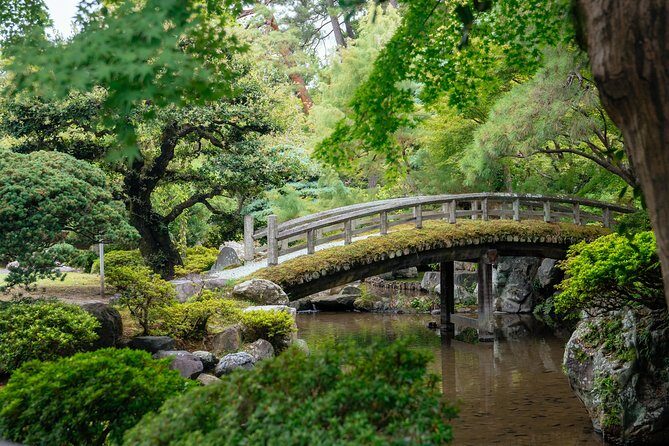
One of the signature stops is The Philosopher’s Path (Tetsugaku no michi) in the northern Higashiyama area. It’s a pleasant stone path setting, the kind of place where you can slow down and actually look at the surroundings instead of just passing through on foot.
You’ll get a short break here (about 10 minutes), and that’s the smart part. Even if you’ve seen photos, this stop is better when you pause long enough to notice how the path works—how it guides your eyes and how the calm pace changes the whole feel of the walk.
Practical consideration: since it’s a scenic pedestrian area, expect some crowding. Your guide’s job is to time your movement so you’re not constantly braking or weaving. If you’re the type who gets flustered in tight spaces, this is where you’ll notice the value of having someone lead.
Gion shinbashi and Shirakawa river: old Kyoto at the street level
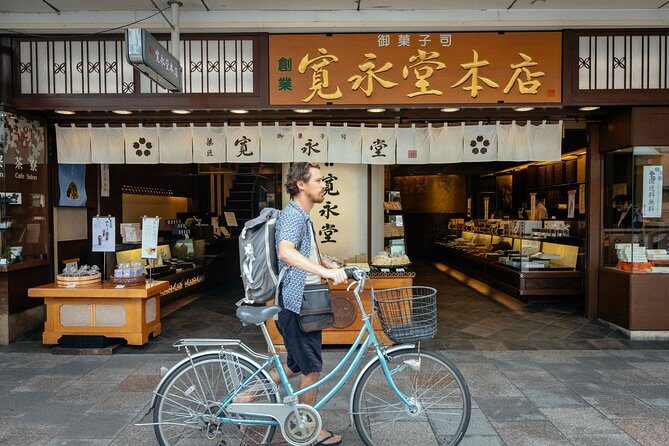
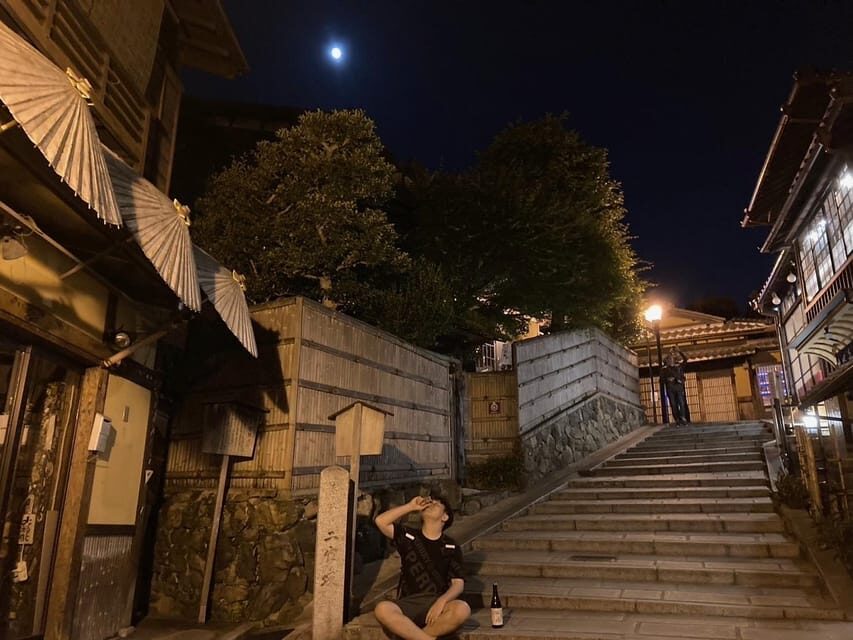
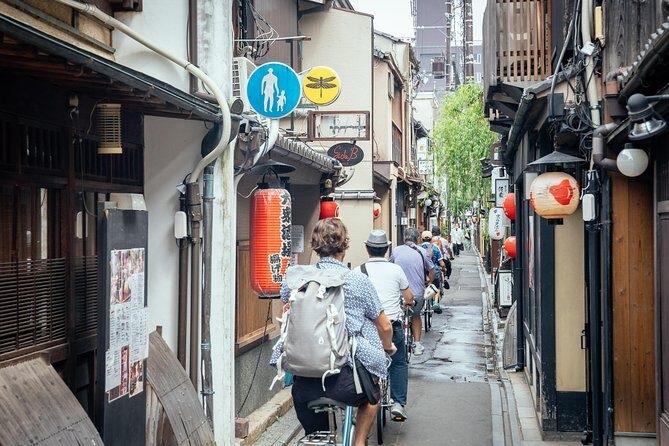
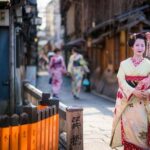
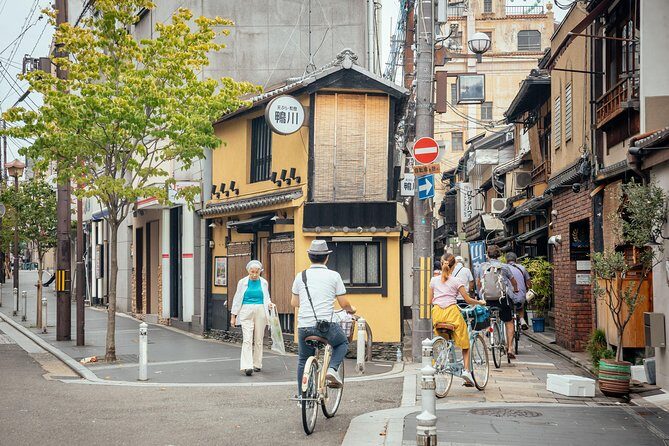
Next up is Gion shinbashi, along with the Shirakawa River area. This is the kind of Kyoto scene people picture—traditional neighborhood streets, river-adjacent views, and that special “this feels historic but still active” vibe.
The stop is short (about 10 minutes), which is good. It lets you absorb the atmosphere without spending your whole time stuck in one photo spot. When you’ve got a guide, you also get help with where to look and how to move through the area efficiently.
One reason biking here works: bikes help you reach small lanes and positioning that a bus can’t manage. You still do some walking, but you’re not trying to cross the city on foot with only a vague plan.
A small but important safety note: Gion and the surrounding areas can be pedestrian-heavy. Keep your focus on your guide’s instructions and don’t treat every turn like a bike lane.
Other private tours in Kyoto


Kamogawa River: why the duck river name fits the mood
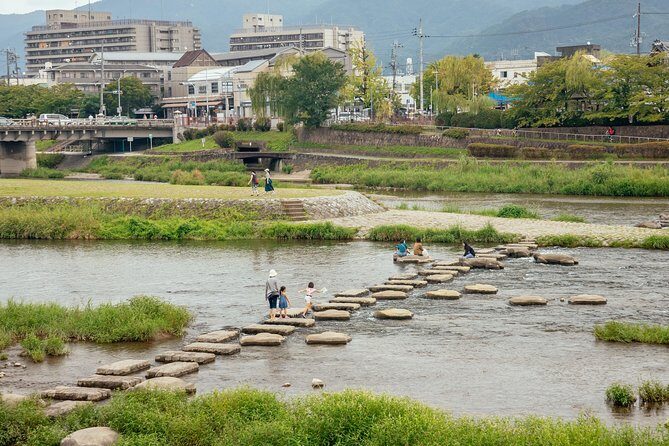
Then you shift to the Kamogawa River area. The name is a fun detail: Kamogawa literally means duck river, and the river gives the whole experience a calmer tempo than the temple-and-archway style of sightseeing.
You get about 20 minutes here, which feels like the right length for a riverside break. You can slow your pace, take a breather, and let your brain reset after busier streets.
This is also where your guide’s storytelling can really land. River neighborhoods teach you Kyoto differently: less about grand entrances and more about how everyday life sits next to nature and water.
The “may include” stops: how flexible routes help you see more
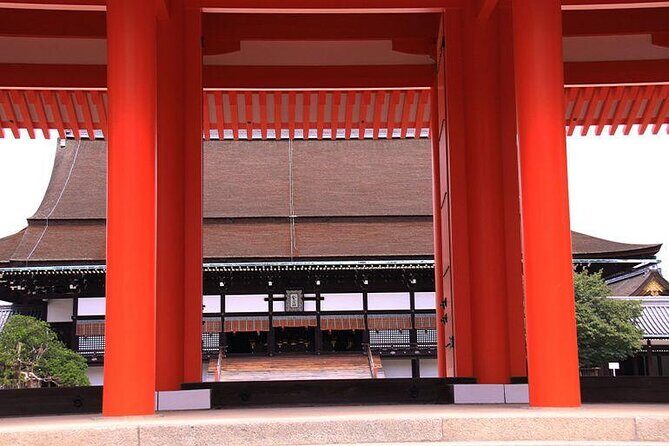
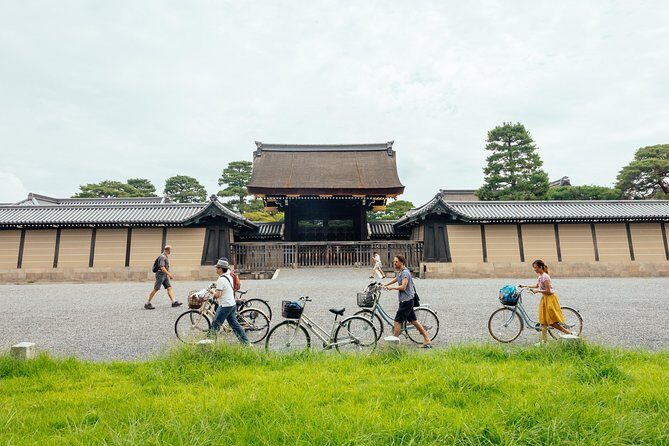
The tour format includes additional stops that can appear depending on your host and timing. The tour description may cover Pontocho District, Kyoto Imperial Palace, and Heian Shrine, alongside the core neighborhoods you’ll pedal through.
This flexibility is not random. In Kyoto, “what you can fit” often matters more than any perfect itinerary. A good guide will adjust based on your preferences and what’s practical that day—crowd levels, pacing, and connection between areas.
If you’re the type who wants a specific vibe—more garden time, more palace grounds, more old-street atmosphere—bring that up at the start. Private tours work best when you steer the experience, not just ride along.
How guides like Naoki, Sebastian, and Eiji shape the day
This is the part that turns a bike ride into a memory.
Guides such as Naoki, Sebastian, and Eiji are repeatedly described as friendly and easy to talk with, with strong English and a knack for explaining what you’re looking at. The difference shows up in the small moments: your guide doesn’t only point at sites, they connect bridges, street layout, and river views to the city’s background.
It also helps that your guide can tailor the tour to your requests. One example from past experiences: people ask to prioritize the Philosopher’s Path, and the guide can work it in. Another common theme is finding quieter areas off the main flow—places that feel more personal than a standard “group photo at the landmark” stop.
A fun bonus you might not expect: you may stop for a local drink or snack, and some guides even share little treats on the ride. That’s the kind of Kyoto detail that doesn’t show up in typical walking tours.
Price and value: is $162.05 worth it?
At $162.05 per person, this is not the cheapest way to see Kyoto. You’re paying for three things that usually cost extra elsewhere: privacy, a guide who sets the pace, and bike rental (plus a local drink or snack).
Here’s the value logic:
- If you want to feel Kyoto’s neighborhoods without committing to a full day of solo logistics, a private bike tour can be an efficient way to get your bearings.
- If you’re traveling with kids or you just prefer comfort, the ability to slow down and take breaks matters.
- If you hate standing in lines with strangers, private routing helps you avoid the worst crowd moments.
The trick is choosing the right day for it. If you do this early in your trip, your guide’s tailored recommendations can save you time later. If you do it on your last day, you’ll still get the ride and sights, but the “use it to plan the rest of your trip” advantage shrinks.
Also, since this is often booked about 56 days in advance on average, it can sell out during popular dates. If your schedule is fixed, don’t wait until the week of.
Who this bike tour suits best (and who might not love it)
You’ll likely enjoy this if:
- You want Kyoto neighborhoods more than a strict museum-style route.
- You prefer learning in motion, with stops and explanations.
- You’re comfortable biking in a city and you like the idea of taking short scenic breaks.
You might want a different plan if:
- You’re nervous about traffic, tight pedestrian areas, or riding on mixed streets.
- You can’t manage a bike for the length of the tour (even with short stops and guidance).
One note that’s reassuring: experiences shared from families suggest kids can do fine when the guide manages pace and safety. Still, the best fit is usually adults who can stay alert and follow instructions without stress.
FAQ
Do I ride a bike the whole time?
Bike rental is included, and the tour is designed as a bike ride with short breaks at scenic areas.
How long is the tour?
It runs about 2 hours 30 minutes.
Where do I meet the guide?
You meet outside J-Cycle at 192 Nakanonō, Shimogyo Ward, Kyoto 600-8435.
Does the tour end at the same meeting point?
Yes. The activity ends back at the meeting point.
Is this tour private?
Yes. It’s a private tour, so only your group participates.
What’s included besides the guide?
The tour includes bike rental and a local drink or snack. It’s also listed as carbon neutral.
What sights does the tour cover?
You’ll see Gion, the Philosopher’s Path, Kamogawa River, and the tour description indicates it may also include areas like Pontocho District, Kyoto Imperial Palace, and Heian Shrine depending on your host.
Are admission tickets required for the stops?
The listed stop notes show admission ticket free for the named areas on the route.
Is hotel pick-up included?
No. There’s no hotel pick-up or drop-off.
Can I cancel for a full refund?
Yes. You can cancel up to 24 hours in advance for a full refund.
Should you book this private Kyoto bike tour?
If you want Kyoto by bike with a guide, this is a strong choice. You get the essentials: private pacing, bike access to places buses can’t handle well, and built-in breaks at scenic spots like the Philosopher’s Path, Gion, and Kamogawa River.
Book it if you enjoy city riding and want a smarter way to see multiple neighborhoods in one go. Consider skipping or switching plans if you’re not comfortable with traffic or mixed pedestrian-bike areas.