Kyoto in one long, guided day. This tour strings together big-icon sights and slower moments, with a government-certified guide who tells the stories behind what you’re seeing. I like the mix of Kyoto classics plus bamboo-and-temple breaks, and I also like that the plan can be customized if you have strong preferences (food stops, calligraphy, kimono, tea, and even a rickshaw ride when timing works). One drawback to weigh: there are reports of late starts, shortened routes, and even rare no-shows, so you’ll want to confirm meeting details and build in a little patience.
When the tour runs smoothly, the day feels built for first-timers who want order. I’ve seen guide names like Roberto and Andrea praised for making time count, explaining what matters, and staying patient even when weather or crowds get messy.
Logistics are fairly simple on paper: pickup is offered, you get a mobile ticket, and it runs about 6 to 8 hours. Still, plan for some additional admission costs (like Ginkaku-ji and Nijo Castle), plus food and transport, and remember this is walking-heavy Kyoto.
In This Review
- Key Things I’d Bet On Before You Book
- What This Kyoto Tour Gets Right: A Day That Flows
- Fushimi Inari-taisha: Red Gates, Big Atmosphere
- Kiyomizu-dera and Nijo Castle: Views and Power
- Gion on Foot and Nishiki Market: Two Very Different Sides
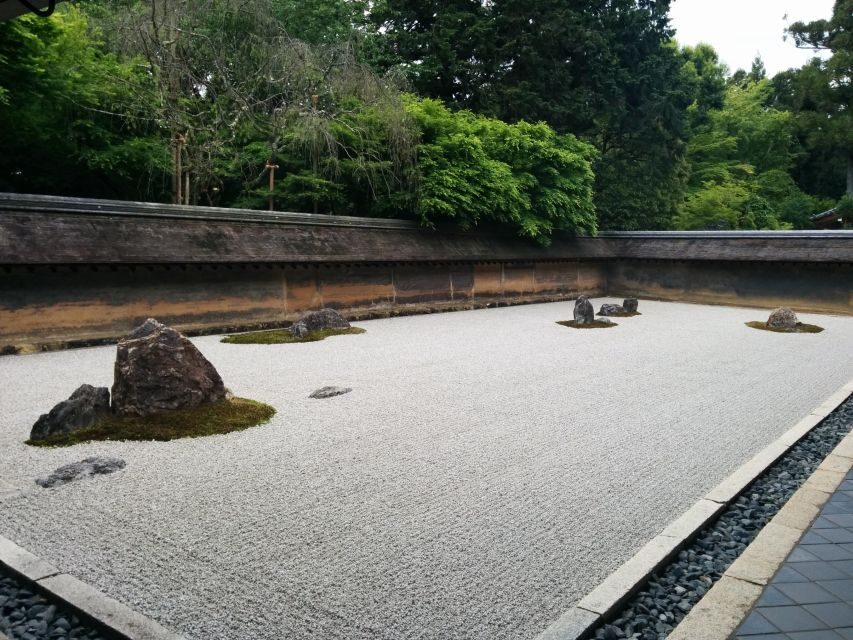
- Golden Pavilion and Silver Pavilion: Two Temple Aesthetics
- Arashiyama Bamboo Forest and Tenryu-ji: A Breathing Interval
- The Custom Part: Tea Houses, Calligraphy, Kimono, and Night Temples
- Pickup, Mobile Tickets, and the Walking Reality
- Price and Value: What $110 Buys You
- The Part You Must Watch: Reliability and Day-of Communication
- Who Should Book This Kyoto Plan
- Should You Book Mystical Kyoto Quest?
- FAQ
- How long is the Kyoto tour?
- What are the main places included on the tour?
- Are admission fees included?
- Does the tour offer hotel or area pickup?
- Is this a private tour?
- Do I get a mobile ticket?
- What extra costs should I plan for?
- Can I customize the tour?
- What is the cancellation policy?
- What happens if the minimum number of travelers isn’t met?
Key Things I’d Bet On Before You Book
- Government-certified guiding: the tour is built around a licensed guide experience, not just a self-guided stroll.
- A smart “see Kyoto” route: from Fushimi Inari to Gion to Kinkaku-ji, then out toward Arashiyama.
- Customization is part of the product: the concept includes activities like calligraphy and kimono dressing, depending on time.
- Guides can adapt: some trips were praised for handling accessibility needs and even helping with practical tasks like bullet train ticket purchases.
- Crowds can change the day: in busy seasons, you may not get every planned stop exactly as advertised.
What This Kyoto Tour Gets Right: A Day That Flows
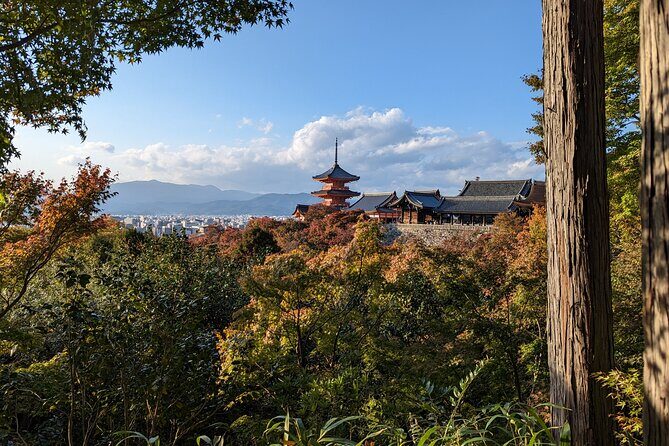
This isn’t a random list of landmarks. It’s a route that groups Kyoto by vibe: Shinto shrine awe, hillside temple drama, old-town streets, then the “post-card Kyoto” temples around the Golden and Silver Pavilions, followed by a breather in Arashiyama. That structure matters because Kyoto is crowded. Having a guide help you move through the day can turn chaos into a sequence you can actually enjoy.
The best version of this tour also uses storytelling as a time-saver. Instead of you reading signs while people shove past you, your guide can explain the connections: why Inari is rice-related, why Gion became the stage for traditional arts, and how Zen gardens shape the way you look at a place. That kind of context makes photos less important because you understand what you’re photographing.
Still, the tour’s “mystical” promise comes with one reality: Kyoto is busy and timing is everything. If the guide hits delays or if crowds slow walking, the day can shrink. When that happens, I’d rather you know up front that your “must-sees” should be chosen carefully.
Other guided tours in Kyoto

Fushimi Inari-taisha: Red Gates, Big Atmosphere
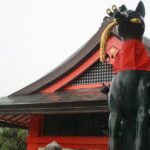
Fushimi Inari-taisha is the kind of place that looks unreal even before you understand it. The shrine is famous for its long tunnel of red torii gates, and it’s dedicated to Inari, a Shinto deity associated with rice. It’s free to enter, which is nice because Kyoto charges you in small ways all day.
Here’s how to get the most out of the stop. Expect crowds and plan to slow down early. If you want that dramatic “only me and the gates” feeling, you’ll need time and patience; if you just want the essentials, you can still enjoy it, but it won’t feel like a quiet garden.
Also, don’t rush the details. There are smaller gates and side paths that people skip because they’re trying to “check the box.” Your guide can help you spot which turns actually match the story you’re hearing.
Kiyomizu-dera and Nijo Castle: Views and Power
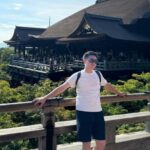
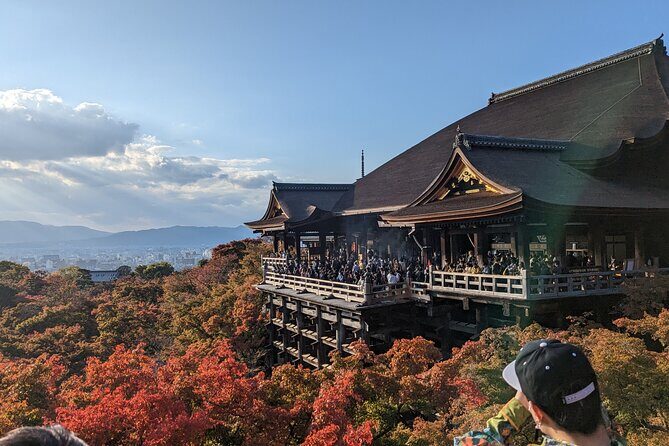
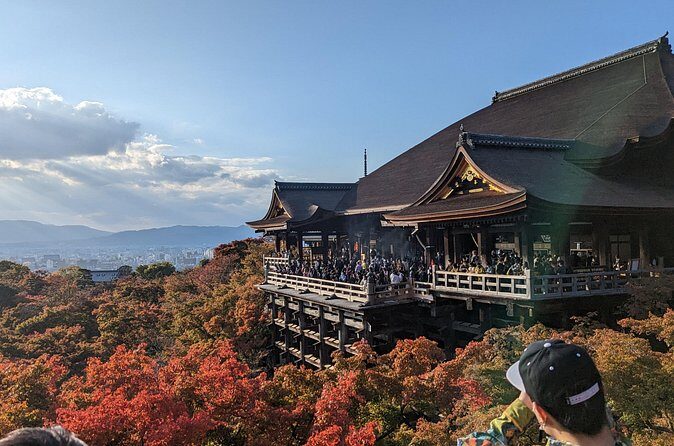
Kiyomizu-dera sits above the city and is one of Kyoto’s UNESCO-listed icons. You’ll feel the scale as soon as you approach, and the big terrace-style viewpoint is part of why the temple is so famous. Admission is free for the stop, which helps keep the day’s cost reasonable.
This is also one of the stops where time management matters. If you’re stuck in a slow queue, it eats into your later temple windows. If you’re flexible, you can still enjoy Kiyomizu-dera by focusing on the architecture and the viewpoint rather than trying to “do everything.”
Then you head to Nijo Castle, built in the 17th century and tied to political power in its era. Unlike the earlier stops, admission here is not included, so budget extra for that ticket. The castle is a different kind of Kyoto: less garden mood, more historical structure. If your group likes samurai-era context, this is a solid anchor to balance all the shrine and street scenes.
Gion on Foot and Nishiki Market: Two Very Different Sides
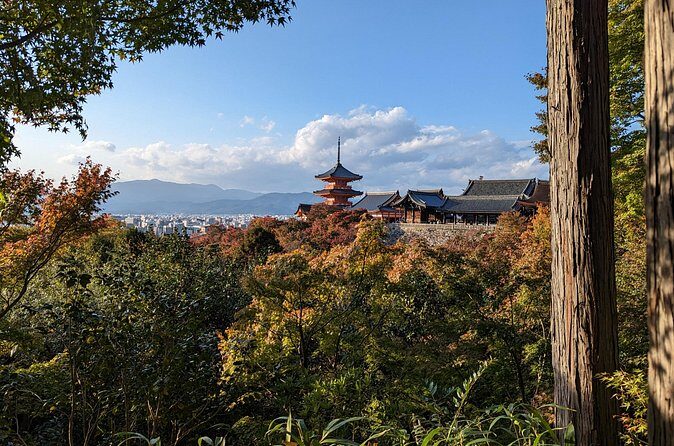
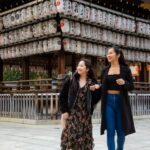
Gion is Kyoto’s traditional district energy. Expect old streets, preserved architecture, and that sense of stepping into a part of Kyoto that feels less like a theme park and more like a living neighborhood. The stop is free, so it’s a good place to spend time without feeling like every minute costs you.
Nishiki Market Shopping District is the food-and-stalls counterpart. This is where Kyoto turns practical: fresh produce, local snacks, and everyday shopping energy. The listed stop duration is short, so go with a plan. I like using the first minutes to ask your guide what’s worth tasting right now, then grab two or three items and keep moving.
If you’re pairing the market with the Gion stroll, remember you can’t do it “all” in 60 minutes. Decide what matters most: atmosphere first (walk slower) or taste first (buy snacks early, then circle).
Golden Pavilion and Silver Pavilion: Two Temple Aesthetics
Kinkaku-ji, the Golden Pavilion, is a UNESCO World Heritage Site and one of the most recognizable images in Kyoto. It’s free on this tour, which is a big plus. Even if you’ve seen it in photos, being there in person changes the way you notice textures and reflections.
Then comes Ginkaku-ji, the Silver Pavilion. This one is also included as a stop, but admission is not included. The listed extra cost is $8 per person. It’s worth paying attention here because the name can mislead: the pavilion isn’t literally silver in the way people expect. Your guide can help frame what you’re seeing through the Zen lens.
Timing note: both sites can feel crowded and photo-demanding. If your priorities are quiet and reflection, I’d use the guide’s explanation to slow your pace. If you just want the must-do view, stay focused and don’t get stuck in every photo line.



Arashiyama Bamboo Forest and Tenryu-ji: A Breathing Interval
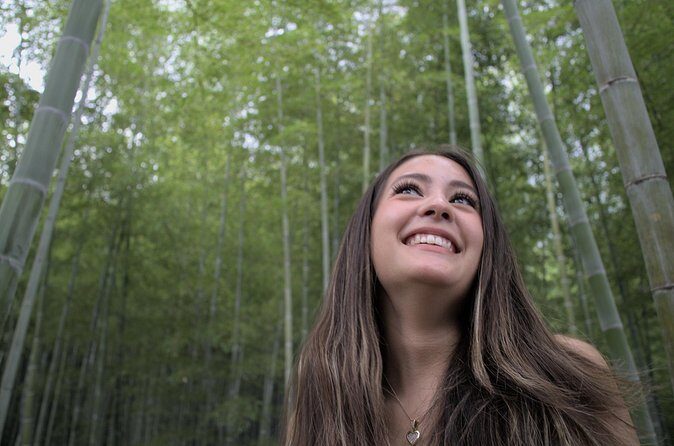
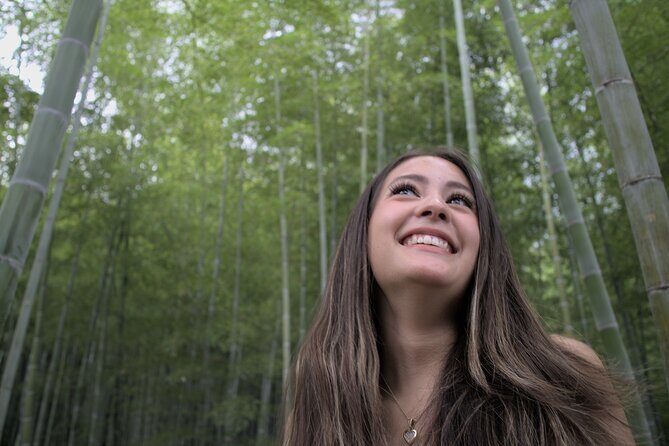
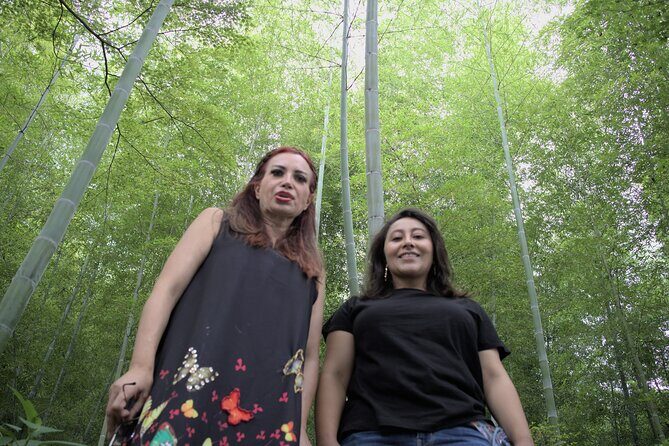
Arashiyama is where the day gets more natural. The bamboo forest area is famous for its greenery and calm feel, and the tour includes a short stop there. In a perfect day, you’d get longer time because bamboo needs a slower pace to feel special.
Tenryu-ji Temple follows, another UNESCO World Heritage Site and one of Kyoto’s revered Zen temple spaces. Admission is not included for this stop. Because both Arashiyama and Tenryu-ji are short in the plan, I’d treat this segment as a reset: enough time to feel the shift from streets and shrine lines, not enough time to fully “soak.”
One interesting detail from guide feedback is that some versions of this day include extra Arashiyama moments like Arashiyama mountain and the monkey park area. If that’s your thing, tell your guide early and be ready to adjust time elsewhere.
The Custom Part: Tea Houses, Calligraphy, Kimono, and Night Temples
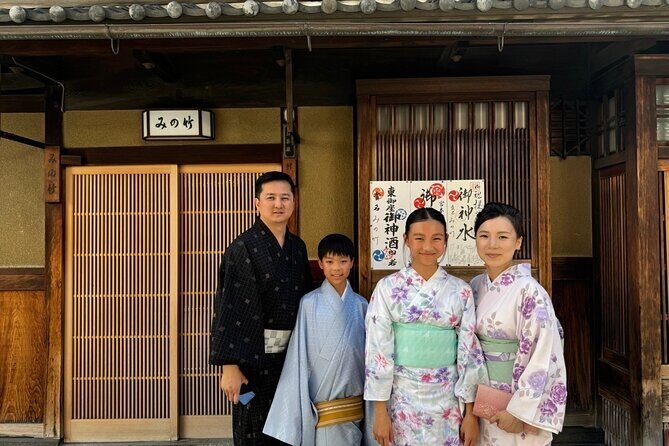
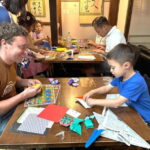
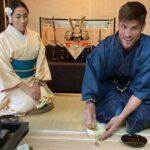
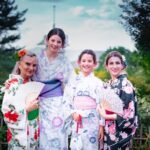
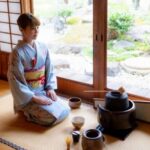
The tour concept isn’t only temples. It’s marketed as a more playful Kyoto day, with options like tea in traditional tea houses, calligraphy practice, kimono dressing, street food sampling, and samurai-and-geisha themed storytelling. The idea also includes a rickshaw ride and illuminated temple viewing at night if timing allows.
Here’s the practical way to think about these “extras.” They’re worth it if you actually want the activity, not just the photo. Kimono dressing and calligraphy take time and energy, and Kyoto crowds don’t pause for your costume change. If you’re on a tight schedule, I’d pick one active cultural thing and keep the rest as “see, learn, move on.”
Also, ask early if any of these add-ons have extra costs beyond what’s already listed. The tour includes a guide and some free-entry stops, but you may still pay for things like admissions and food.
Pickup, Mobile Tickets, and the Walking Reality
Pickup is offered, and you’ll typically be near public transportation. The tour uses a mobile ticket, which usually simplifies check-in.
But Kyoto walking is not optional. Even with a guide, you’ll be moving between neighborhoods and temples. If you’re budgeting energy, wear shoes that can handle uneven stone and crowds. Plan breaks by using the guide’s pacing cues—some stops are best enjoyed slowly, while others are better treated as “get in, get out, keep moving.”
One more practical point: this is sold as private, meaning it’s meant for your group only. Yet there are also reports of private turning into a shared group experience due to merging groups or overbooking. That doesn’t mean it will happen to you, but it does mean you should verify what you’re getting before you show up, especially if you’re paying for the privacy.
Price and Value: What $110 Buys You
At $110 per person, you’re mainly paying for the guide and the route management. The good news is that many major stops on the day are free admissions (including Fushimi Inari-taisha, Kiyomizu-dera, Gion, Nishiki Market, and Kinkaku-ji). That keeps your “hard costs” from ballooning.
The costs to remember:
- Nijo Castle admission not included
- Ginkaku-ji admission not included (listed at $8 per person)
- Guide transportation fees are listed as $5–8 USD
- Food and drinks are not included
- Transportation fees are not included
So the value comes down to execution. If the guide shows up on time, keeps a good pace, and sticks close to the planned sequence, $110 can be a strong deal for a full Kyoto-day overview. If the day runs late, gets shortened, or turns into a different group setup than you expected, the same price can feel painful fast—especially because Kyoto attractions are time-sensitive.
The Part You Must Watch: Reliability and Day-of Communication
This is the toughest section to write, because the reviews are mixed. A lot of feedback praises guides and the quality of the explanations. But there are also multiple accounts of no-shows or major delays, plus cases where meeting instructions were unclear or the route changed last minute.
Here’s how I’d protect your time in a realistic way:
- Confirm the meeting point and time in writing the day before.
- Arrive early enough to absorb a delay in transit (Kyoto stations can eat time).
- Save the operator contact method you’re given, and test you can reach them.
- If your tour includes pickup, don’t assume the pickup details are the same as your first booking message—re-check close to departure.
- Take a screenshot of your mobile ticket and any meeting instructions.
Weather can also change the day. One hot-day complaint and rain-day complaint both show up in feedback. If you book in rainy season or peak heat months, bring water and plan to adjust expectations for the length and comfort of outdoor stops.
Who Should Book This Kyoto Plan
This tour is a good match if:
- You want a one-day highlights sweep and you prefer to have someone else manage the flow.
- You like context—stories about religion, myths, and the culture behind what you’re seeing.
- You want at least a couple of “Kyoto moods” in one day: shrines, temple terraces, food streets, and bamboo nature.
It might be a weaker match if:
- You’re very strict about seeing a specific set of places in exact order.
- You hate crowds and want long, quiet time at each site.
- You need a highly controlled private experience and can’t tolerate possible changes.
That said, there’s also evidence that guides can adapt for individual needs. If you have accessibility needs or special requests, message ahead and be clear.
Should You Book Mystical Kyoto Quest?
I’d book it if you want an organized Kyoto day and you’re comfortable with walking, crowds, and a bit of timing flexibility. The biggest upside is that the day’s concept mixes iconic stops with cultural activities and guide storytelling, and some guides (including Andrea and Roberto) have clear strengths in pacing and explanation.
I’d think twice if you’re booking this as your only Kyoto day and you can’t afford delays. If you do book, protect yourself with early arrival, clear confirmation of the meeting point, and a short list of your “non-negotiables” so you can adjust if the day compresses.
FAQ
How long is the Kyoto tour?
It’s listed as about 6 to 8 hours.
What are the main places included on the tour?
The tour stops include Fushimi Inari-taisha Shrine, Kiyomizu-dera Temple, Nijo Castle, Gion, Nishiki Market, Kinkaku-ji, Ginkakuji (Silver Pavilion), Arashiyama (bamboo forest area), and Tenryu-ji Temple.
Are admission fees included?
Most stops are listed as free admission, but Nijo Castle has admission not included. Ginkaku-ji also has admission not included (listed at $8 per person). Tenryu-ji is listed as admission not included.
Does the tour offer hotel or area pickup?
Pickup is offered.
Is this a private tour?
It’s described as a private tour/activity, meaning only your group will participate.
Do I get a mobile ticket?
Yes, mobile ticket is included.
What extra costs should I plan for?
Not included items include guide transportation fees (5–8 USD), food and drinks, and transportation fees. You should also budget for any admission fees that are not included (like Nijo Castle and Ginkaku-ji).
Can I customize the tour?
Yes. You can customize depending on expectations and time available.
What is the cancellation policy?
Free cancellation is available up to 24 hours in advance for a full refund. If you cancel less than 24 hours before the experience start time, the amount paid will not be refunded. The tour also requires a minimum number of travelers.
What happens if the minimum number of travelers isn’t met?
If it’s canceled because the minimum isn’t met, you’ll be offered a different date/experience or a full refund.