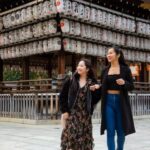
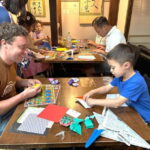
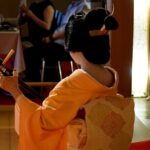
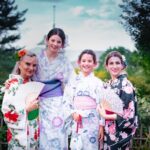
Katsura Rikyu is gorgeous on a quiet schedule. This half-day plan pairs Katsura Imperial Villa (nearly unchanged since 1615) with a tea ceremony in a 100-year-old house, plus dressing in an early Showa antique kimono. I especially like how the hard parts are handled for you: admission timing at Katsura and getting you into the right kimono setup. One thing to weigh: the value comes from the package (kimono + tea + ticket handling), so if you only care about the garden, the total price may feel steep.
You’ll start at the tea ceremony address in Nishikyō, then ride a short distance to Katsura. After the garden visit, you return for matcha, Japanese sweets, and a tea ceremony demonstration in a calmer setting than central Kyoto. I like that Tokusaburo Miyagawa (fourth-generation) is part of the process—he’s the human link between the venue rules and the cultural practice.
In This Review
- Key Points Worth Knowing Before You Go
- Katsura Imperial Villa: Circular Gardens and a Tea House You’ll Want to Slow Down In
- Getting Dressed: Antique Kimono Advice from Tokusaburo Miyagawa
- The Day’s Flow: From the Meeting Point to Katsura Rikyu
- Inside the Villa: What to Expect from the Garden Visit
- Tea Ceremony in a 100-Year-Old House: Quiet Kyoto Feels Closer Here
- Matcha, Sweets, and the Practical How-To (Not Just a Show)
- Price and Value: Why $169.90 Can Feel Fair or Not
- The Group Reality: Private Tour, But Not Always One-Person Interpretation
- Who Should Book This Katsura + Kimono + Tea Plan
- Should You Book It?
- FAQ
- What time does the tour start?
- How long does the experience take?
- Where do we meet?
- Is this tour private?
- What’s included in the price?
- Are lunch or dinner included?
- Is there English support?
- Do we need good weather?
Key Points Worth Knowing Before You Go
- Katsura Rikyu admission is the challenge, and the operator manages it with same-day numbered access for this plan
- You wear an antique kimono (early Showa) and obi, not just a costume-style outfit
- Tokusaburo Miyagawa escorts you, and you get both kimono guidance and tea-ceremony instruction
- Matcha and sweets are built into the ceremony (you’ll have two cups of matcha)
- The villa experience may include a separate guide and/or audio rather than a full narration exclusively by your escort
- It’s priced as a cultural package, so it’s best when you want the kimono + tea learning, not only photos
Katsura Imperial Villa: Circular Gardens and a Tea House You’ll Want to Slow Down In
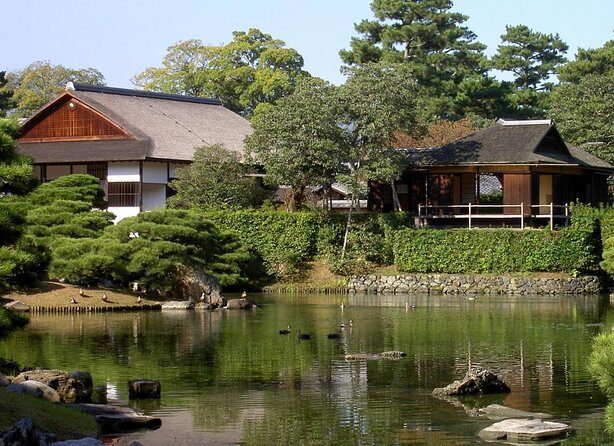
Katsura Imperial Villa—often called Katsura Rikyu—is the kind of place that rewards patience. It was built in 1615 as an imperial villa, centered on a circular garden concept and a tea ceremony space in the Sukiya style. Even with renovations over the centuries, the villa you see today is described as staying almost completely unchanged over the last 400 years. That stability matters. It means you’re not just looking at something old—you’re seeing something that has kept its intention.
What I like here is the pacing: the tour is about a short, focused block of time (about 3 hours total). You’re not trying to cram multiple sights across Kyoto. Instead, you get a proper look at the garden layout and the tea-house atmosphere that shaped Japanese aesthetics for generations. If you’ve ever wondered how tea culture connects to architecture and gardening, Katsura is one of the clearest places to notice that link.
A practical heads-up: Katsura is a controlled-access site with limited viewing hours, and entry is not just a simple walk-up. This is exactly where the package helps, because ticket arrangement is part of what you’re paying for.
A few more Kyoto tours and experiences worth a look
Getting Dressed: Antique Kimono Advice from Tokusaburo Miyagawa
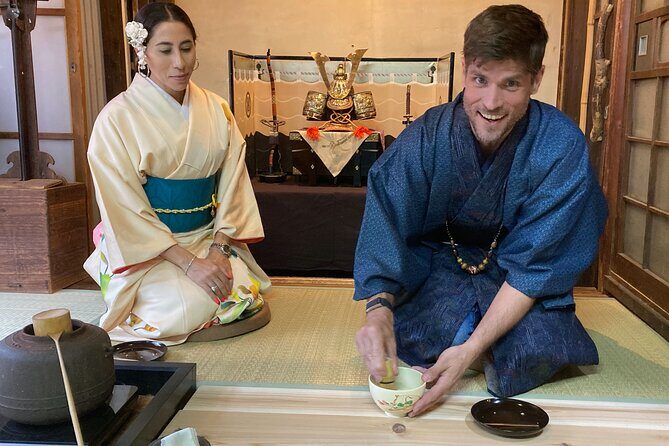
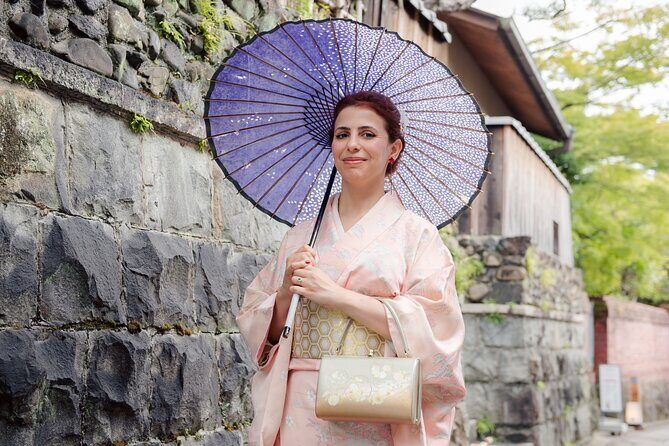
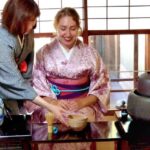
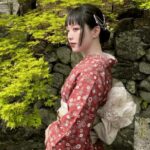
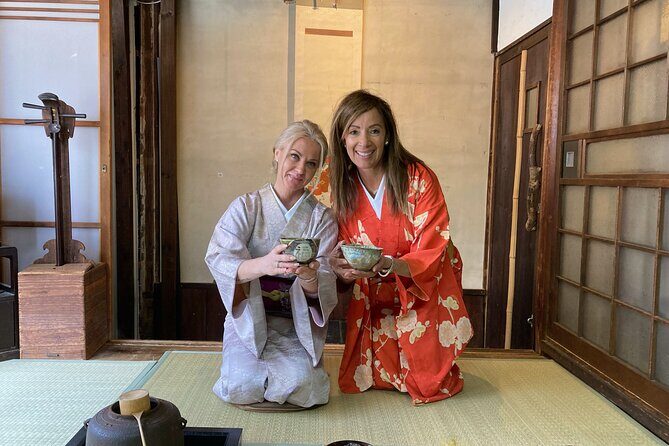
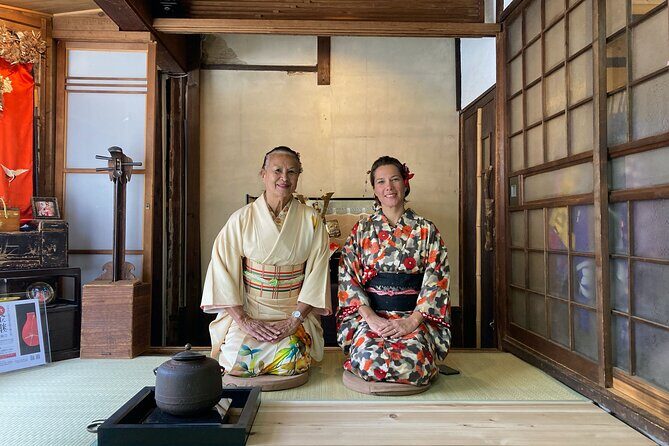
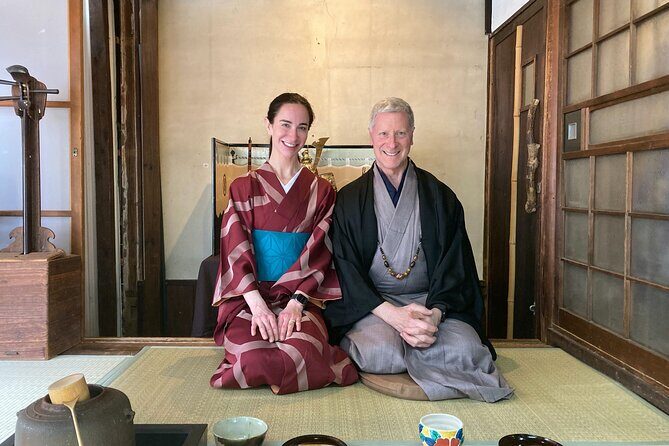
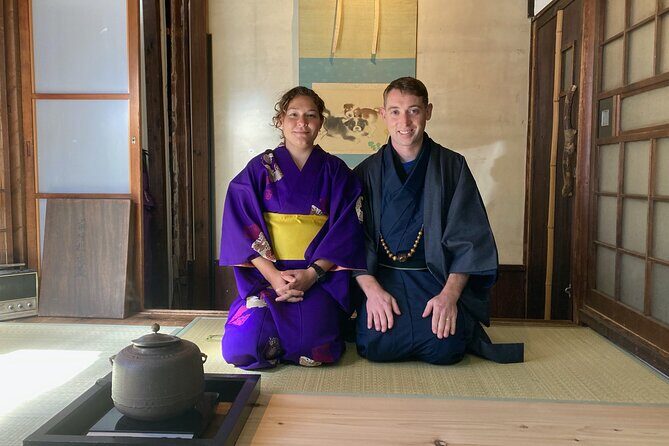
The kimono portion is a big reason people love this experience. You’ll select and wear an antique kimono from the early Showa period, with guidance from Tokusaburo Miyagawa (the fourth-generation owner of Miyagawa Tokusaburo Shoten). Your staff helps you get dressed, including the obi setup.
This isn’t framed as a quick photo op. The kimono process is treated like part of the cultural lesson. You learn about kimono design and when you might choose different styles or wear them in different ways (at least at a level this experience can cover in a few hours). I also like that the guidance comes from a person who has lived and worked in this world long enough to explain the choices without turning it into a sales pitch.
One drawback to consider: a kimono changes how you experience time. You may want to plan mentally for slower movement and extra attention to how you’re standing and walking. It’s not difficult, but it does make the whole experience feel more formal than a normal sightseeing outing.
The Day’s Flow: From the Meeting Point to Katsura Rikyu
You start at the tea ceremony meeting point: 32-4 Katsuranozatochō, Nishikyo Ward, Kyoto (start time 1:00 pm). The tour is private, meaning it’s just your group participating. That’s helpful in a place like this, where rules and timing can otherwise feel stressful.
From there, you get round-trip transportation: a short car ride from the shop area to Katsura Imperial Villa, then back again after the garden visit. The ride itself is quick (around 5 minutes by car), so the time you spend is mostly time inside the experiences, not time in traffic.
Inside Katsura, the garden visit happens under limited admission conditions. The operator’s role matters here: they obtain the numbered admission tickets for the plan, and they handle the complicated part so you don’t have to figure out the permission rules on your own.
Inside the Villa: What to Expect from the Garden Visit
At Katsura, you’ll see the circular garden and a tea ceremony house tied to Sukiya aesthetics. The villa is also known for international recognition, including praise from German architect Bruno Taut. Even if you don’t know the architecture terms going in, you can still feel the intention: views are composed like scenes, and the tea setting is not an afterthought.
Here’s the part to understand about the tour style. Your escort helps and keeps things moving, but the full narration inside the villa may be led by a Japanese-speaking guide, with English support sometimes delivered via audio/headsets. That can be a plus for some people (you get a steady stream of information), and a letdown for others (you’re not always hearing the story through your named escort).
If your main goal is to hear every detail in perfect English and have one dedicated guide the whole time, you might want to temper expectations. If your goal is the garden itself plus the kimono and tea learning afterward, this setup can work very well.
Tea Ceremony in a 100-Year-Old House: Quiet Kyoto Feels Closer Here
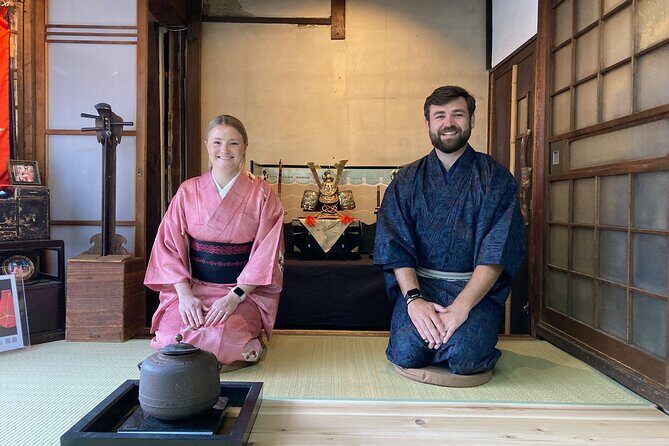
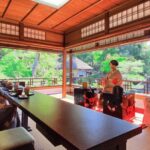
After the villa, you head back to the shop area for the tea ceremony, held at the operator’s location in a tranquil setting. This is one of the more appealing contrasts: Katsura is impressive, but it’s also part of Kyoto’s sightseeing reality. The tea house portion is designed to feel quieter and calmer, closer to the practice of tea itself.
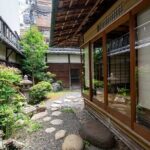
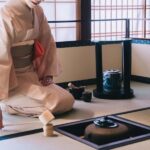
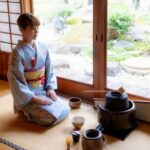
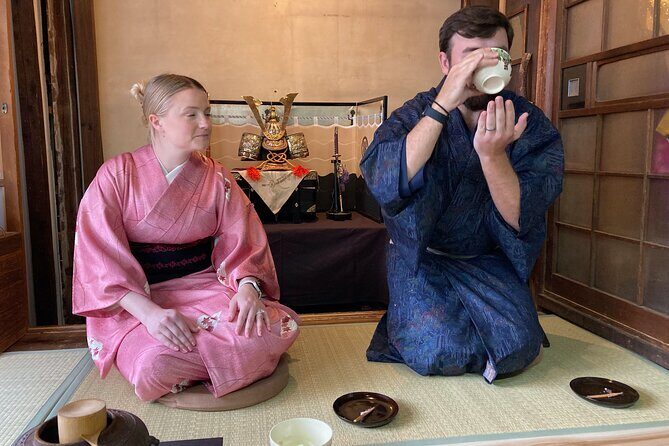
The ceremony happens in a traditional Japanese house described as 100 years old. That matters because tea culture isn’t only about taste. It’s also about space, movement, and atmosphere. You watch a demonstration by the owner, then learn the proper way to drink and prepare matcha.
And yes, you wear the antique kimono during the tea ceremony. That combination is exactly why people say it’s great for photos—but it’s also why it feels special beyond the camera. The kimono and the ceremony reinforce each other. You’re not just wearing an outfit while doing something else; you’re doing the tea practice in the intended form.



Matcha, Sweets, and the Practical How-To (Not Just a Show)
The ceremony includes main sweets made by a local Japanese confectioner in Katsura, Kyoto, plus two cups of matcha. You’ll also learn how to drink and prepare matcha properly as part of the experience.
What makes this valuable is that the tea ceremony isn’t treated as a performance you watch from the sidelines. You’re taught the steps and etiquette enough to participate, even within the time limits of a group experience. If you care about cultural technique—how gestures, timing, and attention work—this part lands well.
One more reason this works: you get the owner’s demonstration in the same environment you experience the ceremony. That reduces the feeling that you’re hopping between unrelated stops. The day has a through-line: Katsura’s aesthetic world connects to the tea ceremony practice, and your kimono is the physical reminder of that connection.
Price and Value: Why $169.90 Can Feel Fair or Not
Let’s talk money plainly.
At $169.90 per person, you’re paying for a package that includes:
- Antique kimono rental fee (including dressing)
- Tea ceremony fee with matcha and Japanese sweets
- Katsura Imperial Villa same-day admission ticket arrangement fee (limited quantity)
- Round-trip transportation from the shop to Katsura
- Katsura Imperial Villa entrance fee
So you’re not just buying garden entry. You’re buying: ticket management for a controlled-access site, kimono dressing, transport, and a tea ceremony that includes sweets and two matcha cups.
Still, there’s a real consideration. If you compare only the villa entrance cost, it can look small. One person in the feedback shared a comparison that villa entry is about Y3,000 per person at the site, while the full package for two people felt high relative to that entry fee alone. That doesn’t mean the experience is overpriced. It means the value is not only the ticket. The value is the entire experience: kimono + tea + logistics.
So here’s my practical rule: book this if you want the kimono and want to learn the tea ceremony in a structured way. If your priority is only Katsura garden viewing and you don’t care about dressing, tea, or ticket handling, you may prefer a different approach.
The Group Reality: Private Tour, But Not Always One-Person Interpretation
This is a private tour/activity, meaning you’re not sharing with random strangers. That’s a meaningful comfort factor in Japan.
But inside the villa, the experience may not be narrated exclusively by your escort. The escort (Tokusaburo) is there to handle the process and accompany you, while the villa’s interpretation can be handled by a Japanese-speaking guide and supported with an audio system in English.
That mix can work. Some visitors prefer having a recorded track so the facts are consistent. Others feel it creates a disconnect if they wanted conversational, person-to-person guidance the whole time.
The tea ceremony portion is where you’re most likely to feel the owner’s presence strongly, since the demonstration and instruction are part of the same quiet setting.
Who Should Book This Katsura + Kimono + Tea Plan
This experience is a strong match if you:
- Want a serious look at Katsura Rikyu and also want tea culture tied to the setting
- Like learning cultural technique, not only taking photos
- Appreciate kimono guidance from someone who runs a kimono shop (Tokusaburo Miyagawa is the key name here)
- Prefer a calm post-villa tea experience rather than trying to chase more sights right after
It may be less satisfying if you:
- Only care about maximizing time at the villa garden and nothing else
- Expect your named escort to deliver every line of English interpretation inside the villa
- Are very price-sensitive and want to buy only the entrance ticket experience
Should You Book It?
I’d book it when you want a full cultural package with less stress. The best reason to choose this tour is not the kimono alone or the villa alone—it’s the way they connect. Katsura gives you the visual and architectural world. The tea ceremony gives you the lived practice, and the antique kimono makes the connection feel real, not staged.
If you’re mainly chasing the cheapest way into Katsura, then this probably isn’t your plan. But if you want the day to feel intentional—controlled-access villa, antique kimono dressing with expert support, then matcha and sweets in a traditional house—you’ll likely come away happy you did the full experience.
FAQ
What time does the tour start?
It starts at 1:00 pm.
How long does the experience take?
The duration is about 3 hours.
Where do we meet?
You meet at 32-4 Katsuranozatochō, Nishikyo Ward, Kyoto, 615-8073, Japan.
Is this tour private?
Yes. It’s a private tour/activity, so only your group participates.
What’s included in the price?
Included are antique kimono rental (with dressing), the tea ceremony fee (matcha and Japanese sweets, with two cups of matcha), Katsura same-day admission ticket arrangement fee, round-trip transportation from the shop to Katsura, and Katsura Imperial Villa entrance fee.
Are lunch or dinner included?
No. Lunch and dinner are not included.
Is there English support?
Yes. English-speaking service is available.
Do we need good weather?
Yes. The experience requires good weather. If it’s canceled due to poor weather, you’ll be offered a different date or a full refund.
If you want, tell me your priorities (more photos at Katsura vs. deeper tea learning), and I’ll help you decide if this package matches your style and timing in Kyoto.