Zen meditation in Kyoto feels both calm and specific. This private 4.5-hour workshop, led by Zen priest Brian Victoria, teaches the basics of breath and mind control in a traditional Kyoto machiya house. I especially like the private pace and the focus on getting your posture right for zazen. The only real drawback: the lesson can feel like a lot at once, so if you prefer minimal talking, go in ready to listen.
It starts near Nishi Honganji, just a short ride from Kyoto Station, and it uses the setting on purpose. You’ll practice in a quiet machiya home, with seated meditation (zazen) and walking meditation (kinhin) woven into the flow. Coffee and tea are included, and the session ends with green tea plus a traditional Kyoto sweet, with time to ask questions so you leave thinking clearly.
In This Review
- Key highlights at a glance
- Zen in Kyoto, taught in a machiya setting
- Meeting point near Kyoto Station, then a short hop to Nishi Honganji
- The 90-minute Zen meditation introduction (the part you’ll remember)
- Zazen and kinhin: how the practice is actually timed
- Posture options that keep it accessible: lotus, half lotus, or a chair
- Nishi Honganji context: why your practice starts in a Buddhist environment
- Coffee, tea, and a Kyoto sweet: the end is part of the lesson
- Price and value: is $108 reasonable?
- Who this suits best (and who should think twice)
- Practical tips so you’re comfortable from minute one
- Should you book this private Zen meditation workshop?
- FAQ
- FAQ
- How long is the Zen meditation workshop in Kyoto?
- Is this a private experience?
- What meditation types do you practice during the session?
- Can you sit in a chair if you don’t want lotus posture?
- What food and drinks are included?
- Where do you meet, and what time does it start?
Key highlights at a glance
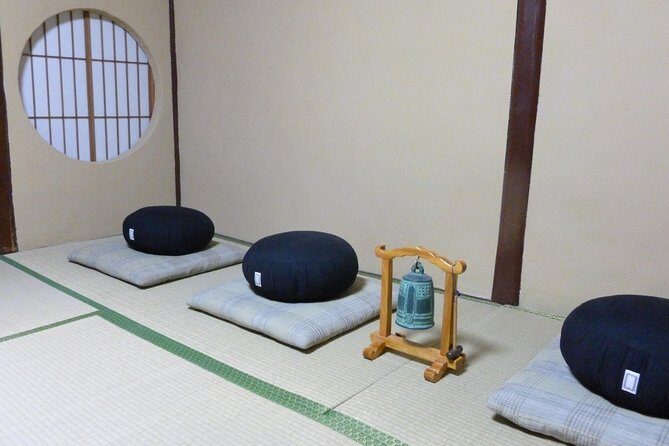
- Private, no crowd pressure with only your group
- Practical posture coaching for zazen, including chair options
- Timed practice: two seated rounds plus kinhin walking meditation
- Breath and mind control basics taught step-by-step
- Coffee, tea, and a Kyoto sweet to round out the afternoon
- Nishi Honganji area setting to connect practice with Kyoto’s Buddhist world
Zen in Kyoto, taught in a machiya setting
Kyoto is the spiritual home of Zen Buddhism, and this experience uses that fact in a grounded way. Instead of treating Zen like a sightseeing add-on, you’re taught as a skill: how to sit, how to breathe, and how to relate to your mind as it wanders.
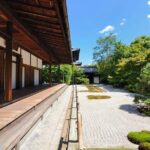
What makes it feel real is the setting. The meditation hall is in a traditional machiya-style house—wood, calm interior spaces, and a layout that makes you slow down without being told to. You’re not “performing Zen” for photos. You’re learning how to practice in a place built for everyday life, then turning that quiet room into your training ground.
The priest leading the session, Brian Victoria, brings both a teacher’s structure and an academic background. In plain terms, you get the why as well as the how—enough context that the practice doesn’t feel random.
A few more Kyoto tours and experiences worth a look

Meeting point near Kyoto Station, then a short hop to Nishi Honganji
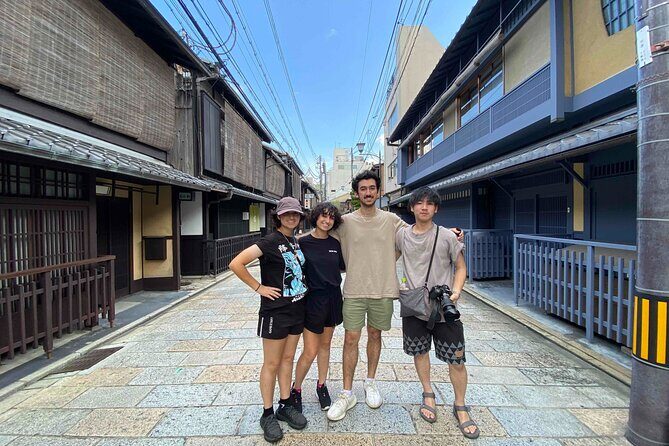
You start at Hotel Granvia Kyoto, at the JR Kyoto Station Central Entrance. It’s an easy meeting spot because you can orient yourself fast, even if Kyoto’s station layout makes you feel like you need a map for the map.
From there, you’ll head to the meditation location, about a five-minute bus or taxi ride. The site is near Nishi Honganji temple, which matters for two reasons:
- It keeps the experience anchored in real Kyoto rather than being out on some distant tour route.
- It makes the program feel connected to the Buddhist environment around it.
Public transportation isn’t included (¥240 per person). If you’re starting at Kyoto Station, you may find it simpler to use a taxi or local transit to keep the afternoon smooth.
Also note the schedule feel. The session is listed around 4.5 hours, but the way it’s structured can run longer than the clock you expect—plan your evening with some breathing room so you don’t feel rushed.
The 90-minute Zen meditation introduction (the part you’ll remember)
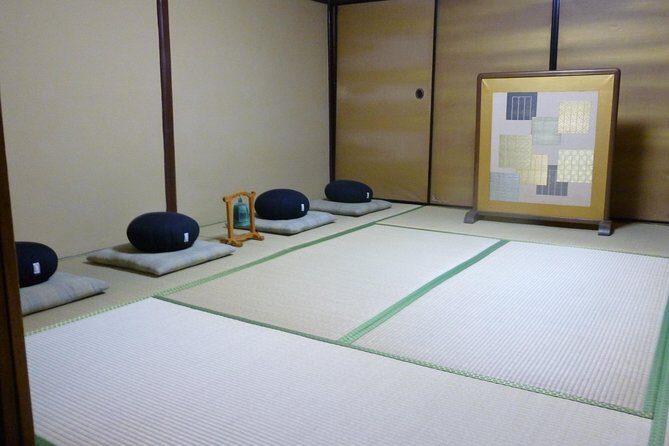
Before you sit, you learn how to sit.
The core of the workshop is a thorough 90-minute introduction to both the theory and the practice of Zen meditation. You focus on two big themes:
1) breath control
2) mind control, as part of mindfulness
This is where the private format pays off. In a larger group, you often spend half your time trying to hear and half your time trying to copy. Here, the priest can explain posture clearly and help you understand what to do when your mind gets noisy.
You also get specific guidance on proper posture for Zen-style mindfulness meditation. That might sound like a small detail, but it’s actually huge. If your body collapses, you’ll fight to stay comfortable and your attention will wander even faster. If your posture is set well, the practice feels more stable—like you can stop negotiating with your body and start observing your mind.
One practical advantage: the explanation is built to help you continue on your own. The aim isn’t just to make you feel calm for a couple hours. It’s to leave you with enough confidence to meditate independently, using the Zen tradition as your guide.
Zazen and kinhin: how the practice is actually timed
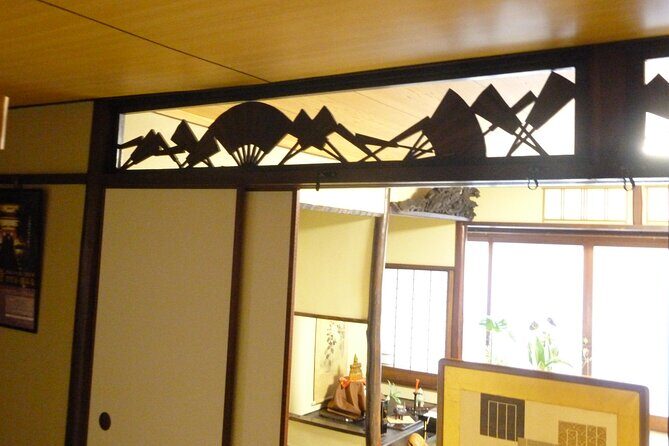
After the intro, you shift from learning to doing.
Your meditation practice includes:
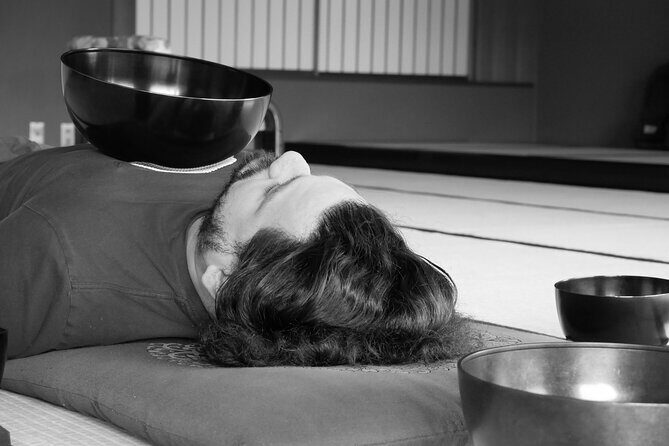
- two separate 20-minute rounds of seated meditation (zazen)
- a 10-minute walking meditation (kinhin) placed between the seated periods
That rhythm is important. Seated meditation can feel intense if you’re new, especially if you’re trying to force a blank mind. By adding kinhin, you get a way to keep moving and adjust your focus. Walking meditation also makes it easier to notice thoughts without getting stuck in the posture struggle.
A key point: you’re not just told to sit. You’re taught how posture links to breath and mind control. In Zen practice, these aren’t separate tasks. When you sit correctly, your breathing tends to settle, and when your breathing settles, your mind stops lurching so much.
If you’re the type who learns best by repeating physical steps, this timing is excellent. You get a full seated period, a reset through kinhin, then another seated period. It gives you a real chance to feel the difference between round one and round two.
Posture options that keep it accessible: lotus, half lotus, or a chair
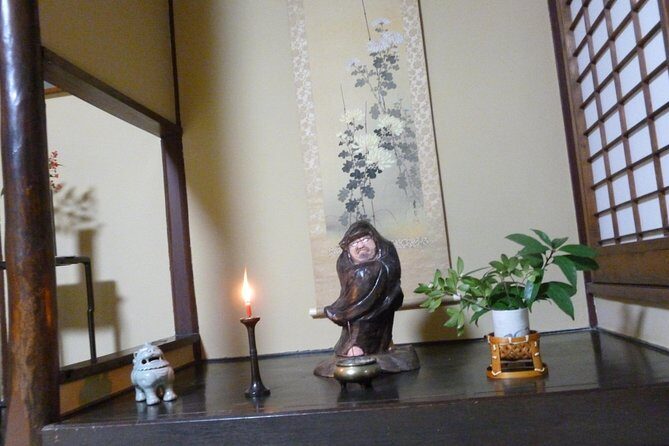
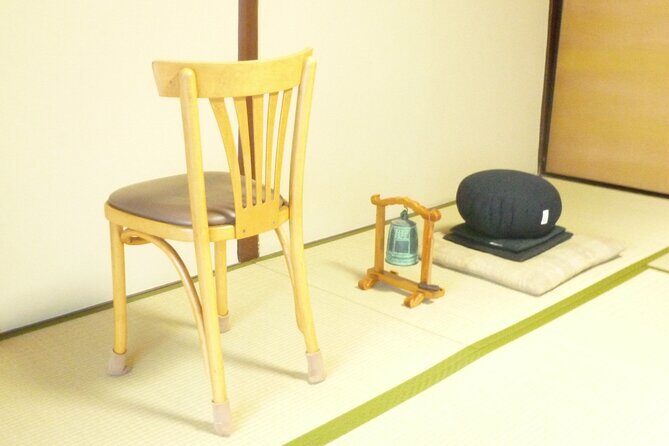
Zen meditation is famous for lotus posture, but this experience doesn’t treat lotus as the only way to practice. You’ll learn you can do zazen in traditional forms such as lotus or half lotus, or on a chair if you find that more comfortable.
That chair option is more than convenience. It changes the whole learning curve.
If you’re stiff, recovering from travel fatigue, or simply not a floor-sitter, a chair can make the difference between meditation and pain management. The coaching focuses on the idea behind posture—alignment and readiness—rather than forcing your body into an uncomfortable shape just to check a box.
One small thing to consider: plan for a clean, calm body session. Even with chair options, you’ll be sitting or walking for meaningful stretches. Dress in clothing that lets you move easily, and keep your footwear choices sensible in case you’re asked to move around during kinhin.






Nishi Honganji context: why your practice starts in a Buddhist environment
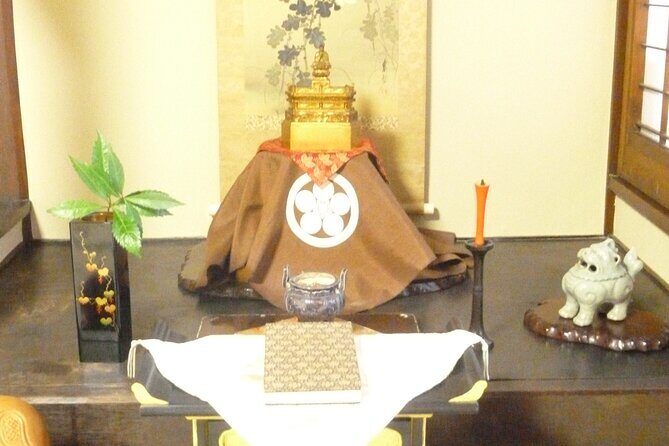
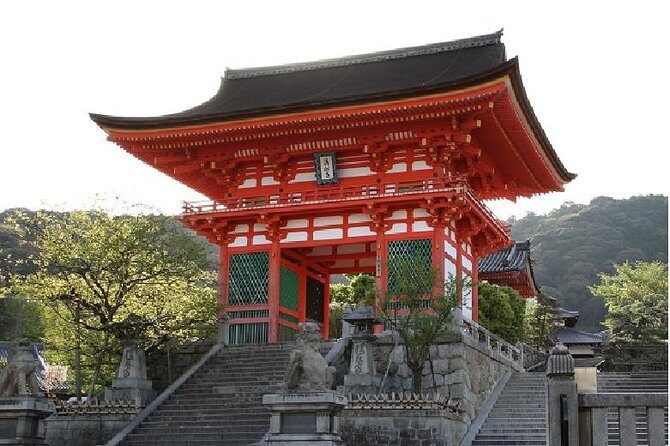
You’re associated with Nishi Honganji as part of the program. Even if you only see the temple area briefly, the effect is worth it. Kyoto’s major religious sites aren’t just backdrops. They create an atmosphere that makes it easier to take the practice seriously.
This matters because Zen can feel abstract if you meet it only through books or videos. Being in the neighborhood of a real temple—even at a short stop—helps you understand that meditation is part of a lived tradition, not just a breathing technique.
You’ll also be in the right mood for the machiya setting afterward. Temple calm plus a quiet interior room is a strong combination for settling down without needing heavy instructions.
Coffee, tea, and a Kyoto sweet: the end is part of the lesson
The workshop doesn’t end when the last seated round finishes.
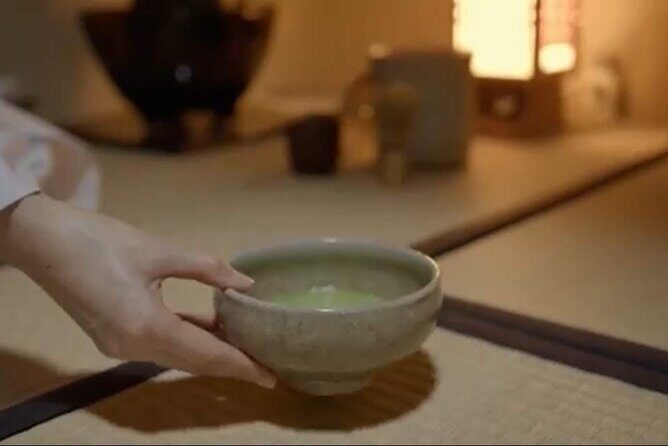
You get 30 minutes for tea and a traditional Kyoto sweet, and this time includes space for questions. That is a big practical win. A lot of meditation experiences stop right after the practice and leave you with unanswered doubts like:
- What should I do when my mind is loud?
- Am I doing the posture correctly?
- How should I continue after I get home?
Here, the Q&A time is built into the schedule, and you can bring your own concerns. That makes the afternoon feel more like a coaching session than a one-time show.
You’ll also have coffee and/or tea during the visit, and the ending includes green tea specifically. If you’re sensitive to caffeine, keep an eye on what you drink so it doesn’t interfere with your next stop that evening.
Price and value: is $108 reasonable?
At $108 for roughly 4.5 hours, this isn’t a cheap “activity class.” It is, however, a strong value because you’re buying private instruction from a Zen Buddhist priest.
Here’s where the price makes sense:
- Private format means you’re not competing for hearing or correction.
- You get 90 minutes of structured teaching, not just a short talk.
- You practice with guided timing: two zazen rounds plus kinhin.
- You receive coffee/tea plus a traditional Kyoto sweet, so you’re not paying extra for refreshments.
- You leave with a clear intention: feel confident continuing on your own.
You do need to factor in transport on top (¥240 per person for public transit), especially if you’re not already close to Kyoto Station.
If your goal in Kyoto is to balance temples with real personal experiences, this is the kind of activity that gives you a skill you can carry forward. If your goal is mostly photos and quick stops, you may find it less efficient for that style of sightseeing.
Who this suits best (and who should think twice)
This experience fits well if you’re:
- curious about Zen and want both theory and practice
- new to meditation but willing to learn posture and rhythm
- someone who values a quiet, private setting over group energy
- the type who likes asking questions and getting direct answers
It may feel less ideal if you’re:
- expecting a light, casual chat with minimal structure
- very sensitive to information overload (the session is thorough)
- short on time and need everything to stay strictly on schedule
For many people, that thoroughness is the point. A focused, private session is exactly what helps you turn interest into actual ability.
Practical tips so you’re comfortable from minute one
I’d plan for comfort and clarity.
- Wear layers. Kyoto buildings can feel cooler, especially in quiet indoor spaces.
- Choose footwear you can easily manage for moving around during kinhin.
- If you know you struggle with sitting on the floor, lean into the chair option early. You’ll likely get better results when your body isn’t fighting you.
- Keep your questions in mind. The Q&A time is included, and it’s useful to ask about what you’re doing—not just what Zen means.
If you’re trying to fit this between temple visits, give yourself buffer time. The program runs long enough that rushing afterward can dampen the calm effect.
Also, cancellation is free up to 24 hours in advance. That gives you room to adjust if your Kyoto plan shifts.
Should you book this private Zen meditation workshop?
If you want a meaningful, authentic Kyoto experience that is actually about practice—not just observation—this is a smart booking. The private format, the guided coaching for posture, and the clear structure of zazen plus kinhin make it a real learning experience.
Book it if you’re willing to slow down for a half-day and you want a foundation you can use later. Skip it if you’re chasing quick sightseeing or you truly dislike guided instruction.
In Kyoto, it’s easy to collect spiritual sights. This experience helps you take home something more useful: a way to sit, breathe, and notice your mind with less guessing.
FAQ
FAQ
How long is the Zen meditation workshop in Kyoto?
The experience lasts about 4 hours 30 minutes.
Is this a private experience?
Yes. It’s a private tour/activity, so only your group participates.
What meditation types do you practice during the session?
You practice seated meditation (zazen) in two periods of about 20 minutes each, with walking meditation (kinhin) for about 10 minutes in between.
Can you sit in a chair if you don’t want lotus posture?
Yes. You can do the meditation using traditional lotus or half lotus postures, or on a chair if that’s more comfortable.
What food and drinks are included?
Coffee and/or tea are provided during the visit. The workshop also ends with green tea and a traditional Kyoto sweet.
Where do you meet, and what time does it start?
You meet at Hotel Granvia Kyoto, JR Kyoto Station Central Entrance, and the start time is 1:00 pm. The activity ends back at the meeting point.