Quiet moments start fast in Kyoto. This small-group experience leads you through a Zen garden with a local guide first, then shifts into zazen (Zen meditation) at Tofukuji Temple. Along the way, you’ll see major temple details like the San-mon gate, dragon ceiling paintings, and even the oldest surviving toji (toilet).
I especially love how the guide turns Zen from a concept into something you can actually use—how to sit, what to notice, and how to think about breath and posture. I also like the value of the included Shojin ryori meal afterward, a monk-style vegetarian lunch served in a temple setting.
One thing to plan around: during zazen, conversation is off-limits. You’ll be given silent reading materials, and your guide can’t really run commentary during the sitting, so go in ready to just be quiet.
In This Review
- Key highlights you’ll feel immediately
- Where Zen starts: Tofukuji Station as your calm launch point
- The Zen garden walk: how to “read” calm instead of chasing it
- Tofukuji Temple highlights: San-mon gate, dragon ceilings, and an odd-but-fascinating toilet
- Shōrin-ji (Bishamon-dō): temple training atmosphere and a longer, quieter stop
- The zazen session: posture, breathing, and why silence is part of the lesson
- After meditation: a monk conversation and then a slow walk to lunch
- Shojin ryori lunch: monk-style vegetarian food with dashi broth
- Group size, pacing, and what to wear in Kyoto heat or cold floors
- Who this Kyoto Zen meditation tour is best for
- Practical value and the price question: is $107 fair for 4.5 hours of temple time?
- Should you book this Kyoto Zen meditation and garden tour?
- FAQ
- How long is the Kyoto Zen Meditation and Garden Tour?
- Where do I meet for the tour?
- Is the tour guided in English?
- Do I get Zen meditation instruction and do I meditate with monks?
- What happens during the zazen session?
- What lunch is included?
- Is the group large?
- Is this tour suitable for gluten intolerance?
- If I join the 10:45 start time, when will lunch be served?
- Is there a cancellation option?
- Final call
Key highlights you’ll feel immediately
- Tofukuji Zen temples at walking pace: not a sprint through Kyoto sights, but a calm route with time to look.
- Garden first, meditation second: you learn how to read the Zen garden before you sit down.
- One-hour zazen with silent reading materials: silence is part of the experience.
- Monastery-style vegetarian meal (Shojin ryori): vegetables, mushrooms, seaweed, and dashi-fish broth.
- Small group of up to 7 with English guide support: easier questions and a more personal feel.
- Included temple photos: helpful when you’d rather focus on the moment than your camera.
Where Zen starts: Tofukuji Station as your calm launch point
This tour runs from Tofukuji Station (outside, Exit 2, next to FamilyMart). That matters more than you’d think. Kyoto is easy to get turned around in, and this experience is timed—arrive on time and you avoid that awkward late-arrival stress.
Once you meet, the day shifts into a quieter rhythm. Your guide sets expectations early: you’ll be walking between temple spaces, and one key block of the day is a silent sitting. It’s the kind of plan that works well if you want culture and calm, not just photo stops.
You might be led by different English-speaking guides depending on the day—names I saw in bookings included Yutaka, Louis, Eri, Yukata, and Tammy. The big common thread: they guide with a steady, respectful tone rather than rushing you through the details.
If you're still narrowing it down, here are other tours in Kyoto Prefecture we've reviewed.


The Zen garden walk: how to “read” calm instead of chasing it
Before you ever sit down, you start at Kōmyō-in Temple for a garden-focused introduction. This is one of the smartest parts of the program. Zen is often marketed as meditation only, but here you begin with something visual and practical: how to look at space, shapes, and stillness.
Your guide gives commentary while you stand in the garden. That framing helps you notice that Zen isn’t about forcing your mind to blank out. Instead, it’s about paying attention in a way that feels orderly and gentle—like you’re learning a slower way to see.
If you’ve tried meditation apps or YouTube sessions, this garden piece can re-tune your expectations. You’re not just learning techniques. You’re learning attitude: how to observe, how to accept quiet, and how to stay present even when nothing is happening.
Tofukuji Temple highlights: San-mon gate, dragon ceilings, and an odd-but-fascinating toilet
After the garden, you head to Tofukuji Temple itself. Even with a short stop, you get a hit list of standout details:
- San-mon gate: impressive architecture that instantly makes the space feel ceremonial.
- Dragon ceiling paintings: these add energy to the otherwise quiet atmosphere.
- The oldest surviving toji (toilet): yes, really. It’s one of those Kyoto details that makes you smile because it’s so human and so specific.
Why those details matter: when a temple visit includes concrete objects like gates, ceilings, and everyday facilities, you start understanding how Zen lived in real monastic life—not just in idealized meditation posters.
A quick heads-up: temple viewing time here is short, so if you’re the type who loves reading every sign, you’ll still want to save your extra curiosity for the places later in the day where you have more time to linger.
Shōrin-ji (Bishamon-dō): temple training atmosphere and a longer, quieter stop
Next comes Shōrin-ji (Bishamon-dō), a longer visit where you get more time to slow down and actually take in what you’re seeing. This stop works as a buffer between the earlier garden focus and the later zazen session.
Bishamon-dō temple areas often carry a different mood than pure garden spaces—more texture, more visual depth, and more “this is a working religious site” energy. For me, the value is psychological: you don’t go from calm garden mode straight into sitting. You transition through a temple that feels alive with tradition.
This also gives you a chance to ask questions of your guide before silence starts. Once zazen begins, you’ll shift into a different communication style.
The zazen session: posture, breathing, and why silence is part of the lesson
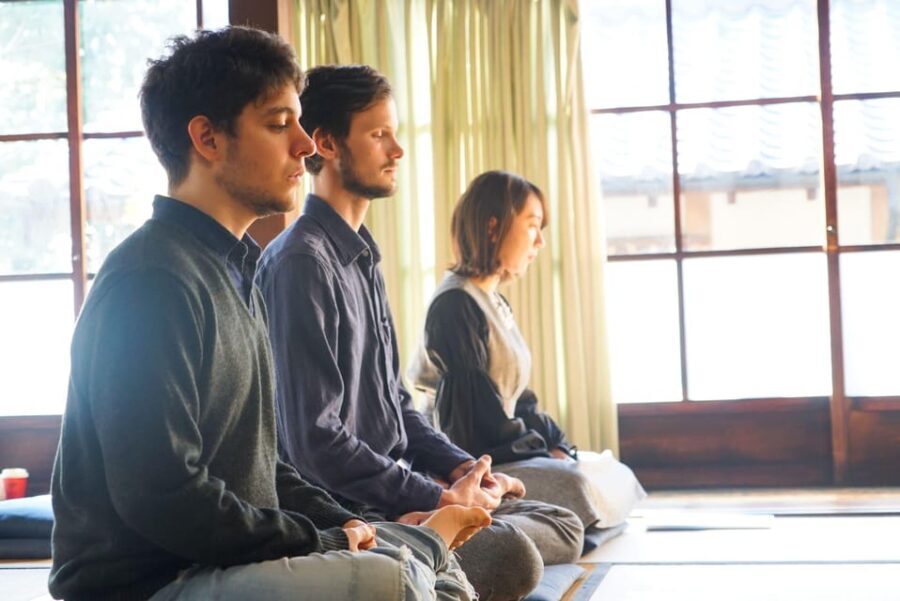
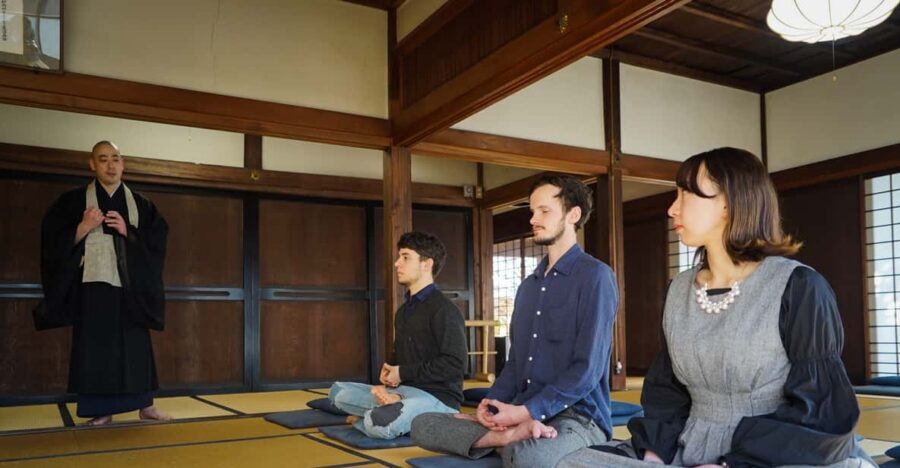
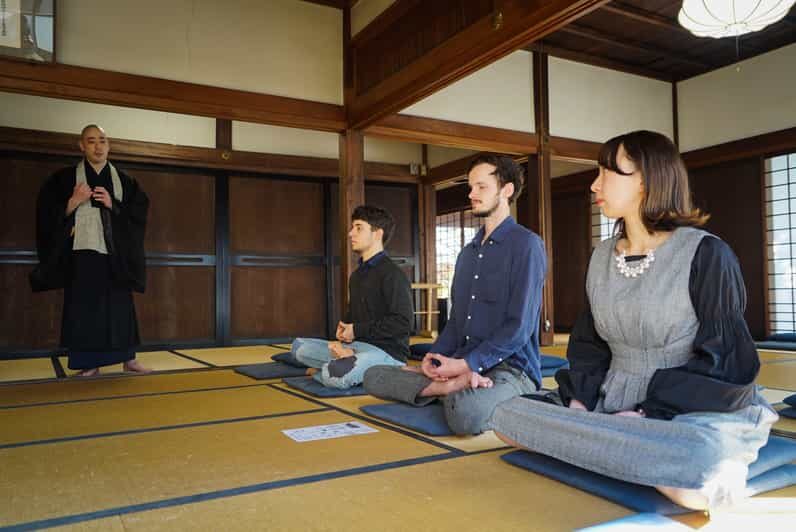
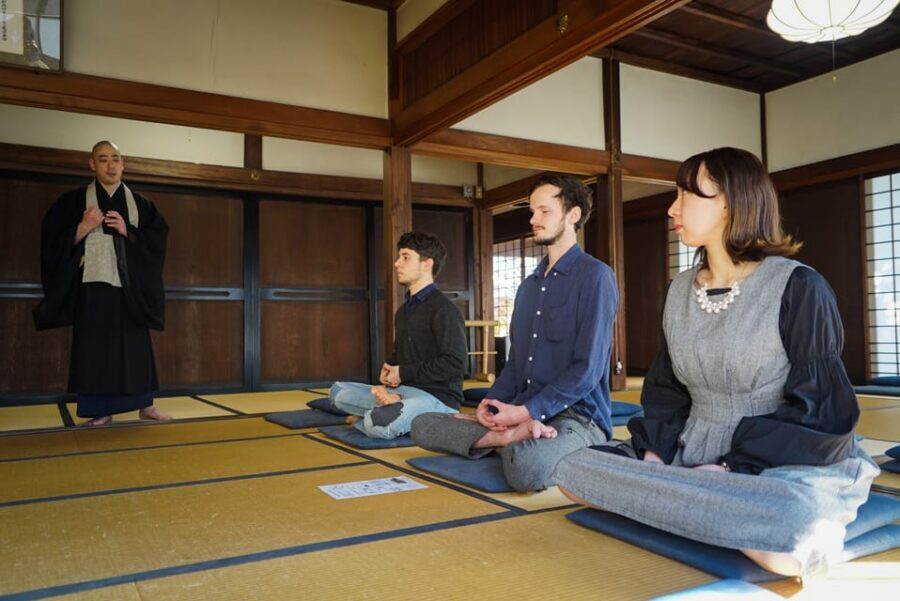
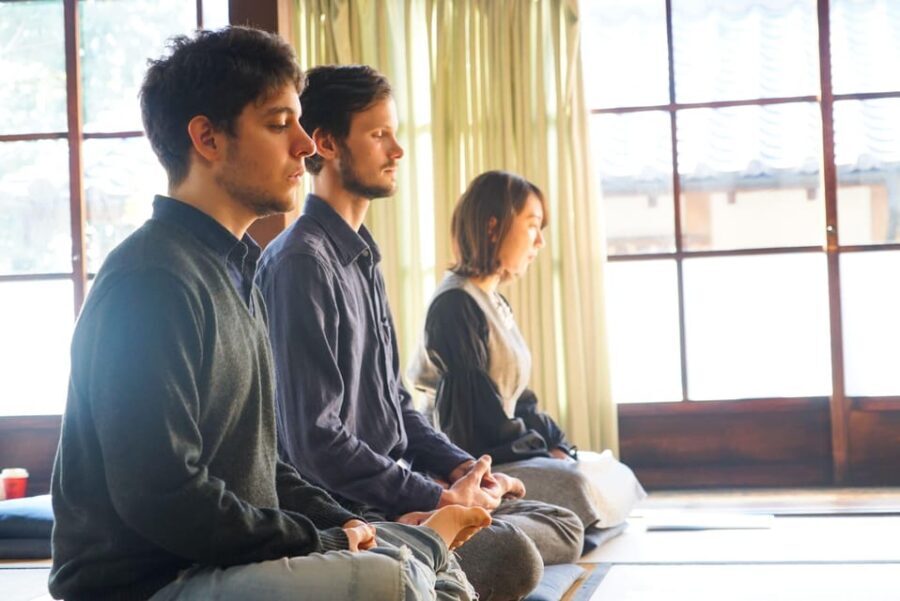
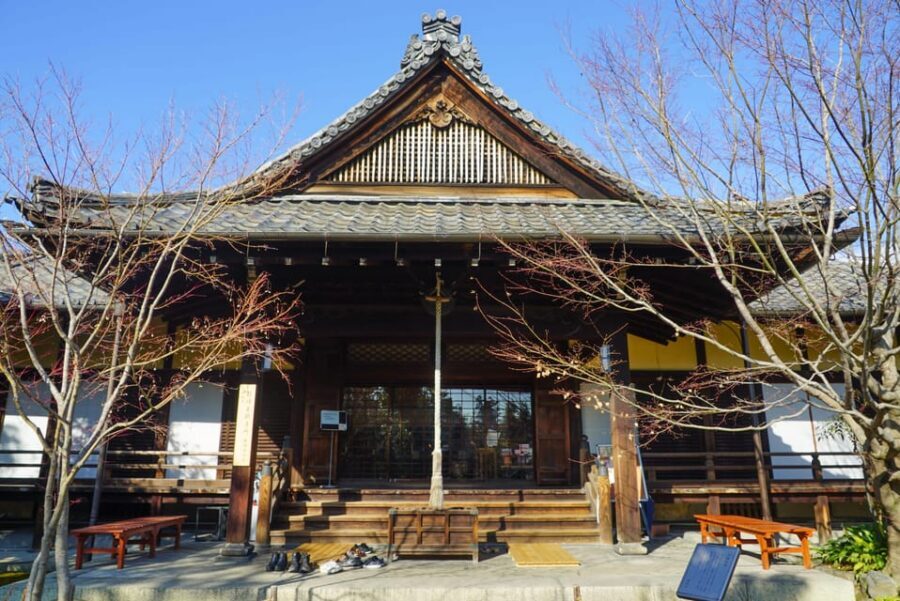
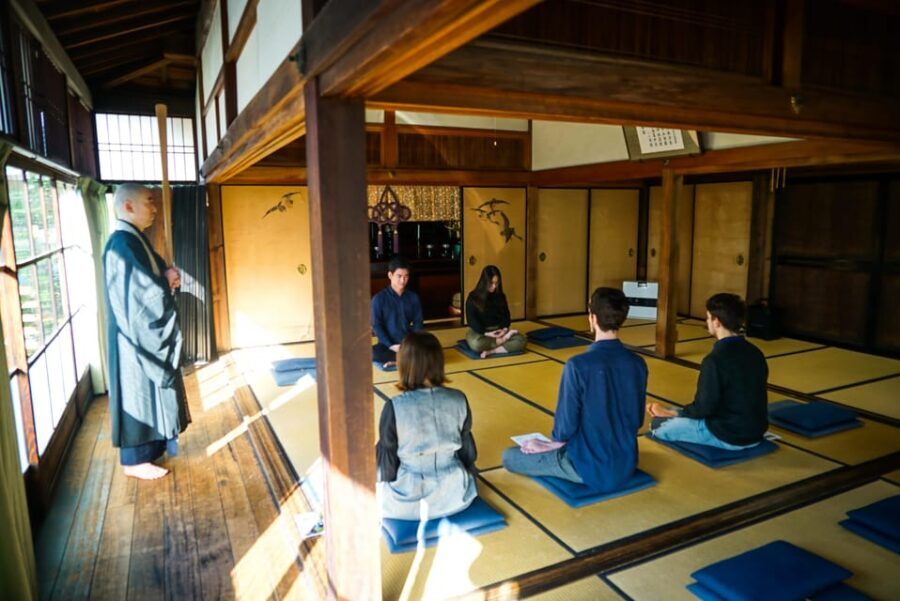
The center of the day is zazen at a smaller temple within the Tofuku-ji complex dedicated to zazen practice. Plan for about one hour of meditation.
Here’s how it works in practice:
- Your guide leads you through the basics of posture and breathing.
- Then the monk keeps the session quiet, and your guide maintains silence during that block.
- You’re provided with silent reading materials to help you follow along without someone talking through it.
This is an experience for people who can handle quiet without needing constant explanation. If you’re hoping for lots of English during the sitting, adjust your mindset. In at least one booking experience, the monk did not speak English and the group relied on the provided booklet—so don’t expect translation to fly around the room in real time.
Also, a practical note: even if your group is small, the meditation room might include others beyond your group. One booking described the meditation taking place in a larger room, which can affect how intimate the experience feels. You still get the structure and guidance, but the “small and personal” vibe may be less perfect than you imagine.
Still, when it clicks, it clicks hard. You’ll notice how your attention changes when you stop trying to multitask. Zen meditation is simple in shape and hard in practice—and that’s exactly what makes it meaningful.



After meditation: a monk conversation and then a slow walk to lunch
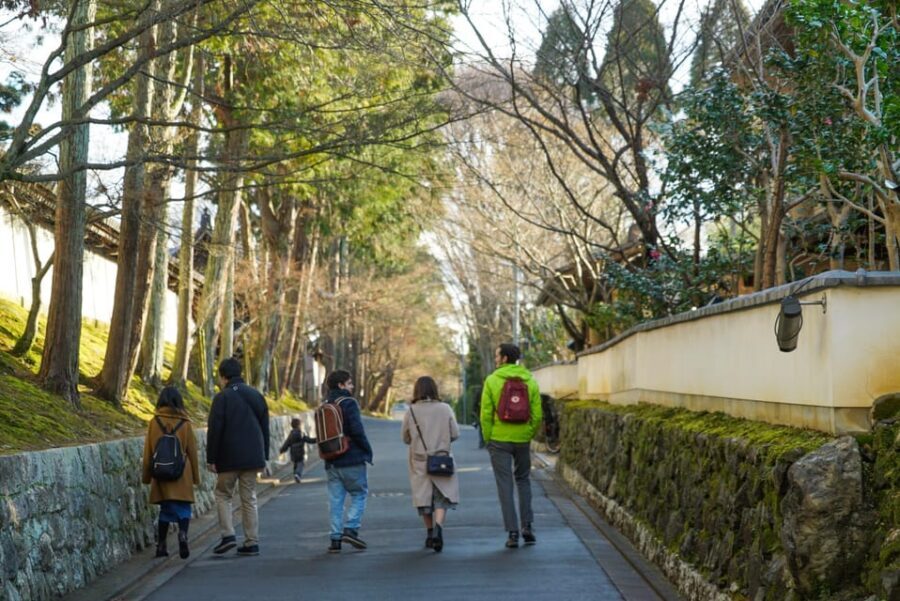
After zazen, the tone shifts from silence to conversation. You’ll have a brief discussion with the monks, and that part can feel like the reward you didn’t realize you needed. Even a short chat brings context: you hear how others think about practice and what they value about calm attention.
Then you take a short walk to your meal. This walk matters because it prevents the day from feeling like one hard stop after another. You come out of meditation, breathe, and re-enter regular human life in a gentle way.
Shojin ryori lunch: monk-style vegetarian food with dashi broth
Lunch is Shojin ryori, a traditional vegetarian diet embraced by Japanese monks since the 13th century. The meal includes:
- Dashi-fish broth
- A bit of dairy included
- A focus on vegetables, mushrooms, and seaweed
- A no-meat, no-fish approach for the main structure
It’s also served in a temple restaurant setting connected to that monastic training world—at one point, the adjacent temple housed up to 1,200 Buddhist monks for training. Even if that number sounds like trivia, it changes how you experience the meal. You’re eating in a place that was built around disciplined daily life.
Timing can matter too. If you book a start time at 10:45, lunch lands around 14:15 because meditation comes first. If that’s your slot, eat a solid breakfast or brunch unless you enjoy the taste of hanger.
Food-wise, the lunch is one of the most consistently praised parts of the day—people often say it’s better than they expected, with plenty of variety.
Diet note: the tour is not suitable for people with gluten intolerance. If that includes you, don’t gamble on substitutions that aren’t guaranteed.
Group size, pacing, and what to wear in Kyoto heat or cold floors
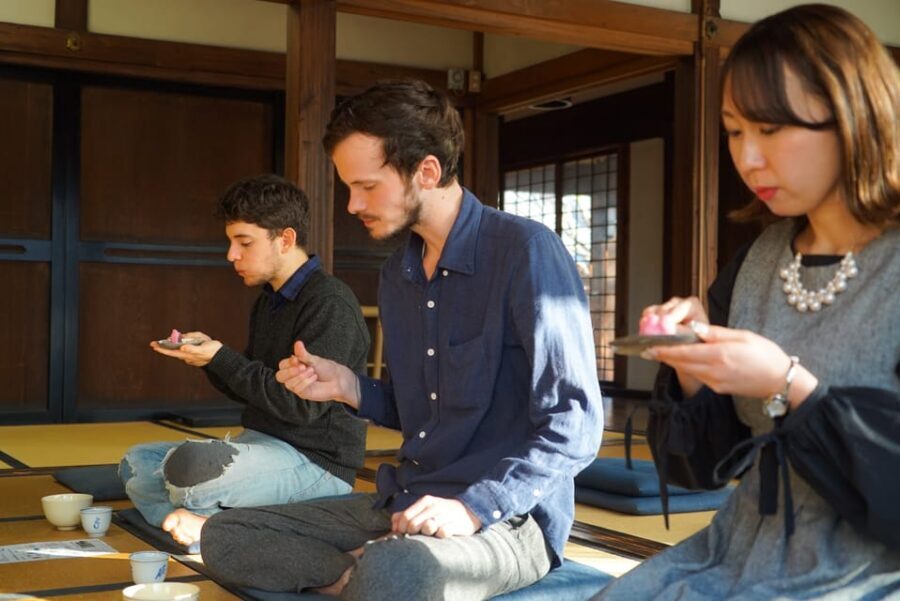
This is limited to a small group of 7 and guided in English. Small groups are a big deal for experiences like this because it’s easier to follow instructions and ask practical questions.
Pacing is also tuned. You’re not running between stops with a “see everything” mentality. You’re moving at a Zen-friendly pace: look, listen, sit, then eat.
Now the real-world stuff:
- Japan summers can be hot and humid. Bring water and consider a hat.
- Temple floors can be cold in winter. Thick socks help more than you’d guess.
Also watch the start time. You’ll need to be ready to begin on schedule, and if you arrive late and miss the group, rescheduling or refunds may not be possible. In other words: treat this like a train, not like a stroll.
Who this Kyoto Zen meditation tour is best for
I think this works best for you if you want more than sightseeing. You want to understand the meaning of Zen through a real structure: garden attention, guided posture and breath, and then a meal shaped by monastic practice.
You’ll also enjoy it if:
- You’re curious about Zen Buddhism but don’t know what to ask.
- You like quiet experiences and can handle silence during the sitting.
- You want a cultural day that ends with an authentic meal, not just a convenience restaurant stop.
It’s also a great fit if you’re meditating on your own already. One booking described having meditated for years but finding this session gave a deeper approach—partly because it’s practice in a temple setting with guidance and a monk-led structure.
Practical value and the price question: is $107 fair for 4.5 hours of temple time?
At $107 per person for about 270 minutes (around 4.5 hours), the value comes from the mix:
- Temple and garden admission included
- English live guide
- One-hour zazen session structure with silent reading materials
- Temple-style Shojin ryori lunch included
- Photos included
Tours that only do “temple sightseeing + a quick stop” can cost similarly, but you don’t get the same practice component. Here, the lunch is also not an afterthought—it’s part of monastic rhythm and is consistently praised as satisfying.
You are paying for access to a guided practice day, not just entry tickets. If that matches your travel goal—slow down and learn how Zen is practiced—then the price feels in line.
Should you book this Kyoto Zen meditation and garden tour?
Yes, if you want a calm, structured introduction to Zen in an authentic temple setting—starting with garden attention, then sitting practice, then Shojin ryori lunch.
I’d say skip it if you:
- Need a talk-heavy experience during meditation (zazen is silent and you’ll use reading materials).
- Have gluten intolerance (the tour isn’t suitable).
- Are traveling with kids under 12 (not suitable).
- Prefer to travel on your own timing without strict start-time adherence.
If you show up ready to be quiet for an hour and you’re okay letting the day move at temple speed, this is the kind of Kyoto experience that lingers.
FAQ
How long is the Kyoto Zen Meditation and Garden Tour?
The total duration is 270 minutes.
Where do I meet for the tour?
Meet outside Tofukuji Station at Exit 2, next to the FamilyMart.
Is the tour guided in English?
Yes, the live tour guide speaks English.
Do I get Zen meditation instruction and do I meditate with monks?
You’ll have a Zen meditation experience and an English local guide will help explain posture, breathing, and how to practice. The zazen session occurs in a temple setting with silence maintained.
What happens during the zazen session?
Private conversations are generally prohibited. You’ll be given special silent reading materials and the guide will maintain silence during the session.
What lunch is included?
Lunch is Shojin ryori, a traditional vegetarian Buddhist meal. It includes dashi-fish broth, with a bit of dairy included.
Is the group large?
No. The group is limited to 7 participants.
Is this tour suitable for gluten intolerance?
No. The tour is not suitable for people with gluten intolerance.
If I join the 10:45 start time, when will lunch be served?
Lunch will be at about 14:15, after the meditation experience.
Is there a cancellation option?
Yes. Free cancellation is available up to 24 hours in advance for a full refund.
Final call
Book it if you want a real practice day in Kyoto—garden first, zazen second, then monk-style lunch. Don’t book it if you expect lots of English talk during meditation or you need gluten-free options.