Kurama feels like a secret side of Kyoto. You’ll trade busy streets for a train ride into the mountains, a hike under cedars, and a mountaintop temple visit that locals treat like a power spot. I love the way the route mixes quiet nature with shrine-and-legend storytelling, and I love the payoff of soaking after the climb.
You also get a few cultural moments that make the day feel grounded, not rushed. The tour includes a stop at Kibune shrine, where you’ll offer a prayer for good relationships, and then you’ll head up to Kurama Temple for views over the valley. One consideration: the hike is short, but it includes stairs to the top, so you’ll want decent fitness and shoes with grip.
For $80 per person, the value is in what’s handled for you: a live guide, temple admission, and transportation into the area. Lunch and the hot spring fee are extra, and you’ll wrap in the village of Kurama with guidance for your next step back. Bring water, wear long pants if bugs bother you, and plan for a workout in any warm weather.
In This Review
- Key highlights you’ll feel on this Kyoto mountains day
- Kyoto’s north: Kurama and Kibune’s calm contrast
- From Demachiyanangi Station to the mountain lines
- Kibune shrine: a short prayer that sets the tone
- The cedar forest hike: moderate effort, real steps
- Reaching Kurama Temple: views, bell, and sacred details
- Kurama village after the climb: lunch and river-side rhythm
- Kurama hot spring (onsen): the best reason to stay for the soak
- Price and value: what $80 gets you in the mountains
- Who should book this Kurama hike, and who should skip it
- Practical packing and smart pacing for this 4-hour outing
- Should you book Kyoto: Hike and Hot Springs in Kurama?
- FAQ
- How long is the Kyoto Hike and Hot Springs in Kurama?
- Where do I meet the tour?
- What does the price include?
- Is the hot spring included in the tour price?
- Do I need to hike regularly to do this?
- How hard is the climb to Kurama Temple?
- Are kids allowed?
- What should I bring?
- What languages are the guides?
- Do I go back to the meeting point at the end?
Key highlights you’ll feel on this Kyoto mountains day
- Demachiyanangi Station to Kurama/Kibune by train: a scenic ride that gets you out of the city fast
- Kibune shrine prayer for good relationships: a simple, meaningful cultural stop
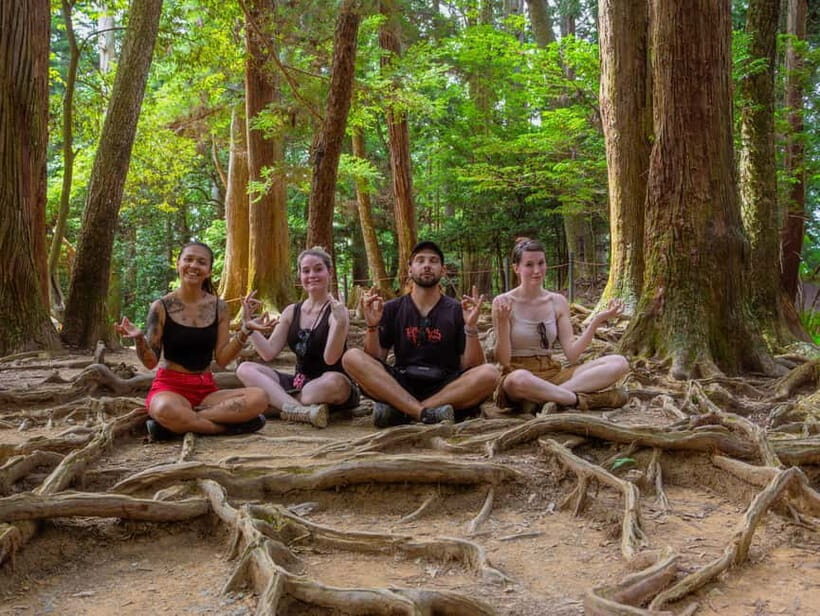
- Ancient cedar forest hike: calm air, shaded trail, and frequent places to pause
- Kurama Temple mountaintop time: “power spot” energy, plus views down into the valley
- Hot spring option in Kurama: outdoor soaking after stairs is the whole point
- English/French live guides (examples include Chris, Philippe, Kevin, Salome): history + pacing that actually works
Kyoto’s north: Kurama and Kibune’s calm contrast
North of Kyoto, the world gets quieter fast. This part of Honshu runs along a legendary river corridor and climbs into wooded hills, which means you’re not just changing scenery—you’re changing rhythm. The day is built around that shift: go up, offer prayers, see the temple from above, then cool off with a soak.
Kurama and Kibune are also an antidote to the usual Kyoto checklist. Instead of stacking temples in a single neighborhood, you get one vertical journey: shrine → forest trail → mountaintop temple → village. That structure matters because it keeps your brain in “walk and notice” mode.
And there’s a spiritual layer that feels practical, not performative. You’re not only looking at religious sites; you’re making a small prayer at Kibune shrine and then spending real time at Kurama Temple as part of the same up-and-down flow.
If you're still narrowing it down, here are other tours in Kyoto Prefecture we've reviewed.


From Demachiyanangi Station to the mountain lines
Your day starts at Demachiyanangi Station exit 7, in front of the Eizan railway. From there, the experience eases you into the hills with a pleasant ride through mountainous terrain. It’s not just transportation—it helps you arrive without stress, legs fresher for the steps later.
Train time also gives you an early chance to set expectations. You’ll likely notice how the mountain lines follow the valleys and cut through rural areas, which makes the later hike feel like a continuation rather than a separate activity.
A small practical note: the tour includes transportation to the activity area, but it doesn’t include transportation back to the meeting point. That’s normal for mountain days, but it affects your planning—at the end, you’ll be in Kurama village with guidance on how to return to town.
Kibune shrine: a short prayer that sets the tone
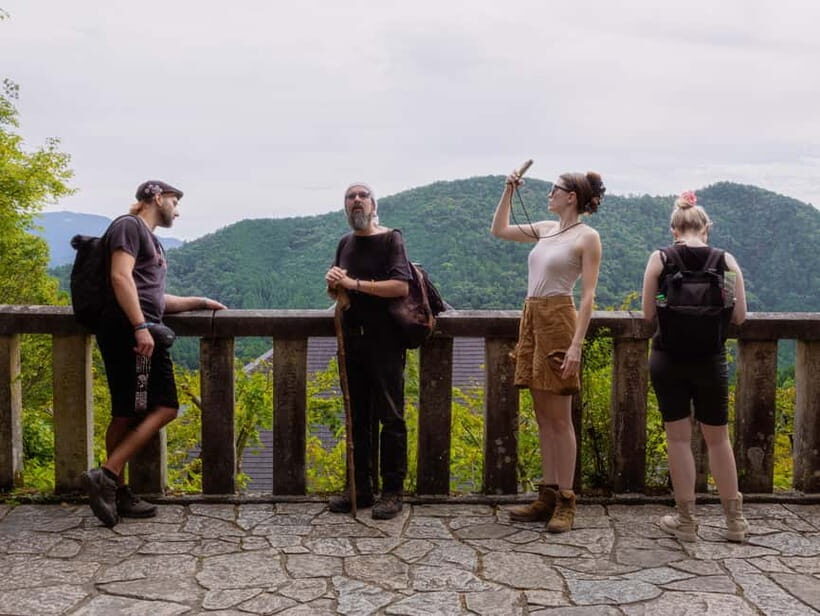
Before you get serious with the climb, you start at a sacred shrine area and then move into the hiking course. One of the best “small” moments is the visit to Kibune shrine, where you make a prayer for good relationships. It’s simple, respectful, and it frames the day in a different way than a typical sightseeing stop.
This part also helps you feel the local atmosphere. Kibune is known for its quiet mountain feel, and the shrine visit puts you in that mindset before the trail starts to climb. You’ll also get stories along the way, which helps the hike feel connected instead of like a random set of stops.
If you’re the type who likes meaning in your travel, this shrine moment is a keeper. If you mainly want views and photos, it still works, because the tone it sets makes the later temple experience feel earned.
The cedar forest hike: moderate effort, real steps
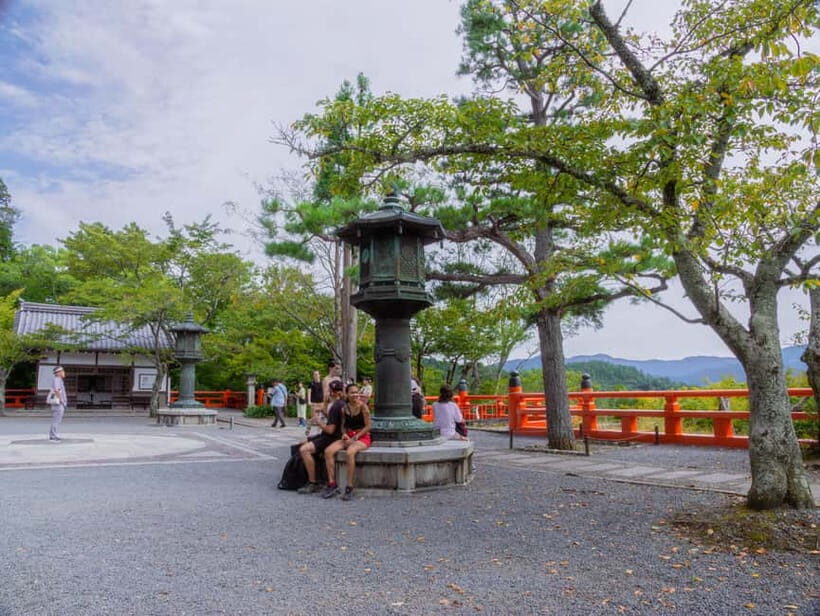
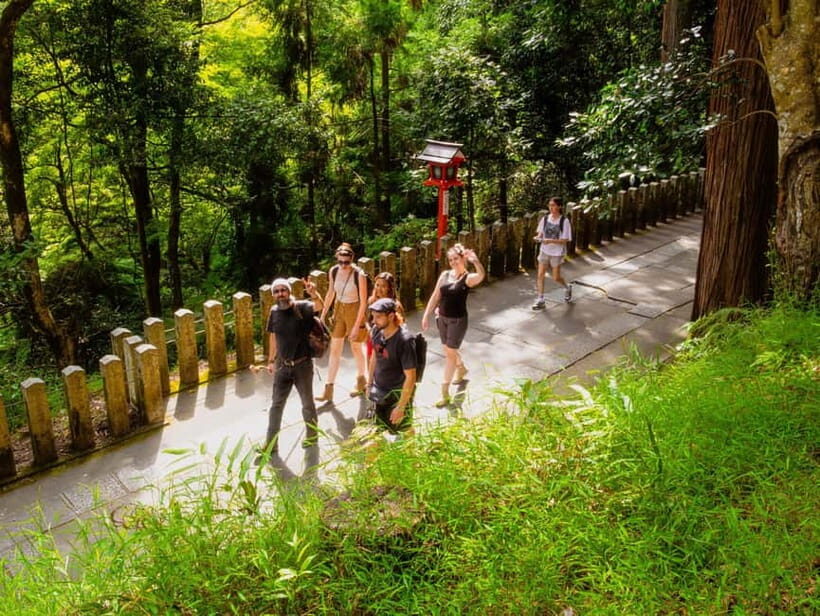
The main workout is climbing the steps toward Kurama Temple. The peak is typically reachable in about 30 to 40 minutes, and the overall hike is described as moderate. That sounds manageable, but remember: stairs are stairs. If you’re not used to hiking, treat the climb as your main challenge, not the temple time.
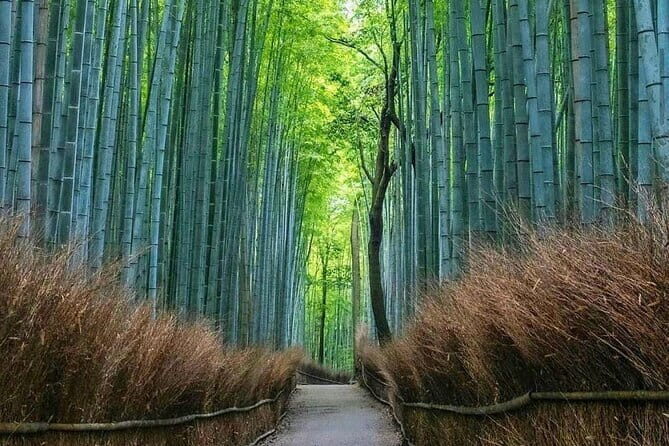
You’ll want to plan for stops. The route includes pauses along the way to enjoy the scenery and trail features that make this hike feel more like a walk through a living place than a long corridor of stone. And your guide will share tales as you go, so the time moves quickly.
One nice advantage: conditions can vary, so the hike can feel different day to day. You might encounter light snow on a sunny day, or see wildlife such as deer on the way up. In warm seasons, heat can make the climb harder, so bring water and pace yourself.
A practical tip that’s worth taking seriously: wear long pants if you want to avoid bug bites. Even if you think you’ll be fine, it’s one of those easy-prep moves that makes the trail more comfortable.
Reaching Kurama Temple: views, bell, and sacred details
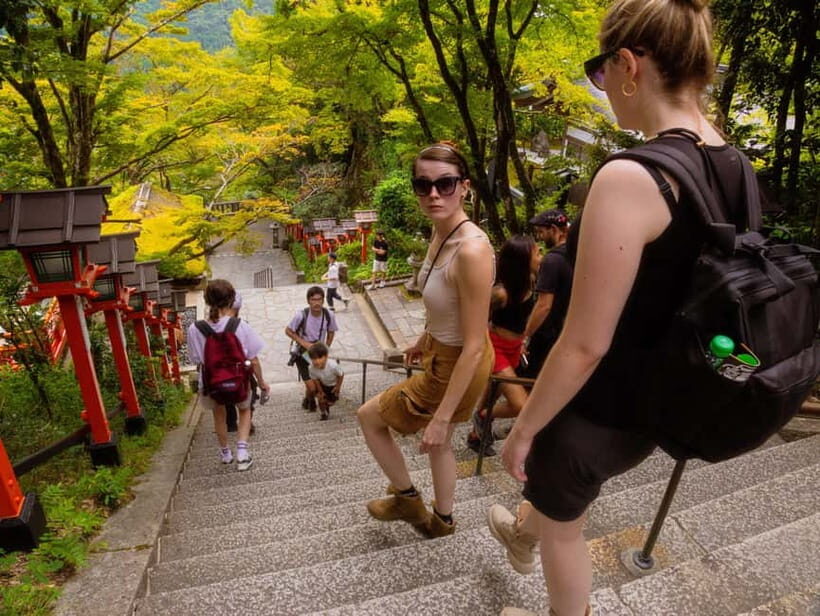
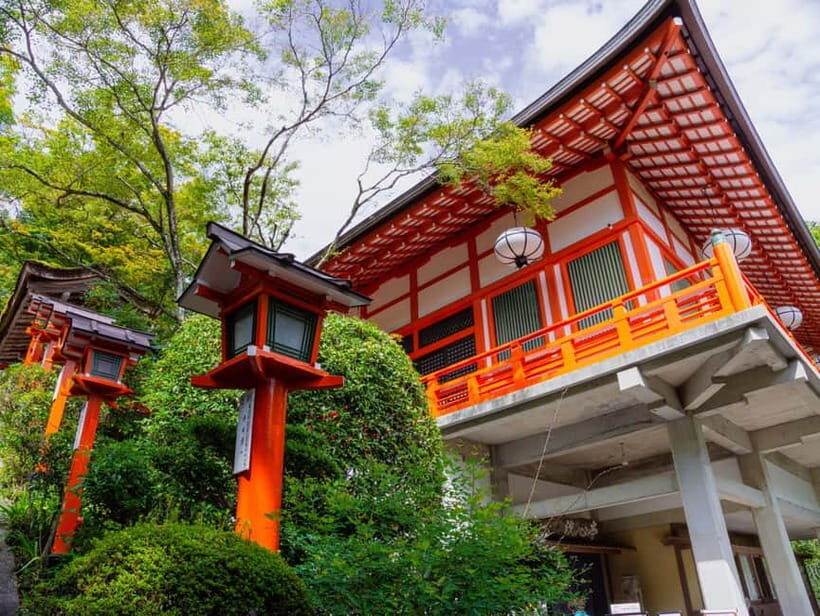
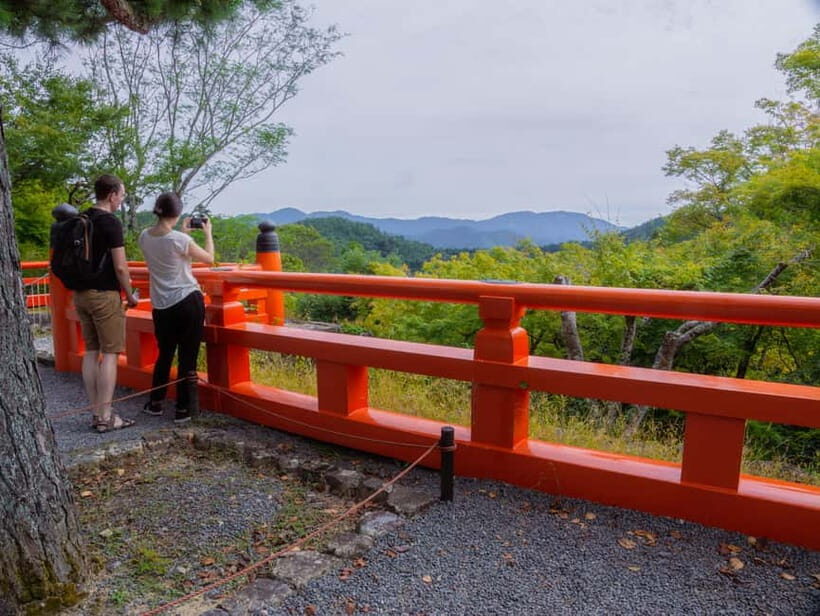
At the top, you visit Kurama Temple, a setting locals treat like a power spot. This is where the day’s story clicks into place. Up to this point, you’ve been climbing through wooded calm; now you’re standing at a vantage point over the valley.
It’s also a place for small, memorable details. Some guides bring you to lesser-visited spaces, and you may even be able to see areas like a crypt or maze-like areas underneath the temple. You can also ring a very large bell from the temple area, which is one of those moments that feels oddly satisfying after the climb.
You’ll get context too. One memorable thread from past guides is the connection between Kurama and Reiki history, which adds an extra layer for people who like spiritual origins and how ideas travel. Even if Reiki is new to you, it gives you a reason to pay attention to what you’re seeing and why it matters to locals.
One thing to watch: temple maintenance can happen. There was an instance when scaffolding limited visibility at the mountaintop, so don’t assume every structure will look photo-perfect every day. The key experience—time in the temple setting and the panoramic views—still matters, but expectations should stay realistic.

Kurama village after the climb: lunch and river-side rhythm
After the temple visit, you descend back down and then spend time in Kurama village. This is your chance to choose your pace. You can grab late lunch, stroll, or simply reset after the steps.
Kurama’s village feeling is part of why this tour works in half a day. You’re not just dropping back into the city and calling it a day. You get time in a small mountain town where restaurants cluster near the river and the pace slows enough to feel the recharge you earned on the hike.
Your guide will also give you options at the end. That matters because it turns the last part into something you can tailor—stay for lunch, check out the hot spring, or head back toward Kyoto by train when you’re ready.
If you’re trying to avoid decision fatigue while traveling, this built-in flexibility is a real benefit. You’re not stuck waiting around; you’re given a menu of choices and then time to enjoy them.
Kurama hot spring (onsen): the best reason to stay for the soak
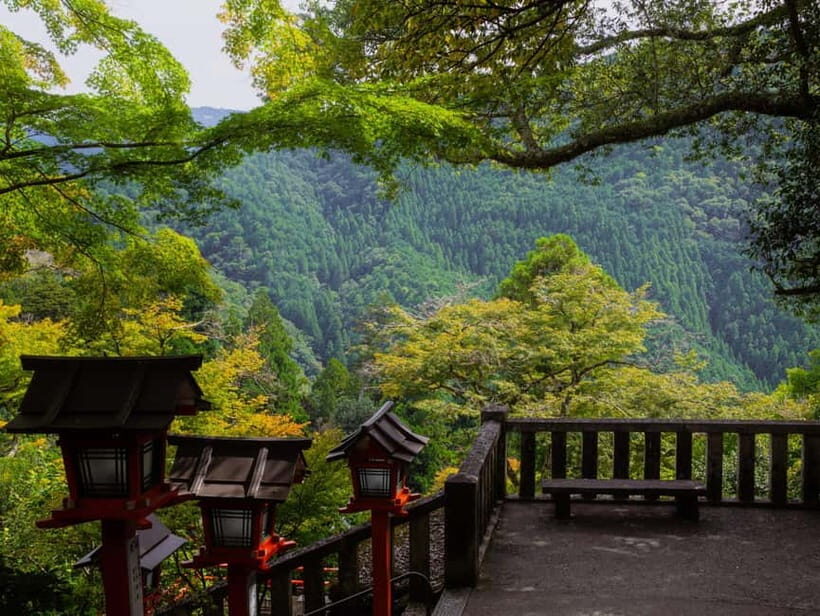
Here’s the part people tend to talk about for a reason: the hot spring is what turns a good hike into a great memory. The onsen in Kurama is described as outdoor and known for views over the mountains, so it’s not just heat—it’s atmosphere.
The hot spring fee is not included in the $80 price, but you can usually purchase discounted tickets through the tour. That’s a smart value move, especially if you know you want the soak but don’t want to hunt around for options at the end.
Timing matters. The heat feels best after your legs have cooled slightly from the descent. If you go right away in a hurry, you miss the slow transition your body needs.
Also: onsen etiquette is part of the experience, so give yourself enough time to change, rinse, and enjoy. This is not a quick splash. It’s a reset button for your whole day.
Price and value: what $80 gets you in the mountains
Let’s talk value without fluff. The tour costs $80 per person for about 4 hours, and it includes:
- guide fee
- temple admission
- transportation
That package makes sense because the hard part in Kyoto is often the “how do I get there and not waste time” problem. You’re paying for a guide who can handle the day’s flow and for transport that gets you out to where the hike actually starts.
What’s not included:
- lunch
- hot spring fee
- transportation back to your meeting point
That last point matters, but it’s also why the tour ends in Kurama village instead of dragging you back to Demachiyanangi immediately. You get choices for the final leg, and that flexibility can save you time later.
Bottom line on value: this is a solid deal if you want the guided cultural component plus the mountaintop temple plus the option to soak. If you plan to skip the onsen and only treat it like a solo hike, the included transport and admission matter less.
Who should book this Kurama hike, and who should skip it
This is a good match for people who:
- can handle a moderate climb with stairs
- want a short, meaningful outdoor break from central Kyoto
- like guides who connect history and legends to what you’re seeing
- want both culture and relaxation in the same half day
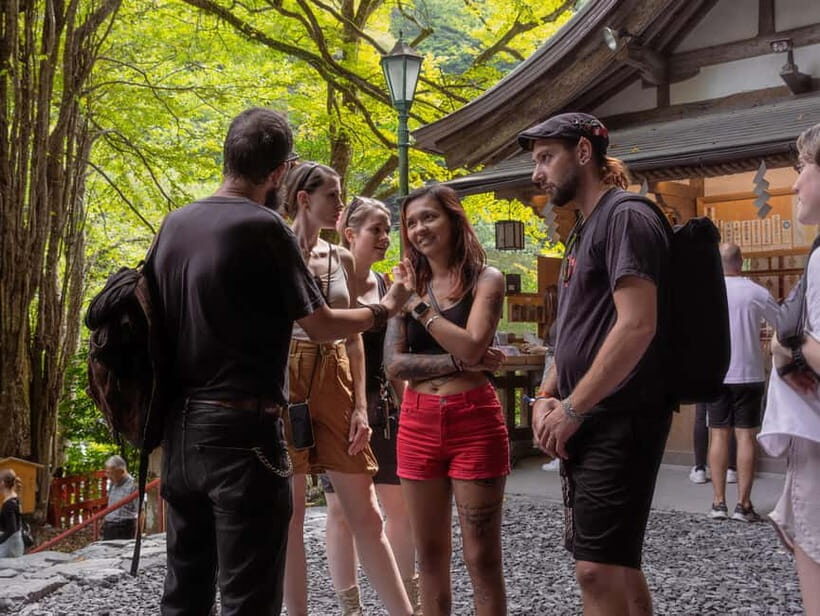
Guides on this tour have been described as attentive and good at pacing, and in some cases they even tailor the day when the group is small. If you’re the type who enjoys asking questions and getting answers tied to the actual sites, you’ll likely like the flow.
It’s not for everyone. The tour is not suitable for:
- children under 11
- people with mobility impairments
- wheelchair users
- people without hiking experience
If you’re unsure about your fitness level, treat this as a staircase test. You can do it with preparation, but if stairs make you anxious, you might look for an easier Kyoto nature day instead.
Practical packing and smart pacing for this 4-hour outing
This is one of those tours where comfort choices pay off quickly. Bring:
- comfortable shoes with grip
- water
That’s it—no magic gear needed. But if you want your hike to feel smooth, prioritize foot stability. A slippery step can turn a short climb into an annoying one.
Then pace like an adult with a plan. In warm weather, take more breaks than you think you need. The trail is scenic, and you’ll be stopping to appreciate features along the way, so a slightly slower pace keeps the day enjoyable instead of exhausting.
If you hate bugs, wear long pants. If you’re sensitive to the sun, plan for midday light depending on the season. And if you’re trying to maximize your temple time, show up ready to walk—you don’t want to waste your limited four hours on energy management.
Should you book Kyoto: Hike and Hot Springs in Kurama?
If you want a Kyoto day that feels different from the crowded city circuit, I’d recommend booking this one. The best parts are the combo: cedar-forest hiking, a genuine mountaintop temple moment, and the onsen payoff that makes the effort feel worth it.
I’d think twice if you:
- hate stairs or know you struggle with moderate hiking
- want a fully pre-planned experience with no choices at the end
- expect the temple area to look exactly like photos every day (maintenance can happen)
For the right person, this tour hits the sweet spot: meaningful culture, quiet nature, and a real chance to recharge in half a day.
FAQ
How long is the Kyoto Hike and Hot Springs in Kurama?
The tour lasts about 4 hours.
Where do I meet the tour?
You meet at Demachiyanangi Station exit 7, in front of the Eizan railway in Kyoto.
What does the price include?
It includes the guide fee, temple admission, and transportation. Hot spring fee and lunch are not included.
Is the hot spring included in the tour price?
No. The hot spring fee is not included, though the tour can offer a discounted ticket.
Do I need to hike regularly to do this?
You should have some hiking experience. The climb requires a moderate level of fitness.
How hard is the climb to Kurama Temple?
Climbing the steps to the top takes about 30 to 40 minutes and can be harder in heat. Comfortable shoes and pacing help a lot.
Are kids allowed?
No, it’s not suitable for children under 11.
What should I bring?
Bring comfortable shoes and water. Long pants are recommended to help avoid bug bites.
What languages are the guides?
The live tour guide speaks English and French.
Do I go back to the meeting point at the end?
Transportation back to the meeting point is not included. At the end, you’re in Kurama village with guidance for options like lunch, hot springs, and the train back to town.