Candlelight makes matcha feel different. This private Kyoto experience takes place after dark in a long-established inn, inside a 20-tatami room lit by candles, when the big sights are often shuttered. I love the way you’re treated like a real guest, not a quick photo stop, and the evening also includes an easy-to-follow flow with translation devices so you can ask questions in your own language.
My favorite part is the prep: kimono dressing with a photo shoot, plus props like folding fans and swords, styled with professional lighting. Then you get to do the point of tea ceremony yourself, from receiving matcha to learning how to whisk it. The only drawback to weigh up is time and setting: it’s focused and mostly indoors, so if your dream of Kyoto nights is roaming streets and temples, this won’t replace that—it’s best as a calm cultural block in your schedule.
In This Review
- Key things that make this Kyoto tea ceremony worth your time
- Kyoto at night, when temples go quiet
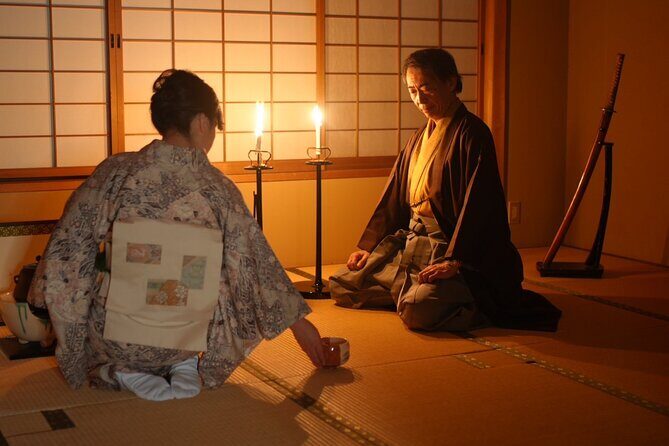
- Inside the ryokan: the candlelit 20-tatami room
- Kimono dressing and photo shoot: the part that makes the evening feel special
- Zen meditation: short, quiet, and not scary
- Tea ceremony demonstration: matcha as a guest moment
- Whisking your own matcha: where you learn the skill
- Price and value: why this feels worth it
- Who should book this private tea ceremony
- Practical tips for the smoothest experience
- Should you book this Kyoto tea ceremony at a Japanese inn?
- FAQ
- How long is the Kyoto private tea ceremony experience?
- Is this a private experience?
- What’s included in the experience?
- Do I need to speak Japanese?
- Where does the activity take place?
- What if the experience can’t run due to weather or group minimums?
Key things that make this Kyoto tea ceremony worth your time
- A candlelit 20-tatami room usually kept closed to the public, inside a traditional ryokan
- Kimono + photo shoot with props and pro lighting, with choices like bridal uchikake or men’s haori
- Zen meditation that’s short, simple, and fits the evening
- Tea ceremony as a guest experience, not just watching
- Hands-on matcha whisking, so you leave with a real skill, not only photos
- Matsuda and Mayumi-led hospitality with translator devices for clear communication
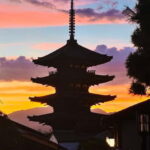
Kyoto at night, when temples go quiet
Kyoto has a rhythm. By late afternoon, many of the iconic spots shut down, and the city can feel like it’s holding its breath. That’s exactly why I like this kind of evening activity: it gives you a Kyoto moment you can’t replicate at midday.
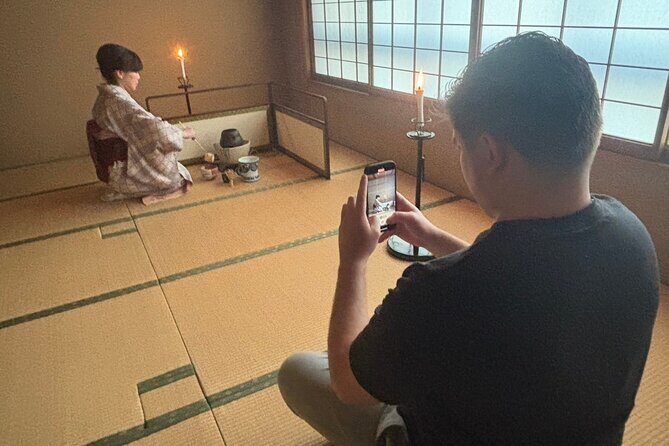
Instead of chasing lights on streets, you slow down in a private space meant for ceremony. You’ll be in a traditional inn setting, in a candlelit room where the atmosphere does a lot of work for you. The pitch-black room with flickering candle light isn’t just a dramatic detail—it changes how you pay attention to small things, like how the bowl is held, how quiet your space feels, and how matcha tastes when you’re not distracted.
If you want a cultural experience that feels respectful, calm, and very “Kyoto,” this does that without asking you to be an expert.
A few more Kyoto tours and experiences worth a look
Inside the ryokan: the candlelit 20-tatami room
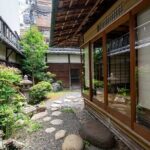
The venue is a Kyoto ryokan—a long-established inn—using a 20-tatami banquet hall that’s normally not open to the public. That matters, because you’re not in a classroom. You’re in a real ceremonial space with a real sense of ceremony around it.
Expect candlelight. The room is lit with candles so the flicker becomes part of the experience. It’s the kind of setting where you naturally lower your voice, sit straighter, and stop multitasking.
You’ll be with a small private group (typically 2 to 6 people). That privacy is a practical benefit: you’re less likely to feel rushed, and the guide can pace the explanation around your questions. And because it’s a private activity, you won’t be squeezed into a tight group timeline where you barely get to participate.
Kimono dressing and photo shoot: the part that makes the evening feel special
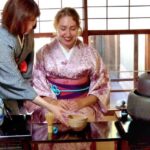
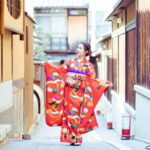
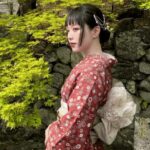
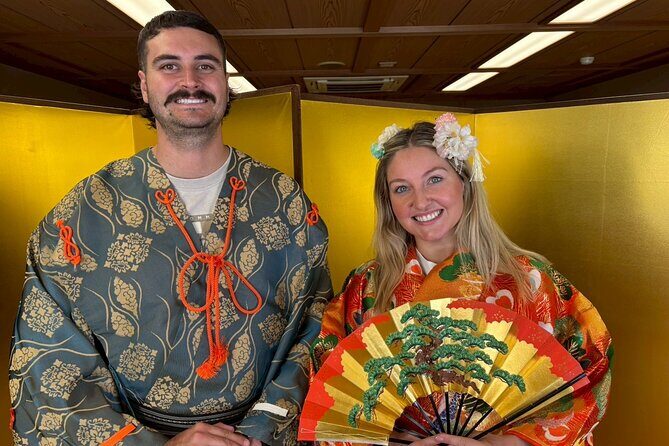
Your session starts with getting dressed and photographed. You’ll wear either a bridal uchikake (for the women’s styling) or a men’s haori (for the men’s styling). This isn’t just a costume swap—it’s part of how you’re guided into a different way of moving and posing.
There’s also a set of props, including folding fans and swords. They’re there to make the photo session playful and visually interesting, but you’re also guided so you don’t feel awkward trying to figure it out. Professional lighting is part of the package, which is a big deal if you care about having photos that look intentional, not like quick snapshots.
Photography is welcomed throughout. Staff also assist with photos, so you’re not stuck asking strangers to take pictures while you’re dressed in kimono.
One more detail I appreciated: the hosts are known for friendly, joyful energy. Matsuda and Mayumi are the names tied to this experience, and that warmth matters during a moment that could otherwise feel stiff. When the people guiding you are relaxed, you relax too—and your photos look better.
Zen meditation: short, quiet, and not scary
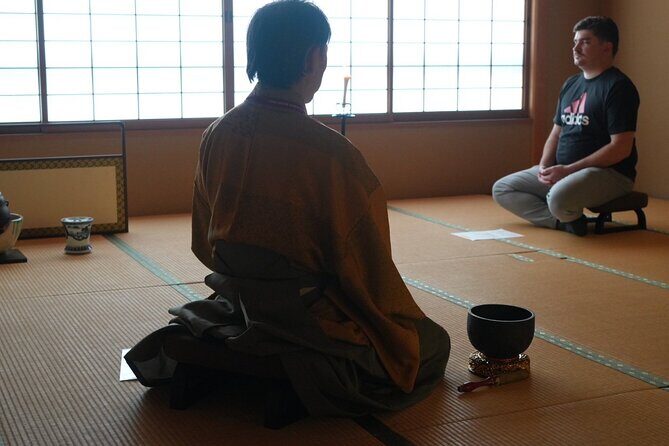
After the photos, you do a brief Zen meditation session. It’s only about 4 minutes, which is perfect if you’re curious but not trying to sit through a long retreat.
You’re in a serene space, and the point isn’t to “perform” mindfulness. It’s more like a reset button that tells your body and mind: we’re slowing down now.
This is also where the translation devices help. Even if you don’t speak Japanese, you can still understand what’s happening and ask questions. That reduces the pressure of not knowing what to do.
Think of this segment as the calm bridge between the kimono/photo moment and the more focused tea ceremony moment that follows.
Tea ceremony demonstration: matcha as a guest moment

Next comes the core: a tea ceremony demonstration that’s designed for you to participate as a guest.
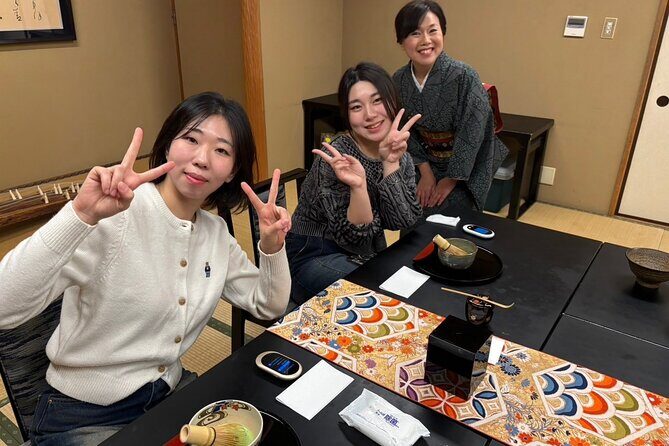
You’ll be welcomed into the ceremony and receive a bowl of matcha green tea, along with sweets. That welcome-at-the-start feeling is important. A lot of tea experiences teach you facts. This one aims to give you the experience of receiving and tasting in the right rhythm.
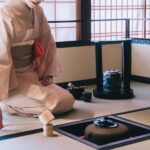
In the ceremony itself, you’ll watch the flow and learn how the actions connect—how the bowl is presented, how the moment is paced, and how you’re meant to be present while you taste.
The demonstration portion is about 20 minutes. It feels balanced with everything else in the schedule: you get enough time to understand what you’re seeing, without turning the evening into a long event where your attention starts to drift.
Sweets with the matcha is also a smart touch. Matcha tastes different depending on whisking, preparation, and how you’re feeling that night. The sweets help the flavors sit comfortably together.
Other private tours in Kyoto



Whisking your own matcha: where you learn the skill
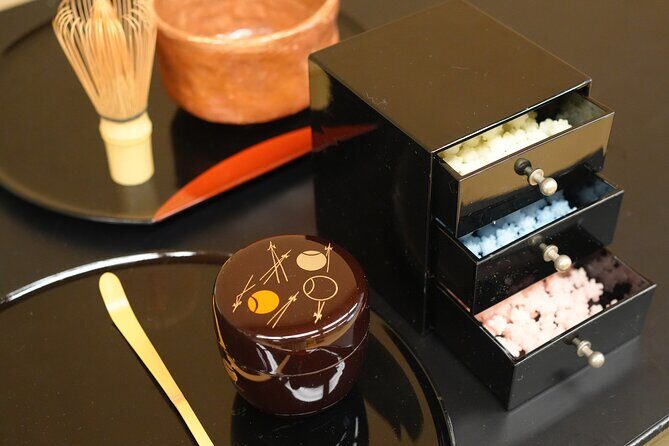
After you’ve watched the ceremony, you get the hands-on part: matcha whisking.
You make your own matcha during a 20-minute experience. This is the piece that turns the evening from something you just watched into something you practiced. Even if you end up doing it slightly differently than you imagined, you’ll still gain the basic sense of how matcha comes together with the whisk.
If you like workshops and demonstrations, this is the segment that will satisfy you most. It gives you a concrete takeaway: you’ll know what it feels like to whisk, what to look for, and how to interpret the matcha texture in your own bowl.
And since this is private, you’re more likely to get personal guidance rather than only general tips. With translator devices available, it’s also easier to ask what you’re seeing or what you should adjust.
Price and value: why this feels worth it
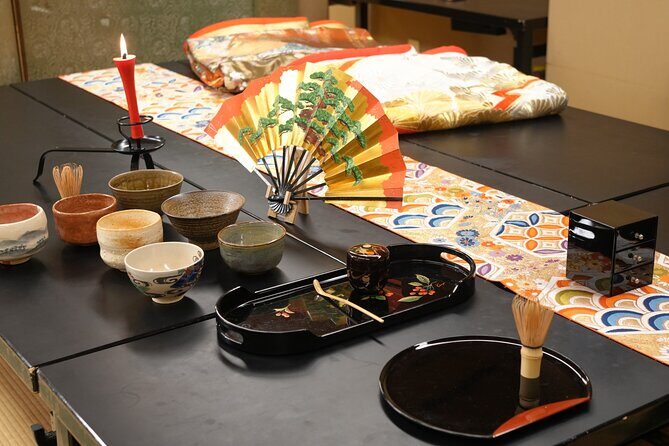
The price is listed at $97.98 per person, and in yen it’s Adults ¥15,000 (Children under 15 are ¥3,000). Since exchange rates change, the clean way to think about value is: you’re paying for a guided, small-group, private cultural evening with multiple segments.
What makes the price feel reasonable isn’t just matcha. It’s the full set of components:
- Kimono dressing (including bridal uchikake/men’s haori)
- A photo shoot with props and professional lighting
- A short Zen meditation
- A tea ceremony demonstration with matcha and sweets
- Hands-on matcha whisking
- Staff help with photography and a licensed guide
- Translator devices so the experience stays understandable
Duration is listed at about 59 minutes, which makes this a good option if you want culture without losing half a day. You’re also not dealing with the complexity of finding a venue, figuring out etiquette, or coordinating language on your own. Everything is handled in one compact experience.
If you’re traveling with people who don’t want another long temple visit, this is also a great compromise. It’s cultural, but the experience is structured and guided.
Who should book this private tea ceremony
This is a great fit if you want:
- A Kyoto night activity that isn’t another walking tour
- An experience that includes participation, not just observation
- Clear communication in any language thanks to translator devices
- A small-group evening with privacy (2 to 6 people)
It’s also ideal for families or mixed-language groups. One of the strongest themes connected to this experience is that kids can ask questions in their own language, not just listen silently. That makes it more inclusive than many cultural activities.
If your ideal Kyoto day is packed and you’re tired, it’s also a smart evening choice. You sit, you’re guided, and you finish with a calm memory instead of one more thing you have to “power through.”
Practical tips for the smoothest experience
A few practical ideas will help you enjoy this more:
- Wear clothes that are easy to change in and out of. Since kimono dressing is included, you’ll want to keep your outfit changes simple.
- Plan for a calm pace. The candlelit room and short meditation aren’t the place for rushing.
- Use the translator devices actively. If you’re curious, ask. The experience is built so you can understand what’s happening, and guides can adjust to your questions.
- Let the photo shoot happen. Staff will assist, and the professional lighting is part of what you’re paying for. It’s better to go with it than try to “be too casual” during the dressed-up moment.
Also, keep your expectations realistic: this is about ceremony and participation inside a traditional inn space, not a long evening wandering outdoors.
Should you book this Kyoto tea ceremony at a Japanese inn?
If you want Kyoto at night without the chaos, I’d book it. The combination of a private, candlelit ryokan setting, kimono/photo styling, and hands-on matcha whisking makes this feel like more than a show. It’s a guided cultural experience where you actually take part, and where communication doesn’t depend on you speaking Japanese.
Skip it only if you specifically want outdoor night sightseeing as your main goal, because the experience is centered on a single indoor space. Also, if you’re the type who dislikes structured activities with scheduled segments, you might find the flow too intentional.
Otherwise, this is one of those nights that quietly makes your whole trip feel more personal.
FAQ
How long is the Kyoto private tea ceremony experience?
The experience runs about 59 minutes (approx.).
Is this a private experience?
Yes. It’s private, so only your group participates, typically with a group size of 2 to 6 people.
What’s included in the experience?
It includes kimono dressing and a photo shoot, Zen meditation, a tea ceremony demonstration with matcha and sweets, and a matcha whisking experience. It also includes katana/costumes/tea utensils as part of the activity, staff assistance with photography, and a licensed guide.
Do I need to speak Japanese?
No. Translator devices are available so communication is possible regardless of language.
Where does the activity take place?
It takes place at a Kyoto ryokan at the ZEN: Tea Ceremony Experience in Kyoto location (茶道体験所 禅), at 緑風荘 4階, and it ends back at the meeting point.
What if the experience can’t run due to weather or group minimums?
The experience requires good weather, and if it’s canceled due to poor weather, you’ll be offered a different date or a full refund. It also requires a minimum number of travelers; if that minimum isn’t met, you’ll be offered a different date/experience or a full refund.