One day. Two cities. Zero stress.
This tour stacks the big hits of Nara and Osaka into a single day with private transportation and an English-speaking guide. I like that it starts at Todai-ji Temple (ticket included) and ends in the neon-and-food zone around Dotonbori, so you get both calm temple time and street-life energy. I also like the quality feel from the reviews: people praised the guide (including Ben), clear English, and a spacious air-conditioned car that makes the long day easier.
One drawback to consider: Osaka Castle is included by ticket only, while places like Dotonbori/Namba Yasaka Shrine areas are largely time-and-walking focused—so you’ll want comfortable shoes and a bit of stamina for temple/castle grounds.
In This Review
- What makes this tour feel worth it
- Key points to know before you go
- A stress-free Nara-to-Osaka route with private car comfort
- Todai-ji Temple: the Great Buddha Hall and the gate that sets the tone
- Nara Park deer time: calm nature breaks between big monuments
- Osaka Castle: more than a postcard stop
- Dotonbori Tsuribori: the neon-food heart of Osaka
- Namba Yasaka Shrine area: lively streets with a calmer rhythm nearby
- What $241.07 gets you (and why it can be good value)
- The guide and pace: the real difference between a tour and a day out
- Who should book this Osaka and Nara private day tour
- Should you book it? My decision guide
- FAQ
- How long is the Osaka and Nara private day tour?
- What’s included in the tour price?
- Are entrance fees included?
- Is lunch included?
- Do I need cash for tickets during the tour?
- Is this a private tour or a shared group?
- Do you pick you up from your hotel?
- Is an English guide provided?
- Does the tour depend on weather?
What makes this tour feel worth it
A private car is the real star here. Instead of juggling trains, you’re moving efficiently between Nara and Osaka with time protected for sightseeing. In the reviews, Ben was called out for making history easy to understand and for giving practical advice—especially around feeding the deer at Nara Park—so you’re not just standing there hoping everything works out.
Key points to know before you go
- Private transportation all day so you’re not timing your sightseeing around train schedules
- English tour guide with clear, easy-to-follow explanations (Ben was specifically praised)
- Todai-ji + Osaka Castle tickets included which saves time and planning
- Nara Park deer time with guidance on how to enjoy the deer safely
- Dotonbori food-crawl setup for takoyaki and Osaka street energy
- Moderate walking expected across temple grounds, the castle area, and busy streets
A few more Kyoto tours and experiences worth a look
A stress-free Nara-to-Osaka route with private car comfort
This is the kind of day tour you book when you want highlights, but not the travel grind. You get private transportation for the day, plus travel time from Osaka/Kyoto back to your hotel—meaning fewer “what platform is it on?” moments and more time looking up at real sights.
Another practical win: it runs about 6 to 9 hours, so it’s long enough to feel like a proper day trip, but short enough that you don’t lose your whole energy budget. The tour is private, so it’s only your group, which usually makes pacing easier—especially when you want photos at Nara Deer Park or a slower walk around castle grounds.
If you’re sensitive to heat, pay attention to what the reviews emphasized: the car’s air conditioning was a major relief. That matters in Kansai summer conditions, and it also makes the day feel less exhausting even when the weather is mild.
Todai-ji Temple: the Great Buddha Hall and the gate that sets the tone
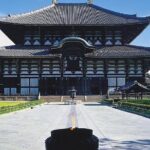
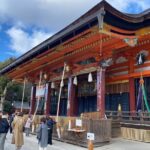
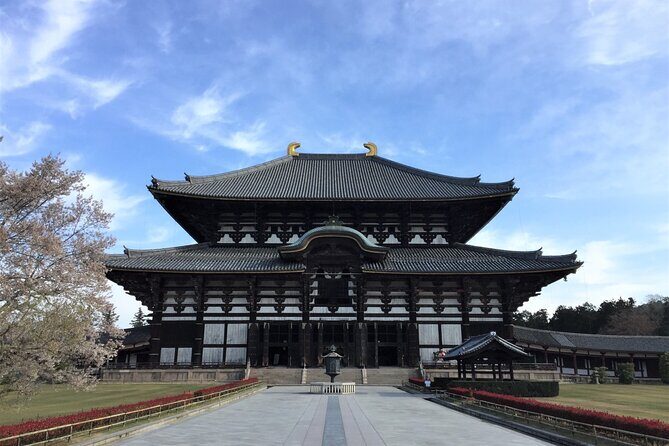
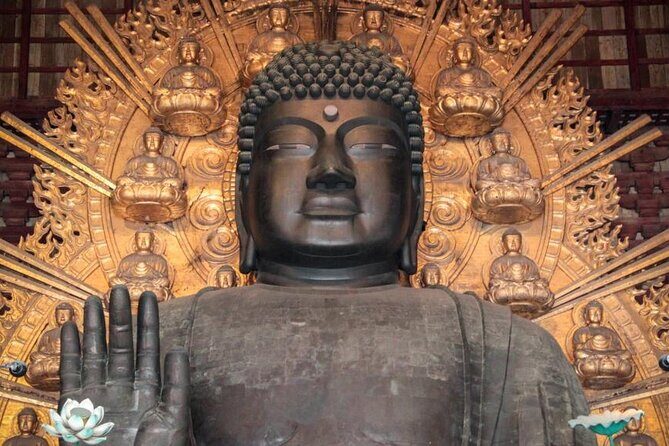
Todai-ji is one of those places where scale shows up fast. You enter through the Nandaimon Gate, where two giant guardian statues greet you right away. That “whoa” effect is useful on a tour day, because it wakes up your attention before you even reach the main hall.
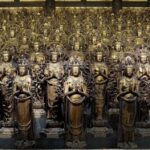
Inside, the Great Buddha Hall is the headline. Even without nerding out, you can feel why this site is so famous: the Buddha is housed in a massive space built for awe and atmosphere. I like that the tour gives you about an hour here, because Todai-ji isn’t just a quick photo stop. You’ll want a moment to slow down, notice architectural details, and let the hall’s size sink in.
What to watch for: Todai-ji grounds involve walking and time standing—plus you’ll be transitioning between indoor/outdoor areas. If you’re traveling with anyone who moves slowly, this is the part of the day where a little extra patience helps.
Nara Park deer time: calm nature breaks between big monuments
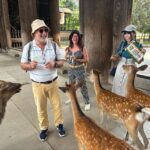
After the temple, the tour shifts to nature with Nara Park—one of Japan’s most playful scenes. The deer roam freely across the lawns and temple grounds, and there’s something wonderfully weird about how comfortable they seem around people. The tour includes Nara Park time (about 40 minutes) and the deer are the focus, including classic behavior like bowing.
This is also where a good guide really helps. The reviews specifically praised Ben for giving advice on feeding the deer, which is exactly what you want to hear before you try it. You don’t want guesswork here—simple guidance can help you avoid awkward moments and keep the experience respectful.
Photo tip that’s practical: give yourself time to watch how deer move before you try to grab the perfect angle. If you rush in, you’ll end up blocking paths or standing in the wrong spot. In 40 minutes, watching first saves stress and still gets you great pictures.
Potential drawback: deer parks can be unpredictable with crowds and animal behavior. If you prefer quiet, treat this as a lively “still nature, but with activity” moment—not a silent park stroll.
Osaka Castle: more than a postcard stop
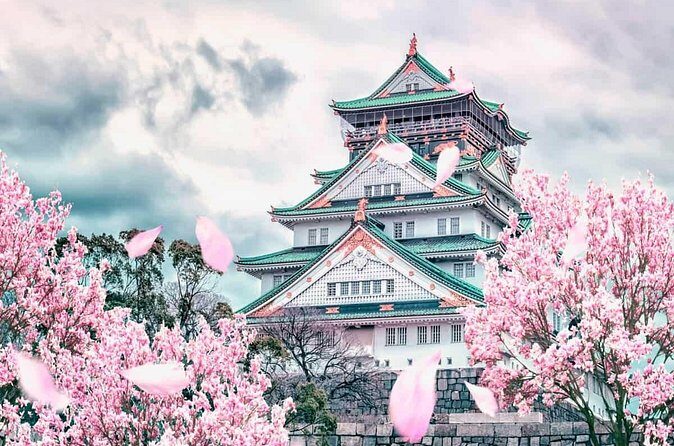
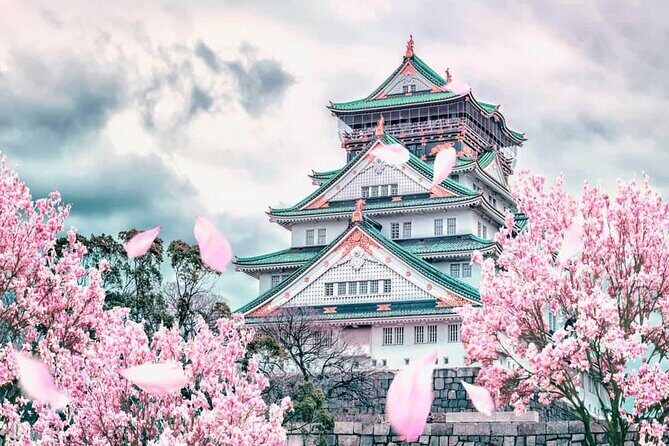
Osaka Castle is iconic for a reason. The outside setting—stone walls, moats, and garden areas—frames the castle so you notice the structure even before you’re right up against it. The tour schedules about an hour, which is enough to take in the overall look and get a feel for the castle grounds without turning it into a long museum day.
The castle’s appearance is also easy to appreciate visually: white walls with golden accents and green roof tiles. That combination reads clearly in daylight, and it’s a big reason the place is a photo magnet.
Here’s how I’d think about Osaka Castle on a day like this: it’s not the only monument you’ll see, so you’ll get more out of it if you focus on a few things rather than trying to absorb everything. Look at the defensive layout around the moats and walls. Notice how the gardens guide your movement. Then take a few steady photos from places that show both the structure and the surrounding walls.
What you should plan for: walking on castle grounds can add up, especially if the weather is warm. Good shoes matter.
Other private tours in Kyoto


Dotonbori Tsuribori: the neon-food heart of Osaka

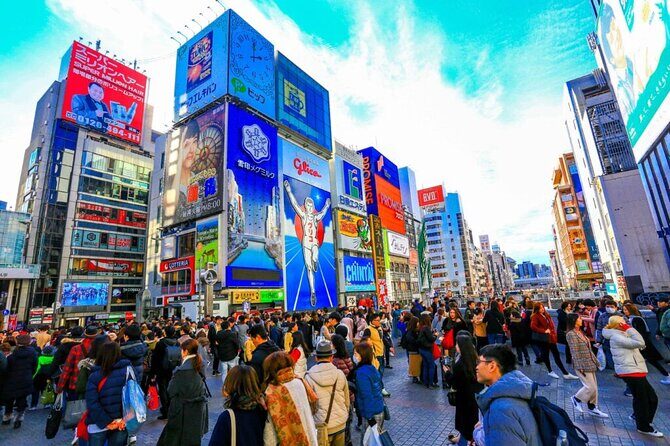
After the history stops, the tour flips to high energy. Dotonbori Tsuribori is known for neon lights, busy streets, and that unmistakable Osaka street vibe. This is the part of the day where you’ll feel Osaka as a city that loves food and atmosphere more than speeches.
The tour gives you about two hours in this area, which is the right amount of time for wandering, checking out storefronts, and fitting in a food moment. The description ties it to a takoyaki-focused food crawl, and that’s a solid way to enjoy the neighborhood without overplanning.
How to make the food crawl work for you: decide on your “must-eat” early (takoyaki is the obvious one here) and use the rest of the time to explore. With two hours, you can try something and still have enough time to walk the canal-side streets and take photos of the iconic signs and lights.
One more thing: Dotonbori is active, so if your group needs breaks from crowds, this is where timing matters. Walk a little, eat, then circle back rather than trying to stay in the thickest traffic lane the whole time.
Namba Yasaka Shrine area: lively streets with a calmer rhythm nearby
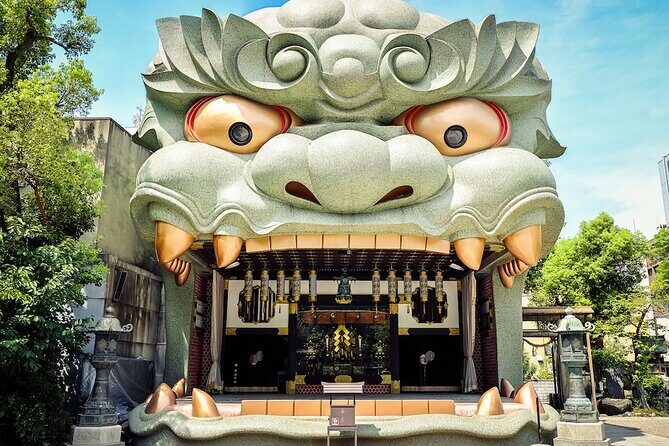
Next up is Namba Yasaka Shrine, paired in the tour with a “lively, must-visit” district feel. The key thing is that this stop works as a second layer of Osaka street atmosphere after Dotonbori: you get neon, energy, and food-adjacent walking without repeating the exact same vibe.
You’re given about an hour here, which is perfect for soaking in the lighting and street scenes and then using the time to connect back to whatever food plans you still want. If your group is finishing the day with snacks or a final dinner-style bite, this is a practical place to do it because the surrounding streets keep you entertained even if you take a slightly slower pace.
Consideration: both Dotonbori and this area are “walk and absorb” stops. If you’re sensitive to crowds, plan to slow down, choose calmer side streets when possible, and treat this as atmosphere time rather than a single-point attraction.
What $241.07 gets you (and why it can be good value)

Let’s talk value in a plain way. The price is $241.07 per person, and it includes private transportation, an English tour guide, and entrance fees for two major sites:
- Todai-ji Temple (800 yen)
- Osaka Castle (1200 yen)
That matters because it reduces the number of tickets you juggle yourself and it keeps the day efficient. Also, private transport is often where you feel the cost difference most clearly—because you’re paying for time saved and comfort gained, especially when going between Kyoto/Osaka and Nara and then back.
What’s not included is also important to understand:
- Personal expense and lunch
- Tips are appreciated
In other words, you’re paying for the guided sightseeing framework. You still control your food budget and lunch choices. If you like the idea of guided route planning but want freedom on where to eat, this setup usually fits well.
Who this price makes sense for: families, small groups, and anyone who wants a private car experience rather than train transfers—especially when the day includes several distinct areas and you’d rather not waste time getting from one to the next.
The guide and pace: the real difference between a tour and a day out
The reviews put a spotlight on the guide experience. Ben was repeatedly praised for being one of the best guides the group had met, with easy-to-understand English and a style that makes history feel usable, not just recited. People also highlighted that Ben knew the way around and handled meeting and pickup smoothly.
That “how it feels” part is a big deal. A private day tour can still feel rushed if the guide is chasing checklists. Here, the schedule is built around recognizable anchor points, with enough time at each stop to actually see things.
Also, Ben’s guidance about feeding the deer shows something subtle but valuable: you’re not left to figure out how to do the most memorable activity on your own. On Nara Deer Park day, little bits of advice can prevent awkwardness and make the experience smoother.
Who should book this Osaka and Nara private day tour
This is a good match if you:
- Want Nara and Osaka highlights in one day without train juggling
- Prefer private transport for comfort and efficiency
- Like guided explanations but still want time to wander
- Are traveling as a small group and want everyone to move at the same pace
It’s also a decent choice if you’re tight on time and you’d rather spend hours sightseeing than mapping routes. The tour’s focus on Todai-ji, Nara Deer Park, Osaka Castle, and the Dotonbori food-and-lights area is a strong “first Kansai taste.”
Less ideal if you:
- Want a quiet, slow nature day with minimal crowds (Nara Park and the neon areas are energetic)
- Have very limited walking ability, since temple grounds and castle areas add up
- Want a lot of museum-style time (this is more about highlights and street life)
Should you book it? My decision guide
Book this tour if you want a high-logic day plan: private car, English guide, major sights covered, and a clear end in Osaka’s neon-and-food energy. You’ll likely appreciate the included tickets and the fact that the guide helps you enjoy the biggest “wow” moments (especially at Todai-ji and Nara Deer Park).
Skip or rethink it if you’re the type who wants total free roaming with no structure at all, or if you’re mainly chasing museums or deep specialized history. This is more about big, memorable experiences and smart pacing than about one single attraction for hours.
If your priority is seeing Nara and Osaka efficiently, with comfort and a guide who keeps things understandable, this one is easy to recommend.
FAQ
How long is the Osaka and Nara private day tour?
It runs approximately 6 to 9 hours.
What’s included in the tour price?
Private transportation, an English tour guide, entrance fees for Todai-ji Temple and Osaka Castle, and travel time from Osaka/Kyoto to the destinations and back to your hotel.
Are entrance fees included?
Yes. Todai-ji Temple (800 yen) and Osaka Castle (1200 yen) are included.
Is lunch included?
No. Personal expense and lunch are not included.
Do I need cash for tickets during the tour?
The two included attractions’ entrance fees are covered, and you’ll also have a mobile ticket for the experience.
Is this a private tour or a shared group?
It’s private. Only your group participates.
Do you pick you up from your hotel?
Pickup is offered, and travel time is included from Osaka/Kyoto to the destinations and back to your hotel.
Is an English guide provided?
Yes, the tour includes an English tour guide.
Does the tour depend on weather?
Yes. It requires good weather. If it’s canceled due to poor weather, you’ll be offered a different date or a full refund.